Yucca Whipplei (Our Lord’s Candle)
Yucca whipplei, commonly known as Our Lord’s Candle, is a fascinating and unique plant that has captured the attention of gardeners and plant enthusiasts.
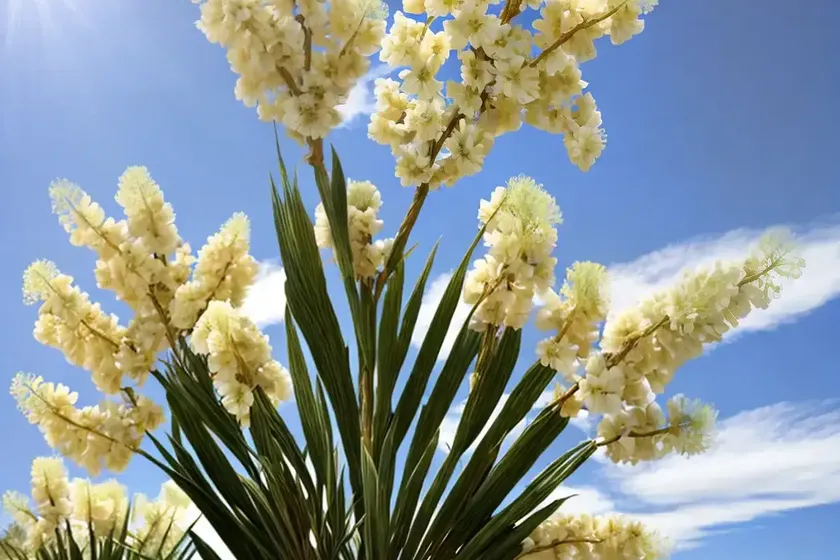
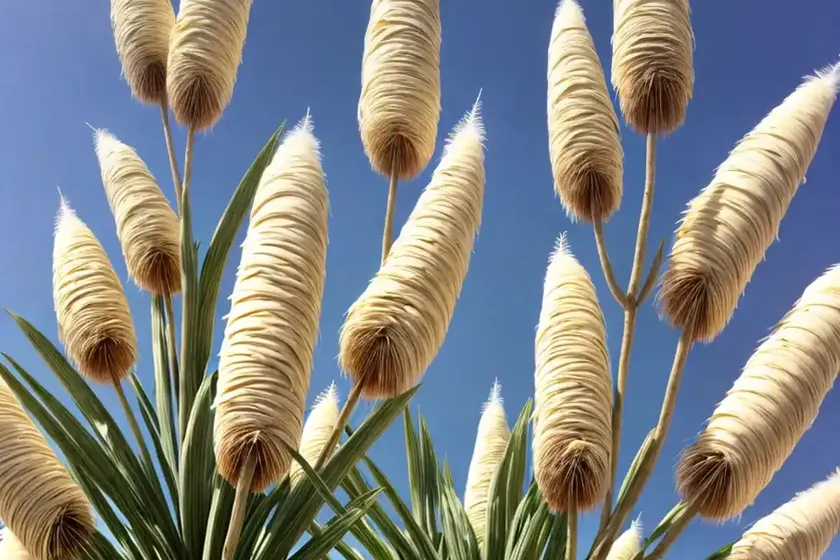
Yucca whipplei, commonly known as Our Lord’s Candle, is a fascinating and unique plant that has captured the attention of gardeners and plant enthusiasts around the world. This plant species is known for its striking appearance, resilience, and diverse cultural uses. In this article, we will delve into the various aspects of Yucca whipplei, including its culture, uses, care requirements, propagation, common diseases, and much more. Whether you are a novice gardener or an experienced horticulturist, this comprehensive care guide will equip you with the knowledge and insights needed to cultivate and nurture this remarkable plant.
What is Yucca Whipplei (Our Lord’s Candle)?
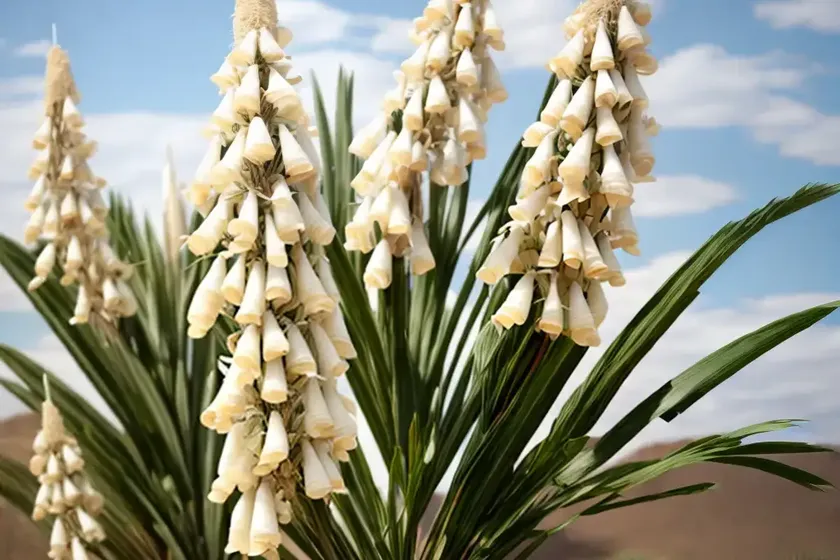
Yucca whipplei is a species of flowering plant in the family Asparagaceae, native to the southwestern United States and northern Mexico. This striking plant is also known as ‘Our Lord’s Candle’ due to its tall, candle-like inflorescences that grace the landscape with their imposing presence. Yucca whipplei is characterized by its sword-shaped leaves and dramatic towering flower stalks, making it a standout addition to gardens and landscapes.
This perennial plant is well-adapted to arid and semi-arid environments and is known for its hardiness and drought tolerance. In addition to its ornamental value, Yucca whipplei has been historically esteemed for its practical uses, including food, medicine, and fiber. Its cultural significance and versatile characteristics make it a sought-after plant for both aesthetic and utilitarian purposes.
Key Takeaways – Yucca Whipplei (Our Lord’s Candle)
Before diving into the specifics of Yucca whipplei care, it’s essential to highlight some key takeaways that encapsulate the essence of this remarkable plant:
-
Hardiness: Yucca whipplei is renowned for its resilience and adaptability to arid and semi-arid climates.
-
Cultural Significance: This plant has a rich history of cultural and practical uses, ranging from food and medicine to fiber and shelter.
-
Ornamental Value: Our Lord’s Candle boasts striking architectural features, making it a popular choice for landscaping and garden design.
-
Drought Tolerance: The plant exhibits impressive tolerance to drought conditions, making it suitable for water-wise gardening and xeriscaping.
-
Biodiversity: Yucca whipplei contributes to biodiversity by providing habitat and food sources for diverse wildlife, including pollinators and herbivores.
With these key takeaways in mind, let’s explore the various facets of Yucca whipplei care and cultivation in detail.
Culture
Understanding the cultural requirements of Yucca whipplei is crucial for ensuring its optimal growth and well-being. From sunlight and water needs to soil preferences, each aspect of the plant’s cultural environment plays a significant role in its overall health and development.
Sunlight
Yucca whipplei thrives in full sun to partial shade, reflecting its natural habitat in sun-drenched, arid regions. When grown in a garden or landscape setting, it is best positioned in a location that receives abundant sunlight during the day. While the plant demonstrates resilience in the face of intense sun exposure, it can also adapt to partial shade conditions, particularly in hotter climates.
Water
As a drought-tolerant species, Yucca whipplei is adapted to thrive in low-water environments. It is essential to establish a balanced approach to watering, allowing the soil to dry out between waterings to prevent waterlogged conditions. In regions with regular rainfall, minimal supplemental watering may be necessary once the plant is established. However, during prolonged dry spells or in containers, occasional deep watering can sustain the plant’s vitality.
Fertilizer
Yucca whipplei typically thrives without the need for regular fertilization, especially when grown in nutrient-rich, well-draining soils. In most cases, the organic matter present in the soil and the minimal nutritional demands of the plant suffice for healthy growth. If the plant shows signs of nutrient deficiency, a balanced, low-nitrogen fertilizer can be applied sparingly during the growing season to bolster its vigor.
Soil
The ideal soil conditions for Yucca whipplei mirror its native habitat, characterized by well-draining, sandy or rocky soils with minimal organic content. This plant thrives in soil that allows excess moisture to escape quickly, preventing the risk of root rot or other moisture-related issues. Sandy loam or gravelly soils are well-suited for Yucca whipplei, providing the aeration and drainage necessary for its root system to flourish.
Pruning
Pruning Yucca whipplei is a straightforward task that primarily involves the removal of spent flower stalks and any damaged or withered foliage. After the plant has finished blooming, the tall flower stalks can be trimmed at the base to maintain the plant’s tidy appearance and encourage new growth. Additionally, any dead or yellowing leaves can be pruned to enhance the plant’s aesthetics and promote its overall health.
Propagation
Yucca whipplei can be propagated through seeds or offsets, also known as pups. Seed propagation involves collecting mature seeds from the plant’s pods and sowing them in well-draining soil in a suitable container or garden bed. For offset propagation, the pups that develop around the base of mature plants can be carefully detached and replanted in their desired locations. Both methods offer successful means of propagating Yucca whipplei to expand one’s collection or share with other gardening enthusiasts.
Container Popularity
Yucca whipplei’s architectural form and low-maintenance nature make it a popular choice for container gardening. Enthusiasts often showcase this plant in large, well-draining containers on patios, balconies, or as a focal point in outdoor living spaces. Its robust presence and striking visuals bring an elegant and dynamic element to container gardens, elevating the overall aesthetic appeal.
Common Diseases
Yucca whipplei is generally resistant to pests and diseases, owing to its natural hardiness and adaptability. However, certain conditions or environmental stressors may predispose the plant to potential issues. It is essential to be aware of common diseases and their potential management strategies to safeguard the plant’s health.
Disease Diagnosis
Diagnosing diseases in Yucca whipplei primarily involves identifying symptoms such as leaf discoloration, wilting, or unusual growth patterns. Common issues such as root rot, caused by excessive moisture, and fungal infections may manifest in the presence of sustained dampness or poor air circulation. Promptly addressing any signs of disease through appropriate cultural adjustments and, if necessary, targeted treatments can help mitigate the impact of these issues on the plant.
Common Pests
While Yucca whipplei exhibits resilience to most pests, occasional encounters with insect pests such as scale insects, mealybugs, or aphids may occur. Close monitoring of the plant’s foliage and stems can help identify pest infestations early on, enabling the implementation of suitable control measures. In many cases, natural predators and proper cultural care serve as effective deterrents against pest outbreaks, contributing to the plant’s overall health and vigor.
Botanist’s Tips
To enhance your success in caring for Yucca whipplei, consider the following botanist’s tips:
-
Embrace Drought-tolerant Landscaping: Incorporate Yucca whipplei into xeriscape designs and water-wise landscapes to leverage its resilience and striking visual appeal in arid environments.
-
Monitor Soil Moisture: Regularly assess the soil moisture levels to ensure a proper balance between drought conditions and adequate hydration, especially during the plant’s establishment phase.
-
Opt for Well-Draining Soil: Prioritize well-draining, sandy, or gravelly soils to create an optimal growing environment for Yucca whipplei, supporting healthy root development and mitigating the risk of water-related issues.
-
Promote Air Circulation: Encourage adequate air circulation around the plant, particularly in humid or wet conditions, to minimize the potential for fungal diseases and maintain the plant’s vigor.
Fun Facts
Delve into these intriguing fun facts about Yucca whipplei to deepen your appreciation for this remarkable plant:
-
Pollinator Magnets: Yucca whipplei’s striking flowers are adapted for pollination by yucca moths, forming a fascinating mutualistic relationship that ensures the plant’s reproductive success.
-
Native American Uses: Indigenous peoples historically utilized various parts of Yucca whipplei for food, medicine, and fiber, highlighting its multifaceted importance in traditional cultures.
-
Architectural Majesty: Our Lord’s Candle’s towering flower stalks and robust foliage impart an architectural elegance to gardens and natural landscapes, captivating the attention of admirers and enthusiasts.
-
Wildlife Support: The plant serves as a valuable habitat and food source for several species, contributing to the ecological richness of its native regions and beyond.
As you immerse yourself in the world of Yucca whipplei, these fun facts add depth to your understanding of the plant’s ecological, cultural, and ornamental significance.
Links to External Resources
For further exploration of Yucca whipplei and related topics, consider engaging with the following external resources:
-
Botanical Gardens and Arboreta: Visit botanical gardens and arboreta with extensive plant collections to observe Yucca whipplei in diverse settings and gain inspiration for its cultivation.
-
Horticultural Societies: Connect with local or regional horticultural societies and gardening clubs to access expertise, resources, and community engagement centered around Yucca whipplei and horticulture in general.
-
University Extension Programs: Consult university extension programs and cooperative extension services for research-based information, publications, and educational opportunities related to Yucca whipplei care and cultivation.
By leveraging these external resources, you can enrich your knowledge, seek guidance, and connect with fellow enthusiasts to expand your horizons in the world of Yucca whipplei and plant science.
In conclusion, Yucca whipplei, known as Our Lord’s Candle, stands as a symbol of resilience, cultural significance, and ornamental allure. By understanding its care requirements, cultural uses, and ecological contributions, we can foster a deeper appreciation for this remarkable plant and cultivate its presence in our gardens and landscapes. As you embark on your journey of Yucca whipplei cultivation, may this comprehensive care guide serve as a valuable companion, offering insights and inspiration for nurturing and celebrating the captivating essence of Our Lord’s Candle.
Plant Name: “Yucca whipplei (Our Lord’s Candle)”
The extraordinary diversity and rich tapestry of life on our planet are depicted through the wondrous attributes of plant species. Yucca whipplei, also known as Our Lord’s Candle, exemplifies the natural wonders that captivate our imagination and appreciation for the botanical realm.
Embodied in the name “Our Lord’s Candle” is the plant’s imposing inflorescences that stretch skyward like candles illuminating the landscape with their majesty. This epithet pays homage to the plant’s striking floral displays that exude an ethereal charm, evoking a sense of reverence and admiration.
As guardians of the Earth’s biodiversity, it is our responsibility to honor and preserve the intrinsic value of species such as Yucca whipplei, recognizing their significance in ecological, cultural, and horticultural contexts. By fostering an understanding of the plant’s characteristics, care requirements, and multifaceted contributions, we can cultivate a deeper sense of stewardship and appreciation for Our Lord’s Candle and its botanical kin.
May the enthralling essence of Yucca whipplei kindle a sense of wonder and reverence for the natural world, inspiring us to cherish and safeguard the diversity that enriches our lives and our planet.
Please find below the references used in crafting this comprehensive plant care guide:
-
“Yucca whipplei (Our Lord’s Candle).” University of California, Irvine – Natural History of Orange County, https://nathistoc.bio.uci.edu/plants/Agavaceae/Yucca%20whipplei/Yucca%20whipplei.htm
-
“Yucca whipplei – Wikidata.” Wikidata, https://www.wikidata.org/wiki/Q7321149
-
“Yucca whipplei – Plant Finder.” Missouri Botanical Garden, http://www.missouribotanicalgarden.org/PlantFinder/PlantFinderDetails.aspx?taxonid=265936&isprofile=0&
-
“Yucca whipplei – Calflora.” Calflora, https://www.calflora.org/app/taxon?crn=8000
-
“Yucca wippelii.” Dave’s Garden, https://davesgarden.com/guides/pf/go/67935/
-
“Yucca whipplei: Our Lord’s Candle.” Calscape, https://calscape.org/Yucca-whipplei-()
-
“Yucca whipplei – USDA Plant Guide.” United States Department of Agriculture, https://plants.usda.gov/plantguide/pdf/pg_yuwh2.pdf
-
“Yucca whipplei – Native Plant Trust.” Native Plant Trust, https://www.nativeplanttrust.org/species/yucca-whipplei/
-
“Yucca whipplei – Our Lord’s Candle.” San Marcos Growers, https://www.smgrowers.com/products/plants/plantdisplay.asp?plant_id=3928
-
“Yucca whipplei – Our Lord’s Candle.” California Native Plant Society, https://www.cnps.org/gardening/yucca-whipplei
Each of these resources provides valuable insights, botanical information, and cultivation guidelines that contributed to the creation of this comprehensive care guide for Yucca whipplei (Our Lord’s Candle).
Thank you for exploring the captivating world of Yucca whipplei!