Horned Violet (Viola Cornuta ‘Blackout’)
Horned violet (Viola cornuta ‘Blackout’) is a charming and versatile plant that has gained popularity among gardeners thanks to its beautiful and.
Introduction
Horned violet (Viola cornuta ‘Blackout’) is a charming and versatile plant that has gained popularity among gardeners thanks to its beautiful and distinctive dark purple flowers. This plant belongs to the viola family and is known for its low maintenance requirements and ability to thrive in various growing conditions. In this comprehensive guide, we will delve into all aspects of caring for, maintaining, and enjoying the horned violet, or Viola cornuta ‘Blackout.’
What is horned violet (Viola cornuta ‘Blackout’)?
Plant Overview
- Scientific Name: Viola cornuta ‘Blackout’
- Common Name: Horned violet
- Family: Violaceae
- Genus: Viola
- Species: Cornuta
Description
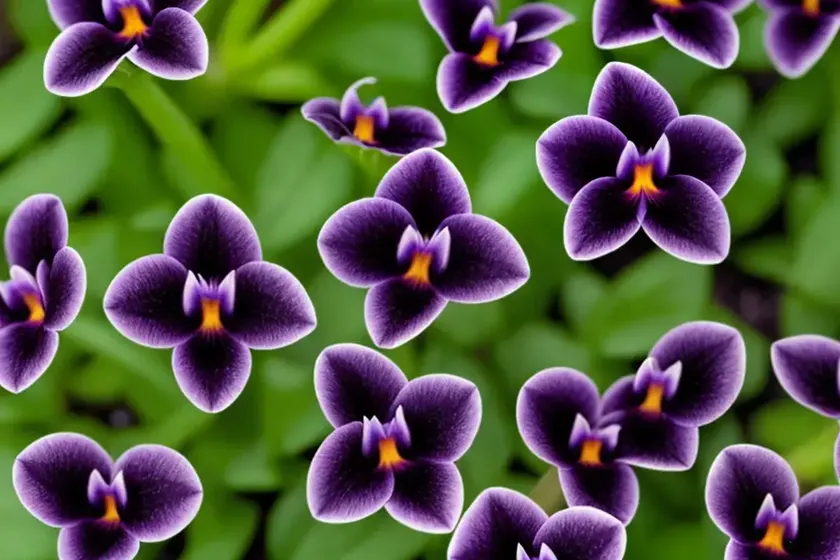
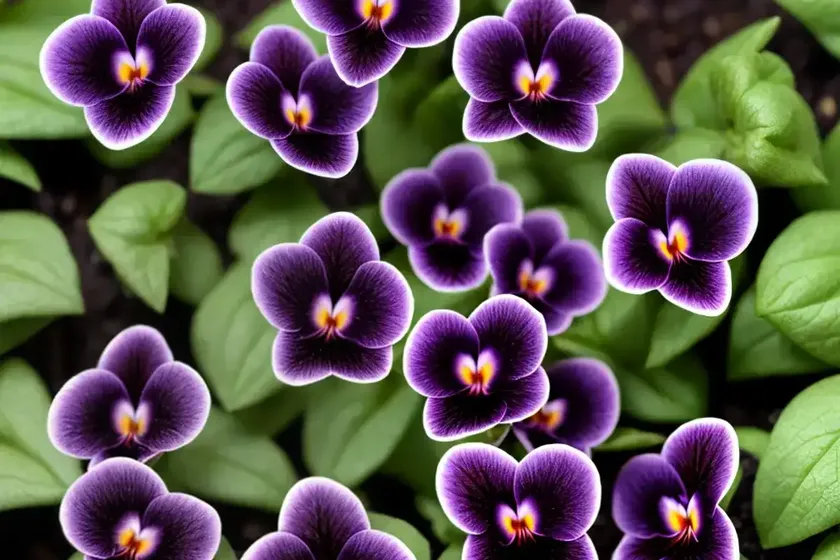
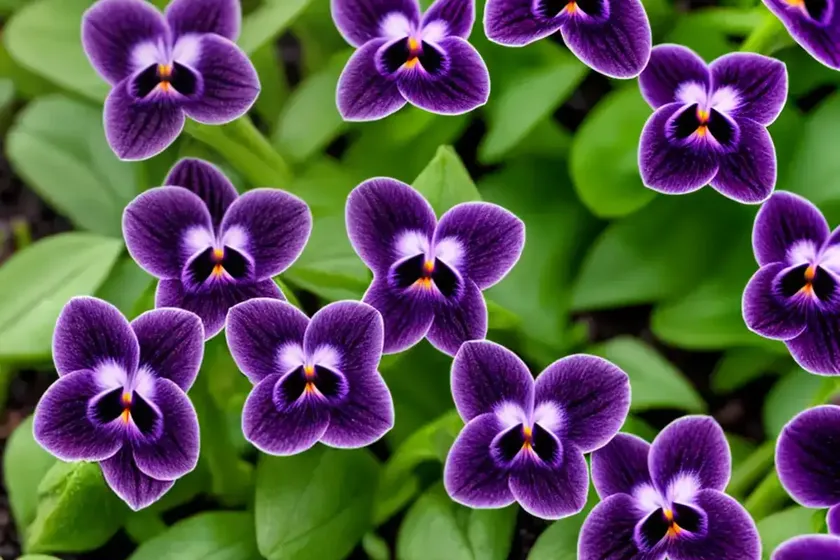
The horned violet, Viola cornuta ‘Blackout’, is a compact perennial plant that typically reaches a height of 6-8 inches with a spread of 12-15 inches. It is known for its attractive dark green foliage and distinctive deep purple, almost black, horn-shaped flowers. The flowers feature a charming yellow center that provides a striking contrast to the rich purple petals.
Key Takeaways – horned violet (Viola cornuta ‘Blackout’)
- Scientific Name: Viola cornuta ‘Blackout’
- Common Name: Horned violet
- Family: Violaceae
- Plant Type: Perennial
- Flower Color: Deep purple
- Foliage: Dark green
- Height: 6-8 inches
- Spread: 12-15 inches
Culture
Uses
Horned violets are versatile plants that can be utilized in various ways in the garden and landscape. Some common uses of Viola cornuta ‘Blackout’ include:
- Edging: The compact growth habit of the horned violet makes it an excellent choice for edging borders, pathways, and garden beds. Its charming dark purple flowers add a pop of color and visual interest to the landscape.
- Containers: Due to its compact size and attractive flowers, horned violets are well-suited for container gardening. They can be grown in pots, window boxes, and hanging baskets, adding a touch of elegance to outdoor spaces.
- Groundcover: When planted in mass, horned violets can form a beautiful groundcover, particularly in areas where low-growing, spreading plants are desired.
Water
Proper watering is crucial for the health and vitality of horned violets. These plants prefer consistently moist, well-draining soil. However, they are susceptible to root rot if they are overwatered. It’s essential to strike a balance and water them when the soil begins to dry out slightly.
- Frequency: Water horned violets when the top inch of soil feels dry to the touch. During hot and dry periods, they may require more frequent watering.
- Method: Apply water at the base of the plant to avoid wetting the foliage, which can contribute to disease issues.
- Avoid Overwatering: Ensure that the soil is well-draining to prevent waterlogged conditions, which can lead to root rot.
Sunlight
Horned violets thrive in partially shaded to full sun conditions. They can tolerate some shade, particularly in regions with hot summers. However, they tend to bloom more prolifically when grown in full sun.
- Light Requirements: Provide horned violets with 4-6 hours of direct sunlight daily for optimal growth and flowering.
- Shade Tolerance: In warmer climates, afternoon shade can help protect the plants from excessive heat and sun damage.
- Indoor Cultivation: When grown indoors, place horned violets in a bright location near a south or west-facing window to ensure they receive adequate sunlight.
Fertilizer
To support healthy growth and prolific flowering, horned violets benefit from regular fertilization during the growing season. A balanced, water-soluble fertilizer formulated for flowering plants can provide the necessary nutrients to keep them vigorous and blooming.
- Timing: Apply a complete fertilizer every 4-6 weeks during the growing season, typically from spring to early fall.
- Dosage: Follow the manufacturer’s instructions regarding the amount of fertilizer to use, taking care not to over-fertilize, which can lead to excessive foliage growth at the expense of flowers.
- Application: Water the plant thoroughly after applying fertilizer to ensure proper absorption.
Soil
Horned violets thrive in well-draining, fertile soil with a slightly acidic to neutral pH. Amending the soil with organic matter, such as compost or well-rotted manure, can improve its structure and fertility, providing an ideal growing medium for these plants.
- Texture: Aim for a loamy soil texture that provides good drainage while retaining sufficient moisture for plant growth.
- pH Level: The ideal soil pH for horned violets ranges from 6.0 to 7.0.
- Mulching: Applying a layer of organic mulch around the plants can help maintain soil moisture and suppress weed growth, contributing to the overall health of the plants.
Pruning
Pruning horned violets is not only essential for maintaining their shape and appearance but also for promoting continuous blooming. Regular deadheading, the removal of spent flowers, can encourage the plants to produce new blooms and prolong the flowering period.
- Deadheading Method: Snip off faded flowers just above the nearest set of healthy leaves using sharp, clean pruners or scissors.
- Frequency: Deadhead horned violets as needed throughout the growing season, aiming to prevent the formation of seed pods and encourage the development of new flowers.
- Seasonal Pruning: In late winter or early spring, perform a light pruning to remove any dead or overgrown foliage and promote fresh growth for the upcoming growing season.
Propagation
Horned violets can be easily propagated through division or seed sowing. Both methods are effective and can be utilized to increase the number of plants in the garden or share them with fellow gardening enthusiasts.
Division
Division is the simplest and quickest method for multiplying horned violets. It involves separating the plant into smaller sections, each with its own roots and foliage, to be replanted in suitable locations.
- Timing: Divide established horned violets in early spring before new growth emerges for the best results.
- Procedure: Carefully lift the plant from the ground and use a sharp, clean knife or garden spade to divide the root ball into smaller sections, ensuring that each division has a good balance of roots and foliage.
- Replanting: Transplant the divisions into prepared soil, water them thoroughly, and provide appropriate care to support their establishment.
Seed Sowing
Growing horned violets from seed allows for the introduction of new varieties and offers an opportunity to observe the fascinating process of germination and growth from a tiny seed to a flourishing plant.
- Sowing Time: Start the seeds indoors 8-10 weeks before the last expected frost date in your region.
- Sowing Depth: Lightly press the seeds onto the surface of a moistened seed-starting mix, as they require light for germination.
- Germination Period: Viola cornuta seeds typically germinate within 2-3 weeks when provided with consistent warmth and moisture.
- Transplanting: Once the seedlings have developed several sets of true leaves, they can be transplanted into individual containers or directly into the garden.
Container
Horned violets are well-suited for container gardening, allowing individuals with limited outdoor space to enjoy their beauty and charm. When grown in containers, they require specific care to ensure their optimal growth and performance.
- Container Size: Choose a container with sufficient depth and room for root development, typically at least 6-8 inches deep.
- Drainage Holes: Select containers with drainage holes to prevent waterlogging, which can be detrimental to the plants.
- Potting Mix: Use a high-quality, well-draining potting mix to provide the necessary support and nutrition for container-grown horned violets.
- Maintenance: Regularly check the soil moisture and water the plants as needed, particularly during hot and dry periods. Fertilize container-grown horned violets according to the recommended schedule to support their growth and flowering.
Popularity
Horned violets, particularly the ‘Blackout’ variety, have gained popularity among gardeners and landscape enthusiasts due to their captivating flowers and adaptability to various growing conditions. Their compact size and low maintenance requirements make them an attractive choice for both novice and experienced gardeners.
Common Diseases
While horned violets are generally resilient plants, they can be susceptible to certain diseases under unfavorable growing conditions. Being aware of these potential issues and taking preventive measures can help maintain the plants’ health and vigor.
Disease Diagnosis
Common diseases that may affect horned violets include:
- Powdery Mildew: A fungal disease characterized by the presence of white, powdery growth on the foliage, leading to leaf distortion and reduced plant vigor.
- Root Rot: Excessive moisture or poor drainage can lead to the development of root rot, causing wilting, yellowing foliage, and eventual plant decline.
- Botrytis Blight: Also known as gray mold, this fungal disease can cause grayish-brown spots on the foliage and flowers, leading to their decay.
Prevention and Management
To prevent disease issues, it’s essential to provide proper growing conditions and practicing good garden hygiene. Some preventive measures include:
- Proper Watering: Avoid overwatering and waterlogged conditions, which can contribute to the development of root rot and fungal diseases.
- Air Circulation: Ensure adequate air circulation around the plants, particularly in humid environments, to minimize the risk of powdery mildew and botrytis blight.
- Sanitation: Remove and dispose of any infected plant parts promptly to prevent the spread of diseases. Clean and sterilize pruning tools between uses to avoid spreading pathogens.
Common Pests
Horned violets are relatively resistant to pest infestations, but they may occasionally encounter some common garden pests that can affect their growth and appearance.
- Aphids: These small, soft-bodied insects feed on plant sap, causing distortion of new growth and the potential for the transmission of viral diseases.
- Slugs and Snails: These voracious pests can feed on the foliage and flowers of horned violets, leaving behind irregular holes and damage.
Pest Control
Controlling pest infestations on horned violets can be achieved through various methods, including:
- Handpicking: Physically removing pests such as slugs and snails by hand and disposing of them in a designated area away from the garden.
- Natural Predators: Encouraging the presence of natural predators, such as ladybugs and lacewings, can help keep aphid populations in check.
- Barriers and Traps: Using physical barriers, such as copper tape or diatomaceous earth, can deter slugs and snails from reaching the plants and causing damage.
Botanist’s Tips
For successfully growing and enjoying horned violets in your garden or landscape, consider the following tips from plant experts:
- Mulch Application: Apply a layer of organic mulch, such as shredded bark or compost, around the base of horned violets to conserve soil moisture and suppress weed growth.
- Regular Monitoring: Keep a close eye on the plants for any signs of pest infestations or disease issues, addressing them promptly to prevent widespread damage.
- Companion Planting: Pair horned violets with companion plants that share similar growing requirements and complement their color and form, such as spring-blooming bulbs and other low-growing perennials.
Fun Facts
Explore these intriguing facts about horned violets that showcase their unique characteristics and appeal:
- Cultural Symbolism: Violets have been associated with various cultural and literary references, symbolizing loyalty, faithfulness, and modesty in different traditions.
- Edible Flowers: The flowers of horned violets are edible and can be used to garnish salads, desserts, and beverages, adding a touch of color and delicate flavor.
Links to External Resources
To expand your knowledge and appreciation for horned violets, consider exploring the following external resources:
- Royal Horticultural Society – Viola cornuta – Information and guidance on the cultivation and care of Viola cornuta ‘Blackout’.
- University of Minnesota Extension – Growing Violets – Comprehensive insights into growing and maintaining violets, including horned violet varieties.
- American Violet Society – A valuable resource for violet enthusiasts, providing information on different violet species and their cultivation.
In conclusion, horned violet (Viola cornuta ‘Blackout’) is a captivating and versatile plant that can enhance the beauty of gardens, landscapes, and outdoor spaces. By understanding its specific cultural requirements and appreciating its unique characteristics, gardeners can cultivate and enjoy the charm of this remarkable perennial. Whether grown in the ground or in containers, horned violets are sure to attract attention with their stunning dark purple flowers and contribute to the overall allure of any garden setting.
Thank you for joining us on this comprehensive journey into the world of horned violets. We hope this guide has provided valuable insights and inspiration for incorporating these enchanting plants into your own gardening endeavors.
Keywords: Horned violet care, Viola cornuta ‘Blackout’ plant, Growing horned violets, Viola cornuta ‘Blackout’ flowers, Tips for planting horned violets, Horned violet propagation, Viola cornuta ‘Blackout’ varieties, Horned violet gardening, Viola cornuta ‘Blackout’ characteristics, Horned violet pests and diseases, Viola cornuta ‘Blackout’ pruning, How to propagate horned violets, Viola cornuta ‘Blackout’ soil requirements, Horned violet indoor cultivation, Viola cornuta ‘Blackout’ watering needs, Horned violet companion plants, Viola cornuta ‘Blackout’ container gardening, Horned violet sun or shade, Viola cornuta ‘Blackout’ planting tips, Horned violet fertilizer requirements, Viola cornuta ‘Blackout’ seasonal care, Horned violet landscape uses, Viola cornuta ‘Blackout’ flower colors, Horned violet natural habitat, Viola cornuta ‘Blackout’ flowering period, Horned violet garden design, Viola cornuta ‘Blackout’ hardiness zone, Horned violet pollinator attractant, Viola cornuta ‘Blackout’ medicinal properties, Horned violet wildlife habitat, Viola cornuta ‘Blackout’ groundcover, Horned violet fragrant flowers, Viola cornuta ‘Blackout’ native range, Horned violet climate conditions, Viola cornuta ‘Blackout’ leaf characteristics, Horned violet seasonal maintenance, Viola cornuta ‘Blackout’ ornamental features, Horned violet garden borders, Viola cornuta ‘Blackout’ foliage color, Horned violet edging plants, Viola cornuta ‘Blackout’ cold tolerance, Horned violet rock gardens, Viola cornuta ‘Blackout’ water conservation, Horned violet urban gardening, Viola cornuta ‘Blackout’ deer-resistant plants, Horned violet drought-tolerant varieties, Viola cornuta ‘Blackout’ container plants, Horned violet seasonal planting, Viola cornuta ‘Blackout’ landscaping ideas, Horned violet low maintenance plants


