Viola sempervirens (Evergreen Violet): A Comprehensive Guide
Viola sempervirens, commonly known as Evergreen Violet, is a delightful perennial plant that is revered for its beautiful flowers and evergreen foliage. This plant is a popular choice for gardeners and landscaping enthusiasts due to its low maintenance requirements and its ability to thrive in a variety of conditions. In this comprehensive guide, we will delve into the various aspects of Viola sempervirens, including its culture, uses, water and sunlight needs, fertilizer requirements, soil preferences, pruning techniques, propagation methods, common diseases, pests, and much more.
What is Viola sempervirens?
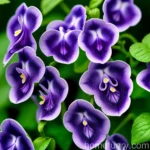
Viola sempervirens, a member of the Violaceae family, is native to North America, where it can be found in woodlands, meadows, and along streams. This charming perennial is characterized by its heart-shaped, glossy, evergreen leaves and delicate, five-petaled flowers that bloom in a range of colors including shades of blue, violet, and white. Its compact growth habit makes it an ideal ground cover, and its adaptability allows it to thrive in both sun and shade.

Key Takeaways
Viola sempervirens, also known as Evergreen Violet, offers a range of key characteristics and benefits that make it a valuable addition to any garden or landscape. Some of the key takeaways include:
- Evergreen nature of foliage
- Delicate and colorful flowers
- Low maintenance requirements
- Adaptable to various light conditions
- Suitable for use as ground cover
- Attractive to pollinators
- Versatile in landscaping applications
Now, let’s explore the different facets of Viola sempervirens in detail.
Culture
Uses
Viola sempervirens serves various purposes in the garden and landscape. Some of its common uses include:
- Ground cover: Its low-growing, spreading habit makes it an excellent choice for filling in gaps and covering bare ground in gardens and landscapes.
- Borders and edging: The charming foliage and flowers of Viola sempervirens make it an attractive choice for defining borders or edging pathways.
- Potted plant: Its adaptability to container gardening makes it a versatile plant for adding color and texture to outdoor spaces.
- Pollinator garden: The flowers of Viola sempervirens attract a range of pollinators, making it a valuable addition to pollinator-friendly gardens.
Water
Viola sempervirens has moderate water needs and thrives in consistently moist soil. However, it is important to avoid overwatering, as soggy conditions can lead to root rot. When establishing Viola sempervirens in the garden, regular watering is essential to promote healthy growth and flowering.
Sunlight
One of the appealing aspects of Viola sempervirens is its versatility in terms of light requirements. While it performs well in partial shade to full shade, it can also tolerate some gentle morning sunlight. This flexibility makes it an ideal choice for areas with varying light conditions, including shaded gardens and woodland settings.
Fertilizer
Viola sempervirens generally has low fertilizer requirements. A balanced, slow-release fertilizer applied in the spring can support healthy growth and flowering. It is important to follow the recommended application rates to prevent over-fertilization, which can lead to excessive foliage at the expense of flowers.
Soil
The ideal soil for Viola sempervirens is well-drained and rich in organic matter. It thrives in slightly acidic to neutral soil pH levels. Amending the soil with organic compost or peat moss can improve its texture and fertility, creating an optimal growing environment for this delightful perennial.
Pruning
Pruning Viola sempervirens is relatively low maintenance, as it does not require extensive pruning. However, removing faded flowers and trimming back any overly vigorous growth can encourage a tidy and compact appearance. Additionally, pruning away any damaged or diseased foliage promotes overall plant health.
Propagation
Viola sempervirens can be propagated through various methods, including division, cuttings, and seed sowing. Here are some basic guidelines for propagation:
- Division: Divide mature clumps in the spring or fall, ensuring that each division has sufficient roots and foliage.
- Cuttings: Take stem cuttings in the summer and root them in a suitable propagation medium.
- Seed sowing: Collect seeds from mature plants and sow them in a well-prepared seed-starting mix, keeping the soil consistently moist until germination occurs.
Container Popularity
As a compact and adaptable plant, Viola sempervirens is well-suited for container gardening. Its low-growing habit and attractive foliage and flowers make it an excellent choice for adding visual interest to outdoor containers, such as pots, planters, and hanging baskets.
Common Diseases
Disease Diagnosis
While Viola sempervirens is generally resilient, it can be susceptible to certain diseases under unfavorable growing conditions. Common diseases that may affect Viola sempervirens include:
- Powdery mildew: characterized by a powdery white coating on foliage
- Root rot: caused by excessively wet soil conditions
- Botrytis blight: leads to gray mold on foliage and flowers
Disease Prevention
To prevent disease problems, it is important to provide optimal growing conditions for Viola sempervirens, including proper watering, adequate air circulation, and good sanitation practices. Choosing disease-resistant varieties and avoiding overhead watering can also help minimize the risk of disease.
Common Pests
Viola sempervirens is relatively resistant to pest infestations but may occasionally be targeted by certain pests such as:
- Aphids: small, sap-sucking insects that can distort new growth and transmit viral diseases
- Slugs and snails: can cause damage to foliage and flowers, particularly in moist conditions
- Spider mites: tiny pests that may cause stippling and webbing on the undersides of leaves
Pest Control
Control measures for pests include manual removal, the use of insecticidal soaps or horticultural oils, and creating a less hospitable environment for pests by maintaining proper plant hygiene and reducing excess moisture.
Botanist’s Tips
To ensure the successful cultivation of Viola sempervirens and the enjoyment of its charming attributes, consider the following tips from botanists and gardening experts:
- Provide well-drained soil enriched with organic matter to promote healthy root growth.
- Monitor moisture levels regularly to prevent both drought stress and waterlogging.
- Regularly deadhead faded flowers to encourage continuous blooming.
- Incorporate Viola sempervirens in shade gardens, woodland settings, or as part of a pollinator-friendly landscape.
- Inspect plants regularly for signs of pests and diseases, addressing any issues promptly.
Fun Facts
- In addition to its ornamental value, Viola sempervirens has been used in traditional herbal medicine for its purported medicinal properties, including as a treatment for coughs and sore throats.
- The flowers of Viola sempervirens are not only attractive to humans but also serve as a valuable food source for a variety of pollinators, including bees, butterflies, and hummingbirds.
Links to External Resources
For more information on Viola sempervirens, its cultivation, and uses, explore the following resources:
- The American Horticultural Society: Gardening with Native Plants
- University Extension Services: Perennial Gardening Guides
By understanding the culture, maintenance, and uses of Viola sempervirens, you can appreciate its versatile nature and the many benefits it offers to gardeners, landscapers, and nature enthusiasts. Whether you are seeking a vibrant ground cover, an attractive addition to shaded areas, or a pollinator-friendly plant, Viola sempervirens is a plant worthy of consideration in your outdoor spaces.
Remember to consider the specific needs of Viola sempervirens, including its water and sunlight requirements, to ensure its successful cultivation and long-term health. With proper care and attention, this charming perennial can grace your garden with its evergreen foliage and delicate blooms, adding natural beauty and ecological value to your landscape.
With its captivating features and adaptability, Viola sempervirens continues to be a beloved plant, enriching outdoor spaces with its enduring charm and visual appeal.
Happy gardening!