Plant Scientist’s Guide to Viburnum carlesii (Koreanspice Viburnum)
Viburnum carlesii, commonly known as Koreanspice Viburnum, is a popular deciduous shrub celebrated for its intoxicating fragrance and beautiful spring blooms. This plant belongs to the Adoxaceae family and is native to Korea, Japan, and China. In this comprehensive guide, we will delve into the cultivation, care, propagation, common diseases, pests, and other essential aspects of this delightful species.
What is Viburnum carlesii?
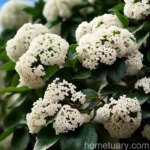
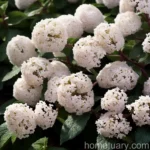
Viburnum carlesii, also known as Koreanspice Viburnum, is a deciduous shrub that typically grows to a height of 4 to 8 feet and a spread of 5 to 7 feet. This species is valued for its dense, rounded form and intensely fragrant flowers. The leaves are dark green and turn attractive shades of reddish-purple in the fall. Furthermore, Koreanspice Viburnum produces clusters of small, tubular, waxy blooms that emit a sweet, spicy aroma, making it a beloved addition to gardens and landscapes.
Key Takeaways – Viburnum carlesii (Koreanspice Viburnum)
Viburnum carlesii is a captivating species that has much to offer to both novice and seasoned gardeners. Here are some key takeaways to keep in mind:
- Scientific Name: Viburnum carlesii
- Common Name: Koreanspice Viburnum
- Family: Adoxaceae
- Native to: Korea, Japan, China
- Growth: 4 to 8 feet in height and 5 to 7 feet in spread
- Distinctive Features: Fragrant flowers, dark green foliage, and reddish-purple fall color
- Uses: Ornamental, hedges, and wildlife habitats
- Notable Trait: Intense, spicy fragrance of the flowers
Now, let’s explore the various aspects of cultivating and caring for this enchanting shrub.
Cultivation of Viburnum carlesii
Cultivating Viburnum carlesii requires an understanding of its specific requirements, including water, sunlight, soil, and fertilizer needs. Let’s explore each of these aspects in detail.
Water
Proper watering is essential for the health and vitality of Viburnum carlesii. During the first year of growth, it is crucial to ensure an adequate water supply, especially during dry spells. Once established, Koreanspice Viburnum is moderately drought-tolerant but will benefit from regular watering, particularly in prolonged periods of drought.
Sunlight
Viburnum carlesii thrives in full sun to partial shade, making it a versatile choice for various garden settings. However, to encourage the best flowering and foliage color, providing it with full sun for at least six hours a day is recommended.
Fertilizer
For optimal growth and blooming, Koreanspice Viburnum can benefit from a balanced, slow-release fertilizer in early spring. A granular fertilizer formulated for flowering shrubs can provide the necessary nutrients for healthy development and profuse blooms. Be sure to follow the manufacturer’s instructions for application rates and methods.
Soil
This species prefers moist, well-draining soil with a slightly acidic to neutral pH. Amending the soil with organic matter such as compost or peat moss can improve its structure and moisture retention capabilities.
Pruning Viburnum carlesii
Pruning is an essential aspect of Viburnum carlesii care, as it helps maintain a pleasing shape, remove dead or damaged growth, and promote vigorous flowering. Pruning can be done after the shrub has finished blooming, typically during late spring or early summer.
Pruning Techniques
When pruning Koreanspice Viburnum, focus on removing dead, diseased, or crossing branches to improve airflow and light penetration within the shrub. Additionally, light shaping can be performed to maintain a neat and compact form.
Pruning Schedule
Pruning Viburnum carlesii immediately after flowering allows the plant to set buds for the following year’s blooms. This timing ensures that the next season’s flowers are not inadvertently removed during the pruning process.
Propagation of Viburnum carlesii
Viburnum carlesii can be propagated through various methods, including seeds, cuttings, and layering. Each technique has its advantages and challenges, allowing gardeners to choose the most suitable method based on their skills and resources.
Seed Propagation
Propagating Viburnum carlesii from seeds can be a rewarding but time-consuming process. Collect mature berries in the fall, remove the pulp, and plant the seeds in a prepared seedbed. The germination process may take several months, and the resulting seedlings will require careful nurturing before being transplanted to their permanent locations.
Stem Cuttings
Taking semi-hardwood cuttings in late spring or early summer provides a reliable method of propagating Viburnum carlesii. By selecting healthy, non-flowering shoots and preparing them for rooting, gardeners can create new plants with the same characteristics as the parent shrub.
Layering
Air layering is another effective technique for propagating Koreanspice Viburnum. This method involves encouraging the growth of roots on a stem that is still attached to the parent plant. Once the roots have developed, the new plant can be separated and transplanted.
Viburnum carlesii in Containers
Viburnum carlesii can also thrive in containers, offering a versatile option for gardeners with limited space or those looking to create attractive patio displays. When planting Koreanspice Viburnum in containers, the following considerations are key to success.
Container Selection
Choose a large, sturdy container with ample drainage holes to accommodate the shrub’s roots and provide adequate aeration and moisture control.
Soil Mix
Use a high-quality, well-draining potting mix suitable for woody shrubs. A mix formulated for acid-loving plants can help maintain the ideal soil pH for Viburnum carlesii.
Watering
Container-grown Koreanspice Viburnum may require more frequent watering, especially during hot, dry periods. Monitor the soil moisture regularly and adjust the watering frequency as needed.
Sunlight
Position the container in a location that receives at least six hours of sunlight per day to ensure healthy growth and abundant flowering.
Popularity of Viburnum carlesii
Viburnum carlesii, with its captivating fragrance and exquisite blooms, has become a popular choice for gardens and landscapes worldwide. Its appeal stems from various enchanting features, including its wildlife-attracting nature, ornamental value, and adaptability to diverse growing conditions.
Landscape Use
Koreanspice Viburnum is commonly used as a specimen plant, in mixed borders, and as a fragrant addition to foundation plantings. Its compact form and multi-season interest make it a versatile and attractive addition to various landscape designs.
Wildlife Attraction
The flowers of Viburnum carlesii are highly attractive to bees, butterflies, and other beneficial pollinators, contributing to the biodiversity and ecological balance of the garden and surrounding areas.
Fragrance and Flowering
The intense, spicy fragrance of the flowers, coupled with their beautiful clusters of white to pink blooms in spring, contributes to the widespread appeal of this species.
Common Diseases of Viburnum carlesii
Despite its overall hardiness, Viburnum carlesii may be susceptible to certain diseases that can impact its health and appearance. Recognizing and addressing these issues promptly is essential for maintaining the vigor and beauty of the shrub.
Disease Diagnosis
Common diseases that may affect Viburnum carlesii include powdery mildew, leaf spot, and canker diseases. Monitoring the foliage for signs of discoloration, wilting, or unusual growth can aid in early detection and treatment.
Disease Management
Cultural practices such as adequate spacing between plants, proper watering, and sanitation can help minimize the risk of disease. Additionally, applying fungicidal treatments when necessary can control and prevent the spread of certain fungal infections.
Common Pests Affecting Viburnum carlesii
Pest infestations can also pose a threat to the health and aesthetics of Viburnum carlesii. being aware of the potential pests and implementing appropriate management strategies is crucial for safeguarding the shrub against damage.
Common Pests
Aphids, scale insects, and viburnum leaf beetles are among the pests that may target Koreanspice Viburnum. These pests can cause various issues, including distorted growth, leaf discoloration, and reduced flowering.
Pest Control
Encouraging natural predators such as ladybugs and lacewings can help keep pest populations in check. Furthermore, targeted applications of insecticidal soaps or horticultural oils can effectively manage pest infestations while minimizing harm to beneficial organisms.
Botanist’s Tips for Vibrant Viburnum carlesii
Here are some expert tips to help you cultivate and care for Viburnum carlesii successfully:
- Selecting Varieties: Consider choosing specific cultivars of Koreanspice Viburnum that offer unique attributes, such as compact size, enhanced fragrance, or extended blooming periods.
- Companion Planting: Pair Viburnum carlesii with other spring-blooming shrubs and perennials to create captivating displays and provide season-long interest in the garden.
- Wildlife Benefits: Embrace the role of Viburnum carlesii as a valuable wildlife habitat by integrating it into wildlife-friendly landscapes and pollinator gardens.
- Design Considerations: Explore the use of Viburnum carlesii in landscape designs to create focal points, define borders, and introduce captivating scents to outdoor spaces.
Fun Facts about Viburnum carlesii
Discover some intriguing and delightful facts about Viburnum carlesii that add to the charm and allure of this captivating species:
- The fragrance of Koreanspice Viburnum is often described as reminiscent of cloves, adding a delightful sensory element to gardens and landscapes.
- Viburnum carlesii is renowned for its ability to attract a wide range of pollinators, contributing to the ecological balance and biodiversity of outdoor spaces.
- The foliage of Koreanspice Viburnum transitions through a spectrum of striking colors in the fall, ranging from shades of red and purple to vibrant oranges and yellows.
By understanding and appreciating these fascinating aspects of Viburnum carlesii, you can cultivate a deeper connection with this enchanting shrub and elevate your gardening experience.
Links to External Resources
For further information and resources on Viburnum carlesii, consider exploring the following links:
- Viburnum carlesii: Plant Profile and Care Guide
- Growing Viburnum carlesii in the Home Garden
- Tips for Pruning Viburnum carlesii
The information provided in these resources can complement the insights shared in this guide, offering diverse perspectives and specialized knowledge to support your journey with Koreanspice Viburnum.
In conclusion, Viburnum carlesii, or Koreanspice Viburnum, is an enchanting and versatile shrub that holds immense potential for enhancing gardens, landscapes, and outdoor spaces. By embracing its distinctive qualities and learning about its specific care needs, you can cultivate a thriving and fragrant addition to your botanical collection.
It is my hope that this comprehensive guide empowers you with the knowledge and inspiration to embark on a rewarding journey with Viburnum carlesii, creating vibrant and captivating outdoor environments that delight both you and the natural world.
Happy gardening!
The content of this blog post has been carefully curated by a seasoned plant scientist with a passion for sharing valuable insights and expertise with fellow gardening enthusiasts.