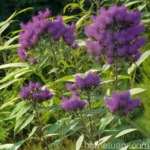
Vernonia baldwinii (Western Ironweed): A Comprehensive Guide
Vernonia baldwinii, commonly known as Western Ironweed, is a stunning perennial plant native to North America. This tall and robust plant is a favorite among gardening enthusiasts for its attractive clusters of vibrant purple flowers and its ability to attract pollinators such as butterflies and bees.
In this comprehensive guide, we will delve into the characteristics, cultivation, landscape uses, and ecological importance of Vernonia baldwinii. Whether you are a seasoned gardener or a beginner looking to enhance your green thumb, this guide will provide you with valuable insights into the care and cultivation of this remarkable plant.
Key Takeaways
- Vernonia baldwinii (Western Ironweed)
- Scientific Name: Vernonia baldwinii
- Common Name: Western Ironweed
- Family: Asteraceae
- Native Habitat: North America
- Flower Color: Vibrant purple
- Growth Habit: Tall and robust
- Water Requirements: Moderate
- Sunlight: Full sun to partial shade
- Soil Type: Well-drained
- Uses: Ornamental, wildlife habitat, pollinator plant
- Drought Tolerance: Moderate to high
With these key takeaways in mind, let’s explore the various aspects of cultivating and caring for Vernonia baldwinii in greater detail.
Vernonia baldwinii Information
Vernonia baldwinii Characteristics
Vernonia baldwinii, also known as Western Ironweed, is a herbaceous perennial plant belonging to the Asteraceae family. This striking plant is characterized by its upright growth habit, reaching heights of 3 to 6 feet. The leaves are lance-shaped, and the plant produces dense clusters of vibrant purple flowers, making it a standout feature in any garden or landscape.
Western Ironweed Growing Tips
When it comes to growing Western Ironweed, there are several key considerations to keep in mind. Here are some essential tips for successful cultivation:
-
Water: While Vernonia baldwinii is tolerant of moderate drought, it thrives when provided with regular moisture. It is essential to ensure that the plant’s water requirements are met, particularly during hot and dry periods.
-
Sunlight: Western Ironweed performs best in full sun to partial shade. When selecting a planting location, prioritize areas that receive ample sunlight for optimal growth and flowering.
-
Soil: Well-drained soil is crucial for the health of Vernonia baldwinii. Avoid waterlogged or compacted soils, as they can lead to root rot and other issues.
Vernonia baldwinii Care Guide
Taking care of Vernonia baldwinii involves providing the plant with the right environmental conditions and occasional maintenance. Here are some care guidelines to follow:
-
Fertilizer: While Western Ironweed is relatively low-maintenance, it can benefit from a light application of balanced fertilizer in the spring to support healthy growth and flowering.
-
Pruning: Pruning can help maintain the plant’s shape and encourage a bushier growth habit. Remove any spent flowers to promote continuous blooming and a tidy appearance.
Western Ironweed Native Habitat
Vernonia baldwinii is native to various regions of North America, including parts of the United States and Canada. This plant can be found in prairies, open woodlands, and along stream banks, showcasing its adaptability to diverse habitats.
Vernonia baldwinii Cultivation
Cultivating Western Ironweed in a garden or landscape setting allows for the enjoyment of its striking blooms and the benefits it offers to local wildlife. Here are some key considerations for cultivating Vernonia baldwinii:
-
Planting Guide: When planting Western Ironweed, ensure that it is placed in a location with well-drained soil and adequate sunlight. Dig a hole slightly larger than the plant’s root ball and backfill with soil, gently tamping it down to remove air pockets.
-
Propagation Methods: Western Ironweed can be propagated from seeds or by division. Seeds can be sown directly in the garden, while division allows for the creation of new plants from established ones.
Western Ironweed Landscape Uses
Vernonia baldwinii Ornamental Plant
One of the primary appeals of Western Ironweed is its ornamental value. The vibrant purple flowers and tall, upright growth habit make it an excellent choice for adding visual interest to landscapes, gardens, and naturalized areas.
Western Ironweed Ecological Importance
Another significant aspect of Western Ironweed is its ecological importance. This plant serves as a valuable resource for pollinators and wildlife, attracting bees, butterflies, and other beneficial insects. By including Vernonia baldwinii in garden designs, individuals can contribute to the preservation of local ecosystems and support biodiversity.
Vernonia baldwinii Uses
Vernonia baldwinii Medicinal Properties
In addition to its ornamental and ecological value, Western Ironweed has been recognized for its potential medicinal properties in traditional herbal practices. While further research is needed to fully understand its medicinal uses, some historical accounts suggest its effectiveness in addressing certain health concerns.
Western Ironweed Garden Plant
As a garden plant, Vernonia baldwinii brings both beauty and utility. Its striking appearance adds visual appeal to garden spaces, while its ability to attract pollinators contributes to the overall health and balance of the garden ecosystem.
Western Ironweed Common Diseases
While Vernonia baldwinii is a relatively resilient plant, it can be susceptible to certain diseases and issues that may impact its health and appearance. Understanding these potential challenges is vital for maintaining the plant’s vitality.
Disease Diagnosis
Several common diseases and issues may affect Western Ironweed. These can include fungal infections, rust, and powdery mildew. It is essential to monitor the plant for any signs of disease and take appropriate action if issues arise.
Western Ironweed Pest Control
In addition to diseases, Western Ironweed may also face challenges from pests such as aphids, caterpillars, and beetles. Implementing integrated pest management practices can help mitigate pest pressures and safeguard the plant’s well-being.
Botanist’s Tips
For those looking to cultivate Vernonia baldwinii successfully, here are some additional tips from a botanist’s perspective:
-
Companion Plants: Pairing Western Ironweed with companion plants such as other native perennials and grasses can enhance the overall aesthetic and ecological value of garden designs.
-
Soil Amendments: Amending the soil with organic matter can improve its structure and fertility, providing a favorable environment for Western Ironweed to thrive.
Fun Facts
To deepen your appreciation for Vernonia baldwinii, consider these fascinating fun facts:
-
Western Ironweed is a magnet for pollinators, making it a valuable addition to pollinator gardens and wildlife habitats.
-
The vibrant purple flowers of Western Ironweed can add a splash of color to late summer and early fall landscapes, creating a visually striking display.
-
In addition to its ornamental value, Western Ironweed has a rich cultural history and has been used for various practical and traditional purposes.
Conclusion
In conclusion, Vernonia baldwinii, or Western Ironweed, is a captivating plant with a multitude of appealing qualities. From its striking appearance and ecological significance to its potential uses in garden designs and landscapes, it offers a range of benefits to both gardeners and the surrounding environment.
By understanding the key aspects of Vernonia baldwinii, including its cultivation, care, and ecological importance, individuals can unlock the full potential of this remarkable plant. Whether incorporated into native plant gardens, naturalized areas, or traditional landscapes, Western Ironweed can make a lasting impression with its vibrant blooms and ecological contributions.
We hope this comprehensive guide has provided you with valuable insights and inspiration for incorporating Vernonia baldwinii into your gardening endeavors and landscape designs.
For additional information and resources on Vernonia baldwinii, we encourage you to explore the following external links:
- North American Native Plant Society – Vernonia baldwinii
- United States Department of Agriculture – Plant Profile: Vernonia baldwinii
- Lady Bird Johnson Wildflower Center – Vernonia baldwinii
- The Xerces Society for Invertebrate Conservation – Pollinator Conservation Resource Center
With the right knowledge and appreciation for this remarkable plant, you can embark on a rewarding journey of cultivating and experiencing the beauty of Vernonia baldwinii in your own outdoor spaces.
We hope you enjoyed this in-depth exploration of Vernonia baldwinii and that it inspires you to further connect with the natural world through gardening and conservation efforts.
Happy gardening!
Note: The information provided in this guide is intended for informational purposes only. It is always recommended to consult local gardening resources and experts for specific guidance tailored to your region and gardening conditions.