Zinnia Tenuifolia (Red Spider Zinnia)
Zinnia tenuifolia, commonly known as Red Spider Zinnia, is a stunning flowering plant that belongs to the sunflower family (Asteraceae). Its vibrant.
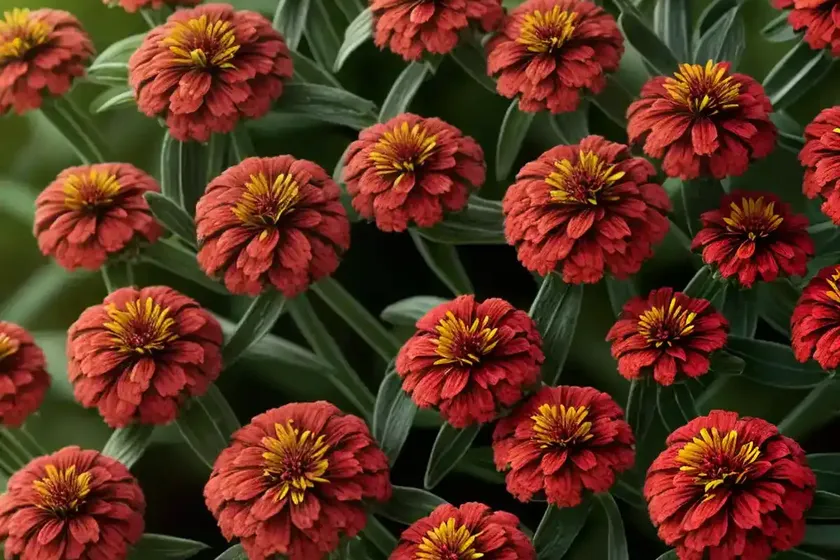
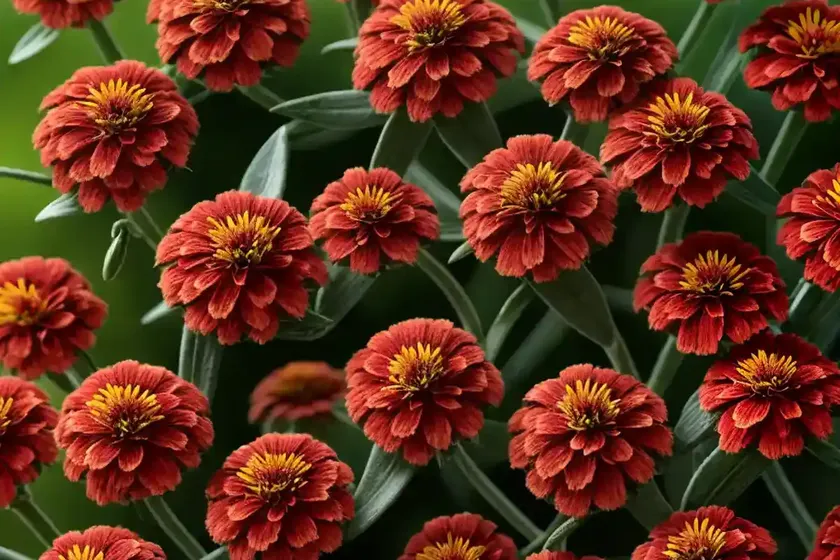
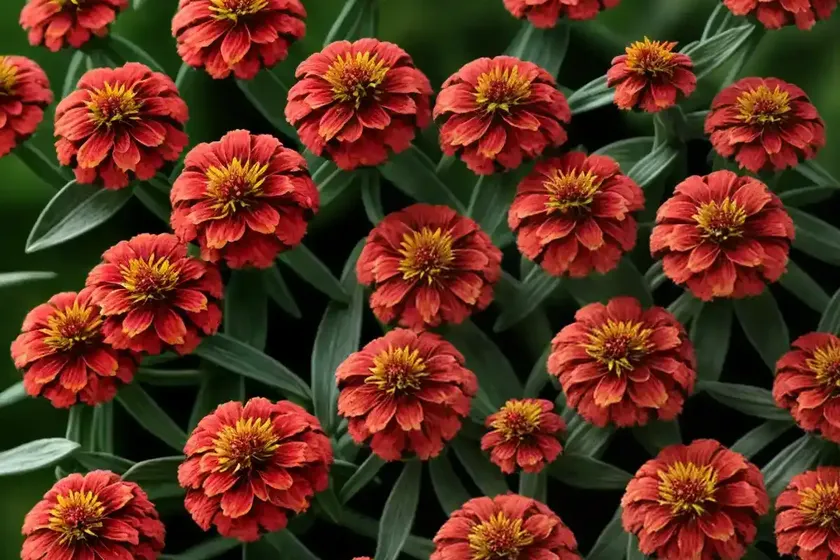
Zinnia tenuifolia, commonly known as Red Spider Zinnia, is a stunning flowering plant that belongs to the sunflower family (Asteraceae). Its vibrant blooms, unique foliage, and low maintenance requirements make it a popular choice among gardeners and floral enthusiasts. In this comprehensive guide, we will explore the key aspects of Zinnia tenuifolia, including its cultivation, care, uses, and much more.
What is Zinnia tenuifolia (Red Spider Zinnia)?
Zinnia tenuifolia is a species of flowering plant native to Mexico. It is characterized by its fiery red to orange flowers that resemble the delicate legs of a spider, hence the common name “Red Spider Zinnia.” The plant typically grows to a height of 12 to 18 inches and produces an abundance of small, daisy-like flowers that add a delightful pop of color to gardens, landscapes, and floral arrangements.
The distinctive appearance of Zinnia tenuifolia, coupled with its resilience and adaptability, has contributed to its popularity as an ornamental plant. Whether grown in traditional garden beds, containers, or used for cut flower production, this species has much to offer in terms of visual appeal and versatility.
Key Takeaways – Zinnia tenuifolia (Red Spider Zinnia)
Before delving into the specifics of cultivating and caring for Zinnia tenuifolia, let’s outline some key takeaways that capture the essence of this remarkable plant:
-
Zinnia tenuifolia Varieties: While the primary focus of this guide is on the Red Spider Zinnia, it’s important to note that there are several other Zinnia species and cultivars available, each with its own unique characteristics and growing requirements.
-
Red Spider Zinnia Care: Providing the appropriate growing conditions, including soil, water, and sunlight, is crucial for the health and vitality of Red Spider Zinnia plants.
-
Zinnia tenuifolia Cultivation Tips: Understanding the optimal cultivation practices, propagation methods, and maintenance routines is essential for successful Red Spider Zinnia cultivation.
-
How to Grow Red Spider Zinnia: By following the recommended guidelines for planting, care, and pest control, enthusiasts can enjoy the beauty of Red Spider Zinnia in their own gardens.
With these key points in mind, we will now delve into the specific aspects of cultivating, caring for, and enjoying the unique attributes of Zinnia tenuifolia.
Culture
Uses
Zinnia tenuifolia serves various practical and aesthetic purposes, making it a valuable addition to gardens, landscapes, and floral arrangements. Here are some common uses of this striking plant:
-
Garden Ornament: The vibrant colors and intricate form of Red Spider Zinnia make it a popular choice for adding visual interest to garden beds, borders, and mixed plantings.
-
Cut Flowers: Due to its long-lasting blooms and sturdy stems, Red Spider Zinnia is frequently utilized in floral designs, bouquets, and flower arrangements, adding a touch of exotic elegance.
-
Wildlife Attraction: The nectar-rich flowers of Zinnia tenuifolia are known to attract butterflies, bees, and other beneficial pollinators, contributing to the ecological diversity of the surrounding area.
-
Medicinal and Symbolic Uses: While primarily an ornamental plant, Zinnia tenuifolia has historical and cultural significance, with anecdotal references to its potential medicinal properties and symbolic associations.
Water
Water Needs
Ensuring proper watering practices is vital for the health and vitality of Red Spider Zinnia plants. The water needs of Zinnia tenuifolia can be summarized as follows:
-
Moderate Watering: Red Spider Zinnia thrives in well-drained soil and requires regular, moderate watering to maintain evenly moist conditions, particularly during periods of active growth and flowering.
-
Avoid Overwatering: While consistent moisture is essential, overwatering should be avoided, as it can lead to root rot and other moisture-related issues. A balance between moisture retention and adequate drainage is critical.
To determine the specific watering schedule for Red Spider Zinnia, it’s advisable to monitor the soil moisture levels and adjust the frequency and volume of watering based on environmental conditions and plant health.
Sunlight
Sun Exposure
As a sun-loving plant, Zinnia tenuifolia thrives in bright, direct sunlight and requires adequate exposure to support healthy growth and prolific flowering. Here are key considerations regarding sun exposure for Red Spider Zinnia:
-
Full Sun Requirements: Red Spider Zinnia flourishes in full sun, receiving a minimum of 6 to 8 hours of direct sunlight per day. Insufficient sunlight can result in leggy growth and reduced flowering.
-
Optimal Light Conditions: Providing ample sunlight not only promotes robust foliage and vibrant blooms but also contributes to the overall resilience and disease resistance of Red Spider Zinnia plants.
When selecting a planting site or positioning containers for Red Spider Zinnia, it’s essential to prioritize locations that offer abundant sunlight throughout the day to maximize the plant’s potential.
Fertilizer
Soil Requirements
The soil composition and fertility play a crucial role in the growth and performance of Red Spider Zinnia plants. Understanding the soil requirements and appropriate fertilization is essential for promoting healthy and vigorous growth. Here’s what you need to know about Zinnia tenuifolia’s soil preferences:
-
Well-Drained Soil: Red Spider Zinnia thrives in well-drained, loamy or sandy soils that provide good aeration and root development. Heavy or compacted soils should be amended to enhance drainage.
-
Nutrient-Rich Soil: While Red Spider Zinnia is adaptable to various soil types, it flourishes in fertile soil that is supplemented with organic matter and balanced nutrients. Incorporating compost or aged manure can improve soil structure and fertility.
Fertilization should be approached with moderation, as excessive application of nitrogen-rich fertilizers can lead to excessive foliage growth at the expense of flower production.
Pruning
Pruning Techniques
Pruning plays a significant role in shaping the growth and appearance of Red Spider Zinnia, as well as promoting continuous flowering and overall plant health. Here are some key points to consider when pruning Zinnia tenuifolia:
-
Deadheading Spent Blooms: Regular deadheading, which involves removing faded or spent flowers, encourages the production of new blooms and prolongs the flowering period of Red Spider Zinnia.
-
Trimming for Shape: Light pruning and shaping can be performed as needed to maintain a compact, tidy form and prevent the plant from becoming leggy or unkempt.
By incorporating proper pruning techniques into the care routine, enthusiasts can optimize the aesthetic appeal and floral abundance of Red Spider Zinnia.
Propagation
Propagation Methods
For those interested in propagating Red Spider Zinnia to expand their plant collection or share its beauty with others, several methods can be employed to propagate Zinnia tenuifolia successfully. Here’s an overview of propagation methods for Red Spider Zinnia:
-
Seed Propagation: Red Spider Zinnia can be easily propagated from seeds, which can be collected from mature flower heads and sown directly in the desired growing area or containers. Lightly covering the seeds with soil and maintaining adequate moisture levels supports successful germination.
-
Division: Established Red Spider Zinnia plants can be divided by carefully separating the root clumps into sections and transplanting them to new locations or containers, ensuring that each division retains sufficient roots and shoots for successful establishment.
Propagation provides a rewarding opportunity to cultivate new Red Spider Zinnia plants and share their beauty with fellow gardening enthusiasts.
Container Popularity
Container Gardening with Red Spider Zinnia
The compact size, vibrant colors, and adaptability of Red Spider Zinnia make it well-suited for container gardening, offering endless possibilities for adding a touch of charm to balconies, patios, and outdoor living spaces. Consider the following aspects when cultivating Red Spider Zinnia in containers:
-
Container Selection: Opt for appropriately sized containers with adequate drainage holes to accommodate the root system and promote healthy growth. The use of colorful pots or hanging baskets can enhance the visual appeal of Red Spider Zinnia displays.
-
Growing Medium: Select a well-draining, nutrient-rich potting mix to provide the ideal growing medium for Red Spider Zinnia. Amending the mix with perlite or coarse sand can improve drainage and aeration.
-
Placement and Care: Position the containers in locations that receive full sun, and monitor the moisture levels regularly to ensure consistent but not excessive watering. Fertilize the plants periodically to support their nutritional needs.
By embracing the potential of container gardening, gardeners can enjoy the beauty of Red Spider Zinnia in various outdoor settings, combining practicality with aesthetic allure.
Common Diseases
Disease Prevention and Management
While Red Spider Zinnia is a relatively resilient plant, it can be susceptible to certain diseases and issues that may compromise its health and appearance. Proactive measures and attentive care can help prevent and manage common diseases affecting Zinnia tenuifolia, including:
-
Powdery Mildew: This fungal disease can manifest as a powdery white coating on the foliage, leading to stunted growth and reduced vigor. To prevent powdery mildew, maintain good air circulation, avoid overhead watering, and consider fungicidal treatments if necessary.
-
Leaf Spot: Fungal pathogens may cause circular or irregular spots on the leaves, potentially leading to defoliation and weakened plants. Providing proper spacing, avoiding overhead watering, and applying appropriate fungicides can aid in controlling leaf spot.
-
Root Rot: Overly wet soils can create favorable conditions for root rot pathogens, resulting in wilting, yellowing, or decay of the root system. Implementing well-drained soil, adjusting watering practices, and ensuring proper soil aeration are essential preventative measures.
By adopting a proactive approach to disease prevention and promptly addressing any signs of distress, gardeners can safeguard the health and vitality of Red Spider Zinnia plants.
Common Pests
Pest Control
In addition to diseases, Red Spider Zinnia may encounter various pests that can impact its growth and overall well-being. Understanding effective pest control strategies is essential for preserving the pristine appearance and resilience of Zinnia tenuifolia. Some common pests of Red Spider Zinnia include:
-
Aphids: These small, soft-bodied insects can congregate on the foliage and flower buds, extracting plant juices and causing distortion or yellowing of the affected areas. Regular monitoring and interventions such as insecticidal soaps or horticultural oils can help manage aphid infestations.
-
Spider Mites: These tiny arachnids can inflict damage by piercing plant tissues and sucking sap, leading to stippling, webbing, and general decline of the plant. Regularly spraying the plants with a strong jet of water and utilizing acaricides can aid in controlling spider mite populations.
By staying vigilant and promptly addressing pest issues, gardeners can minimize the impact of pests on Red Spider Zinnia and protect the plant’s overall health.
Botanist’s Tips
Expert Insights on Red Spider Zinnia
To enhance the understanding and appreciation of Red Spider Zinnia, it’s valuable to incorporate expert insights and tips from botanists and horticulturalists. Here are some expert recommendations and insights regarding the cultivation and care of Zinnia tenuifolia:
-
Companion Planting: Consider combining Red Spider Zinnia with companion plants such as Salvia, Echinacea, or Coreopsis to create harmonious color schemes and attract beneficial insects to the garden.
-
Soil Preparation: Prior to planting, prepare the soil by incorporating organic matter and ensuring adequate fertility, as this sets the stage for healthy root development and robust growth of Red Spider Zinnia.
-
Integrated Pest Management: Embrace holistic approaches to pest management, valuing natural predators, cultural controls, and targeted interventions to maintain a balanced ecosystem and minimize reliance on chemical treatments.
By integrating these botanist’s tips into the cultivation and care of Red Spider Zinnia, enthusiasts can elevate their gardening practices and achieve exceptional results with this captivating plant.
Fun Facts
Intriguing Tidbits About Red Spider Zinnia
To further appreciate the allure and uniqueness of Red Spider Zinnia, let’s explore some fascinating and lesser-known facts about this captivating plant:
-
Native Habitat: Zinnia tenuifolia is indigenous to Mexico and flourishes in arid to semi-arid regions, showcasing its adaptability to drought conditions and well-drained, sandy soils.
-
Medicinal and Folklore References: While primarily cultivated for ornamental purposes, Red Spider Zinnia has historical associations with herbal remedies and symbolic meanings, fascinatingly connecting practical and cultural dimensions.
-
Wildlife Support: Beyond its visual appeal, Red Spider Zinnia contributes to supporting wildlife such as pollinators, including bees and butterflies, enriching the ecological landscape.
These fun facts underscore the multifaceted appeal and significance of Red Spider Zinnia, enriching the experience of cultivating and enjoying this exceptional plant.
Links to External Resources
For those seeking additional information, inspiration, or resources related to Red Spider Zinnia and plant cultivation in general, the following links offer valuable insights and perspectives:
- Royal Horticultural Society – Zinnia tenuifolia
- University of Florida IFAS Extension – Zinnias for the Garden
- The Spruce – How to Grow Zinnias
- Missouri Botanical Garden – Zinnia tenuifolia
- North Carolina State University Extension – Insect Pests of Zinnia
These reputable resources offer a wealth of knowledge, cultural insights, and practical guidance, enriching the understanding and appreciation of Red Spider Zinnia and its role in the horticultural world.
In conclusion, Zinnia tenuifolia, or Red Spider Zinnia, captivates with its vibrant blooms, remarkable adaptability, and multifaceted contributions to gardens and landscapes. By understanding the optimal growing conditions, best practices for care and maintenance, and the diverse uses and associations of this charming plant, enthusiasts can derive immense joy and fulfillment from cultivating Red Spider Zinnia. Whether grown in traditional garden beds, showcased in containers, or incorporated into floral designs, this species continues to enchant and inspire, enriching the horticultural tapestry and connecting individuals with the beauty of nature. With a blend of practical knowledge, creative exploration, and a deep appreciation for its intrinsic value, Zinnia tenuifolia truly stands as a testament to the enchanting allure of the botanical realm.