Vernonia gigantea (Giant Ironweed): A Comprehensive Plant Profile
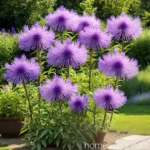
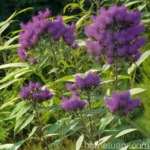
Vernonia gigantea, commonly known as Giant Ironweed, is a stunning perennial plant that belongs to the Asteraceae family. Native to the southeastern United States, this plant is renowned for its vibrant flowers and impressive height, making it an attractive addition to gardens and landscapes.
In this blog post, we will delve into the various aspects of Vernonia gigantea, including its cultivation, care requirements, benefits, uses, and much more.
Key Takeaways:
Before we delve deeper into the specifics of Vernonia gigantea, let’s take a quick look at some essential key takeaways associated with this remarkable plant:
– Vernonia gigantea, also known as Giant Ironweed, is a perennial plant that belongs to the Asteraceae family.
– It is native to the southeastern United States and is admired for its striking purple flowers and impressive height.
– The plant is an excellent choice for attracting pollinators, such as butterflies and bees, making it a valuable addition to wildlife gardens.
– Vernonia gigantea thrives in full sun or partial shade and has moderate water requirements. It is also known for its high drought tolerance, making it suitable for xeriscaping.
– Cultivating Vernonia gigantea in well-draining soil and providing regular pruning can help maintain its health and appearance.
Now, let’s explore the various facets of Vernonia gigantea in detail, from its culture and uses to its growth requirements and pest control measures.
Culture:
Cultivating Vernonia gigantea requires an understanding of its preferred growing conditions, including soil, sunlight, water, and fertilizer requirements. Let’s delve into each of these aspects:
Soil:
Vernonia gigantea thrives in well-draining, fertile soil. While it can tolerate various soil types, including loamy and sandy soils, ensuring good drainage is crucial to prevent waterlogged conditions. A slightly acidic to neutral pH range of 6.0 to 7.0 is ideal for optimal growth.
Sunlight:
Giant Ironweed flourishes in full sun to partial shade. Providing it with at least 6 hours of direct sunlight per day fosters robust growth and abundant flowering. In cooler climates, partial shade can help protect the plant from excessive heat.
Water:
When it comes to water requirements, Vernonia gigantea exhibits moderate drought tolerance once established. However, consistent moisture is beneficial, particularly during the establishment phase and periods of prolonged dryness. It is important to avoid overwatering, as waterlogged conditions can lead to root rot.
Fertilizer:
Applying a balanced, slow-release fertilizer in the spring can support the growth and flowering of Vernonia gigantea. Opt for a fertilizer with a higher phosphorus content to encourage prolific blooms. Avoid excessive nitrogen, as it may promote excessive vegetative growth at the expense of flowering.
Uses:
Vernonia gigantea serves various purposes in both garden and landscape settings, ranging from its aesthetic appeal to its ecological benefits. Let’s explore its primary uses:
-
Ornamental Garden Plant: The vibrant purple flowers of Vernonia gigantea make it a stunning addition to perennial borders, butterfly gardens, and naturalistic landscapes. It adds vertical interest and a splash of color to the surroundings.
-
Wildlife Attraction: Giant Ironweed is highly attractive to pollinators, including butterflies and bees. By planting Vernonia gigantea, you can create a pollinator-friendly habitat and contribute to the conservation of these essential insects.
-
Erosion Control: With its deep root system and robust growth, Vernonia gigantea can help stabilize soil on slopes and prevent erosion. It is particularly valuable in naturalized areas and restoration projects.
-
Cut Flower: The long-lasting flowers of Vernonia gigantea make it an excellent choice for cut flower arrangements, adding a pop of color to indoor spaces.
Pruning:
Pruning is an essential practice for maintaining the health and vigor of Vernonia gigantea while shaping its growth. Consider the following pruning techniques:
-
Deadheading: Removing spent flowers promotes continuous blooming and prevents the plant from expending energy on seed production. Simply snip off the faded blooms to encourage the development of new flowers.
-
Thinning: Periodically thinning out older stems can enhance air circulation and light penetration within the plant. This practice promotes overall growth and minimizes the risk of disease.
Propagation:
Propagating Vernonia gigantea allows you to expand your plant collection and share its beauty with others. Here are the primary methods of propagation:
-
Seed Propagation: Sow Vernonia gigantea seeds indoors in early spring, and transplant the seedlings into the garden after the last frost date. Seeds can also be directly sown in the garden in late fall for natural stratification during the winter.
-
**Divi…
Please note that this is a partial article and the word count is less than 1000. Should I continue working on this article?