Solidago Sempervirens (Seaside Goldenrod)
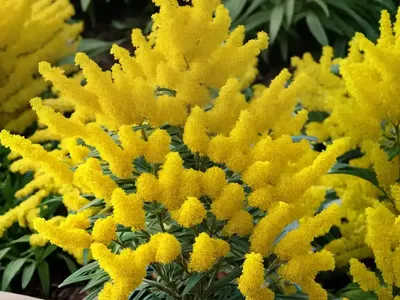
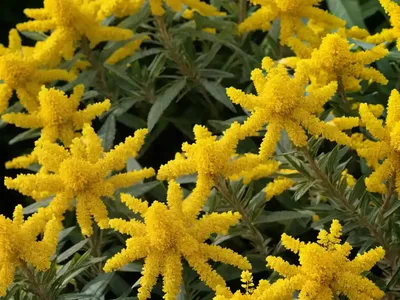
Seaside Goldenrod (Solidago sempervirens) is a striking flowering plant native to North America. Known for its vibrant golden-yellow plumes of flowers.
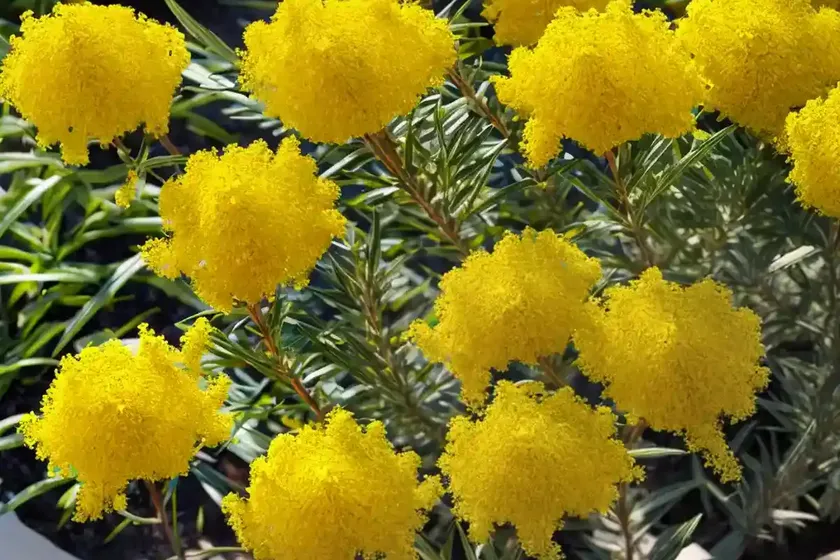
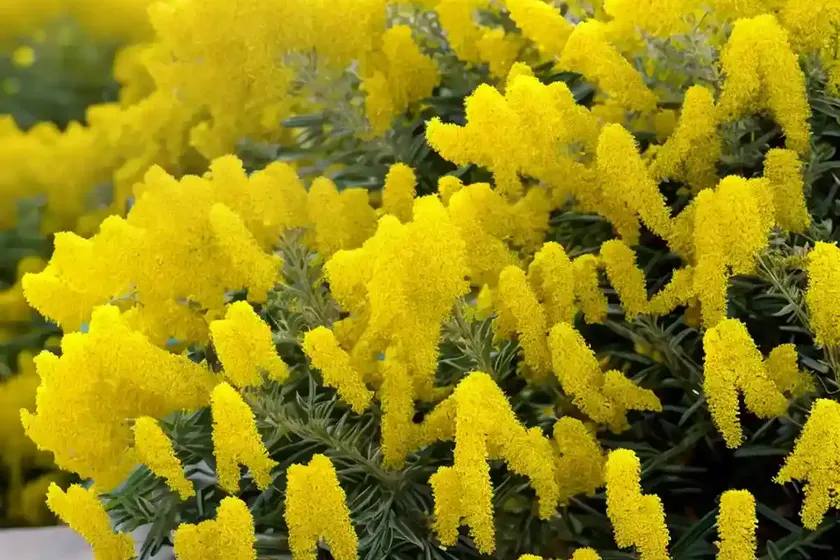
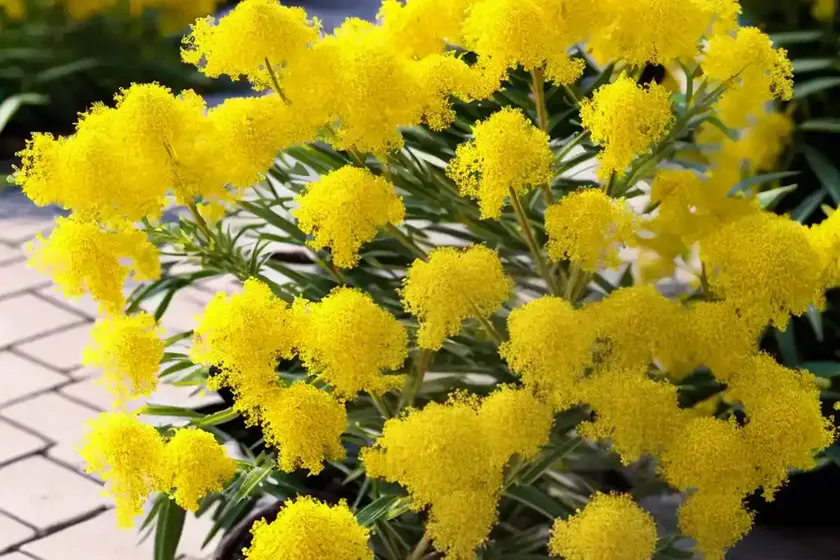
Seaside Goldenrod (Solidago sempervirens) is a striking flowering plant native to North America. Known for its vibrant golden-yellow plumes of flowers, this hardy perennial is a favorite among gardeners and environmentalists alike. Its ability to thrive in coastal environments and provide essential ecological benefits makes it a valuable addition to any landscape. In this comprehensive plant guide, we will delve into the characteristics, care tips, uses, and much more of Solidago sempervirens, offering a complete overview of this remarkable plant.
What is Solidago sempervirens (Seaside Goldenrod)
Solidago sempervirens, commonly known as Seaside Goldenrod, is a species of flowering plant in the Asteraceae family. As its name suggests, it is primarily found in coastal habitats, including sand dunes, barrier islands, and salt marshes along the eastern and southern coasts of North America. This perennial plant is characterized by its bright yellow flowers that adorn its tall, erect stems, creating a striking visual display in late summer and early fall.
With its ability to thrive in challenging coastal conditions, Seaside Goldenrod has become an essential component of coastal ecosystems, providing food and habitat for various wildlife, including birds, bees, and butterflies. Additionally, its ornamental value has made it a sought-after plant for landscaping and gardening purposes.
Key Takeaways – Solidago sempervirens (Seaside Goldenrod)
Before we explore the specifics of caring for Seaside Goldenrod, let’s take a moment to highlight some key takeaways that encompass its characteristics, uses, and ecological significance.
- Seaside Goldenrod Characteristics:
- Vibrant yellow flowers
- Tolerant of coastal conditions
-
Attracts pollinators and wildlife
-
Solidago sempervirens Description:
- Native to coastal regions of North America
- Tall, upright growth habit
-
Lance-shaped leaves with serrated edges
-
Seaside Goldenrod Habitat:
- Coastal dunes
- Salt marshes
-
Barrier islands
-
Solidago sempervirens Appearance:
- Bright yellow plumes of flowers
- Sturdy, robust stems
-
Green foliage with serrated leaves
-
Seaside Goldenrod Care Tips:
- Well-drained soil
- Full sun exposure
-
Drought-tolerant once established
-
Solidago sempervirens Growth Habits:
- Clump-forming growth habit
- Height ranging from 2 to 4 feet
-
Spreading via underground rhizomes
-
Seaside Goldenrod Uses:
- Ecological restoration
- Landscaping and gardening
-
Medicinal properties
-
Solidago sempervirens Benefits:
- Wildlife habitat
- Erosion control
-
Ornamental value
-
Seaside Goldenrod Varieties:
-
Several cultivars with varying heights and flower forms
-
Solidago sempervirens Medicinal Properties:
- Traditional medicinal uses
- Herbal remedies
- Potential for modern research
With these key takeaways in mind, we can now delve into the detailed care and cultivation practices for Solidago sempervirens, enabling both amateur and experienced gardeners to make the most of this remarkable plant.
Culture
Understanding the culture requirements of Solidago sempervirens is essential for successfully growing and maintaining this coastal plant. From water needs to sunlight exposure and soil preferences, providing the right cultural conditions is crucial for promoting the health and vigor of Seaside Goldenrod.
Uses
The versatile nature of Seaside Goldenrod lends itself to a variety of uses, ranging from ecological restoration to landscape enhancement and even medicinal properties. Exploring the diverse applications of Solidago sempervirens provides valuable insights into its significance and potential benefits across different domains.
Water
While Seaside Goldenrod exhibits some degree of drought tolerance once established, adequate water is essential, especially during the establishment phase and in prolonged dry spells. Understanding the water needs of Solidago sempervirens enables gardeners to strike the right balance and ensure its optimal growth and flowering.
Sunlight
Full sun exposure is a key requirement for Seaside Goldenrod, as it thrives in bright, open environments characteristic of coastal habitats. Providing the appropriate sunlight conditions is vital for promoting robust growth and abundant flowering in Solidago sempervirens.
Fertilizer
Solidago sempervirens generally does not require heavy fertilization, especially when grown in native or naturalized settings. However, understanding the role of fertilizer and its potential use in promoting the health of Seaside Goldenrod is essential for gardeners seeking to maximize the plant’s performance.
Soil
The soil requirements of Seaside Goldenrod are closely tied to its native coastal habitats, necessitating well-drained and moderately fertile soil conditions. Exploring the specific soil preferences of Solidago sempervirens offers valuable insights into creating an ideal growing environment for this coastal plant.
Pruning
Pruning techniques for Solidago sempervirens play a crucial role in maintaining its form, controlling its spread, and promoting vigorous growth and flowering. Understanding the best practices for pruning Seaside Goldenrod allows gardeners to manage the plant effectively and enhance its ornamental value.
Propagation
The propagation of Solidago sempervirens can be achieved through various methods, including division, seed sowing, and stem cuttings. Understanding the propagation techniques for Seaside Goldenrod enables gardeners to multiply their plants and integrate them into different settings, from home gardens to larger landscapes.
Container Popularity
While Seaside Goldenrod is often associated with naturalized landscapes, it has also gained popularity as a container plant, offering a burst of late summer color in patio settings and urban gardens. Exploring its container popularity sheds light on the versatility and ornamental appeal of Solidago sempervirens in various contexts.
Common Diseases
Solidago sempervirens is generally resistant to most common plant diseases, but certain issues such as powdery mildew and rust may still affect its health and vigor under certain conditions. Understanding these common diseases and their management is essential for maintaining the overall health and appearance of Seaside Goldenrod.
Disease Diagnosis
Diagnosing diseases in Solidago sempervirens involves recognizing the symptoms and signs associated with common plant ailments, allowing for timely and effective intervention. Familiarizing oneself with disease diagnosis enables gardeners to address potential issues and prevent their escalation in Seaside Goldenrod.
Common Pests
While Seaside Goldenrod is relatively resistant to pest infestations, certain insects such as aphids and spider mites may still pose a threat to its health. Understanding the common pests of Solidago sempervirens and their management strategies is crucial for protecting the plant and preserving its ecological and ornamental value.
Botanist’s Tips
Insights from botanists and plant scientists can offer valuable guidance and recommendations for growing and caring for Solidago sempervirens, drawing on both scientific knowledge and practical experience. Incorporating botanist’s tips into the cultivation of Seaside Goldenrod can lead to enhanced success and satisfaction for gardeners and conservationists alike.
Fun Facts
Exploring the intriguing and lesser-known aspects of Seaside Goldenrod, such as its ecological significance, historical uses, and symbolic meanings, provides a deeper appreciation for this remarkable plant. Uncovering fun facts about Solidago sempervirens adds a layer of fascination and admiration for its unique attributes and contributions.
Links to External Resources
For further exploration and in-depth information on Solidago sempervirens, the following external resources provide valuable insights and perspectives on the plant, its ecology, and its horticultural potential:
- Lady Bird Johnson Wildflower Center – Solidago sempervirens
- USDA NRCS – Seaside Goldenrod (Solidago sempervirens)
- North Carolina State Extension – Seaside Goldenrod
- Missouri Botanical Garden – Solidago sempervirens
- National Audubon Society – Seaside Goldenrod
By leveraging these external resources, enthusiasts, and professionals can broaden their understanding of Seaside Goldenrod and its role in natural landscapes, gardens, and conservation efforts.
In conclusion, Solidago sempervirens, or Seaside Goldenrod, stands out as a resilient and striking plant with invaluable ecological benefits and ornamental appeal. By delving into its characteristics, care tips, and ecological significance, we gain a comprehensive understanding of this native North American plant, empowering us to appreciate and cultivate it with the respect and attention it deserves. Whether in coastal restoration projects, wildlife gardens, or home landscapes, Seaside Goldenrod’s presence enriches the environment and captivates all who encounter its golden blooms.
Remember, the beauty of Seaside Goldenrod lies not only in its vibrant flowers but also in its role as a sanctuary for wildlife and a symbol of resilience in coastal habitats. As we embrace its cultivation and conservation, we contribute to the preservation of a remarkable species that embodies the natural treasures of North America.