Vernonia noveboracensis (New York Ironweed): A Comprehensive Guide
Vernonia noveboracensis, commonly known as New York Ironweed, is a striking perennial plant that belongs to the Asteraceae family. Recognized for its stunning purple flowers and outstanding ornamental value, this native plant of North America has also been used for various medicinal and horticultural purposes. In this comprehensive guide, we will explore the key aspects of the culture, uses, care requirements, and fascinating characteristics of Vernonia noveboracensis, commonly referred to as New York Ironweed.
What is Vernonia noveboracensis?
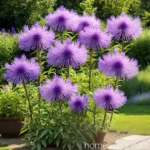
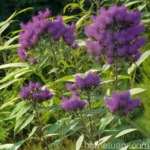
Vernonia noveboracensis, or New York Ironweed, is a herbaceous perennial plant indigenous to the eastern and central regions of North America. Its natural habitat extends from southern Canada to the southeastern United States, where it thrives in various ecosystems including open woods, meadows, and stream banks. The plant typically grows erect with sturdy stems and showcases vibrant, deep purple to violet flowers, making it a desirable addition to gardens and landscapes.
Key Takeaways – Vernonia noveboracensis (New York Ironweed)
- Scientific Name: Vernonia noveboracensis
- Common Name: New York Ironweed
- Family: Asteraceae
- Type: Herbaceous Perennial
- Native Habitat: Eastern and central regions of North America
Now that we have an overview of Vernonia noveboracensis, let’s delve into the details regarding its culture, uses, and care requirements.
Culture
Water
Vernonia noveboracensis thrives in moist to moderately wet soil conditions, making it suitable for gardens with consistent watering or in natural areas with ample access to water sources. While it appreciates moist soil, it is important to avoid waterlogged conditions to prevent root rot and other water-related issues.
Sunlight
New York Ironweed flourishes in full sun or partial shade, making it a versatile addition to a variety of garden settings. However, in regions with particularly hot climates, providing some protection from intense afternoon sun can be beneficial for the plant’s overall health and vigor.
Soil
The ideal soil for growing Vernonia noveboracensis is rich, loamy, and well-draining. The plant is adaptable to various soil types, including clay, sand, and loam, as long as the soil provides good drainage. Furthermore, maintaining a slightly acidic to neutral pH level in the soil (pH 6.0-7.0) is conducive to the plant’s growth and development.
Fertilizer
In most cases, New York Ironweed does not require heavy fertilization. However, incorporating organic matter into the soil during initial planting, or applying a balanced, slow-release fertilizer in early spring, can support healthy growth and robust flowering.
Pruning
Pruning is generally not essential for Vernonia noveboracensis, as it retains an attractive form throughout the growing season. However, removing spent flowers and dead foliage can encourage continuous blooming and improve the overall appearance of the plant.
Propagation
Propagation of Vernonia noveboracensis can be achieved through division or seed sowing.
-
Division: Divide established clumps of the plant in early spring to create new plants. Ensure that each division has a sufficient root system for successful establishment.
-
Seed Sowing: Collect mature seeds from the plant and sow them directly in the garden in the fall or start them indoors in containers. Sow the seeds at a shallow depth and maintain consistent moisture until germination occurs.
Container Popularity
While Vernonia noveboracensis is typically grown in garden beds or naturalized settings, it can also thrive in large containers. When opting for container cultivation, ensure the container is spacious enough to accommodate the plant’s root system and provides adequate drainage to prevent waterlogging.
Now that we have covered the cultural aspects of New York Ironweed, let’s explore its uses and benefits.
Uses
Vernonia noveboracensis offers a range of uses encompassing both functional and aesthetic purposes.
-
Ornamental Value: Renowned for its striking purple flowers, New York Ironweed is a popular choice for adding vibrant color and visual interest to gardens, naturalized landscapes, and butterfly/pollinator gardens.
-
Wildlife Habitat: The plant’s nectar-rich flowers attract a variety of pollinators, including bees, butterflies, and other beneficial insects, contributing to the biodiversity and ecological balance of the garden or natural area.
-
Medicinal Purposes: Traditionally, Native American tribes utilized the roots of Vernonia noveboracensis for medicinal preparations to treat various ailments. The plant was used to address conditions such as fever, dysentery, and other health concerns.
-
Soil Stabilization: Due to its extensive root system and robust growth, New York Ironweed is effective in preventing soil erosion, especially in areas prone to runoff or soil displacement.
Common Diseases
While Vernonia noveboracensis is relatively resistant to many diseases, it can occasionally be susceptible to certain issues. Understanding these potential diseases and their management is crucial for maintaining the plant’s health.
Disease Diagnosis
- Powdery Mildew: A fungal disease that manifests as powdery, white patches on the plant’s foliage.
- Leaf Spot: Characterized by the presence of dark brown or black spots on the leaves, often caused by fungal pathogens.
- Root Rot: Excessive soil moisture can lead to the development of root rot, resulting in wilting and decline of the plant.
Common Pests
Vernonia noveboracensis is generally resilient to pest infestations. However, occasional pest issues may arise, and being familiar with these potential pests is essential for timely intervention.
- Aphids: These sucking insects can cluster on the plant’s tender growth, causing distortion and potential damage to the foliage.
- Japanese Beetles: Known to feed on the leaves and flowers of various plants, including New York Ironweed, Japanese beetles can be controlled through manual removal and insecticidal treatments if necessary.
Now that we have covered the care, uses, and potential challenges associated with Vernonia noveboracensis, let’s explore some additional aspects and interesting facts about this captivating plant.
Botanist’s Tips
Growing Vernonia noveboracensis
- Select a site with well-draining soil and ample sunlight for optimal growth and flowering.
- Maintain consistent moisture, especially during the plant’s establishment phase and periods of drought.
- Encourage beneficial insect activity and pollination by incorporating Vernonia noveboracensis into wildlife-supportive garden designs.
Fun Facts
-
New York Ironweed is a valuable late-season nectar source for pollinators, providing essential nourishment as other floral resources decline.
-
The plant’s biodiversity-supporting attributes, including its role as a butterfly host plant and pollinator attractant, make it a valuable addition to ecological landscaping initiatives.
With its extraordinary characteristics and ecological benefits, Vernonia noveboracensis continues to captivate plant enthusiasts, conservationists, and gardeners alike. Whether used for its ornamental allure, ecological contributions, or medicinal potential, this native perennial holds a distinct place in horticultural and environmental contexts.
Links to External Resources
For those keen on delving deeper into the world of Vernonia noveboracensis and related topics, the following external resources offer valuable insights and information:
- Vernonia noveboracensis – USDA Plants Database
- Native Plant Database – Lady Bird Johnson Wildflower Center
- “Vernonia noveboracensis – New York Ironweed” – University of Wisconsin-Madison Extension
- Garden Design with Vernonia – Brooklyn Botanic Garden
By exploring these resources, enthusiasts can expand their knowledge of this captivating plant and its diverse applications in horticulture, ecology, and conservation.
In conclusion, Vernonia noveboracensis, or New York Ironweed, stands as a prime example of a native plant that encompasses beauty, ecological significance, and historical significance. Whether admired for its stunning blooms in the garden, its role as a wildlife attractant, or its traditional medicinal uses, this remarkable perennial continues to leave an indelible mark in the realm of plant science and horticulture.
As we continue to acknowledge and appreciate the myriad benefits of native plant species like Vernonia noveboracensis, we embrace a deeper understanding of the interconnectedness between plants, wildlife, and human well-being. With its resilient nature, captivating aesthetics, and ecological contributions, New York Ironweed remains an emblem of the natural wonders embedded within our landscapes and ecosystems.
Keywords: Vernonia noveboracensis care, New York Ironweed plant, Growing Vernonia noveboracensis, Vernonia noveboracensis in gardens, How to grow New York Ironweed, Vernonia noveboracensis characteristics, Vernonia noveboracensis perennial, Vernonia noveboracensis wildlife habitat, Vernonia noveboracensis medicinal uses, New York Ironweed flower, Best soil for Vernonia noveboracensis, Vernonia noveboracensis native plant, Vernonia noveboracensis landscaping, Vernonia noveboracensis drought tolerant, Vernonia noveboracensis pests and diseases, Vernonia noveboracensis companion plants, New York Ironweed for pollinators, Vernonia noveboracensis root system, Propagating Vernonia noveboracensis, Vernonia noveboracensis garden design, Vernonia noveboracensis fall foliage, Vernonia noveboracensis sun exposure, New York Ironweed blooming period, Vernonia noveboracensis natural habitat, New York Ironweed for landscaping, Vernonia noveboracensis native to New York, Vernonia noveboracensis for butterfly gardens, Vernonia noveboracensis water requirements, Vernonia noveboracensis soil pH, New York Ironweed for rain gardens, Vernonia noveboracensis ornamental value, Vernonia noveboracensis wildlife attractant, New York Ironweed winter care, Vernonia noveboracensis garden maintenance, Vernonia noveboracensis leaf shape, Vernonia noveboracensis foliage color, New York Ironweed in wet soils, Vernonia noveboracensis seed propagation, Vernonia noveboracensis deer resistant, Vernonia noveboracensis height and spread, New York Ironweed for erosion control, Vernonia noveboracensis flower arrangement, Vernonia noveboracensis nectar source, Vernonia noveboracensis natural dye, Vernonia noveboracensis winter interest, New York Ironweed in prairie gardens, Vernonia noveboracensis butterfly host plant, Vernonia noveboracensis in full sun, Vernonia noveboracensis flower color, New York Ironweed gardening tips.