Salvia splendens ‘Saucy Wine’ (Scarlet Sage): A Complete Guide
Salvia splendens ‘Saucy Wine’, commonly known as Scarlet Sage, is a striking and vibrant flowering plant that belongs to the Salvia genus. It is renowned for its intense red blooms and is a popular choice for ornamental gardening. In this comprehensive guide, we will explore the various aspects of Salvia splendens ‘Saucy Wine’, including its culture, uses, maintenance, and much more.
What is Salvia splendens ‘Saucy Wine’ (Scarlet Sage)?
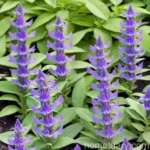
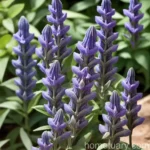
Salvia splendens ‘Saucy Wine’ is a herbaceous perennial plant that is native to Brazil. It is a member of the Lamiaceae family and is known for its dense spikes of tubular, vividly colored flowers that appear atop the plants’ lush green foliage. The vibrant red blooms of this plant make it a popular choice for adding a pop of color to gardens, landscapes, and containers.
Key Takeaways – Salvia splendens ‘Saucy Wine’ (Scarlet Sage)
Before delving into the specifics of growing and caring for Salvia splendens ‘Saucy Wine’, let’s take a look at the key takeaways associated with this stunning plant:
- Plant Name: Salvia splendens ‘Saucy Wine’ (Scarlet Sage)
- Family: Lamiaceae
- Genus: Salvia
- Common Name: Scarlet Sage
- Plant Type: Herbaceous perennial
- Native Habitat: Brazil
- Blooms: Vivid red tubular flowers
- Foliage: Lush green, aromatic leaves
- Uses: Ornamental gardening, landscaping, container gardening
Now that we have a brief overview of Salvia splendens ‘Saucy Wine’, let’s explore its culture, uses, and care requirements in detail.
Culture
Understanding the cultural requirements of Salvia splendens ‘Saucy Wine’ is essential for successfully growing and maintaining this vibrant plant. From ideal growing conditions to propagation techniques, here’s a comprehensive look at the cultural aspects of Scarlet Sage.
Water
Proper watering is crucial for the health and vigor of Salvia splendens ‘Saucy Wine’. While this plant thrives in moderate moisture conditions, it is important to avoid overwatering, which can lead to root rot and other issues. Here are some key points to keep in mind when watering Scarlet Sage:
- Watering Frequency: Water the plant when the top inch of the soil feels dry to the touch.
- Avoid Waterlogging: Ensure proper drainage to prevent waterlogging, especially in container-grown plants.
- Mulching: Applying a layer of organic mulch around the base of the plant can help retain soil moisture and regulate soil temperature.
Sunlight
Salvia splendens ‘Saucy Wine’ thrives in full sunlight and requires at least 6-8 hours of direct sunlight for optimal growth and flowering. When selecting a planting location, ensure that it receives ample sunlight throughout the day to promote robust and prolific blooming.
Fertilizer
Fertilizing Salvia splendens ‘Saucy Wine’ is essential for maintaining its vigor and promoting abundant flowering. Use a balanced, slow-release fertilizer or a water-soluble fertilizer designed for flowering plants. Here are some important points to consider when fertilizing Scarlet Sage:
- Fertilizing Schedule: Apply a balanced fertilizer every 4-6 weeks during the growing season.
- Dilution: Follow the manufacturer’s instructions for dilution and application rates to prevent over-fertilization.
- Avoid High Nitrogen: Avoid high-nitrogen fertilizers, as they can promote excessive foliage growth at the expense of flowering.
Soil
Well-draining, fertile soil is crucial for the successful cultivation of Salvia splendens ‘Saucy Wine’. Whether grown in garden beds or containers, the soil should provide good aeration and drainage to prevent waterlogging. Consider the following soil requirements for Scarlet Sage:
- pH Level: The ideal soil pH range for Salvia splendens ‘Saucy Wine’ is slightly acidic to neutral (pH 6.0-7.0).
- Loamy Soil: A loamy soil mix enriched with organic matter is well-suited for Scarlet Sage.
- Container Mix: If growing in containers, use a well-draining potting mix with perlite or vermiculite for added aeration.
Pruning
Pruning plays a significant role in maintaining the shape, health, and flowering potential of Salvia splendens ‘Saucy Wine’. Regular pruning helps remove spent blooms, encourages branching, and prevents the plant from becoming leggy. Follow these pruning guidelines for Scarlet Sage:
- Deadheading: Remove spent flower spikes to promote continuous blooming and prevent seed formation.
- Cutting Back: Prune back the plant by 1/3 of its height in late summer or early fall to rejuvenate its growth.
- Spring Pruning: In spring, remove any dead or damaged foliage to promote new growth and flowering.
Propagation
Propagating Salvia splendens ‘Saucy Wine’ allows for the expansion of your plant collection and is a cost-effective way to obtain new plants. This vibrant variety of Scarlet Sage can be propagated through several methods, including:
- Seed Propagation: Collect seeds from mature flower spikes and sow them in well-draining seed-starting mix.
- Cutting Propagation: Take stem cuttings from healthy, non-flowering shoots and root them in a moist rooting medium.
Container Popularity
Salvia splendens ‘Saucy Wine’ is a popular choice for container gardening due to its vibrant color and compact growth habit. When grown in containers, this perennial plant offers versatility and can be showcased on patios, balconies, or as a focal point in mixed container arrangements. The striking red blooms of Scarlet Sage create an eye-catching display, making it a favorite among container gardening enthusiasts.
Common Diseases
While Salvia splendens ‘Saucy Wine’ is generally resilient, it can be susceptible to certain diseases under unfavorable conditions. Being aware of common diseases and their prevention measures is essential for maintaining the health of Scarlet Sage. Some common diseases that may affect Salvia splendens ‘Saucy Wine’ include:
- Powdery Mildew: A fungal disease that appears as powdery white patches on the leaves and stems.
- Botrytis Blight: Gray mold that causes wilting and decay of plant tissues, particularly in humid conditions.
- Root Rot: Excessive moisture and waterlogging can lead to root rot, affecting the plant’s overall health.
Disease Diagnosis
Early detection and diagnosis of diseases can help prevent their spread and minimize the impact on Salvia splendens ‘Saucy Wine’. Keep a lookout for the following symptoms and signs of disease infestation:
- Powdery Mildew: White powdery spots on foliage, stunted growth, and distorted leaves.
- Botrytis Blight: Grayish mold on plant parts, wilting, and collapse of affected tissues.
- Root Rot: Yellowing or browning of lower leaves, wilting, and mushy, malodorous roots.
Common Pests
In addition to diseases, Salvia splendens ‘Saucy Wine’ may also attract certain pests that can jeopardize its health and appearance. Familiarizing yourself with common pests and implementing pest control measures is essential for safeguarding Scarlet Sage from infestations. Keep an eye out for the following common pests that may affect Salvia splendens ‘Saucy Wine’:
- Aphids: Small, soft-bodied insects that cluster on new growth and feed on plant sap.
- Spider Mites: Tiny arachnids that cause stippling and webbing on the undersides of leaves.
- Whiteflies: Small, white insects that congregate on the undersides of leaves and excrete honeydew.
Botanist’s Tips
As a plant scientist with expertise in cultivating and studying various plant species, I have some valuable tips for successfully growing and caring for Salvia splendens ‘Saucy Wine’ based on my research and experience:
- Mulching Matters: Applying a layer of organic mulch around the base of the plant helps conserve soil moisture, suppress weeds, and regulate soil temperature.
- Regular Deadheading: Removal of spent blooms not only promotes continuous flowering but also prevents the plant from expending energy on seed production.
- Monitor Moisture Levels: Pay attention to soil moisture levels, and avoid overwatering, particularly in container-grown plants, to prevent root rot and other moisture-related issues.
Fun Facts
Here are some interesting and lesser-known facts about Salvia splendens ‘Saucy Wine’ (Scarlet Sage):
- The genus name “Salvia” is derived from the Latin word “salvare,” which means “to heal,” highlighting the medicinal properties associated with certain species within the genus.
- Scarlet Sage is often visited by hummingbirds and butterflies, making it a valuable addition to wildlife-friendly gardens.
- In addition to its ornamental value, certain Salvia species, including Salvia splendens, are used in traditional medicine for their purported healing properties.
Now that we have covered the cultural aspects, uses, and maintenance of Salvia splendens ‘Saucy Wine’, it’s time to explore some external resources to further expand our knowledge of this vibrant plant.
Links to External Resources
For further information on Salvia splendens ‘Saucy Wine’ (Scarlet Sage), including in-depth care guides, cultivation tips, and research articles, consider exploring the following reputable sources:
- Royal Horticultural Society – Salvia splendens
- Missouri Botanical Garden – Scarlet Sage
- University of Florida IFAS Extension – Salvia splendens in the Garden
- The American Phytopathological Society – Understanding Plant Diseases: Salvia
By exploring these resources, you can gain further insight into the diverse aspects of Salvia splendens ‘Saucy Wine’ and expand your knowledge of cultivating and appreciating this stunning Scarlet Sage variety.
In conclusion, Salvia splendens ‘Saucy Wine’ is a captivating plant that adds vibrancy and visual appeal to gardens, landscapes, and containers. By understanding its cultural requirements, uses, and maintenance techniques, you can cultivate and enjoy the striking beauty of Scarlet Sage while contributing to the ecological richness of your garden. Whether you are a seasoned gardener or a newcomer to ornamental horticulture, the allure of Salvia splendens ‘Saucy Wine’ is sure to captivate and inspire a deeper appreciation for the wonders of the plant kingdom.