Vernonia angustifolia (Tall Ironweed) – A Native Wildflower for Prairie Conservation
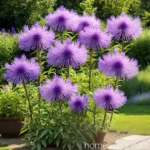
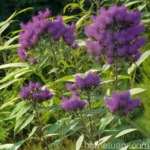
Vernonia angustifolia, commonly known as Tall Ironweed, is a beautiful and resilient native wildflower that plays a vital role in supporting pollinators and maintaining the ecological balance of natural habitats. This tall prairie plant belongs to the Asteraceae family and is renowned for its stunning purple flowers that bloom in late summer, offering a gorgeous spectacle in the wild and in cultivated gardens.
In this comprehensive guide, we will delve into the cultural aspects, uses, and ecological significance of Vernonia angustifolia. We will explore its role in habitat restoration, landscape design, and sustainable gardening practices. Additionally, we will discuss its role in prairie conservation and the conservation of biodiversity.
Vernonia angustifolia: An Overview
Vernonia angustifolia, a member of the Ironweed species, is native to North America and is predominantly found in the prairies, open woodlands, and along stream banks. This perennial plant has gained recognition for its resilience, adaptability, and its important role in supporting native wildlife and ecological balance.
Key Takeaways – Vernonia angustifolia (Tall Ironweed)
- Vernonia angustifolia is a native wildflower known for its stunning purple flowers and is a valuable addition to wildlife gardens and natural landscapes.
- It is an essential perennial plant that plays a significant role in supporting pollinators, such as bees, butterflies, and other beneficial insects.
- Tall Ironweed is a late summer bloomer, adding a vibrant pop of color to the landscape when many other plants have finished flowering.
- This plant is important for prairie conservation and ecosystem restoration, as it contributes to maintaining the biodiversity of native plant species.
Let’s continue our exploration of Vernonia angustifolia by delving into its cultural requirements, uses, and ecological significance.
Culture
In order to successfully cultivate Vernonia angustifolia, it is crucial to understand its cultural requirements. This includes an understanding of its water, sunlight, fertilizer, soil, and pruning needs, as well as methods for propagation and its adaptability to container gardening.
Water
Tall Ironweed is a relatively low-maintenance plant when it comes to watering. It is adaptable to a variety of moisture conditions, ranging from average to consistently moist soils. However, it is imperative to ensure that the plant is not subjected to standing water, as it may lead to root rot. Once established, Vernonia angustifolia exhibits good tolerance to drought conditions, making it suitable for xeriscaping as well.
Sunlight
This perennial plant thrives in full sun to partial shade conditions. In its natural habitat, it is often found in open prairies and woodland edges, where it receives ample sunlight. When cultivating Tall Ironweed, it is important to provide it with at least 6 to 8 hours of direct sunlight for optimal growth and abundant flowering.
Fertilizer
Vernonia angustifolia is not overly demanding in terms of fertilization. However, incorporating organic matter into the soil during planting can provide the plant with essential nutrients for healthy growth. Additionally, a balanced, slow-release fertilizer can be applied in early spring to promote vigorous growth and prolific flowering.
Soil
The Tall Ironweed thrives in a wide range of soil types, including loamy, sandy, or clay soils, as long as they are well-draining. It shows adaptability to both acidic and alkaline soils, making it suitable for various garden settings. When planting in heavy clay soils, amending the soil with organic matter or compost can improve drainage and create an optimal growing environment for the plant.
Pruning
Minimal pruning is required for Vernonia angustifolia. Deadheading spent flowers can encourage continuous blooming and prevent self-seeding, particularly in garden settings where controlled propagation is desirable. Additionally, removing any damaged or diseased foliage can help maintain the plant’s overall health and appearance.
Propagation
Tall Ironweed can be propagated through both seeds and division. Collecting seeds from mature flower heads and sowing them in the fall or early spring can yield new plants. Division of established clumps can also be carried out in early spring, facilitating the expansion of this beautiful native wildflower in the garden or natural habitat.
Container Popularity
While Vernonia angustifolia is often found in natural habitats and prairie landscapes, it is also well-suited for container gardening. Its adaptability to various soil types and moderate water requirements make it a versatile and attractive option for adding height and vibrant color to container plantings.
Now that we have explored the cultural requirements of Vernonia angustifolia, let’s delve into its diverse uses and its role in supporting wildlife and ecological balance.
Uses
Wildflower Gardens
Tall Ironweed is a popular choice for wildflower gardens, native plant landscapes, and naturalistic plantings. Its striking purple flowers and tall, upright growth habit add a bold and captivating element to these settings, creating visually stunning displays while supporting local ecosystems.
Pollinator-Friendly Plants
The purple flowers of Vernonia angustifolia are highly attractive to pollinators, particularly bees and butterflies. By incorporating this plant into garden designs, it contributes to the provision of nectar-rich flowers, supporting the local pollinator populations and promoting biodiversity in urban and natural landscapes.
Habitat Plants
In its natural habitat, Vernonia angustifolia plays a vital role in providing food and shelter for a diverse range of wildlife, including birds, insects, and small mammals. By introducing this native wildflower into home gardens and ecological restoration projects, it helps in creating resilient and sustainable habitats for native species.
Nectar-Rich Flowers
The nectar-rich flowers of Tall Ironweed make it a valuable addition to wildlife and pollinator gardens. The provision of abundant nectar serves as an essential food source for bees, butterflies, and other beneficial insects. This, in turn, contributes to the health and resilience of local ecosystems.
Wildlife Plants
Vernonia angustifolia is beneficial for supporting and attracting a variety of wildlife species, contributing to the overall balance and health of the ecosystem. Its seeds, nectar, and foliage provide essential resources for numerous beneficial insects and small animals, making it an invaluable addition to natural habitats and ecological restoration projects.
Garden Landscaping Ideas
In garden landscapes, Tall Ironweed can be used to create focal points, provide height and color contrast, and contribute to the overall aesthetics of the design. Its tall, upright growth habit and striking flowers make it an ideal choice for adding visual interest and diversity to perennial borders, meadow plantings, and mixed native plant gardens.
Now that we have explored the uses and ecological significance of Vernonia angustifolia, it is important to understand its water, sunlight, fertilizer, soil, and pruning needs, as well as methods for propagation and its adaptability to container gardening.
Water
Vernonia angustifolia is a relatively low-maintenance plant when it comes to watering. It is adaptable to a variety of moisture conditions, ranging from average to consistently moist soils. However, it is imperative to ensure that the plant is not subjected to standing water, as it may lead to root rot. Once established, Vernonia angustifolia exhibits good tolerance to drought conditions, making it suitable for xeriscaping as well.
Sunlight
This perennial plant thrives in full sun to partial shade conditions. In its natural habitat, it is often found in open prairies and woodland edges, where it receives ample sunlight. When cultivating Tall Ironweed, it is important to provide it with at least 6 to 8 hours of direct sunlight for optimal growth and abundant flowering.
Fertilizer
Vernonia angustifolia is not overly demanding in terms of fertilization. However, incorporating organic matter into the soil during planting can provide the plant with essential nutrients for healthy growth. Additionally, a balanced, slow-release fertilizer can be applied in early spring to promote vigorous growth and prolific flowering.
Soil
The Tall Ironweed thrives in a wide range of soil types, including loamy, sandy, or clay soils, as long as they are well-draining. It shows adaptability to both acidic and alkaline soils, making it suitable for various garden settings. When planting in heavy clay soils, amending the soil with organic matter or compost can improve drainage and create an optimal growing environment for the plant.
Pruning
Minimal pruning is required for Vernonia angustifolia. Deadheading spent flowers can encourage continuous blooming and prevent self-seeding, particularly in garden settings where controlled propagation is desirable. Additionally, removing any damaged or diseased foliage can help maintain the plant’s overall health and appearance.
Propagation
Tall Ironweed can be propagated through both seeds and division. Collecting seeds from mature flower heads and sowing them in the fall or early spring can yield new plants. Division of established clumps can also be carried out in early spring, facilitating the expansion of this beautiful native wildflower in the garden or natural habitat.
Container
While Vernonia angustifolia is often found in natural habitats and prairie landscapes, it is also well-suited for container gardening. Its adaptability to various soil types and moderate water requirements make it a versatile and attractive option for adding height and vibrant color to container plantings.
Now that we have discussed the cultural aspects and uses of Vernonia angustifolia, let’s explore the plant’s popularity, common diseases, and pests, as well as some fun facts and tips for gardeners and plant enthusiasts.
Popularity
Vernonia angustifolia has gained popularity among gardeners, landscapers, and conservationists for several reasons:
- Native Plant Species: As a native wildflower species, it holds ecological value and contributes to the preservation of local biodiversity.
- Garden Landscaping: The tall and elegant growth habit, along with vibrant purple flowers, make it a sought-after plant for garden landscaping, adding visual interest and wildlife appeal.
- Prairie Conservation: It is a significant component of prairie conservation and restoration efforts, as it plays a vital role in maintaining the integrity and biodiversity of prairie ecosystems.
Common Diseases
While Vernonia angustifolia is relatively resilient, it may be susceptible to certain diseases, including:
- Powdery Mildew: This fungal disease can affect the foliage, leading to a powdery white coating on the leaves. Adequate airflow and proper spacing can help prevent this issue.
- Rust: Rust infections can cause orange or brownish pustules on the leaves, impacting the overall appearance of the plant. Removing and disposing of infected plant material can help manage this disease.
- Leaf Spot: Leaf spot diseases can manifest as dark lesions on the foliage, potentially leading to defoliation. Proper sanitation and avoiding overhead watering can aid in disease prevention.
Disease Diagnosis
If your Vernonia angustifolia exhibits signs of disease, it is important to diagnose the issue accurately to implement effective management strategies. This may involve consulting with a plant pathologist or experienced horticulturist to identify the specific pathogens or environmental factors contributing to the plant’s decline.
Common Pests
Tall Ironweed may encounter certain pests that can impact its growth and overall health, including:
- Aphids: These small, soft-bodied insects can congregate on the plant’s tender shoots and flower buds, leading to distorted growth and reduced flowering. Natural predators, such as ladybugs, can help control aphid populations.
- Caterpillars: Some caterpillar species may feed on the foliage of Vernonia angustifolia, causing visible damage. Manual removal of caterpillars and introducing beneficial insects can aid in pest management.
- Japanese Beetles: These voracious beetles may feed on the flowers and foliage of the plant, causing significant damage. Exclusion netting and targeted insecticide applications can offer control options.
Botanist’s Tips
As a plant scientist, I offer the following tips for cultivating Vernonia angustifolia and promoting its health and vitality:
- Native Plant Landscaping: Incorporate Tall Ironweed into native plant landscaping and wildlife gardens to support local biodiversity and ecological balance.
- Companion Planting: Pair Vernonia angustifolia with other native wildflowers, such as Echinacea and Rudbeckia, to create vibrant and resilient plant communities that benefit pollinators and wildlife.
- Habitat Restoration: Consider the inclusion of Vernonia angustifolia in habitat restoration projects aimed at conserving and enhancing native ecosystems and prairie habitats.
Fun Facts
Here are some fascinating and lesser-known facts about Vernonia angustifolia:
- Medicinal Uses: Historically, certain Native American tribes utilized extracts from Ironweed plants for their medicinal properties, such as treating fevers and digestive ailments.
- Wildlife Support: Vernonia angustifolia serves as a vital food and nectar source for a variety of wildlife, contributing to the overall health and resilience of native ecosystems.
- Pollinator Magnet: As a late summer bloomer, Tall Ironweed provides essential forage for bees and butterflies when many other flowering plants have completed their blooming cycle.
Links to External Resources
For further information and resources on Vernonia angustifolia (Tall Ironweed), the following links can provide valuable insights and guidance:
- Flora of North America: Vernonia angustifolia Species Profile
- Lady Bird Johnson Wildflower Center: Native Plant Database
- United States Department of Agriculture: Plant Profile
- The Xerces Society for Invertebrate Conservation: Pollinator Conservation Resources
- National Wildlife Federation: Wildlife Gardening Resources
In conclusion, Vernonia angustifolia (Tall Ironweed) stands as a remarkable native wildflower with considerable ecological value, aesthetic appeal, and conservation significance. Its role in supporting pollinators, contributing to prairie conservation, and enhancing the biodiversity of natural habitats underscores its importance in sustainable gardening, habitat restoration, and the preservation of native plant species.
By embracing native wildflowers like Vernonia angustifolia in our landscapes and conservation efforts, we can actively contribute to the creation of resilient and biodiverse ecosystems that benefit both wildlife and humanity. Let us continue to celebrate and steward the remarkable diversity of our native flora, recognizing the critical role it plays in sustaining the health and beauty of the natural world.
For references refer to this link.