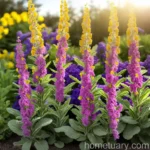
Understanding Verbascum (Verbascum ‘Banana and Custard’)
Verbascum, commonly known as mullein, is a genus of flowering plants in the family Scrophulariaceae. These herbaceous biennials and perennials are native to Europe and Asia, with a few species found in North America. The plant’s upright growth habit and tall flower spikes make it a popular choice for gardeners looking to add height and visual interest to their landscapes. One standout variety within the Verbascum genus is the Verbascum ‘Banana and Custard,’ celebrated for its striking yellow and peach-colored blooms. In this comprehensive guide, we will delve into the culture, uses, and care tips for the Verbascum ‘Banana and Custard,’ providing valuable insights for both novice and experienced gardeners.
What is Verbascum ‘Banana and Custard’?
Verbascum ‘Banana and Custard,’ a delightful cultivar of Verbascum, is celebrated for its unique bi-colored flowers that resemble the hues of a ripe banana and custard. This eye-catching plant is a robust perennial that typically reaches a height of 3-4 feet, boasting a stately presence in the garden. The flowers emerge in dense spikes that add vertical interest to the landscape, making it a favorite among garden designers and nature enthusiasts. The foliage of Verbascum ‘Banana and Custard’ is also noteworthy, with its soft, woolly leaves adding texture and visual appeal to the plant.
Key Takeaways – Verbascum (Verbascum ‘Banana and Custard’)
Before delving into the specific care requirements and characteristics of the Verbascum ‘Banana and Custard,’ it’s beneficial to provide an overview of the key takeaways associated with this striking plant. Below are the essential points that will be explored in detail throughout this guide:
- Culture: Understanding the preferred growing conditions and habitat of Verbascum ‘Banana and Custard.’
- Uses: Exploring the diverse uses of this plant, from ornamental landscaping to medicinal and folklore traditions.
- Water: Addressing the appropriate watering needs to ensure the health and vitality of Verbascum ‘Banana and Custard.’
- Sunlight: Determining the ideal sunlight requirements for promoting optimal growth and blooming.
- Fertilizer: Exploring the role of fertilization in supporting the vigor and floral display of this cultivar.
- Soil: Identifying the best soil types and composition for cultivating Verbascum ‘Banana and Custard.’
- Pruning: Discussing the techniques and timing for proper pruning to maintain the plant’s form and encourage repeat flowering.
- Propagation: Exploring various methods of propagating Verbascum ‘Banana and Custard’ to expand its presence in the garden.
- Container Popularity: Highlighting the potential for growing this plant in containers and its popularity in container gardening.
- Common Diseases: Identifying prevalent diseases that may affect Verbascum ‘Banana and Custard’ and measures to mitigate their impact.
- Disease Diagnosis: Providing insights into the diagnosis and management of diseases that may afflict this plant.
- Common Pests: Addressing the common pests that may pose a threat to Verbascum ‘Banana and Custard’ and effective control measures.
- Botanist’s Tips: Offering expert tips for cultivating and caring for this special cultivar based on botanical insights and best practices.
- Fun Facts: Sharing interesting and lesser-known facts about Verbascum ‘Banana and Custard’ to enhance appreciation for this remarkable plant.
With these key takeaways in mind, let’s embark on a comprehensive exploration of the Verbascum ‘Banana and Custard,’ uncovering the nuances of its cultivation, uses, and fascinating characteristics.
Culture
Understanding the culture, or preferred growing conditions, of Verbascum ‘Banana and Custard’ is essential for nurturing a healthy and flourishing plant. By providing the right environment, gardeners can optimize the growth and flowering potential of this striking cultivar. Let’s delve into the cultural requirements of Verbascum ‘Banana and Custard, encompassing water, sunlight, fertilizer, and soil considerations.
Water
Proper watering is crucial for the well-being of Verbascum ‘Banana and Custard.’ While these plants are relatively drought-tolerant once established, they benefit from consistent moisture, especially during their initial growth stages and periods of extended dryness. Adequate watering is particularly important in the first year after planting and during the flowering season to support robust blooms and overall vitality. Overly wet conditions, however, can lead to root rot and other moisture-related issues, so a balanced approach is key.
Watering Needs of Verbascum ‘Banana and Custard’:
-
First Year after Planting: During the first year, ensure that the plant receives regular watering to establish a strong root system and promote healthy growth. Aim for consistent moisture, allowing the soil to dry slightly between watering sessions.
-
Flowering Season: When Verbascum ‘Banana and Custard’ is in bloom, pay close attention to its watering needs. Provide supplemental moisture during dry spells to prolong the flowering period and enhance the quality of the blooms. Avoid excessive watering, as it can lead to fungal diseases and other complications.
-
Established Plants: Once the plants are established, they generally require less frequent watering due to their tolerance for dry conditions. Monitor the soil moisture and provide supplemental water during prolonged droughts to support the plant’s overall health and vigor.
Sunlight
Verbascum ‘Banana and Custard’ thrives in full sun to part shade, showcasing its best growth and floral display in sunny locations. When selecting a planting site, prioritize areas with ample sunlight exposure, especially during the morning hours when the energy of the sun is gentle and beneficial. While partial shade is tolerated, it may lead to leggier growth and reduced flowering, so a balance must be struck to ensure the plant receives adequate sunlight.
Sunlight Requirements for Verbascum ‘Banana and Custard’:
-
Full Sun: Ideally, locate the planting site in an area that receives at least 6-8 hours of direct sunlight daily. Full sun exposure encourages robust growth, strengthens the plant’s structure, and enhances the vibrancy of its bi-colored blooms.
-
Part Shade: In regions with intense summer heat, partial shade during the hottest part of the day can be beneficial. However, ensure that the plant still receives a significant amount of sunlight to support its overall health and flowering capacity.
-
Sun Orientation: Consider the orientation of the planting site, aiming for a location where the plant can receive morning sun and partial shade during the afternoon, especially in regions with scorching midday heat. This balance promotes healthy growth and flowering without subjecting the plant to excessive stress from intense sunlight.
Fertilizer
Fertilization plays a pivotal role in nurturing robust growth and prolific flowering in Verbascum ‘Banana and Custard.’ While these plants are considered low-maintenance, providing supplemental nutrients can bolster their performance and overall health. When formulating a fertilization plan, it’s important to consider the plant’s growth stage, soil composition, and specific nutrient requirements for optimal results.
Fertilizer for Verbascum ‘Banana and Custard’:
-
Timing: Apply a balanced, slow-release fertilizer in early spring as new growth emerges to provide essential nutrients throughout the growing season. A second application may be beneficial in midsummer for plants that exhibit signs of nutrient deficiency or slow growth.
-
Composition: Select a fertilizer with a balanced NPK ratio, such as 10-10-10 or 20-20-20, to supply the plant with nitrogen, phosphorus, and potassium. These macronutrients support overall vitality, root development, and flowering capacity.
-
Organic Options: Gardeners seeking organic alternatives can utilize compost, well-decomposed manure, or organic fertilizer blends to nourish Verbascum ‘Banana and Custard’ in an environmentally friendly manner.
-
Avoid Excessive Fertilization: While supplemental nutrients are beneficial, avoid over-fertilization, which can lead to excessive vegetative growth at the expense of flowering and may result in nutrient imbalances in the soil.
Soil
The soil composition significantly impacts the growth, health, and performance of Verbascum ‘Banana and Custard.’ These plants thrive in well-drained, moderately fertile soils that support healthy root development and overall vigor. Understanding the preferred soil type and composition is essential for establishing an optimal growing environment for this striking cultivar.
Best Soil for Growing Verbascum ‘Banana and Custard’:
-
Well-Drained Soil: Verbascum ‘Banana and Custard’ fares best in well-drained soil that prevents waterlogging and root rot. Ensure proper drainage by amending heavy clay soils with organic matter, such as compost or peat moss, to enhance aeration and moisture retention.
-
Moderately Fertile Soil: While these plants are adaptable to various soil types, they perform best in moderately fertile soil with a neutral to slightly alkaline pH range. It’s advantageous to conduct a soil test to assess the nutrient levels and pH of the planting site and make necessary amendments based on the results.
-
Sandy or Loamy Soil: Sandy or loamy soil with good drainage properties and sufficient organic content is well-suited for Verbascum ‘Banana and Custard.’ These soil types support healthy root development and prevent waterlogged conditions that can harm the plant’s vitality.
-
Avoid Waterlogging: Ensure that the planting site and soil composition discourage waterlogging, as excessive moisture can lead to root rot and other moisture-related issues. Amending the soil with organic matter and incorporating drainage-enhancing materials can improve soil structure and permeability.
By understanding and addressing the cultural requirements of Verbascum ‘Banana and Custard,’ gardeners can establish an optimal growing environment that supports the plant’s health, vigor, and overall performance. In the next section, we will explore the propagation methods, pruning techniques, and container popularity of this unique cultivar, expanding our knowledge of its care and cultivation.
Pruning and Propagation
Pruning and propagation are integral aspects of cultivating Verbascum ‘Banana and Custard,’ promoting an attractive growth habit, repeat flowering, and the expansion of plantings through propagation methods. By mastering the best practices for pruning and propagation, gardeners can unlock the full potential of this striking cultivar, enhancing its beauty and presence in the landscape.
Pruning
Pruning plays a crucial role in maintaining the form, health, and flowering capacity of Verbascum ‘Banana and Custard.’ By removing spent blooms and addressing excessive growth, gardeners can encourage a tidy appearance and prolong the flowering period, enhancing the overall visual impact of this exceptional plant.
Verbascum ‘Banana and Custard’ Pruning Techniques:
-
Deadheading: Regularly deadhead the spent flowers throughout the flowering season to promote continuous blooming and prevent the formation of seeds. Snip the faded flower spikes at their base to redirect the plant’s energy towards new growth and subsequent blooms.
-
Cutting Back: In late summer or early fall, consider cutting back the entire plant to stimulate new growth and encourage a compact, bushy habit. Pruning can also prevent self-seeding and mitigate the risk of the plant becoming invasive in certain regions.
-
Spring Maintenance: As new growth emerges in spring, assess the plant for winter damage and promptly remove any dead or damaged stems to promote the development of healthy, vigorous growth.
-
Sterilize Pruning Tools: Before engaging in any pruning activities, ensure that the pruning tools are clean and sterilized to prevent the spread of diseases between plants. Disinfect the blades with a solution of 70% isopropyl alcohol to maintain plant health.
Propagation
Expanding the presence of Verbascum ‘Banana and Custard’ through propagation methods allows gardeners to cultivate new plants from established specimens, enriching the garden with additional displays of its vibrant blooms and distinctive foliage. The following methods can be employed to propagate this outstanding cultivar and multiply its impact in the garden.
Verbascum ‘Banana and Custard’ Propagation Methods:
-
Division: In early spring or autumn, divide established clumps of Verbascum ‘Banana and Custard’ by carefully separating the root mass into smaller sections, each containing viable roots and shoots. Replant the divided sections in prepared soil, ensuring proper watering and care to support their establishment.
-
Softwood Cuttings: During the active growth period in spring or early summer, take softwood cuttings from healthy, non-flowering shoots of Verbascum ‘Banana and Custard.’ Remove the lower leaves, dip the cut ends in rooting hormone, and place the cuttings in a well-draining propagation medium to encourage root development.
-
Seeds: Collect seeds from the spent flower spikes of Verbascum ‘Banana and Custard’ once they have matured and become dry. Sow the seeds in a prepared seed-starting mix and provide a warm, bright environment to facilitate germination. Transplant the seedlings into individual containers or the garden once they have developed into sturdy, young plants.
-
Stem Cuttings: In late spring or early summer, take stem cuttings from the semi-hardwood growth of Verbascum ‘Banana and Custard.’ Remove the lower leaves, dip the cut ends in a rooting hormone, and insert the cuttings into a well-draining propagation medium. Encourage root development by providing consistent moisture and a warm, bright environment.
By mastering the art of pruning and propagation, gardeners can enrich their landscapes with an abundance of Verbascum ‘Banana and Custard’ displays, integrating its striking bi-colored blooms and distinctive foliage into various garden settings. In the subsequent sections, we will explore the container popularity, common diseases, and pest management strategies for this exceptional cultivar, further enhancing our understanding of its care and cultivation.
Container Popularity
The container popularity of Verbascum ‘Banana and Custard’ extends its appeal to a broad spectrum of gardeners, including those with limited garden space, urban dwellers, and enthusiasts seeking to showcase its remarkable attributes in specific areas of the landscape. By effectively growing and showcasing this cultivar in containers, gardeners can capitalize on its visual impact and versatile appeal, enriching diverse outdoor settings with its splendid presence.
Growing Verbascum ‘Banana and Custard’ in Containers:
-
Container Selection: Choose a large, sturdy container with ample drainage holes to accommodate the growth habit and root system of Verbascum ‘Banana and Custard.’ Opt for a pot with a capacity of at least 5 gallons to provide sufficient space for the plant’s development.
-
Well-Draining Soil: Fill the container with a well-draining potting mix that promotes good aeration and moisture retention. Incorporate organic matter to enhance the soil structure and provide essential nutrients for the plant’s growth.
-
Sunlight Requirements: Position the container in a location that receives full sun to part shade, ensuring that the plant receives adequate sunlight for healthy growth and prolific flowering.
-
Watering and Maintenance: Monitor the soil moisture regularly and provide supplemental watering as needed to maintain optimal growing conditions. Consider placing the container on a wheeled platform for ease of movement and maintenance.
-
Overwintering: In regions with harsh winter conditions, consider overwintering container-grown Verbascum ‘Banana and Custard’ by providing protection from extreme cold and moisture-related issues. Move the container to a sheltered location and insulate it as needed to safeguard the plant.
-
Visual Impact: Containers of Verbascum ‘Banana and Custard’ can be strategically placed on patios, decks, and entryways to showcase the plant’s striking flowers, adding vertical interest and vibrant color to outdoor living spaces.
Popular Container Companions for Verbascum ‘Banana and Custard’:
-
Salvia: Pair Verbascum ‘Banana and Custard’ with salvias, such as Salvia nemorosa or Salvia x sylvestris, to create a visually captivating container display with complementary colors and textural contrasts.
-
Lavender: Combine Verbascum ‘Banana and Custard’ with fragrant lavender varieties, such as Lavandula angustifolia or Lavandula stoechas, for a delightful container arrangement that harmonizes color and fragrance.
-
Artemisia: Introduce the silvery foliage of Artemisia spp. to container plantings of Verbascum ‘Banana and Custard’ to create an alluring contrast and enhance the overall visual appeal.
-
Oenothera: Embrace the captivating blooms of Oenothera spp. in container compositions with Verbascum ‘Banana and Custard,’ creating a charming interplay of colors and seasonal interest.
By embracing the container popularity of Verbascum ‘Banana and Custard,’ gardeners can expand the reach of this exceptional cultivar, integrating its vibrant presence and vertical stature into a wide array of outdoor spaces and garden settings. In the subsequent sections, we will delve into the prevalent diseases and common pests that may affect this plant, elucidating strategies for disease diagnosis, management, and effective pest control.
Common Diseases and Pest Management
While Verbascum ‘Banana and Custard’ is relatively resilient and low-maintenance, it is susceptible to certain diseases and pests that can compromise its health and visual appeal. Understanding the common diseases that may afflict this plant and the management strategies for mitigating their impact is crucial for promoting its longevity and vitality in the garden.
Common Diseases of Verbascum ‘Banana and Custard’:
-
Powdery Mildew: Characterized by the development of powdery white patches on the leaves and stems, powdery mildew can impair the photosynthetic capacity of the plant and weaken its overall vigor. Maintain good air circulation, space plants adequately, and employ fungicidal sprays to manage this fungal disease.
-
Rust: Rust diseases manifest as orange to reddish-brown pustules on the undersides of leaves, often accompanied by yellowing and premature leaf drop. Remove and dispose of infected plant material and apply appropriate fungicidal treatments to control rust and prevent its spread.
-
Cercospora Leaf Spot: Identified by small, dark spots with a whitish center on the leaves, cercospora leaf spot can lead to unsightly foliage and reduced plant health. Prune affected plant parts, promote proper air circulation, and apply fungicidal sprays to manage and prevent the spread of this fungal disease.
-
Botrytis Blight: Botrytis blight, or gray mold, presents as fuzzy gray fungal growth on plant tissues, including flowers and stems. Good sanitation practices, proper plant spacing, and fungicidal treatments are essential for managing and preventing botrytis blight in Verbascum ‘Banana and Custard.’
Disease Diagnosis and Management Strategies:
-
Regular Inspection: Routinely inspect the foliage, stems, and flowers of Verbascum ‘Banana and Custard’ for signs of disease, including discoloration, lesions, unusual growths, and abnormal patterns.
-
Prompt Intervention: Upon detection of symptoms, take prompt action to address the issue and prevent its escalation. Implement appropriate management strategies based on the specific disease affecting the plant, such as cultural modifications, sanitation practices, and targeted treatments.
-
Sanitation Practices: Maintain cleanliness in the garden, remove and dispose of infected plant parts, and employ good sanitation practices to minimize the risk of disease spread and recurrence.
-
Cultural Modifications: Implement cultural practices that promote the overall health and resilience of the plant, including proper watering, adequate spacing, and balanced fertilization to minimize stress and susceptibility to