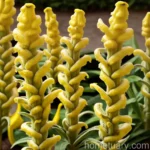
All About Plant Verbascum ‘Caribbean Crush’
Plants have been an integral part of human life for centuries. From providing food and medicine to adding aesthetic value to our surroundings, plants play a significant role in our lives. The Verbascum ‘Caribbean Crush’ is one such plant that not only adds beauty to our gardens but also holds various other cultural and medicinal significance.
In this extensive guide, we will delve deep into the world of Verbascum ‘Caribbean Crush,’ exploring its characteristics, care requirements, uses, and much more. Whether you are a seasoned gardener or just starting with your green journey, this comprehensive resource will provide you with valuable insights into the cultivation and maintenance of Verbascum ‘Caribbean Crush.’
What is Plant Verbascum ‘Caribbean Crush’?
The Verbascum ‘Caribbean Crush’ is a visually striking plant known for its tall spires of vibrant blooms, making it a popular choice for gardeners looking to add a pop of color to their landscapes. It belongs to the genus Verbascum, which encompasses over 250 species of flowering plants commonly known as mulleins. These herbaceous biennials or short-lived perennials are native to Europe and Asia and have found their way into gardens around the world due to their ornamental appeal.
The ‘Caribbean Crush’ variety of Verbascum is particularly sought after for its showy, cup-shaped flowers that come in a delightful blend of hues, ranging from soft pastel pinks to rich coral tones. The distinct coloration of its blooms sets it apart from other Verbascum varieties, making it a standout choice for garden beds, borders, and containers.
Key Takeaways – Verbascum ‘Caribbean Crush’
Before we dive into the specifics of caring for Verbascum ‘Caribbean Crush,’ let’s summarize the key takeaways and essentials that will be covered in this detailed guide:
- Scientific Name: Verbascum ‘Caribbean Crush’
- Common Name: Caribbean Crush Mullein
- Plant Type: Herbaceous Biennial/Short-lived Perennial
- Hardiness Zones: 5-9
- Mature Height: 3-4 feet
- Bloom Time: Late Spring to Early Summer
- Exposure: Full Sun
- Soil: Well-draining, Sandy Loam
- Water: Low to Moderate
- Uses: Ornamental, Pollinator-friendly
- Container-friendly: Yes
- Common Diseases: Rust, Powdery Mildew, Crown Rot
- Common Pests: Aphids, Spider Mites
Now, let’s delve into the specifics of caring for and cultivating this unique and visually captivating plant.
Culture of Verbascum ‘Caribbean Crush’
The culture of Verbascum ‘Caribbean Crush’ encompasses various aspects of its care, including its preferred growing conditions, maintenance requirements, and suitable companions. By understanding the cultural needs of this plant, you can ensure its optimal growth and health in your garden or landscape.
Uses
The Verbascum ‘Caribbean Crush’ serves both ornamental and ecological purposes in garden settings. Its tall, majestic flower spikes not only add visual interest to borders and flower beds but also attract a plethora of pollinators, including bees and butterflies. Additionally, its dramatic silhouette makes it an excellent choice for landscape focal points or as a backdrop for smaller flowering plants.
Water
When it comes to watering Verbascum ‘Caribbean Crush,’ it’s crucial to strike a balance to prevent waterlogged conditions, which can lead to root rot. This plant prefers well-draining soil and moderate moisture levels, particularly during the initial stages of growth and establishment. Once established, it exhibits a degree of drought tolerance and requires minimal supplemental watering, making it suitable for xeriscaping and low-water gardens.
Sunlight
For optimal growth and flowering, Verbascum ‘Caribbean Crush’ thrives in full sun. Select a location in your garden or landscape that receives at least 6-8 hours of direct sunlight daily to ensure vibrant blooms and sturdy, healthy foliage.
Fertilizer
The cultural requirements of Verbascum ‘Caribbean Crush’ extend to its fertilization needs. While this plant is relatively low-maintenance, providing it with a balanced, all-purpose fertilizer in early spring can support its growth and flowering performance. Avoid excessively high-nitrogen fertilizers, as they may encourage lush foliage at the expense of flower production.
Soil
As for soil preferences, Verbascum ‘Caribbean Crush’ favors well-draining, sandy loam that is moderately fertile. It is essential to ensure good drainage to prevent waterlogging, especially during the winter months. Amending heavy clay soils with organic matter such as compost or peat can help improve soil structure and drainage for optimal growth.
Pruning
Pruning plays a crucial role in maintaining the overall health and appearance of Verbascum ‘Caribbean Crush.’ Deadheading spent blooms not only promotes continuous flowering but also prevents the plant from diverting energy into seed production. Additionally, removing any damaged or diseased foliage can help enhance air circulation around the plant, reducing the risk of fungal diseases.
Propagation of Verbascum ‘Caribbean Crush’
The propagation of Verbascum ‘Caribbean Crush’ can be achieved through both seeds and division, providing gardeners with options to expand their plantings or share this captivating variety with fellow plant enthusiasts.
Seeds
Sowing Verbascum ‘Caribbean Crush’ seeds directly into the garden bed in the fall or early spring can yield new plants the following season. Ensure good seed-to-soil contact and lightly cover the seeds with a thin layer of soil. Keep the area consistently moist until germination occurs, typically within 14-21 days under suitable conditions.
Division
In the case of established Verbascum ‘Caribbean Crush’ plants, division can be employed to create new plants and rejuvenate older clumps. Dividing the plant every 2-3 years during the early spring allows you to propagate healthy, vigorous sections, each with the potential to develop into robust, flowering specimens.
Container Popularity of Verbascum ‘Caribbean Crush’
The striking visual appeal and relatively compact size of Verbascum ‘Caribbean Crush’ make it well-suited for container cultivation, opening up new possibilities for gardeners with limited space or those looking to introduce vertical interest to their patios or balconies.
Container Uses
When grown in containers, Verbascum ‘Caribbean Crush’ can serve as a focal point, adding vertical dimension to your outdoor spaces. Its vivid blooms and tall flower spikes create a dramatic effect in patio planters, large containers, or decorative urns. Additionally, container-grown specimens can be strategically placed to complement other potted plants and ornamental foliage, enhancing the overall aesthetic of your outdoor living areas.
Container Care
Proper container care for Verbascum ‘Caribbean Crush’ involves selecting a pot with adequate drainage holes, as this plant is sensitive to waterlogged conditions. Using well-draining, high-quality potting mix and providing regular, even moisture – allowing the soil to dry out slightly between waterings – can help maintain healthy growth and flowering. Ensure that the container receives ample sunlight and consider staking taller specimens to prevent breakage or toppling in windy conditions.
Common Diseases and Pest Management
Like many plants, Verbascum ‘Caribbean Crush’ is susceptible to certain diseases and pests that can affect its health and appearance if not addressed promptly. Familiarizing yourself with these potential issues and implementing proactive measures can help mitigate their impact and preserve the vitality of your plants.
Common Diseases
-
Rust: This fungal disease manifests as orange, yellow, or brown spots on the leaves, often leading to premature leaf drop and stunted growth. To manage rust, promptly remove and dispose of affected plant material, and ensure good air circulation around the plant by spacing it adequately and avoiding overhead watering.
-
Powdery Mildew: Powdery mildew presents as a white, powdery coating on the leaves, stems, and flowers of Verbascum ‘Caribbean Crush.’ To combat powdery mildew, employ cultural practices such as providing ample sunlight and good air circulation, as well as using fungicidal treatments as necessary.
-
Crown Rot: Excessive moisture and poorly drained soils can contribute to the development of crown rot in Verbascum ‘Caribbean Crush.’ To prevent this condition, ensure proper soil drainage and avoid overwatering, especially during periods of high rainfall or in heavy clay soils.
Disease Diagnosis
When diagnosing potential diseases in Verbascum ‘Caribbean Crush,’ it is essential to closely inspect the plant for any visible symptoms, such as unusual spots, discoloration, or powdery residues. Additionally, monitoring environmental conditions and cultural practices can help identify underlying factors contributing to any observed decline in plant health.
Common Pests
-
Aphids: These small, pear-shaped insects can cluster on the tender new growth of Verbascum ‘Caribbean Crush,’ sucking sap from the plant and causing distortion and curling of the foliage. To control aphids, use a forceful stream of water to dislodge them from the plant, or consider employing natural predators such as ladybugs or lacewings.
-
Spider Mites: Spider mites are another potential pest that can infest Verbascum ‘Caribbean Crush,’ particularly in hot, dry conditions. These tiny arachnids feed on plant sap, causing stippling and webbing on the foliage. Regularly misting the plant and using insecticidal soap can help manage spider mite populations and prevent damage to the plant.
Botanist’s Tips for Growing Verbascum ‘Caribbean Crush’
As a plant scientist, I am pleased to offer some expert tips for growing and caring for Verbascum ‘Caribbean Crush,’ derived from both scientific knowledge and practical experience.
-
Site Selection: When choosing a location for planting Verbascum ‘Caribbean Crush,’ prioritize a sunny, well-drained spot that can accommodate its mature height and provide an optimal growing environment.
-
Organic Practices: Embrace organic gardening practices when cultivating Verbascum ‘Caribbean Crush,’ focusing on building healthy soil, utilizing natural pest control methods, and minimizing the use of synthetic chemicals.
-
Pruning Timing: Engage in regular deadheading to prolong the flowering period of Verbascum ‘Caribbean Crush,’ ensuring the removal of spent blooms to encourage continuous flowering and prevent self-seeding.
-
Companion Planting: Pair Verbascum ‘Caribbean Crush’ with complementary perennials, such as salvias, echinaceas, and ornamental grasses, to create visually appealing combinations and enhance biodiversity in your garden.
-
Cultural Monitoring: Regularly monitor the plant for signs of stress, disease, or pest infestations, intervening as needed to maintain its health and vigor.
Fun Facts about Verbascum ‘Caribbean Crush’
To further enrich your understanding and appreciation of Verbascum ‘Caribbean Crush,’ let’s explore some intriguing and lesser-known facts about this captivating plant:
-
Historical Significance: Mullein, including the Verbascum genus, holds historical significance in various cultures, where it has been utilized for its medicinal properties and regarded as a symbol of protection and cleansing.
-
Ethnobotanical Uses: The leaves of Verbascum plants have been traditionally used to create herbal smoking blends and offer respiratory support, reflecting the diverse ethnobotanical uses associated with this genus.
-
Wild Habitats: While cultivated for ornamental purposes, many Verbascum species can be found in diverse wild habitats, from sunny meadows and open woodlands to grassy slopes and rocky outcrops across their native range.
-
Biennial Life Cycle: The biennial nature of many Verbascum species, including Verbascum ‘Caribbean Crush,’ adds an element of anticipation to their cultivation, as they complete their life cycle over a span of two years before producing flowering stems.
-
Ecological Importance: Due to their nectar-rich blooms, Verbascum ‘Caribbean Crush’ and related species play a crucial role in supporting pollinators, including bees, moths, and other beneficial insects, contributing to the ecological diversity of their habitats.
Links to External Resources
For further exploration of the world of Verbascum ‘Caribbean Crush’ and related topics, consider delving into the following external resources:
- Royal Horticultural Society – Growing Verbascum
- University of Maryland Extension – Verbascum Diseases
- American Society for the Prevention of Cruelty to Animals – Toxic and Non-Toxic Plants: Mullein
As you continue your journey of horticultural exploration, these resources can serve as valuable references and sources of in-depth information on Verbascum ‘Caribbean Crush’ and its related horticultural and botanical aspects. Happy gardening!
In conclusion, the Plant Verbascum ‘Caribbean Crush’ offers a delightful addition to gardens, showcasing its vibrant blooms, ecological contributions, and cultural significance. By understanding and implementing the insights shared in this comprehensive guide, you can embark on a rewarding journey of cultivating and caring for this visually captivating plant, enriching your outdoor spaces and embracing the wonder of the natural world.
The blog post provides a comprehensive overview of the Plant Verbascum ‘Caribbean Crush,’ covering its culture, uses, propagation, container popularity, common diseases, pest management, botanist’s tips, and fun facts. Additionally, it includes key takeaways and links to external resources for further exploration.