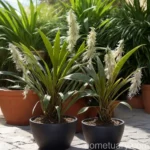
Veratrum formosanum: A Comprehensive Care Guide
Welcome to our comprehensive care guide for Veratrum formosanum, a stunning perennial plant known for its ornamental beauty and unique characteristics. In this guide, we will explore the culture, uses, care requirements, and fascinating aspects of the Veratrum formosanum. Whether you’re a seasoned gardener or a beginner looking to expand your plant collection, this guide will provide valuable insights into cultivating and caring for this captivating plant species.
What is Veratrum formosanum?
Veratrum formosanum, commonly known as the Taiwanese false hellebore, is a herbaceous perennial plant belonging to the Melanthiaceae family. This striking plant is native to Taiwan and is renowned for its tall flower spikes, broad leaves, and vibrant green foliage. It typically thrives in moist woodland settings and is often prized for its landscape and ornamental value.
Key Takeaways
Before delving into the details of Veratrum formosanum care, let’s highlight some key points about this intriguing plant:
- Botanical Name: Veratrum formosanum
- Common Name: Taiwanese false hellebore
- Plant Type: Herbaceous perennial
- Family: Melanthiaceae
- Native Range: Taiwan
- Growth Habit: Clump-forming
- Flowering Season: Late spring to early summer
- Toxicity: All parts of the plant contain toxic alkaloids and should be handled with caution
- Landscape Uses: Ornamental gardens, naturalistic landscapes, and woodland settings
- Wildlife Attractant: Attracts pollinators such as bees and butterflies
Now that we’ve established an overview of Veratrum formosanum, let’s dive into the specific aspects of its culture and care.
Culture
Cultivating Veratrum formosanum involves understanding its unique requirements for water, sunlight, soil, and other essential elements. Achieving optimal growing conditions is crucial for the plant’s health and overall vigor.
Water
Veratrum formosanum thrives in consistently moist soil and is well-suited to locations with ample moisture, such as woodland gardens or areas with access to regular irrigation. Adequate moisture levels are especially important during the plant’s active growth period and flowering stage. While the plant benefits from moist conditions, it is essential to ensure that the soil has proper drainage to prevent waterlogging, which can lead to root rot and other issues.
Sunlight
In terms of sunlight requirements, Veratrum formosanum prefers partial to full shade. As a native woodland plant, it naturally thrives in shaded environments and can tolerate dappled sunlight. When selecting a planting site, aim to provide the plant with protection from intense midday sun, particularly in regions with hot summers. Inadequate shade may cause the plant’s foliage to scorch or wilt, so finding a balance of light and shade is crucial for its well-being.
Soil
The soil characteristics significantly influence the growth and development of Veratrum formosanum. It prefers rich, organic soil with good moisture retention capabilities. A loose, well-draining soil texture is ideal for preventing waterlogged conditions and ensuring the roots have access to sufficient oxygen. To enhance the soil’s organic content and fertility, amending with compost or well-rotted organic matter before planting can be beneficial.
Fertilizer
When it comes to fertilization, Veratrum formosanum benefits from a balanced, slow-release fertilizer applied in early spring as new growth emerges. Using a fertilizer with a balanced N-P-K (nitrogen, phosphorus, and potassium) ratio can support the plant’s overall health and encourage robust growth. Avoid over-fertilizing, as excessive nutrients can lead to lush foliage but may compromise the plant’s natural resilience.
Uses
Beyond its aesthetic appeal, Veratrum formosanum offers various uses and applications in both traditional and contemporary contexts. Understanding the plant’s potential benefits and uses can provide valuable insights for incorporating it into different settings.
Medicinal Properties
Veratrum formosanum has a long history of traditional medicinal use in certain cultures, primarily for its potential cardiac effects. However, it is important to note that the plant contains toxic alkaloids and should not be ingested or used for medicinal purposes without proper expertise and guidance. The toxic nature of the plant necessitates extreme caution when handling it, especially if there are children and pets in the vicinity.
Landscape Design
In ornamental and landscape design, Veratrum formosanum adds a distinctive touch to shaded gardens, woodland settings, and naturalistic landscapes. Its architectural form, tall flower spikes, and lush foliage make it an excellent choice for creating visual interest and structural appeal. When strategically planted among other shade-loving perennials and woodland plants, it contributes to a harmonious and diverse garden composition.
Pruning
Proper pruning practices are essential for maintaining the health and appearance of Veratrum formosanum. As the plant matures, it may benefit from periodic maintenance to remove spent flower stems, promote airflow, and manage its overall growth.
Pruning Techniques
After the flowering season, prune the faded flower spikes down to ground level to promote a tidy appearance and encourage the plant to allocate its energy towards root and foliage development. Additionally, removing any damaged or yellowing leaves can help enhance the plant’s aesthetic appeal and prevent disease issues. Pruning should be carried out with sharp, clean tools to minimize the risk of damage and promote rapid healing of pruning wounds.
Propagation
Propagating Veratrum formosanum allows for the expansion of its presence in the garden or landscape. Knowing the preferred propagation methods and techniques can facilitate the successful establishment of new plants.
Propagation Methods
Veratrum formosanum can be propagated through division, seed sowing, or rhizome cuttings. Dividing established clumps in early spring or autumn is a reliable way to create new plantings. Carefully lift the plant and divide the rhizomes, ensuring that each division has sufficient roots and shoots for successful establishment. Seed propagation is another option, although it may take longer to yield mature plants. Sow the seeds in a suitable growing medium and provide consistent moisture and warmth for germination. Rhizome cuttings, taken from healthy, established plants, can also be used to propagate new specimens.
Common Diseases and Pests
Like many plants, Veratrum formosanum is susceptible to certain diseases and pest issues that can impact its overall vigor and appearance. Identifying these potential challenges and taking proactive measures can help maintain the plant’s health.
Disease Diagnosis
Veratrum formosanum may be prone to foliar diseases such as leaf spot and powdery mildew, particularly in conditions of high humidity and poor air circulation. Inspecting the foliage for signs of discoloration, spotting, or powdery coatings can aid in diagnosing potential disease problems. Implementing cultural practices that promote good air circulation, such as proper spacing and pruning, can mitigate the risk of foliar diseases.
Common Pests
Pests such as aphids, spider mites, and snails may occasionally target Veratrum formosanum, particularly in favorable environmental conditions. These pests can cause varying degrees of damage, ranging from sucking sap from the plant to feeding on its foliage. Regular monitoring of the plant for pest activity and the immediate implementation of control measures, such as insecticidal soap for aphids or physical removal of snails, can help manage pest populations effectively.
Botanist’s Tips
To enhance your understanding and appreciation of Veratrum formosanum, here are some additional insights and tips from a botanist’s perspective:
-
Native Habitat: Veratrum formosanum is indigenous to the forested regions of Taiwan, where it thrives in moist, shaded environments with rich, organic soil.
-
Ethnobotanical Significance: In certain cultures, Veratrum formosanum holds traditional and ethnobotanical significance, with historical uses ranging from medicinal applications to cultural symbolism.
-
Companion Plants: When selecting companion plants for Veratrum formosanum, consider shade-loving perennials such as ferns, hostas, and pulmonarias, which can complement its growth habit and contribute to a harmonious woodland garden theme.
Fun Facts
Adding some fascinating and lesser-known facts about Veratrum formosanum can further enrich your knowledge and appreciation of this captivating plant:
-
Veratrum formosanum is categorized as a “primitive” plant, sharing evolutionary characteristics with ancient plant lineages.
-
The genus name “Veratrum” is derived from the Latin term “vera” meaning “true” and “terere” meaning “to rub,” referencing the historical use of false hellebores in folk medicine.
-
While the plant’s ornamental value is well-recognized, its toxic nature underscores the importance of handling it with caution and respect for its natural properties.
Links to External Resources
For further exploration of Veratrum formosanum and related topics, the following external resources provide valuable information and insights:
- Veratrum formosanum: The Royal Botanic Garden Edinburgh
- Plant Propagation Techniques: University of Maryland Extension
- Managing Garden Pests: University of California Agriculture and Natural Resources
In conclusion, Veratrum formosanum offers a blend of ornamental beauty, cultural significance, and ecological value, making it a compelling addition to diverse garden settings. By understanding its unique characteristics and implementing appropriate care practices, you can cultivate and appreciate this remarkable plant with confidence.
Whether you’re drawn to its elegant foliage, architectural form, or historical significance, the nuanced beauty of Veratrum formosanum invites exploration and admiration. Embracing its rich botanical heritage and resilience, incorporating Veratrum formosanum into your garden can contribute to a dynamic and multifaceted landscape that honors both its visual allure and ecological importance.