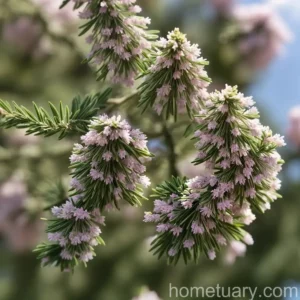
Vaccinium corymbosum Midnight Cascade: A Blueberry Variety with Ornamental Appeal
Introduction
Blueberries are known for their delicious taste and numerous health benefits, making them a popular choice among fruit enthusiasts and gardeners. One particularly intriguing variety is the Vaccinium corymbosum Midnight Cascade or simply Midnight Cascade. With its unique characteristics and versatile uses, this blueberry plant has gained attention not only for its culinary advantages but also for its ornamental appeal.
In this comprehensive guide, we will explore everything about the Vaccinium corymbosum Midnight Cascade, from its cultivation and care tips to its uses, common diseases, and pest control methods. This blog post aims to provide valuable insights into the world of Midnight Cascade blueberries, equipping both enthusiasts and professionals with the knowledge they need to grow and enjoy this exceptional variety.
What is Vaccinium corymbosum Midnight Cascade?
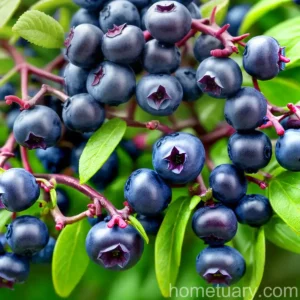
Vaccinium corymbosum Midnight Cascade is a unique blueberry variety known for its striking ornamental appeal, making it a desirable addition to home gardens and landscapes. The Midnight Cascade blueberry plant is prized not only for its attractive appearance but also for its delicious, sweet-tasting fruits. It belongs to the Vaccinium genus, which encompasses a diverse range of blueberry species.
Key Takeaways – Vaccinium corymbosum Midnight Cascade
Before delving deeper into the cultivation and uses of Vaccinium corymbosum Midnight Cascade, let’s summarize some crucial aspects:
-
Cultural Preferences: Understanding the cultural requirements of Midnight Cascade blueberries is essential for successful cultivation. This includes considerations such as water, sunlight, fertilizer, soil, and pruning techniques.
-
Propagation and Container Gardening: Learning about the propagation methods and container gardening tips for Vaccinium corymbosum Midnight Cascade can help gardeners optimize space and resources.
-
Disease Resistance and Pest Control: Recognizing common diseases and pests that affect Midnight Cascade blueberries is crucial for maintaining plant health and fruit production.
-
Health Benefits and Culinary Uses: Exploring the health benefits and culinary uses of Midnight Cascade blueberries highlights their versatility and nutritional value.
-
Landscape and Ornamental Advantages: Discovering the ornamental appeal and landscape benefits of Vaccinium corymbosum Midnight Cascade sheds light on its aesthetic contributions to gardens and outdoor spaces.
Now, let’s delve into each of these aspects in detail, beginning with the cultural preferences of Midnight Cascade blueberries.
Cultural Preferences
The cultural preferences of Vaccinium corymbosum Midnight Cascade encompass various factors that directly influence its growth, productivity, and overall well-being. Understanding these preferences is crucial for providing suitable conditions that promote healthy plant development and abundant fruit production.
Water
Proper watering is essential for the health and vitality of Midnight Cascade blueberries. As with most blueberry varieties, maintaining consistent soil moisture without waterlogging is crucial. Adequate watering during the growing season, especially during dry spells, helps support the development of plump and juicy blueberries. Midnight Cascade requires around 1 to 2 inches of water per week, either from rainfall or irrigation, especially during the fruiting stage.
Sunlight
Sunlight plays a pivotal role in the growth and fruiting of Midnight Cascade blueberries. A full-sun location is ideal, providing at least 6 to 8 hours of direct sunlight daily. Insufficient sunlight can lead to reduced flowering and fruit set, affecting the overall yield and quality of the blueberries.
Fertilizer
Fertilization is a key aspect of blueberry care, and Vaccinium corymbosum Midnight Cascade is no exception. Choosing a suitable fertilizer and understanding the specific nutrient requirements of blueberries is crucial for promoting vigorous growth and fruit production. Using a balanced fertilizer designed for acid-loving plants, or one specifically formulated for blueberries, can help maintain optimal soil pH and provide essential nutrients. Many gardeners opt for an acidic, slow-release fertilizer to sustainably nourish their Midnight Cascade blueberry plants throughout the growing season.
Soil
The right soil conditions are paramount for the successful cultivation of Vaccinium corymbosum Midnight Cascade. Blueberries thrive in well-draining, acidic soil with a pH level between 4.5 and 5.5. The soil should also be rich in organic matter, promoting healthy root development and overall plant vigor. Amending the soil with organic materials such as peat moss, pine bark, or compost can enhance its structure and nutrient content, creating an optimal growing environment for Midnight Cascade blueberries.
Pruning
Pruning is an essential practice for maintaining the health and productivity of Vaccinium corymbosum Midnight Cascade. Proper pruning helps remove dead or diseased wood, improve air circulation, and encourage the growth of new shoots and fruiting wood. Additionally, selectively pruning to shape the plant can enhance its ornamental appeal while facilitating easier maintenance and harvesting.
Propagation and Container Gardening
The propagation of Vaccinium corymbosum Midnight Cascade enables gardeners to expand their blueberry collection and cultivate these exceptional plants in various settings, including containers. Understanding propagation methods and container gardening tips is invaluable for those looking to optimize space and diversify their gardening endeavors.
Propagation
Midnight Cascade blueberries can be propagated through several methods, including:
-
Softwood Cuttings: Propagating blueberries from softwood cuttings involves taking young, actively growing shoots and encouraging them to root in a suitable growing medium.
-
Hardwood Cuttings: Hardwood cuttings, typically collected during the dormant season, can also be utilized to propagate new Midnight Cascade blueberry plants.
-
Division: Dividing established blueberry plants allows gardeners to create new individuals with desirable traits, including disease resistance and fruit quality.
By understanding these propagation techniques, gardeners can propagate Vaccinium corymbosum Midnight Cascade, ensuring a constant supply of these exceptional blueberry plants for their gardens or for sharing with fellow enthusiasts.
Container Gardening
Container gardening offers a versatile and space-efficient approach to cultivating Vaccinium corymbosum Midnight Cascade, especially for those with limited outdoor space or for individuals seeking decorative, edible additions to their patios, balconies, or porches. When growing Midnight Cascade blueberries in containers, several factors should be considered:
-
Container Size: Selecting a suitably sized container that accommodates the plant’s root system while providing adequate space for growth is crucial.
-
Well-Draining Soil: Using a well-draining, acidic potting mix designed for acid-loving plants is essential for promoting healthy root development and overall plant vigor.
-
Sunlight Requirements: Positioning the containers in a location that receives sufficient sunlight is vital for promoting fruiting and ensuring the plant’s overall well-being.
Container gardening enables gardeners to showcase the ornamental appeal of Midnight Cascade blueberries while enjoying the convenience of growing these remarkable plants in diverse environments.
Disease Resistance and Pest Control
Maintaining the health and vitality of Vaccinium corymbosum Midnight Cascade involves recognizing common diseases and pests that may affect blueberry plants. By understanding disease resistance and implementing effective pest control methods, gardeners can safeguard their Midnight Cascade blueberries and promote optimal fruit production.
Common Diseases
Some common diseases that may affect Vaccinium corymbosum Midnight Cascade include:
-
Powdery Mildew: This fungal disease can affect the foliage of blueberry plants, leading to a white powdery coating on the leaves and potential distortion or reduced vigor.
-
Mummy Berry: Mummy berry is a fungal disease that affects the fruit, causing significant damage and reducing the quality and yield of blueberries.
-
Leaf Spot: Leaf spot diseases can impact the foliage of blueberry plants, resulting in discolored spots or lesions that may affect plant health and aesthetics.
Disease Diagnosis
Proper diagnosis of diseases affecting Midnight Cascade blueberries is crucial for implementing targeted control measures. By recognizing the symptoms and characteristics of common blueberry diseases, gardeners can take proactive steps to manage and mitigate potential damage.
Common Pests
Pests that may affect Vaccinium corymbosum Midnight Cascade include:
-
Birds: Birds can pose a significant threat to blueberry plants, especially during the fruiting stage, leading to losses and reduced yield if not adequately controlled.
-
Spider Mites: These tiny pests can infest blueberry plants, causing damage to the foliage and affecting the overall health and appearance of the plants.
-
Japanese Beetles: Japanese beetles are known to feed on blueberry foliage and can cause defoliation if populations are not managed effectively.
Pest Control
Implementing effective pest control measures is essential for protecting Vaccinium corymbosum Midnight Cascade from potential damage. Some strategies for pest control include:
-
Netting: Using bird netting to protect blueberry plants from bird damage during the fruiting season can help preserve the yield and quality of the harvest.
-
Horticultural Oils: Applying horticultural oils can help manage spider mite populations, reducing their impact on the foliage of blueberry plants.
-
Natural Predators: Encouraging the presence of natural predators, such as predatory insects and birds that feed on pests, can contribute to the biological control of pest populations.
By implementing these pest control methods and maintaining proactive monitoring, gardeners can protect their Midnight Cascade blueberries and ensure their continued health and productivity.
Health Benefits and Culinary Uses
Vaccinium corymbosum Midnight Cascade offers not only ornamental advantages but also numerous health benefits and versatile culinary uses. Exploring the nutritional value and potential applications of Midnight Cascade blueberries highlights their significance as a valuable addition to home gardens and kitchen endeavors.
Health Benefits
Blueberries, including the Midnight Cascade variety, are renowned for their exceptional nutritional profile and potential health benefits. Some key health benefits of blueberries include:
-
Antioxidant Properties: Blueberries are rich in antioxidants, such as anthocyanins, which have been associated with various health-promoting effects, including potential anti-inflammatory and neuroprotective properties.
-
Vitamins and Minerals: Blueberries are a good source of essential vitamins and minerals, including vitamin C, vitamin K, and manganese, contributing to overall health and well-being.
-
Dietary Fiber: The dietary fiber content in blueberries supports digestive health and may play a role in supporting heart health and blood sugar management.
Culinary Uses
Vaccinium corymbosum Midnight Cascade blueberries offer a diverse range of culinary applications, including:
-
Fresh Consumption: The sweet, flavorful berries can be enjoyed fresh as a nutritious and refreshing snack, promoting the intake of essential vitamins and antioxidants.
-
Baking and Cooking: Midnight Cascade blueberries are well-suited for baking into pies, crumbles, muffins, and other delightful treats, adding a burst of flavor and vibrant color to various dishes.
-
Preserving: Blueberries can be preserved as jams, jellies, or preserves, allowing the enjoyment of their delicious flavor year-round.
By incorporating Midnight Cascade blueberries into diverse culinary endeavors, individuals can savor their nutritional benefits while indulging in the delightful taste of these exceptional fruits.
Landscape and Ornamental Advantages
Vaccinium corymbosum Midnight Cascade offers exceptional ornamental appeal, making it a valuable addition to landscapes, gardens, and outdoor spaces. Understanding its landscape advantages and ornamental features sheds light on its potential contributions to outdoor environments.
Aesthetic Appeal
The ornamental appeal of Vaccinium corymbosum Midnight Cascade is characterized by several striking features, including:
-
Weeping Habit: The weeping growth habit of Midnight Cascade blueberries adds a unique and intriguing visual element to the landscape, creating a captivating focal point.
-
Seasonal Interest: The plant exhibits seasonal interest, with delicate white flowers in spring, followed by the development of small, dark blue berries, and vibrant autumn foliage color.
-
Versatile Use: Midnight Cascade blueberries can be integrated into various outdoor settings, including garden beds, borders, and decorative containers, enhancing the aesthetic appeal of the surroundings.
Landscape Benefits
In addition to its visual appeal, Vaccinium corymbosum Midnight Cascade offers several practical landscape benefits, including:
-
Pollinator Attraction: The flowers of Midnight Cascade blueberries attract pollinators, supporting the health and biodiversity of the surrounding ecosystem.
-
Edible Landscaping: Incorporating Vaccinium corymbosum Midnight Cascade into edible landscaping designs allows for the integration of beautiful, productive plants into outdoor spaces.
-
Year-Round Interest: The weeping form, seasonal blooms, and fruiting of Midnight Cascade blueberries contribute to year-round interest in the landscape, creating an ever-changing and visually engaging scene.
By leveraging the landscape and ornamental advantages of Midnight Cascade blueberries, gardeners and landscape enthusiasts can enrich outdoor environments while reaping the rewards of its visual and practical contributions.
Conclusion
Vaccinium corymbosum Midnight Cascade stands out as a remarkable blueberry variety, combining ornamental charm with delicious, healthful fruits. Understanding its cultural preferences, propagation methods, disease resistance, and landscape advantages provides valuable insights for successful cultivation and enjoyment. By incorporating these insights into the planning and care of Midnight Cascade blueberries, gardeners can celebrate the beauty and bounty of this exceptional plant in their home gardens and outdoor spaces.
As we’ve explored in this comprehensive guide, the world of Vaccinium corymbosum Midnight Cascade offers a wealth of benefits, from its striking appearance and versatile uses to its potential contributions to edible landscapes and culinary adventures. With a foundation of knowledge and appreciation for its exceptional characteristics, growing and enjoying Midnight Cascade blueberries becomes a rewarding and enriching endeavor for gardeners and enthusiasts alike.
References
-
University of Florida IFAS Extension: Growing Blueberries in the Home Garden. https://edis.ifas.ufl.edu/publication/HS1076
-
North Carolina State University Cooperative Extension: Growing Blueberries in the Home Garden. https://content.ces.ncsu.edu/growing-blueberries-in-the-home-garden
-
Penn State College of Agricultural Sciences: Blueberry Production. https://extension.psu.edu/blueberry-production
-
University of Massachusetts Amherst: Home Lawn & Garden Factsheet – Growing Highbush Blueberries. https://ag.umass.edu/landscape/fact-sheets/growing-highbush-blueberries
-
The Ohio State University – Ohioline: Growing Blueberries in the Home Garden. https://ohioline.osu.edu/factsheet/hyg-1424