Plant Profile: Vaccinium ‘Top Hat’ (Blueberry)
Introduction
The Vaccinium ‘Top Hat’ is a dwarf blueberry plant known for its compact size, low maintenance, and high fruit production. This variety is particularly popular among gardeners with limited space and those seeking a low-maintenance blueberry plant. In this comprehensive guide, we will explore the characteristics, cultivation, care tips, and culinary uses of the Vaccinium ‘Top Hat’ (Blueberry) plant.
Key Takeaways – Vaccinium ‘Top Hat’ (Blueberry)
Culture
- Botanical Name: Vaccinium ‘Top Hat’
- Common Name: Top Hat Blueberry
- Plant Type: Deciduous shrub
- Mature Size: 18-24 inches tall and wide
- Growth Rate: Slow
Uses
- Garden: Suitable for small gardens and container gardening
- Landscape: Adds ornamental value with its compact size and fruit production
- Culinary: The fruits are edible and can be used in various recipes
Water
- Watering Frequency: Regular watering, especially during the growing season
- Soil Moisture: Moist, well-draining soil
- Irrigation: Drip irrigation is beneficial to maintain soil moisture
Sunlight
- Sun Exposure: Full sun to partial shade
- Light Requirements: Requires at least 6-8 hours of sunlight daily
Fertilizer
- Fertilization: Apply an acidic fertilizer formulated for blueberries
- Timing: Fertilize in early spring before new growth begins
Soil
- pH Level: Acidic soil with a pH of 4.5-5.5
- Soil Type: Well-draining, rich in organic matter
- Mulching: Mulch with pine bark or pine needles to maintain soil conditions
Pruning
- Pruning Time: Prune in late winter or early spring before new growth emerges
- Purpose: Remove dead/diseased wood and shape the plant
- Maintenance: Low pruning requirements due to compact growth
Propagation
- Propagation Methods: Softwood cuttings, hardwood cuttings, or layering
- Timing: Propagate in early summer for best results
Container Popularity
- Suitability: Ideal for container gardening due to its compact size
- Types of Containers: Choose well-draining containers with adequate depth for root growth
Container Common Diseases
- Soil-borne Diseases: Watch for root rot in containers, maintain proper drainage
- Regular Monitoring: Check for signs of nutrient deficiencies in container-grown plants
Disease Diagnosis
- Common Diseases: Anthracnose, Botrytis blight, and powdery mildew
- Symptoms: Leaf spots, wilting, and abnormal growth
- Preventive Measures: Proper sanitation and good air circulation
Common Pests
- Pest Types: Aphids, spider mites, and fruit flies
- Monitoring: Regularly inspect plants for pest infestations
- Control: Use organic insecticidal soaps or horticultural oils if pest populations increase
Botanist’s Tips
- Root Development: Monitor root growth in containers and provide adequate space
- Winter Protection: Protect container-grown plants from extreme cold temperatures
Fun Facts
- The Vaccinium ‘Top Hat’ is a versatile plant with ornamental, culinary, and landscape uses.
- Despite its small size, it produces an abundance of flavorful blueberries.
Links to External Resources
- Blueberry Planting and Growing Guide
- Container Gardening Tips for Blueberries
- Blueberry Recipes and Culinary Uses
Characteristics of Vaccinium ‘Top Hat’ (Blueberry)
The Vaccinium ‘Top Hat’ is a cultivar of the Vaccinium angustifolium, commonly known as lowbush blueberry. It is prized for its compact growth habit, making it suitable for small gardens, patios, and urban landscapes. Let’s delve into the various characteristics of this unique blueberry plant.
Vaccinium ‘Top Hat’ Characteristics
The ‘Top Hat’ blueberry plant exhibits the following distinctive characteristics:
- Size: Grows to a height and width of 18-24 inches, making it a dwarf or compact blueberry plant.
- Foliage: Small, glossy green leaves that turn shades of red and orange in the fall, enhancing its ornamental value.
- Flowering: Produces small, bell-shaped, white flowers in spring, attracting pollinators.
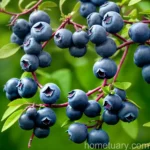
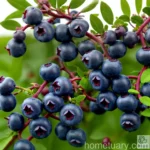
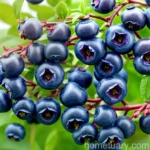
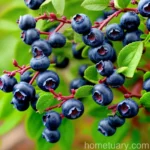
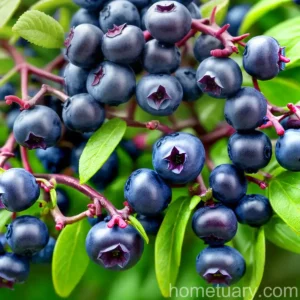
- Fruit: Yields an abundant harvest of small, sweet, and flavorful blueberries in mid to late summer.
- Adaptability: Well-suited for container gardening, small landscapes, and ornamental use.
Growing Vaccinium Top Hat
When it comes to cultivating the Vaccinium ‘Top Hat’ blueberry plant, providing the best conditions is essential for its overall growth and fruit production. Let’s explore the optimal requirements for successfully growing this compact blueberry variety.
Best Conditions for Vaccinium Top Hat
To ensure the successful growth of Vaccinium ‘Top Hat’ blueberries, the following conditions are ideal:
- Soil: Well-draining, acidic soil with a pH level between 4.5 and 5.5, enriched with organic matter.
- Sunlight: Requires full sun to partial shade, with a minimum of 6-8 hours of direct sunlight daily.
- Water: Regular watering is essential, especially during the growing season, to maintain soil moisture.
- Climate: Thrives in temperate climates with cold winters and moderate summers, typical of its native habitat.
- Fertilizer: Benefits from regular applications of an acidic fertilizer formulated for blueberries to meet its nutrient requirements.
Vaccinium Top Hat Cultivation
When cultivating the Vaccinium ‘Top Hat’ blueberry plant, consider the following key factors for its overall health and vigor:
- Planting: Space multiple plants at least 2 feet apart to allow for adequate air circulation and future growth.
- Mulching: Apply a layer of pine bark or pine needles to help retain soil moisture and regulate soil temperature.
- Pruning: Minimal pruning is required, focusing on removing dead or diseased wood and shaping the plant.
- Winter Care: Provide winter protection for plants cultivated in containers or exposed to harsh winter conditions.
Vaccinium ‘Top Hat’ Plant Profile
The plant profile of Vaccinium ‘Top Hat’ includes its characteristic traits, growth requirements, and cultivation recommendations that highlight its suitability for various garden and landscape settings.
Vaccinium Top Hat Variety
As a specific variety of blueberry plant, the ‘Top Hat’ exhibits unique traits, such as its compact size, abundant fruit production, and ornamental value, distinguishing it from other blueberry cultivars.
Vaccinium Top Hat Blueberry Shrub
Being a shrub, the Vaccinium ‘Top Hat’ complements landscape designs, adds ornamental value, and provides a bountiful harvest of flavorful blueberries, making it a multifaceted addition to garden spaces.
Small Blueberry Plant
The compact growth habit and diminutive size of the Vaccinium ‘Top Hat’ make it an ideal choice for small gardens, patios, and urban landscapes, where space may be limited, without compromising on fruit production.
Vaccinium ‘Top Hat’ Review
Gardeners and horticulturists recognize the ‘Top Hat’ for its reliable performance, compact growth, and flavorful blueberries, garnering positive reviews for its overall appeal and practicality in garden settings.
Cultivation and Maintenance of Vaccinium ‘Top Hat’ (Blueberry)
Successful cultivation and maintenance practices are essential for the optimal growth, health, and fruit production of the Vaccinium ‘Top Hat’ (Blueberry) plant. Let’s explore the various aspects of caring for this dwarf blueberry variety in garden and container settings.
Vaccinium Top Hat Care Tips
Implementing the following care tips ensures the well-being and productivity of the Vaccinium ‘Top Hat’ blueberry plant:
- Watering: Provide regular and consistent moisture, especially during the growing season, to support healthy growth and fruit development.
- Fertilization: Apply an acidic fertilizer specifically designed for blueberries in early spring to meet its nutritional needs.
- Pruning: Conduct minimal pruning to remove dead or diseased wood, maintain shape, and encourage new growth.
- Pollination: Encourage pollinator activity by planting compatible blueberry varieties in proximity to facilitate cross-pollination.
Best Conditions for Vaccinium Top Hat
Creating the best possible conditions for the Vaccinium ‘Top Hat’ blueberry plant significantly contributes to its overall health, vigor, and fruit production.
Vaccinium Top Hat Watering Requirements
The watering requirements of the Vaccinium ‘Top Hat’ blueberry plant ensure the adequate moisture levels crucial for its growth, flowering, and fruiting:
- Frequency: Regular watering, especially during dry spells and the growing season, to maintain consistent soil moisture.
- Soil Moisture: Ensure the soil remains consistently moist while avoiding waterlogged conditions that can lead to root rot.
- Irrigation: Utilize drip irrigation or soaker hoses to deliver targeted and consistent moisture directly to the plant’s root zone.
Best Fertilizer for Vaccinium Top Hat
Selecting the right fertilizer for the Vaccinium ‘Top Hat’ blueberry plant supports its nutritional requirements and overall growth:
- Acidic Fertilizer: Choose a fertilizer specifically formulated for acid-loving plants, such as blueberries, to meet its unique nutrient needs.
- Timing: Apply the fertilizer in early spring before new growth begins to provide essential nutrients for the upcoming growing season.
Vaccinium Top Hat Pruning
Pruning the Vaccinium ‘Top Hat’ blueberry plant is a minimal yet crucial aspect of its maintenance, focusing on promoting plant health and fruit production:
- Timing: Prune in late winter or early spring before new growth emerges to remove dead or diseased wood and shape the plant.
- Thinning: Remove crowded or crossing branches to improve air circulation and light penetration within the plant canopy.
- Maintenance: Due to its compact growth habit, the ‘Top Hat’ variety requires minimal pruning compared to larger blueberry plants.
Vaccinium Top Hat Disease Resistance
The disease resistance of the Vaccinium ‘Top Hat’ blueberry plant is an essential factor in maintaining its overall health and productivity:
- Resistant Varieties: Selecting disease-resistant varieties contributes to a lower risk of common blueberry diseases.
- Preventive Measures: Maintain good air circulation, proper sanitation, and monitor for signs of disease to prevent and mitigate potential issues.
Vaccinium Top Hat Harvest Time
Knowing the ideal time to harvest the fruits of the Vaccinium ‘Top Hat’ blueberry plant ensures the best flavor and quality:
- Harvest Period: Expect a mid to late summer harvest, typically 2-3 years after planting, once the berries have fully ripened.
- Fruit Quality: Harvest when the berries are fully colored, firm, and easily detach from the stem with a gentle tug.
Vaccinium Top Hat Container Gardening
Given its compact size, the ‘Top Hat’ blueberry plant is well-suited for container gardening, making it an attractive option for urban and small-space gardeners:
- Container Selection: Choose well-draining containers with adequate depth to accommodate the plant’s root system and promote healthy growth.
- Soil Quality: Utilize a high-quality, acidic potting mix tailored for acid-loving plants, providing essential nutrients and proper drainage.
- Placement: Position the containers in a location with ample sunlight and adequate air circulation for optimal growth and fruit production.
Vaccinium Top Hat Landscape Use
In landscape designs, the Vaccinium ‘Top Hat’ serves as an ornamental and productive addition, offering both aesthetic appeal and practical benefits:
- Ornamental Value: The compact size, foliage color changes, and fruit production contribute to its ornamental attributes in garden settings.
- Small Gardens: Well-suited for small gardens and urban landscapes due to its diminutive size and productivity.
Vaccinium Top Hat Suitability for Small Gardens
The compact and low-maintenance nature of the ‘Top Hat’ blueberry plant makes it an excellent choice for small gardens, balconies, patios, and other confined spaces:
- Space Optimization: Maximize available space by growing a productive blueberry plant despite limited garden area.
- Ornamental Appeal: Enhance the visual appeal of small gardens with the plant’s foliage, flowers, and fruit.
Vaccinium Top Hat Planting Instructions
Following specific planting instructions ensures the successful establishment and growth of the Vaccinium ‘Top Hat’ blueberry plant:
- Planting Depth: Set the plant at the same depth as it was in the nursery container, with the top of the root ball level with the soil surface.
- Spacing: Allow sufficient spacing between plants to accommodate their mature size and facilitate air circulation.
Vaccinium Top Hat in Different Climates
While the ‘Top Hat’ blueberry plant thrives in various climates, understanding its adaptability to different environmental conditions is crucial for successful cultivation:
- Temperate Climates: Flourishes in regions with cold winters and moderate summers, typical of its native habitat in North America.
- Climate Modification: Consider microclimate adjustments, such as providing winter protection in colder regions, to support plant health.
Vaccinium Top Hat Winter Care
Providing adequate winter care is vital for protecting the Vaccinium ‘Top Hat’ blueberry plant from harsh cold conditions and ensuring its vitality for the following growing season:
- Container Plants: Shield container-grown plants from extreme cold by insulating the containers or moving them to a sheltered location.
- Mulching: Apply a layer of mulch around the base of the plant to insulate the root system and protect it from winter temperature fluctuations.
Vaccinium Top Hat Soil Requirements
The soil requirements of the Vaccinium ‘Top Hat’ blueberry plant are crucial for its overall health, root development, and fruit production:
- Acidic Soil: Thrives in well-draining, acidic soil with a pH level between 4.5 and 5.5, enriched with organic matter.
- Amending Soil: Amend the soil with organic matter, such as peat moss, to enhance its acidity and improve its texture.
Vaccinium Top Hat Sun Exposure
Proper sun exposure is essential for the growth, flowering, and fruiting of the Vaccinium ‘Top Hat’ blueberry plant:
- Full Sun: Prefers full sun to partial shade, requiring a minimum of 6-8 hours of direct sunlight daily for optimal growth and fruit production.
- Light Requirements: Adequate sunlight promotes vigorous growth and the development of flavorful blueberries.
Vaccinium Top Hat Root System
Understanding the root system of the Vaccinium ‘Top Hat’ blueberry plant is crucial for its successful establishment and long-term growth:
- Surface Rooting: Develops a shallow, fibrous root system that benefits from mulching to maintain soil moisture and minimize temperature fluctuations.
- Container Growth: Regularly monitor root development in containers to ensure adequate space and prevent over-crowding.
Vaccinium Top Hat Foliage Color
The foliage of the Vaccinium ‘Top Hat’ blueberry plant undergoes color changes throughout the growing season, contributing to its ornamental appeal:
- Foliage Changes: The glossy green leaves transition to shades of red, orange, and purple during the fall, enhancing its visual interest in the landscape.
Vaccinium Top Hat Fruit Flavor
The fruits of the Vaccinium ‘Top Hat’ blueberry plant are renowned for their exceptional flavor and culinary versatility:
- Flavor Profile: Produces small, sweet, and flavorful blueberries that are ideal for fresh consumption, baking, and preserving.
- Culinary Uses: Adds a burst of flavor to various recipes, including jams, pies, smoothies, and desserts.
Vaccinium Top Hat Health Benefits
This blueberry variety offers numerous health benefits due to its high antioxidant content and nutritional value:
- Antioxidants: Rich in antioxidants, such as anthocyanins, that contribute to its potential health-promoting properties.
- Nutritional Value: Provides essential vitamins, minerals, and dietary fiber beneficial for overall well-being.
Vaccinium Top Hat Recipes
The versatile fruits of the Vaccinium ‘Top Hat’ blueberry plant can be used in a wide range of delectable recipes:
- Jam Making: Prepare flavorful jams and preserves using fresh ‘Top Hat’ blueberries for year-round enjoyment.
- Smoothie Recipes: Add a nutritious and flavorful boost to smoothies with the addition of ‘Top Hat’ blueberries.
- Pie Recipes: Create mouthwatering pies and tarts showcasing the sweet and tangy flavor of ‘Top Hat’ blueberries.
- Dessert Ideas: Incorporate the fruits into various desserts, such as cobblers, crisps, and parfaits, for a delightful treat.
Vaccinium Top Hat Culinary Uses
The flavorful and versatile nature of the ‘Top Hat’ blueberry plant lends itself to an array of culinary applications:
- Baked Goods: Enhance the taste of muffins, scones, and cakes with the addition of ‘Top Hat’ blueberries.
- Sauces: Develop tangy and sweet sauces for savory dishes using fresh or cooked ‘Top Hat’ blueberries.
- Salad Toppings: Use fresh ‘Top Hat’ blueberries as a vibrant and nutritious addition to salads and fruit medleys.
Vaccinium Top Hat Edible Blueberries
The fruits of the Vaccinium ‘Top Hat’ blueberry plant are not only flavorful but also safe for human consumption, allowing for a delightful and nutritious addition to various dishes.
Vaccinium Top Hat Landscaping Ideas
In garden and landscape settings, the Vaccinium ‘Top Hat’ blueberry plant offers several creative and practical landscaping ideas:
- Ornamental Borders: Use ‘Top Hat’ as an ornamental edging plant or as a low hedge to define garden beds and pathways.
- Container Displays: Showcase the compact plant in decorative containers, adding a pop of color and productivity to outdoor spaces.
Vaccinium Top Hat Wildlife Attraction
The fruits of the Vaccinium ‘Top Hat’ blueberry plant are known to attract wildlife, such as birds and pollinators, adding ecological value to garden landscapes:
- Birds: Draw songbirds and other bird species seeking the flavorful blueberries as a food source.
- Pollinators: Attract bees and other pollinating insects during the flowering season, aiding in fruit set and production.
Vaccinium Top Hat Flower Characteristics
The small, bell-shaped flowers of the Vaccinium ‘Top Hat’ blueberry plant contribute to its ornamental appeal and pollinator attraction:
- Flower Appearance: Produces delicate, white flowers in clusters that give way to the development of the flavorful blueberries.
- Pollinator Attraction: Attracts beneficial pollinators crucial for fruit set and overall plant health.
Conclusion
In conclusion, the Vaccinium ‘Top Hat’ (Blueberry) plant is a versatile, low-maintenance, and compact blueberry variety that offers ornamental, culinary, and landscape benefits. Its small size, abundant fruit production, and ornamental value make it an ideal choice for small gardens, container gardening, and ornamental landscaping. By understanding