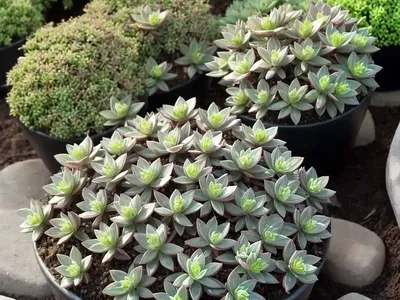
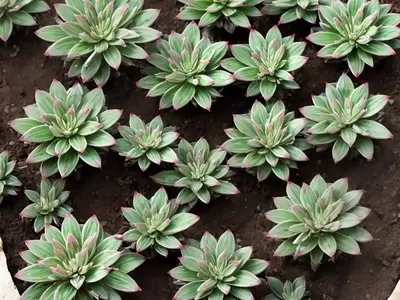
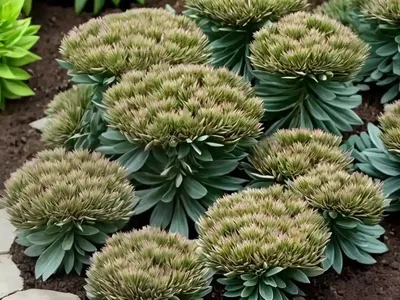
Sempervivum ‘Peggy’ (Hens And Chicks)
Sempervivum ‘Peggy,’ commonly known as Hens and Chicks, is a fascinating and resilient plant that has gained popularity among both experienced and novice.
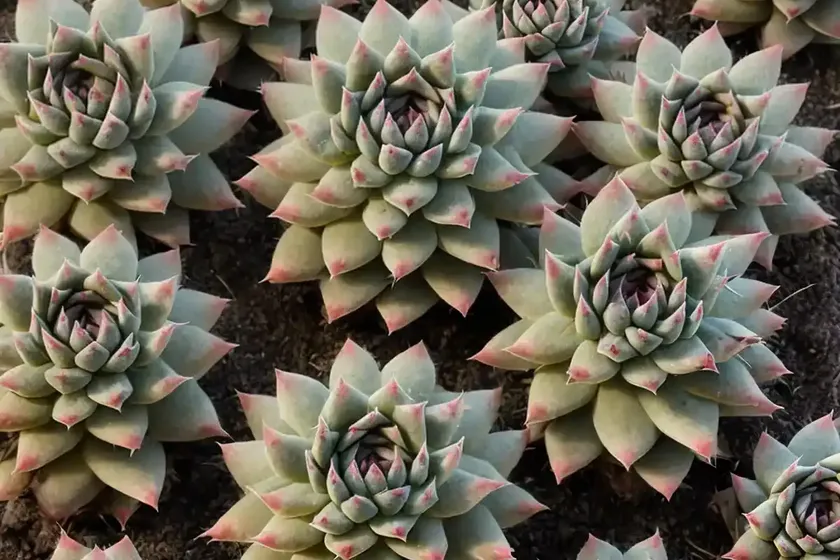
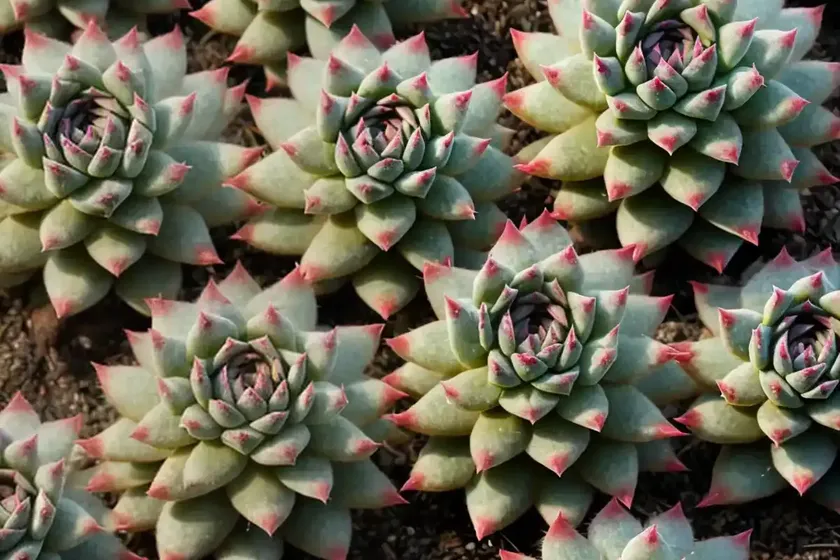
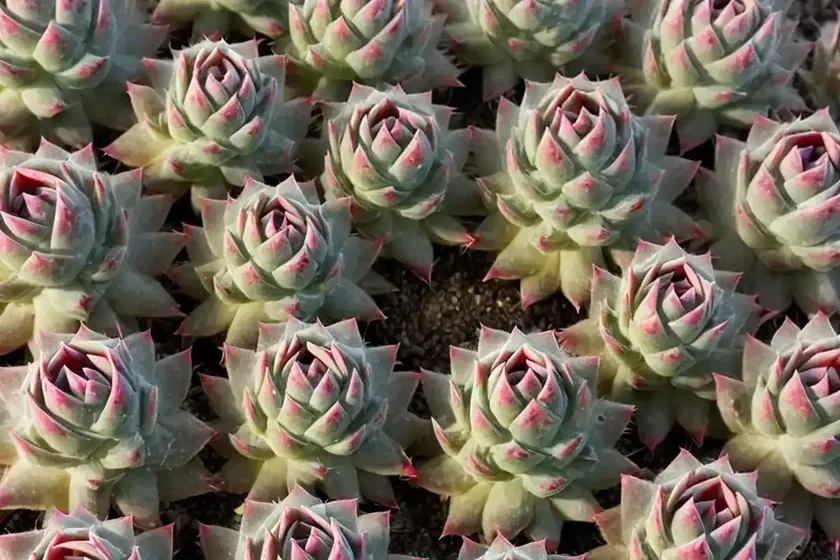
Sempervivum ‘Peggy,’ commonly known as Hens and Chicks, is a fascinating and resilient plant that has gained popularity among both experienced and novice gardeners. This charming succulent is known for its rosette-like growth habit and low-maintenance nature. In this comprehensive guide, we will delve into the various aspects of cultivating and caring for Sempervivum ‘Peggy,’ exploring its cultural requirements, uses, propagation, common diseases, and much more.
What is Sempervivum ‘Peggy’ (Hens and Chicks)?
Sempervivum ‘Peggy,’ a member of the Crassulaceae family, is a perennial succulent that originates from the mountainous regions of Europe and parts of Africa. The name “Sempervivum” is derived from the Latin word “semper,” meaning “forever,” and “vivus,” meaning “living,” reflecting the plant’s remarkable resilience and ability to thrive in harsh environments. The common name “Hens and Chicks” refers to the plant’s growth habit, where the mother rosette (hen) produces numerous offsets (chicks) around its base, resulting in a cluster of interconnected plants.
Key Takeaways – Sempervivum ‘Peggy’ (Hens and Chicks):
Before diving deeper into the specific care and cultivation aspects of Sempervivum ‘Peggy,’ let’s explore some key takeaways about this intriguing plant:
- Sempervivum ‘Peggy’ is a perennial succulent known for its rosette-like growth habit and remarkable ability to tolerate harsh conditions.
- The plant’s common name, Hens and Chicks, reflects its characteristic propagation method, where the mother plant produces offsets, creating a cluster of interconnected individuals.
- Sempervivum ‘Peggy’ is highly valued for its low-maintenance nature and is often used in rock gardens, containers, and xeriscapes.
- The plant offers an array of striking foliage colors and textures, making it a versatile addition to various garden designs.
Now, let’s delve into the specific cultural requirements, uses, propagation methods, and more that are essential for successfully growing and caring for Sempervivum ‘Peggy.’
Culture
Understanding the cultural requirements of Sempervivum ‘Peggy’ is fundamental to its successful cultivation. From water and sunlight needs to soil preferences, providing the right growing conditions is crucial for ensuring the plant’s health and vigor.
Uses
Sempervivum ‘Peggy’ boasts a wide range of uses in garden and landscape settings. Its versatility and visual appeal make it a favored choice for various applications, including:
- Rock gardens: The compact and drought-tolerant nature of Sempervivum ‘Peggy’ makes it an ideal candidate for rock gardens, where it can thrive in well-draining, rocky substrates.
- Container gardening: The plant’s low-maintenance nature and striking foliage colors make it a popular choice for container displays, adding visual interest to patios, decks, and outdoor living spaces.
- Xeriscapes: Sempervivum ‘Peggy’ is well-suited to xeriscaping, as it can withstand drought and infertile soils, making it an excellent addition to water-wise landscapes.
- Ground cover: The dense clustering habit of Hens and Chicks makes it an effective ground cover, particularly in areas where other plants may struggle to establish due to poor soil or challenging growing conditions.
- Border plantings: The unique texture and form of Sempervivum ‘Peggy’ make it a valuable addition to border plantings, creating visual interest and defining garden edges.
- Fairy gardens: Due to its diminutive size and charming appearance, Sempervivum ‘Peggy’ is often used in fairy or miniature gardens, adding an enchanting touch to these whimsical landscapes.
Water
Sempervivum ‘Peggy’ exhibits excellent drought tolerance and is best suited to well-draining soils. When it comes to watering, it is essential to strike a balance, providing enough moisture to support the plant’s growth while avoiding waterlogged conditions that could lead to rot.
Sempervivum ‘Peggy’ Water Requirements:
- Well-Draining Soil: Plant Sempervivum ‘Peggy’ in a well-draining soil mix, such as a cactus or succulent blend, to prevent water retention around the roots.
- Watering Frequency: Water the plant thoroughly when the soil is dry to the touch, typically every 10 to 14 days during the growing season. In winter, when the plant is dormant, reduce watering frequency to prevent excess moisture in the soil.
- Avoid Overwatering: It is crucial to avoid overwatering, as Sempervivum ‘Peggy’ is susceptible to rot if the soil remains consistently wet.
Sunlight
Proper sunlight exposure is critical for the health and vitality of Sempervivum ‘Peggy.’ This plant thrives in bright, direct sunlight and can withstand intense heat and sun exposure, making it an excellent choice for sunny garden spots.
Sempervivum ‘Peggy’ Sunlight Needs:
- Full Sun: Position Sempervivum ‘Peggy’ in a location that receives at least 6 hours of direct sunlight per day. In areas with extremely hot climates, providing some protection from intense midday sun may be beneficial.
- Indoor Placement: For indoor-grown specimens, place the plant near a south or west-facing window to ensure it receives adequate sunlight for healthy growth.
Fertilizer
As a low-maintenance plant, Sempervivum ‘Peggy’ has minimal fertilizer requirements. However, providing a light feeding during the growing season can support its overall vigor and promote robust growth.
Sempervivum ‘Peggy’ Fertilization Guidelines:
- Sparse Feeding: Apply a diluted, balanced liquid fertilizer once a month during the growing season, from spring to early fall. Dilute the fertilizer to half or quarter strength to avoid overfeeding.
- Avoid Excessive Fertilization: Refrain from over-fertilizing, as Sempervivum ‘Peggy’ is sensitive to excess nutrients, which can lead to weak, leggy growth.
Soil
Selecting the right soil mix is crucial for ensuring the well-being of Sempervivum ‘Peggy.’ The plant thrives in well-draining, lean soils and is particularly sensitive to the risk of root rot caused by waterlogged conditions.
Sempervivum ‘Peggy’ Soil Preferences:
- Well-Draining Mix: Plant Sempervivum ‘Peggy’ in a fast-draining, gritty soil mix. Consider using a blend designed for cacti and succulents or amend standard potting mix with sand, perlite, or gravel to improve drainage.
- pH Level: The plant prefers slightly acidic to neutral soil with a pH range of 6.0 to 7.0. Avoid highly alkaline soils, as they can hinder nutrient uptake and lead to mineral deficiencies.
Pruning
Sempervivum ‘Peggy’ typically requires minimal pruning or maintenance, thanks to its naturally compact and dense growth habit. However, occasional grooming can help maintain the plant’s appearance and remove any dead or withered foliage.
Sempervivum ‘Peggy’ Pruning Tips:
- Deadheading: Remove spent flower stalks and dried-up rosettes to promote continued growth and encourage the production of new offsets.
- Sanitation: Trim away any damaged or diseased foliage to maintain the plant’s overall health and prevent the spread of diseases.
Propagation
The distinctive propagation method of Sempervivum ‘Peggy,’ where the mother plant produces numerous offsets or “chicks,” offers an exciting opportunity for expanding your plant collection and sharing these charming succulents with fellow gardening enthusiasts.
Propagation Techniques for Sempervivum ‘Peggy’:
- Offset Division: Gently separate the offsets, or chicks, from the mother rosette, ensuring that each division has its own set of roots. Plant the offsets in a well-draining mix, and keep them slightly moist until they establish root systems.
- Leaf Cuttings: While less commonly used for Sempervivum propagation, individual leaves can be removed and rooted to produce new plants. Allow the leaf cuttings to callus for a few days before placing them on top of a soil mix, misting lightly to maintain moisture levels.
Container Popularity
Sempervivum ‘Peggy’ has gained significant popularity as a container plant, valued for its compact size, striking appearance, and low-maintenance requirements. When grown in containers, the plant offers numerous possibilities for creative displays, making it a sought-after choice for various gardening projects.
Advantages of Growing Sempervivum ‘Peggy’ in Containers:
- Versatile Displays: Create visually appealing arrangements by combining Sempervivum ‘Peggy’ with other succulents, cacti, or ornamental grasses in containers of varying sizes and shapes.
- Portability: Container-grown Sempervivum ‘Peggy’ can easily be moved around to optimize sunlight exposure or enhance different areas of the garden, patio, or living space.
- Indoor Showcase: Bring the beauty of Hens and Chicks indoors by growing them in containers, adding a touch of greenery to indoor settings while showcasing their unique foliage colors and textures.
Common Diseases
While Sempervivum ‘Peggy’ is generally resistant to most diseases, it can be susceptible to certain issues, particularly when growing in unfavorable conditions or with improper care. Being aware of potential disease problems and their management is essential for maintaining the health and vigor of the plant.
Disease Diagnosis
It is important to be vigilant for any signs of distress or disease in Sempervivum ‘Peggy’ to address potential issues promptly. Common diseases that may affect the plant include:
- Root Rot: Caused by overwatering or waterlogged soils, root rot can lead to wilting, discoloration, and eventual collapse of the plant. To prevent and manage root rot, ensure well-draining soil and moderate watering.
- Powdery Mildew: While less common, powdery mildew can affect Sempervivum ‘Peggy’ in conditions of high humidity and poor air circulation. Look for powdery, white spots on the leaf surfaces and treat with appropriate fungicides if necessary.
- Bacterial Rots: Bacterial infections can lead to soft, mushy rosettes and an unpleasant odor. Improve growing conditions and consider removing severely affected plants to prevent the spread of the infection.
Common Pests
Sempervivum ‘Peggy’ is relatively resistant to pests, thanks to its thick, succulent leaves and overall hardy nature. However, certain pests may occasionally pose a threat to the plant, and understanding their identification and management is vital for preserving its well-being.
Common Pests that May Affect Sempervivum ‘Peggy’:
- Aphids: Keep an eye out for clusters of small, soft-bodied insects on the plant, particularly on the underside of leaves. Use insecticidal soap or neem oil to control aphid populations.
- Spider Mites: These tiny pests can cause stippling and fine webbing on the foliage. Regularly mist the plant to increase humidity and use insecticidal sprays to manage spider mite infestations.
- Snails and Slugs: In areas with high humidity or during wet seasons, snails and slugs may feed on Sempervivum ‘Peggy.’ Protect the plant by using physical barriers or environmentally-friendly baits.
Botanist’s Tips
As a botanist, observing and studying the unique characteristics and growth habits of Sempervivum ‘Peggy’ can reveal fascinating insights about this resilient succulent. Here are some botanist’s tips for cultivating and appreciating the beauty of Hens and Chicks:
- Field Observations: Explore the natural habitats of Sempervivum ‘Peggy’ and other Sempervivum species in their native regions to gain a deeper understanding of their ecological preferences and growth habits.
- Taxonomic Studies: Engage in taxonomic investigations to understand the genetic diversity and relationships among different Sempervivum varieties and cultivars, contributing to the broader knowledge of this plant group.
- Conservation Efforts: Contribute to conservation initiatives aimed at protecting Sempervivum species and their natural habitats, particularly those facing threats from habitat loss or climate change.
Fun Facts
Discovering intriguing facts about Sempervivum ‘Peggy’ adds an element of delight to the experience of growing and appreciating this charming succulent. Here are some fun facts that highlight the unique characteristics and qualities of Hens and Chicks:
- Name Origin: The name “Sempervivum” is derived from the Latin words “semper,” meaning “forever,” and “vivus,” meaning “living,” emphasizing the plant’s enduring nature.
- Local Legends: In certain cultures, Sempervivum plants were believed to have protective and healing properties, leading to their incorporation into traditional folklore and superstitions.
- Species Diversity: Sempervivum encompasses a diverse array of species and cultivars, showcasing an astounding range of colors, sizes, and forms within the genus.
Links to External Resources
For further information and resources on Sempervivum ‘Peggy’ and Hens and Chicks plants, consider exploring the following links:
- Sempervivum Cultivation Guide
- Hens and Chicks Plant Care
- Sempervivum Varieties
- How to Grow Sempervivum ‘Peggy’
- Hens and Chicks Plant Characteristics
- Sempervivum ‘Peggy’ Care Tips
The provided links are valuable resources for expanding your knowledge of Sempervivum species, their cultivation, care requirements, and various gardening applications.
In conclusion, Sempervivum ‘Peggy,’ with its enduring charm and resilient nature, continues to captivate gardeners and plant enthusiasts worldwide. By understanding its cultural needs, propagation methods, and potential challenges, we can ensure the successful cultivation and enjoyment of this remarkable succulent. Whether used in rock gardens, containers, or as ground cover, Sempervivum ‘Peggy’ remains a testament to the beauty and resilience of nature’s botanical treasures.
Keywords: Sempervivum cultivation guide, Hens and Chicks plant care, Sempervivum varieties, How to grow Sempervivum ‘Peggy’, Hens and Chicks plant characteristics, Sempervivum ‘Peggy’ care tips, Sempervivum ‘Peggy’ planting techniques, Low-maintenance Sempervivum ‘Peggy’, Hens and Chicks gardening ideas, Sempervivum ‘Peggy’ outdoor planting, Common problems with Sempervivum ‘Peggy’, Tips for a thriving Hens and Chicks garden, Sempervivum ‘Peggy’ container gardening, Sempervivum ‘Peggy’ companion plants, How to divide Hens and Chicks plant, Sempervivum ‘Peggy’ in rock gardens, Sempervivum ‘Peggy’ foliage colors, Hens and Chicks plant arrangement ideas, Sempervivum ‘Peggy’ water requirements, Sempervivum ‘Peggy’ sunlight needs, Hens and Chicks plant growth habits, Sempervivum ‘Peggy’ winter care, How to prevent pests in Sempervivum ‘Peggy’, Sempervivum ‘Peggy’ soil preferences, Sempervivum ‘Peggy’ disease resistance, Best time to plant Hens and Chicks, Where to buy Sempervivum ‘Peggy’, Sempervivum ‘Peggy’ as ground cover, Hens and Chicks indoors, Sempervivum ‘Peggy’ in drought-tolerant gardens, Growing Sempervivum ‘Peggy’ from seeds, Sempervivum ‘Peggy’ blooming season, Sempervivum ‘Peggy’ in containers, Sempervivum ‘Peggy’ growth rate, Hens and Chicks maintenance tips, Sempervivum ‘Peggy’ garden design ideas, Sempervivum ‘Peggy’ as a gift plant, Best fertilizer for Sempervivum ‘Peggy’, Sempervivum ‘Peggy’ landscaping uses, Sempervivum ‘Peggy’ in fairy gardens, Pruning Hens and Chicks plant, Sempervivum ‘Peggy’ summer care, Soil amendments for Sempervivum ‘Peggy’, Sempervivum ‘Peggy’ foliage texture, Sempervivum ‘Peggy’ as a border plant, Sempervivum ‘Peggy’ in xeriscaping, Sempervivum ‘Peggy’ natural habitat, Companion plants for Hens and Chicks