What is Vaccinium corymbosum ‘Duke’ (Highbush Blueberry)?
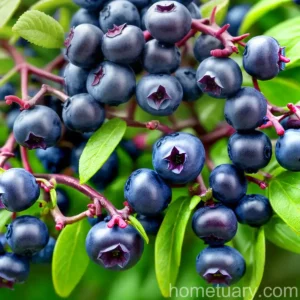
Vaccinium corymbosum, commonly known as the Highbush Blueberry, is a popular deciduous shrub that belongs to the Ericaceae family. ‘Duke’ is a specific cultivar of Vaccinium corymbosum, renowned for its high fruit yield and exceptional taste. This variety is favored by home gardeners and commercial growers alike due to its adaptability and productivity. In this comprehensive guide, we will delve into the various aspects of cultivating and caring for Vaccinium corymbosum ‘Duke,’ exploring its cultural requirements, uses, diseases, pests, and much more.
Key Takeaways – Vaccinium corymbosum ‘Duke’ (Highbush Blueberry)
Before delving into the intricate details of this cultivar, let’s summarize the key takeaways about Vaccinium corymbosum ‘Duke.’ This overview will provide a snapshot of the essential aspects that will be covered in this comprehensive guide.
- Scientific Name: Vaccinium corymbosum ‘Duke’
- Common Name: Highbush Blueberry ‘Duke’
- Cultivar Type: Deciduous shrub
- Key Traits: High fruit yield, exceptional flavor, adaptability
- Uses: Culinary (fresh consumption, baking, jams, juices), ornamental, commercial cultivation
- Cultural Requirements: Water, sunlight, fertilizer, soil, pruning, propagation, container gardening
- Challenges: Common diseases, pest management
- Botanist’s Tips: Expert recommendations for optimal growth and maintenance
- Fun Facts: Intriguing and lesser-known aspects of Vaccinium corymbosum ‘Duke’
Now, let’s embark on an in-depth exploration of ‘Duke’ with a focus on its cultural requirements, uses, common diseases, pests, and botanist’s tips.
Culture
When it comes to cultivating Vaccinium corymbosum ‘Duke,’ understanding its cultural requirements is crucial for facilitating optimal growth and prolific fruit production. From water and sunlight needs to the ideal soil composition, providing the right cultural conditions is vital. Let’s delve into these aspects of ‘Duke’ cultivation.
Water
Proper watering is essential for the health and productivity of Highbush Blueberry ‘Duke.’ Consistent moisture is particularly crucial during the flowering and fruit development stages. However, overwatering should be avoided to prevent waterlogged conditions that can harm the plant. The following aspects should be considered when addressing the water requirements of ‘Duke’:
-
Irrigation: Providing a consistent supply of water, especially during dry periods, is vital for ‘Duke.’ Drip irrigation or soaker hoses can be effective in delivering water directly to the root zone while minimizing water wastage through evaporation.
-
Mulching: Applying a layer of organic mulch around the base of the plant helps retain soil moisture, suppresses weeds, and regulates soil temperature, creating an optimal environment for the roots.
-
Moisture Monitoring: Regularly assessing the soil moisture levels is essential. This can be done by checking the soil with a moisture meter or by performing a manual assessment to gauge the need for watering.
Sunlight
The sunlight requirements of Vaccinium corymbosum ‘Duke’ are integral to its growth and fruiting. Providing the appropriate amount of sunlight ensures robust plant development and a bountiful harvest. Consider the following points related to the sunlight needs of ‘Duke’:
-
Full Sun Exposure: Highbush Blueberry ‘Duke’ thrives in full sun, which typically translates to at least six to eight hours of direct sunlight daily.
-
Site Selection: When choosing a planting location, prioritize spots that receive ample sunlight and offer protection from strong winds. Adequate air circulation is essential for preventing diseases and promoting healthy growth.
-
Sunlight Management: In regions with scorching summers, providing some shade during the hottest part of the day can help prevent stress and sun damage to the plant.
Fertilizer
Proper fertilization is key to ensuring the vigor and productivity of Vaccinium corymbosum ‘Duke.’ Understanding the nutrient requirements and timing of fertilizer applications is crucial for supporting the plant’s growth and fruiting capacity.
-
Soil Testing: Before applying fertilizers, it’s beneficial to conduct a soil test to assess the existing nutrient levels and pH. This information guides the formulation and application of fertilizers tailored to the specific needs of ‘Duke’ plants.
-
Fertilizer Types: Utilize fertilizers formulated for acid-loving plants, as Highbush Blueberries thrive in acidic soil conditions. Ammonium sulfate, blood meal, and cottonseed meal are examples of suitable fertilizers for ‘Duke’ blueberries.
-
Application Timing: In general, fertilization is carried out in early spring before new growth emerges and again in late spring after the flowering stage. Avoid excessive nitrogen application, as it can lead to lush vegetative growth at the expense of fruit production.
Soil
Understanding the soil preferences of Vaccinium corymbosum ‘Duke’ is essential for establishing a thriving planting environment. The following considerations are vital for ensuring the soil is conducive to the growth and productivity of ‘Duke’ blueberries.
-
Acidic Soil: ‘Duke’ blueberries flourish in acidic soil with a pH range of 4.5 to 5.5. Acidic soil conditions are essential for facilitating nutrient uptake and preventing certain soil-borne diseases.
-
Soil Texture: Well-draining, loamy soil with good water retention capability is ideal for Highbush Blueberry ‘Duke.’ Amending heavy clay soils with organic matter such as pine bark fines or peat moss improves drainage and aeration.
-
Mulching Benefits: Applying organic mulch around the base of the plant not only aids in moisture retention but also contributes to the gradual acidification of the soil as the mulch decomposes.
Pruning
Pruning plays a crucial role in shaping the growth, improving air circulation, and rejuvenating Vaccinium corymbosum ‘Duke’ plants. Understanding the principles and best practices of pruning is essential for maintaining the health and productivity of the blueberry bushes.
-
Cultural Significance: Proper pruning is not only beneficial for managing the size and shape of the plant but also contributes to increased fruit production and facilitates pest and disease management by promoting air circulation.
-
Pruning Timing: The best time to prune ‘Duke’ blueberries is during late winter or early spring while the plants are still dormant. Pruning during this period minimizes the risk of cold damage and allows for a clear view of the plant’s structure.
-
Pruning Techniques: Key pruning techniques for ‘Duke’ blueberries include removing dead or diseased wood, thinning out excessive growth, and rejuvenating older branches through selective pruning to encourage new growth.
Propagation
The propagation of ‘Duke’ blueberries involves techniques for creating new plants from existing stock, whether for expanding a blueberry patch or carrying out specific breeding programs. Understanding the various methods of propagation is valuable for blueberry growers.
-
Propagation Methods: ‘Duke’ blueberries can be propagated through methods such as hardwood cuttings, softwood cuttings, and division. Each method has its own requirements and optimal timing for successful propagation.
-
Hardwood Cuttings: Harvesting mature, dormant wood for creating hardwood cuttings is a common propagation practice. These cuttings are typically taken during the dormant period and rooted under controlled conditions.
-
Softwood Cuttings: Softwood cuttings, taken from new, semi-mature growth, are another viable method for propagating ‘Duke’ blueberries. These cuttings are usually harvested during the active growing season and require high humidity for successful rooting.
Uses
Vaccinium corymbosum ‘Duke’ serves a variety of uses, ranging from culinary applications to ornamental purposes and commercial cultivation. Understanding the diverse uses of this versatile cultivar provides insight into its broad appeal and economic significance.
Culinary Uses
Highbush Blueberry ‘Duke’ is renowned for its delicious, versatile berries, making it a prized addition to culinary endeavors. From fresh consumption to various processed products, the berries of ‘Duke’ are highly sought after for their flavor and nutritional value.
-
Fresh Consumption: The sweet and tangy berries of ‘Duke’ are a delight for fresh consumption, offering a burst of flavor that can be enjoyed on its own or as part of fruit salads and desserts.
-
Baking: Blueberry ‘Duke’ is a popular ingredient in a wide array of baked goods, including muffins, pies, pancakes, and scones. Its rich flavor and vibrant color make it a sought-after addition in the pastry and baking industry.
-
Preserves and Jams: The high pectin content of blueberries makes them ideal for producing flavorful preserves, jams, and spreads. ‘Duke’ berries lend themselves well to these preservation methods, maintaining their distinct taste and texture.
-
Juices and Beverages: The juiciness and flavor of ‘Duke’ blueberries make them suitable for extracting juice to create refreshing beverages, smoothies, and cocktails.
Ornamental Uses
Beyond its culinary appeal, Vaccinium corymbosum ‘Duke’ also boasts ornamental value, making it a popular choice for landscaping and garden enhancement.
-
Aesthetic Appeal: The lush foliage, white blossoms in spring, and the striking display of ripening blueberries add ornamental interest to garden landscapes and outdoor spaces.
-
Seasonal Charm: The changing hues of ‘Duke’ blueberries, from vibrant green leaves to the rich blue and red tones of the berries, contribute to the seasonal attractiveness of the plant.
-
Wildlife Attraction: The nectar-rich flowers of ‘Duke’ blueberries attract pollinators, while the berries are a valuable food source for birds and wildlife, adding to the ecological significance of these plants in garden settings.
Commercial Cultivation
Vaccinium corymbosum ‘Duke’ holds considerable importance in commercial cultivation due to its high fruit yield, exceptional flavor, and adaptability. It has become a valuable crop for commercial blueberry producers, contributing to the economic livelihood of numerous agricultural operations.
-
Economic Significance: The popularity of ‘Duke’ blueberries in the market, both fresh and processed, has led to an increase in commercial cultivation. The high demand for quality blueberries has made ‘Duke’ a favored choice for large-scale production.
-
Export Potential: The export market for blueberries, including ‘Duke’ cultivars, has expanded significantly, with the berries gaining popularity in international markets due to their taste and nutritional value.
-
Value-Added Products: In addition to fresh fruit sales, ‘Duke’ blueberries are utilized in various value-added products such as frozen berries, preserves, and bakery items, contributing to the diversity of the blueberry industry.
Now that we’ve explored the multifaceted uses of Vaccinium corymbosum ‘Duke,’ let’s turn our attention to the common diseases that can affect these plants and strategies for effective diagnosis and management.
Common Diseases
While Vaccinium corymbosum ‘Duke’ is generally robust, it is susceptible to several diseases that can impact its health and productivity. Identifying these diseases and implementing appropriate management techniques is essential for safeguarding the plants and ensuring a successful harvest. Let’s examine some of the common diseases that ‘Duke’ blueberries may encounter.
Disease Diagnosis
Accurately diagnosing diseases in Vaccinium corymbosum ‘Duke’ is a crucial step in implementing effective control measures. Familiarizing oneself with the symptoms and characteristics of common blueberry diseases allows for timely interventions to minimize the impact on plant health. Here are a few prevalent diseases and their diagnostic features:
-
Mummy Berry (Monilinia vaccinii-corymbosi): This fungal disease is characterized by the development of mummified, tan-colored berries that remain attached to the plant. In spring, the mummified berries release ascospores, contributing to the spread of the disease.
-
Botrytis Blight (Botrytis cinerea): Botrytis blight manifests as gray, fuzzy mold on flowers, buds, and berries. The affected tissues appear water-soaked and eventually become covered in a grayish-brown growth.
-
Anthracnose (Colletotrichum acutatum): Anthracnose causes the formation of sunken lesions on blueberry fruit, which may be accompanied by pinkish spore masses. The disease also affects leaves and twigs, leading to defoliation and dieback.
-
Phomopsis Twig Blight (Phomopsis vaccinii): This disease primarily affects new shoots and twigs, causing the development of brown lesions and cankers. Infected stems may exhibit wilting and eventual dieback.
-
Powdery Mildew (Microsphaera vaccinii): Powdery mildew appears as a white, powdery coating on leaves, shoots, and fruit. The affected tissues may become distorted, and severe infestations can lead to premature leaf drop.
Disease Management
Implementing effective disease management strategies is essential for mitigating the impact of these common blueberry diseases on Vaccinium corymbosum ‘Duke.’ A holistic approach that integrates cultural, chemical, and biological control measures can help safeguard the plants and prevent disease outbreaks. Consider the following management practices for combating blueberry diseases:
-
Cultural Practices: Promote plant vigor through appropriate cultural practices such as proper irrigation, mulching, and pruning. Adequate spacing between plants, ensuring good air circulation, and removing and disposing of infected plant debris are also vital.
-
Chemical Control: In situations where disease pressure is high, the application of fungicides may be necessary. Selective fungicides approved for use on blueberries can be applied according to label instructions and timing to manage specific diseases.
-
Biological Control: Biocontrol agents such as beneficial microbes and fungi can contribute to disease suppression. Introducing these organisms through approved products can complement cultural and chemical control measures.
-
Sanitation: Regular sanitation measures, including the removal of diseased plant material, fallen berries, and debris, help minimize the overwintering and spread of pathogens.
-
Monitoring and Early Intervention: Regular scouting for disease symptoms enables early detection, allowing for prompt intervention to prevent the escalation of disease outbreaks.
Common Pests
In addition to diseases, Vaccinium corymbosum ‘Duke’ is vulnerable to pest infestations that can impact plant health and yield. Understanding the characteristic pests and their management is crucial for preserving the vitality of ‘Duke’ blueberry plants. Let’s explore some of the common pests that blueberry growers may encounter.
Pest Identification
Accurately identifying the pests that pose a threat to ‘Duke’ blueberries is essential for formulating targeted management strategies. Familiarize yourself with the distinctive features and behavior of the following common blueberry pests:
-
Spotted Wing Drosophila (Drosophila suzukii): This invasive fruit fly targets ripening blueberries, causing damage by laying eggs within the fruit. Larval feeding leads to the destruction of berry tissue and renders the fruit unmarketable.
-
Blueberry Maggot (Rhagoletis mendax): The larvae of the blueberry maggot tunnel through blueberry fruit, leading to the formation of discolored trails and rendering the berries unpalatable.
-
Blueberry Gall Midge (Dasineura oxycoccana): The larvae of this pest induce the formation of galls on blueberry shoots, impacting plant vigor and potentially causing dieback.
-
Cranberry Fruitworm (Acrobasis vaccinii): While the larvae of this pest primarily target cranberries, they may also infest blueberries, causing damage by feeding on developing fruit.
-
Japanese Beetle (Popillia japonica): The voracious feeding of Japanese beetle adults on blueberry foliage can result in skeletonized leaves and a reduction in photosynthetic capacity.
Pest Management
Employing effective pest management practices is critical for minimizing the impact of these common pests on Vaccinium corymbosum ‘Duke.’ Integrated pest management (IPM) strategies that integrate cultural, biological, and chemical control methods can help mitigate pest pressure and preserve the health of blueberry plants. Consider implementing the following pest management measures:
-
Cultural Controls: Practices such as removing and destroying infested fruit, implementing proper sanitation, and managing the surrounding vegetation to reduce pest reservoirs contribute to pest reduction.
-
Biological Controls: Encouraging natural enemies of blueberry pests, such as predatory insects and parasitoids, can aid in pest suppression. Implementing habitat enhancements and avoiding broad-spectrum insecticides that harm beneficial organisms fosters a balanced ecosystem.
-
Monitoring and Trapping: Regular monitoring for pest activity, especially during critical growth stages, allows for early detection and the implementation of targeted control measures. The use of pheromone traps and visual inspections aids in tracking pest populations.
-
Selective Pesticide Applications: When pest pressure necessitates the use of chemical controls, selective insecticides that are effective against specific blueberry pests can be applied in accordance with label instructions and with consideration for pollinator safety.
Now that we’ve explored the common diseases and pests that can affect Vaccinium corymbosum ‘Duke,’ let’s turn our attention to the expert tips and fun facts related to this cultivar.
Botanist’s Tips
Drawing on the insights of seasoned botanists and horticulturists offers valuable guidance for successfully cultivating Vaccinium corymbosum ‘Duke.’ These expert tips encompass a diverse range of aspects, from planting and care to optimizing fruit production and preserving plant health. Here are some expert tips to consider when growing ‘Duke’ blueberries:
-
Companion Planting: Implementing companion planting with suitable partners can promote biodiversity, aid in pest management, and optimize space utilization. Consider incorporating companion plants such as low-growing herbs, flowers that attract pollinators, and nitrogen-fixing legumes.
-
Seasonal Care Emphasis: Tailor your care practices to suit the different growth stages and seasonal changes in ‘Duke’ blueberry plants. From winter protection and pruning in dormancy to ensuring adequate moisture and fertility during the growing season, seasonal care is instrumental in plant success.
-
Beneficial Mycorrhizal Associations: Encouraging mycorrhizal symbiosis with compatible fungi enhances nutrient uptake and overall plant resilience. Utilize mycorrhizal inoculants to establish and maintain beneficial fungal associations in the root zone of ‘Duke’ blueberries.
-
Pollination Enhancement: Maximizing pollination opportunities through the cultivation of pollinator-attracting plants, providing nesting habitats for native bees, and avoiding the overuse of pesticides during bloom periods contributes to robust fruit set in ‘Duke’ blueberries.
-
Post-Harvest Considerations: Following the harvest of ‘Duke’ berries, attention to post-harvest handling, storage, and processing practices is integral for preserving fruit quality and extending shelf life. Rapid cooling of harvested fruit and appropriate storage conditions aid in maintaining fruit freshness.
Fun Facts
Uncovering intriguing and lesser-known facts about Vaccinium corymbosum ‘Duke’ adds an element of fascination to the cultivation and appreciation of this remarkable blueberry cultivar. Here are a few fun facts that shed light on the captivating characteristics and history of ‘D