Plant Scientist’s Guide to Sempervivum ‘Carmen’ (Hens and Chicks)
Sempervivum ‘Carmen,’ commonly known as Hens and Chicks, is a fascinating and resilient succulent that has captivated the hearts of plant enthusiasts and gardeners around the world. This guide is designed to provide comprehensive insights into the cultivation, care, and remarkable features of Sempervivum ‘Carmen.’ Whether you are a seasoned plant enthusiast or a beginner in the world of gardening, this guide will equip you with the knowledge and best practices to harness the beauty and vitality of this exceptional plant.
What is Sempervivum ‘Carmen’ (Hens and Chicks)?
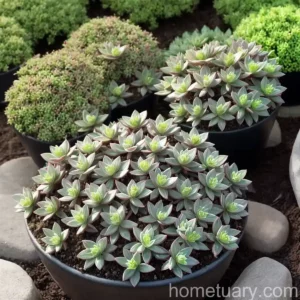
Sempervivum ‘Carmen’ is a species of succulent plant that belongs to the Crassulaceae family. The name “Sempervivum” is derived from the Latin words “semper,” meaning “always,” and “vivus,” meaning “living,” which aptly reflects the enduring nature of these plants. The common name “Hens and Chicks” alludes to the growth habit of Sempervivum, where the mother plant, or “hen,” produces offshoots, or “chicks,” creating a cluster of rosette-shaped foliage.
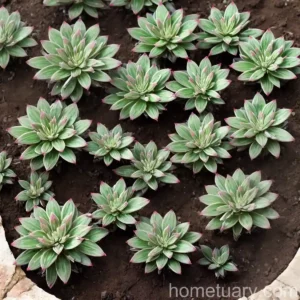
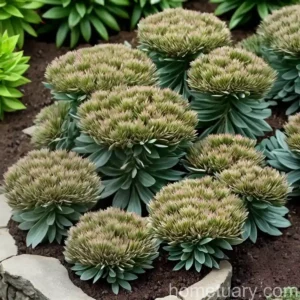
The ‘Carmen’ variety of Sempervivum is characterized by its striking features, including compact rosettes of fleshy, pointed leaves that form dense clusters. The leaves of ‘Carmen’ exhibit an attractive combination of colors, ranging from shades of green to red, and in some cases, even displaying hints of purple and pink under certain growing conditions.
Key Takeaways – Sempervivum ‘Carmen’ (Hens and Chicks)
Before delving into the specifics of caring for Sempervivum ‘Carmen,’ let’s highlight some key takeaways about this captivating plant:
-
Resilient Succulent: Sempervivum ‘Carmen’ is renowned for its resilience and ability to thrive in diverse environmental conditions, making it a popular choice for both indoor and outdoor landscapes.
-
Distinctive Growth Habit: The plant’s “hen and chicks” growth habit adds an endearing and visually captivating element to gardens, rockeries, and container arrangements.
-
Drought Tolerance: Sempervivum ‘Carmen’ exhibits exceptional drought tolerance, making it an ideal choice for water-wise gardening and xeriscaping projects.
-
Low Maintenance: This variety of Sempervivum is relatively low-maintenance, requiring minimal care once established, thus making it an excellent option for busy gardeners and those new to plant care.
With these key insights in mind, let’s delve deeper into the essential aspects of cultivating and caring for Sempervivum ‘Carmen.’
Culture
Uses
Sempervivum ‘Carmen’ serves a multitude of purposes in garden landscapes and plant collections. Some of its common uses include:
-
Rock Gardens: The compact and clustered growth habit of ‘Carmen’ makes it a perfect addition to rock gardens, where it can thrive in the well-draining, rocky environment.
-
Container Gardens: ‘Carmen’ excels as a focal point in container arrangements, adding visual interest and textural contrast when combined with other succulents or ornamental plants.
-
Ground Cover: In suitable climates, where the conditions are conducive to their growth, Sempervivum ‘Carmen’ is used as a low-maintenance ground cover, providing an attractive and resilient carpet of foliage.
-
Xeriscaping: Due to its remarkable drought tolerance, Sempervivum ‘Carmen’ is an excellent choice for xeriscaping and water-wise gardening projects, particularly in arid or semi-arid regions.
Water
The water requirements of Sempervivum ‘Carmen’ are fairly minimal, owing to its succulent nature and exceptional drought tolerance. When establishing this plant, it is essential to allow the soil to dry out between waterings to prevent the risk of root rot.
Watering Guidelines:
-
Establishing Phase: During the initial planting and establishment phase, water the ‘Carmen’ plants deeply but infrequently, allowing the soil to dry partially between waterings. This encourages the development of resilient and deep root systems.
-
Mature Plants: Once established, Sempervivum ‘Carmen’ typically thrives in dry to moderately moist conditions. As a general rule, only water the plants when the soil has completely dried out, especially during prolonged periods of hot and dry weather.
-
Winter Dormancy: In winter, when the growth rate slows down, reduce watering frequency, allowing the ‘Carmen’ plants to enter a state of dormancy without the risk of waterlogged soil.
Sunlight
Sempervivum ‘Carmen’ flourishes in bright, indirect light or partial to full sunlight. When grown in outdoor landscapes, a location with morning sun and partial shade during the intense midday sun is advantageous for optimal growth and color development of the foliage.
Sunlight Considerations:
-
Outdoor Placement: Choose a planting site for Sempervivum ‘Carmen’ that receives ample sunlight, particularly during the morning hours, while providing protection from the harsh afternoon sun. South or west-facing positions with dappled shade can be ideal for promoting vibrant leaf colors and robust growth.
-
Indoor Environments: When grown indoors, place ‘Carmen’ plants in a well-lit area, such as near a south or west-facing window, to ensure they receive sufficient sunlight for healthy growth.
Fertilizer
In general, Sempervivum ‘Carmen’ does not require frequent fertilization, as it is adapted to thrive in nutrient-poor soils. Over-fertilizing can lead to excessive foliage growth and diminished color intensity. However, a light application of balanced fertilizer during the growing season can help support the plant’s vitality.
Fertilizer Guidelines:
-
Type of Fertilizer: Use a balanced, water-soluble fertilizer formulated at half the recommended strength for succulent plants. An N-P-K ratio of 10-10-10 or a similar balanced formulation is suitable for Sempervivum ‘Carmen.’
-
Frequency: Apply the diluted fertilizer solution to the soil around the base of the plants once every 4 to 6 weeks during the active growing season, typically from early spring to late summer.
-
Avoid Excessive Feeding: Refrain from over-fertilizing ‘Carmen’ plants, as this can lead to an imbalance in growth and may compromise the natural resilience of the succulents.
Soil
The choice of soil is crucial for the successful cultivation of Sempervivum ‘Carmen.’ Well-draining soil with a lean nutrient content is essential to prevent waterlogging and avoid the risk of root rot.
Ideal Soil Characteristics:
-
Drainage: Select a well-draining soil mix that is specifically formulated for succulent and cacti cultivation. Alternatively, prepare a custom soil mix by combining regular potting soil with gritty materials such as perlite, coarse sand, or pumice at a 1:1 ratio.
-
Aeration: The soil mix should provide ample aeration to the roots and promote rapid drainage of excess moisture. Adequate aeration supports the development of healthy root systems in Sempervivum ‘Carmen.’
-
Nutrient Content: Opt for a soil mix that is low in organic matter and nutrient content, as Sempervivum plants thrive in lean and slightly alkaline soil conditions.
Pruning
Sempervivum ‘Carmen’ generally requires minimal pruning, as the old rosettes naturally wither and die after producing offshoots, creating space for new growth. However, occasional maintenance may involve the removal of spent flower stalks and dead leaves to maintain the plant’s aesthetic appeal and prevent the accumulation of debris.
Pruning Guidelines:
-
Deadheading: Remove spent flower stalks by cutting them back to the base of the plant, promoting the allocation of energy and resources towards vegetative growth and the production of new offshoots.
-
Sanitation: Periodically tidy the plant by gently removing any withered or dead leaves from the base of the rosettes, reducing the risk of fungal and bacterial diseases, particularly in humid climates or excessively moist growing conditions.
-
Propagation: As part of maintenance, you may choose to propagate Sempervivum ‘Carmen’ by removing and transplanting the offshoots, thereby managing the size and density of the plant clusters.
Propagation
The propagation of Sempervivum ‘Carmen’ is primarily achieved through offsets or “chicks” that are produced by the mother plant. These offsets can be carefully separated and replanted to establish new clusters of ‘Carmen’ plants.
Propagation Steps:
-
Identifying Offsets: Wait until the “chicks” reach a reasonable size and are well-rooted to ensure their successful establishment as individual plants.
-
Separation: Gently detach the offsets from the mother plant using a clean, sharp knife or scissors, ensuring that each offset has a section of its own root system intact.
-
Rooting: Allow the offsets to air dry and callus for a day or two before planting them in well-draining soil. Ensure that the soil is kept slightly moist during the initial rooting phase until new growth is observed.
-
Establishment: Once rooted, place the separated offsets in individual pots or suitable locations in the garden, providing the same care and growing conditions as mature Sempervivum ‘Carmen’ plants.
Container Popularity
Sempervivum ‘Carmen’ is widely favored for container gardening due to its compact growth habit, charming appearance, and ability to thrive in confined spaces. The versatility of container cultivation allows ‘Carmen’ to be showcased in various settings, from window sills and balconies to outdoor patios and garden arrangements.
Advantages of Container Cultivation:
-
Space Optimization: Sempervivum ‘Carmen’ is an excellent choice for small gardens, urban spaces, and balcony gardens, where container planting enables the efficient use of limited space.
-
Decorative Appeal: The unique rosettes and vibrant coloration of ‘Carmen’ make it an eye-catching addition to container arrangements, contributing to the visual appeal of patios, tabletop displays, and indoor settings.
-
Controlled Environment: Containers offer the advantage of creating microclimates that can be tailored to meet the specific needs of Sempervivum ‘Carmen,’ including adjustments in sunlight exposure and soil composition.
-
Protection: Container cultivation provides a degree of protection for ‘Carmen’ plants, particularly in regions with extreme weather conditions or when safeguarding them from potential pests and diseases.
Common Diseases
Sempervivum ‘Carmen’ is relatively resistant to most diseases, owing to its succulent nature and ability to thrive in challenging environmental conditions. However, some factors can predispose the plants to certain issues that warrant attention and preventive measures.
Disease Diagnosis
Fungal Diseases: The most common diseases that may affect Sempervivum ‘Carmen’ are related to fungal pathogens, particularly under conditions of excessive moisture and poor ventilation. The following are key fungal diseases to watch out for:
-
Rot Diseases: Overwatering or prolonged exposure to high humidity can lead to root rot and crown rot, characterized by soft and discolored tissue, wilting, and a foul odor.
-
Powdery Mildew: In humid or poorly ventilated environments, powdery mildew may appear as a white, powdery coating on the leaves, inhibiting photosynthesis and compromising the vigor of the plants.
-
Leaf Spot: Fungal pathogens can cause the development of circular or irregular spots on the leaves of ‘Carmen’ plants, often accompanied by wilting and gradual leaf discoloration.
Common Pests
Sempervivum ‘Carmen’ is generally resilient against pest infestations, largely due to its succulent nature and potential deterrent effect attributed to its foliage texture. However, occasional vigilance is necessary to identify and address potential pest issues.
Potential Pests:
-
Aphids: These small, sap-sucking insects may occasionally infest the tender growth of ‘Carmen’ plants, particularly in lush and sheltered environments. Aphid infestations can lead to distorted growth and the transmission of viral diseases.
-
Spider Mites: In hot and dry conditions, spider mites may target Sempervivum ‘Carmen,’ feeding on the plant cells and causing stippling and webbing on the leaves, reducing the plant’s vitality.
-
Mealybugs: Mealybugs are another potential concern, particularly in indoor environments, where they can cluster on the foliage and stems of ‘Carmen’ plants, excreting honeydew and leading to the development of black sooty mold.
Botanist’s Tips
Fun Facts
Uncover the intriguing and captivating aspects of Sempervivum ‘Carmen’ with these fascinating fun facts:
-
Survivor Spirit: Sempervivum plants have gained a reputation for their tenacity and resilience, often thriving in the most unconventional and challenging growing conditions, including rocky cliffs and barren landscapes.
-
Historical Significance: Throughout history, Sempervivum species have been associated with various folklore and traditions. In some cultures, they were believed to possess protective and healing properties, and were often cultivated on rooftops to ward off lightning and evil spirits.
-
Remarkable Adaptation: The ability of Sempervivum ‘Carmen’ to change color and exhibit varying degrees of pigmentation in response to sunlight, temperature, and stress factors adds an element of intrigue to its visual appeal.
-
Drought-Tolerant Wonders: ‘Carmen’ and other Sempervivum varieties have become symbols of sustainability and resilience in gardening, inspiring xeriscaping efforts and water-wise landscaping practices.
Links to External Resources
For further exploration of Sempervivum ‘Carmen’ and the captivating world of Hens and Chicks plants, refer to the following external resources:
Discover a wealth of information, insights, and practical tips from these trusted sources to enhance your understanding and appreciation of Sempervivum ‘Carmen’ and the enchanting world of succulent plants.
In the next section, we will cover the critical care essentials and best practices for ensuring the health and vibrancy of Sempervivum ‘Carmen’ in your garden or botanical collection.
Plant Name: Sempervivum ‘Carmen’ (Hens and Chicks)
Explore the rich tapestry of cultivation, care, and remarkable attributes encompassing the world of Sempervivum ‘Carmen’ as we unravel the intricacies of being a steward of these charming and resilient succulents. With a comprehensive understanding of essential practices and best care strategies, you can create an optimal habitat for Sempervivum ‘Carmen’ to thrive and grace your garden with its enduring allure.
Continue reading to discover:
– How to create an optimal habitat for Sempervivum ‘Carmen’ (Hens and Chicks)
– Understanding the growth patterns of Hens and Chicks plants
– Tips for reviving stressed Sempervivum ‘Carmen’ plants
– The symbolism behind Hens and Chicks, including Sempervivum ‘Carmen’
– Harvesting and using Sempervivum ‘Carmen’ in culinary or decorative applications
Remember, caring for Sempervivum ‘Carmen’ is a journey filled with fascination, resilience, and the enduring beauty of these exceptional succulents.
References:
-
Baldwin, D. (2019). Sempervivum: The Ultimate Guide to Growing Hens and Chicks. The Spruce. Link
-
The Royal Horticultural Society. (n.d.). Sempervivum ‘Carmen’. Link
-
The Royal Horticultural Society. (n.d.). Sempervivum. Link
-
Succulents and Sunshine. (n.d.). How to Grow Hens and Chicks (Sempervivum). Link
-
The Royal Horticultural Society. (n.d.). Sempervivum. Link
As a plant scientist, it is a privilege to share the profound beauty and resilience of Sempervivum ‘Carmen’ with fellow plant enthusiasts and aspiring gardeners. Stay tuned for the continuation of our comprehensive guide to cultivating and nurturing these remarkable succulents.
This blog post is a part of the series “Insights into Sempervivum ‘Carmen’ (Hens and Chicks)” by [Your Name], Plant Scientist and Horticultural Enthusiast.
[Your Name] is a dedicated plant scientist with a passion for exploring the biodiversity and wonder of the botanical world. With a focus on educating and inspiring fellow plant enthusiasts, [Your Name] shares in-depth insights and practical knowledge to elevate gardening experiences and foster a deeper appreciation for nature.
Stay tuned for the next segment, where we will delve into optimizing the habitat for Sempervivum ‘Carmen’ in various settings and explore the nuances of seasonal care for these captivating succulents.