Vaccinium corymbosum ‘Chandler’ (Highbush Blueberry)
As a plant scientist, I am excited to delve into the fascinating world of Vaccinium corymbosum ‘Chandler’, a popular highbush blueberry variety known for its excellent fruit quality and adaptable growth habits. In this comprehensive guide, we will explore the culture, uses, care requirements, common diseases, and pest management strategies associated with this remarkable blueberry cultivar. Whether you are a seasoned gardener or a novice plant enthusiast, the insights shared in this article will equip you with the knowledge and techniques needed to cultivate thriving ‘Chandler’ blueberry plants.
What is the Vaccinium corymbosum ‘Chandler’?
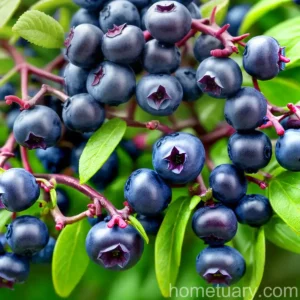
Vaccinium corymbosum, commonly known as the highbush blueberry, is a deciduous shrub belonging to the Ericaceae family. It is native to North America and is cherished for its delectable, antioxidant-rich berries. ‘Chandler’ is a specific cultivar of highbush blueberry, renowned for its large fruit size, exceptional flavor, and vigorous growth characteristics.
Key Takeaways – Vaccinium corymbosum ‘Chandler’ (Highbush Blueberry)
Before we delve into the specific aspects of cultivating ‘Chandler’ blueberries, let’s outline the key takeaways that will be covered in this article:
- Culture
-
Understanding the ideal growing conditions for ‘Chandler’ blueberries.
-
Uses
-
Exploring the versatile uses of Vaccinium corymbosum ‘Chandler’ in culinary and medicinal applications.
-
Water
-
Watering requirements and techniques for maintaining optimal soil moisture levels.
-
Sunlight
-
Sunlight preferences and strategies for providing adequate light to ‘Chandler’ blueberry plants.
-
Fertilizer
-
Nutrient requirements and fertilization practices for promoting robust growth and fruit development.
-
Soil
-
Choosing the right soil type and optimizing soil conditions for ‘Chandler’ blueberry cultivation.
-
Pruning
-
Pruning guidelines to enhance plant health, productivity, and longevity.
-
Propagation
-
Methods for propagating Vaccinium corymbosum ‘Chandler’ to expand your blueberry garden.
-
Container Popularity
-
Exploring the suitability of growing ‘Chandler’ blueberries in containers.
-
Common Diseases
- Identifying and addressing prevalent diseases that may affect ‘Chandler’ blueberry plants.
-
Common Pests
- Understanding the potential pests and implementing effective pest management strategies.
-
Botanist’s Tips
- Insights and recommendations from plant experts for successful cultivation.
-
Fun Facts
- Engaging facts and trivia about Vaccinium corymbosum ‘Chandler’ to deepen your appreciation for this cultivar.
-
Links to External Resources
- Access to reputable sources for additional information and guidance on blueberry cultivation.
Now, let’s embark on a journey to uncover the intricacies of growing and caring for Vaccinium corymbosum ‘Chandler’ blueberries.
Culture of Vaccinium corymbosum ‘Chandler’
Uses
Vaccinium corymbosum ‘Chandler’ serves a multitude of purposes, extending beyond its delectable berries. Here are some of its primary uses:
- Culinary Utilization:
-
The ripe berries of ‘Chandler’ blueberries are a culinary delight, often used in a variety of dishes including pies, muffins, jams, and smoothies. Their sweet-tart flavor and plump texture make them a popular choice for baking and cooking applications.
-
Medicinal Properties:
-
Rich in antioxidants and phytochemicals, ‘Chandler’ blueberries offer various health benefits. They are touted for their anti-inflammatory and immune-boosting properties, contributing to overall well-being when consumed as part of a balanced diet.
-
Ornamental Appeal:
- Beyond their edible fruits, the ‘Chandler’ blueberry plants possess ornamental value, gracing gardens with their white spring blossoms, vibrant foliage, and autumn hue transformations.
Water
Successful cultivation of Vaccinium corymbosum ‘Chandler’ hinges upon providing appropriate water levels. Consider the following water-related guidelines when nurturing ‘Chandler’ blueberry plants:
- Optimal Moisture Level:
-
‘Chandler’ blueberries thrive in consistently moist, well-drained soil. Adequate soil moisture is crucial, particularly during the flowering and fruit development stages.
-
Watering Frequency:
-
While the watering frequency may vary based on environmental factors, a general rule of thumb is to ensure that the soil remains evenly moist, without becoming waterlogged or overly dry. Regular monitoring of soil moisture levels is imperative for adjusting the watering regimen as needed.
-
Irrigation Techniques:
- Consider employing drip irrigation or soaker hoses to deliver water directly to the root zone while minimizing moisture on the foliage, which can help deter certain diseases.
Sunlight
Sunlight requirements play a pivotal role in the growth and fruiting capabilities of ‘Chandler’ blueberry plants. Here’s what you need to know about providing optimal sunlight conditions:
- Full Sun Exposure:
-
Vaccinium corymbosum ‘Chandler’ flourishes in full sun, typically requiring at least 6 to 8 hours of direct sunlight daily. Introducing these plants to ample sunlight promotes robust growth and bountiful fruit production.
-
Shade Considerations:
- While ‘Chandler’ blueberries thrive in full sun, they can tolerate partial shade, especially in regions with intense afternoon sun or during exceptionally hot summers. Partial shade may also be beneficial in protecting the plants from heat stress in warmer climates.
Fertilizer
Nutrient management is a crucial aspect of blueberry cultivation, influencing the overall health, vigor, and productivity of ‘Chandler’ blueberry plants. Consider the following fertilizer guidelines to support optimum growth and fruit development:
- Acidic Soil Preference:
-
‘Chandler’ blueberries thrive in acidic soil with a pH range between 4.5 and 5.5. It is essential to maintain this acidic soil environment to facilitate efficient nutrient uptake and root development.
-
Balanced Fertilization:
-
Utilize a balanced, acidic-formulated fertilizer designed for acid-loving plants. Applying fertilizer in early spring and again after the fruiting season can replenish essential nutrients and support healthy growth.
-
Organic Amendments:
- Incorporating organic matter such as pine bark mulch, peat moss, or well-decomposed compost can improve soil structure and fertility, contributing to an optimal growing environment for ‘Chandler’ blueberries.
Soil
Selecting the right soil type and implementing soil management practices are instrumental in ensuring the thriving growth of Vaccinium corymbosum ‘Chandler’.
- Well-Drained Soil:
-
‘Chandler’ blueberries favor well-drained, loamy soil with good water retention properties. Soil that is excessively waterlogged or compacted can impede root development and lead to detrimental effects on plant health.
-
Acidic Soil Conditions:
-
As acid-loving plants, ‘Chandler’ blueberry plants require an acidic soil pH in the range of 4.5 to 5.5. Conducting soil tests and amending the pH as necessary is vital for creating a suitable environment for blueberry cultivation.
-
Soil Texture:
- Optimal soil texture for ‘Chandler’ blueberries typically consists of a mix of organic matter, such as peat moss or pine bark, to enhance drainage while retaining adequate moisture for the plants.
Pruning
Pruning is a fundamental horticultural practice that enables gardeners to shape, rejuvenate, and maintain the health of ‘Chandler’ blueberry plants. Here are some key pruning considerations for cultivating these blueberries:
- Annual Pruning:
-
Conduct annual pruning during the dormant season, typically in late winter or early spring before new growth emerges. This period provides an opportune time to remove dead, damaged, or overcrowded branches.
-
Thinning Techniques:
-
Thinning out excessive growth and dense foliage can improve air circulation and light penetration within the plant canopy, minimizing the risk of disease and enhancing fruit quality.
-
Fruit-bearing Wood:
- Identifying and preserving fruitful wood, characterized by its vigor and maturity, is crucial in promoting consistent and abundant fruit production.
Propagation
Expanding your blueberry garden through propagation enables you to increase the number of ‘Chandler’ blueberry plants while maintaining the desirable traits of the cultivar. Consider the following propagation methods for Vaccinium corymbosum ‘Chandler’:
- Softwood Cuttings:
-
Propagate ‘Chandler’ blueberries through softwood cuttings taken in late spring or early summer. Select young, healthy stems and employ rooting hormone to encourage successful root development.
-
Division:
-
Dividing established ‘Chandler’ blueberry plants can be an effective means of propagation, enabling you to create new plants from existing stock while ensuring genetic uniformity.
-
Layering:
- Layering involves encouraging the development of roots on a stem that is still attached to the parent plant. This method can be employed to propagate ‘Chandler’ blueberries, facilitating the establishment of new plants.
Container Popularity
For gardening enthusiasts with limited space or those seeking the convenience of container gardening, ‘Chandler’ blueberries can thrive when grown in suitable containers. Here are some considerations for container cultivation of ‘Chandler’ blueberry plants:
- Container Selection:
-
Opt for large, well-draining containers that are at least 24 inches in diameter to accommodate the extensive root system of ‘Chandler’ blueberries.
-
Siting Containers:
-
Position containers in an area that receives ample sunlight, ensuring that the plants receive a minimum of 6 hours of direct sunlight daily.
-
Soil and Fertilization:
-
Utilize acidic potting mixes specifically formulated for acid-loving plants and fertilize according to the needs of container-grown blueberries.
-
Moisture Management:
- Monitor the moisture levels in containers to prevent waterlogged or overly dry conditions, adjusting the watering frequency as necessary to maintain ideal soil moisture.
Common Diseases of Vaccinium corymbosum ‘Chandler’
As with any plant, ‘Chandler’ blueberries are susceptible to certain diseases that can impact their overall health and productivity. Here are some prevalent diseases that may affect Vaccinium corymbosum ‘Chandler’:
- Mummy Berry Disease:
-
This fungal disease, caused by Monilinia vaccinii-corymbosi, manifests with symptoms such as blighted blossoms, shriveled berries, and shoot dieback.
-
Botrytis Blight:
-
Botrytis cinerea, the causal agent of botrytis blight, can lead to gray mold on the fruit and foliage, adversely affecting the quality of ‘Chandler’ blueberries.
-
Powdery Mildew:
-
Erysiphe vaccinii, the pathogen responsible for powdery mildew, can result in the development of powdery white patches on the leaves and shoots of ‘Chandler’ blueberry plants.
-
Anthracnose:
- Colletotrichum species can cause anthracnose, characterized by sunken lesions on the fruit and foliage, potentially leading to diminished fruit quality and yield.
Disease Diagnosis
Prompt identification and diagnosis of diseases are essential for implementing effective management strategies. When observing potential disease symptoms on ‘Chandler’ blueberry plants, consider the following diagnostic measures:
- Visual Assessment:
-
Thoroughly inspect the foliage, stems, and fruits for any unusual discoloration, lesions, or growth anomalies that may indicate the presence of a disease.
-
Symptom Documentation:
-
Take note of the specific symptoms observed, including the location and severity of the symptoms, to aid in the identification process.
-
Consultation:
- Seek guidance from local agricultural extension services, plant pathology experts, or reputable gardening resources to obtain accurate disease diagnosis and tailored management recommendations.
Common Pests Affecting Vaccinium corymbosum ‘Chandler’
In addition to diseases, ‘Chandler’ blueberry plants may encounter pests that can compromise their health and yield. Understanding the common pests and implementing appropriate pest management measures is essential for safeguarding the well-being of ‘Chandler’ blueberry plants. Here are some common pests to be mindful of:
- Blueberry Maggots:
-
Rhagoletis mendax, the larvae of the blueberry maggot fly, can infest the fruit of ‘Chandler’ blueberry plants, leading to premature fruit drop and diminished quality.
-
Blueberry Gall Midge:
-
The blueberry gall midge, Dasineura oxycoccana, can cause distorted growth and galls on ‘Chandler’ blueberry shoots, negatively impacting plant vigor.
-
Spotted Wing Drosophila:
-
Drosophila suzukii, the spotted wing drosophila, is a fruit fly species that can infest ripe ‘Chandler’ blueberries, resulting in fruit spoilage and reduced marketability.
-
Blueberry Tip Borer:
- The blueberry tip borer, Hendecaneura shawiana, is a moth species whose larvae bore into the shoots of ‘Chandler’ blueberry plants, potentially causing dieback and reduced fruit production.
Pest Management Strategies
Implementing integrated pest management (IPM) strategies is crucial for effectively managing pests in ‘Chandler’ blueberry cultivation. Consider the following approaches for pest control and mitigation:
- Cultural Practices:
-
Promote plant vigor through proper watering, fertilization, and pruning practices, as healthy plants are more resilient to pest infestations.
-
Monitoring:
-
Regularly monitor ‘Chandler’ blueberry plants for signs of pest activity, such as wilting, leaf damage, or the presence of pests themselves.
-
Biological Control:
-
Encourage the presence of natural predators and beneficial insects that can help regulate pest populations, contributing to a balanced ecosystem in the blueberry garden.
-
Selective Insecticides:
- When necessary, employ targeted insecticides that are specific to the pests affecting ‘Chandler’ blueberries, while minimizing impact on beneficial insects and the environment.
Botanist’s Tips for Cultivating Vaccinium corymbosum ‘Chandler’
Drawing from the expertise of botanists and horticultural professionals, here are some valuable tips to enhance the success of cultivating Vaccinium corymbosum ‘Chandler’ blueberries:
- Site Selection:
-
Choose a planting site with well-drained soil, ample sunlight, and good air circulation to create an optimal growing environment for ‘Chandler’ blueberries.
-
Soil Preparation:
-
Prior to planting, amend the soil with organic matter and ensure the pH is within the preferred acidic range to promote healthy root development and nutrient uptake.
-
Mulching Benefits:
-
Apply a layer of organic mulch around ‘Chandler’ blueberry plants to conserve soil moisture, suppress weeds, and regulate soil temperature, benefiting the overall health of the plants.
-
Pollination Considerations:
-
When cultivating ‘Chandler’ blueberries, ensure the presence of compatible pollinators to facilitate optimal fruit set and yield.
-
Seasonal Maintenance:
- Regularly conduct seasonal maintenance tasks such as pruning, fertilization, and pest/disease monitoring to promote the longevity and productivity of ‘Chandler’ blueberry plants.
Fun Facts about Vaccinium corymbosum ‘Chandler’
Dive into the intriguing world of ‘Chandler’ blueberries with these captivating fun facts:
- Early Ripening:
-
‘Chandler’ blueberries are celebrated for their early ripening, offering an opportunity to savor their luscious berries ahead of many other blueberry varieties.
-
Autumn Foliage:
-
The vibrant foliage of ‘Chandler’ blueberries transforms into stunning shades of red, orange, and yellow during the autumn season, adding a captivating display to the garden landscape.
-
Wildlife Attraction:
-
‘Chandler’ blueberry plants are known to attract various wildlife, including songbirds and pollinators, enriching the biodiversity of the garden ecosystem.
-
Fruit Quality:
- Renowned for their exceptional fruit quality, ‘Chandler’ blueberries boast large, sweet-tasting berries that are prized for their delectable flavor and versatility in culinary applications.
Links to External Resources
For further information and insights on cultivating Vaccinium corymbosum ‘Chandler’ blueberries, consider exploring the following reputable external resources:
- University of Maine Cooperative Extension: Growing Highbush Blueberries
- North Carolina State University: Blueberry Information Portal
- Oregon State University Extension Service: Home Garden Blueberries
With its delectable berries, ornamental appeal, and adaptability, Vaccinium corymbosum ‘Chandler’ stands as an exceptional choice for blueberry enthusiasts and gardeners alike. By embracing the insights and techniques presented in this guide, you can embark on a rewarding journey of cultivating thriving ‘Chandler’ blueberry plants while savoring the abundant rewards they offer.
References
- University of Maine Cooperative Extension. “Growing Highbush Blueberries.” https://extension.umaine.edu/blueberries/
- North Carolina State University. “Blueberry Information Portal.” https://blueberries.ces.ncsu.edu/
- Oregon State University Extension Service. “Home Garden Blueberries.” https://extension.oregonstate.edu/gardening/berries/home-garden-blueberries/