The Beautiful and Versatile Sedum x Rubrotinctum (Stonecrop)
As a plant scientist, I am thrilled to delve into the fascinating world of Sedum x Rubrotinctum, commonly known as Stonecrop. This resilient and versatile succulent has captured the hearts of gardening enthusiasts and plant lovers worldwide. In this comprehensive guide, we will explore everything there is to know about this remarkable plant, including its cultural requirements, uses, propagation, maintenance, and common diseases and pests. Whether you’re a seasoned gardener or a novice plant parent, the Sedum x Rubrotinctum has something to offer for everyone.
What is Sedum x Rubrotinctum (Stonecrop)?
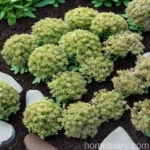
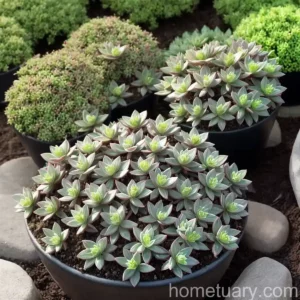
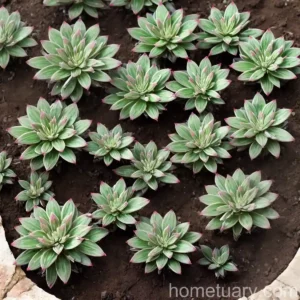
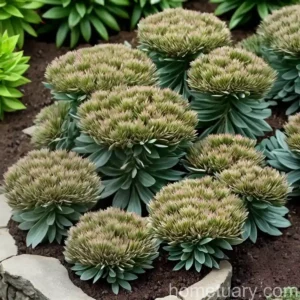
Sedum x Rubrotinctum, a member of the Crassulaceae family, is a succulent plant known for its fleshy, evergreen leaves and stunning coloration. It is a hybrid of two distinct Sedum species, namely Sedum pachyphyllum and Sedum stahlii. This unique crossbreeding has resulted in a plant with exceptional hardiness and a striking visual appeal.
Key Takeaways – Sedum x Rubrotinctum (Stonecrop)
Before delving into the specific aspects of caring for Sedum x Rubrotinctum, let’s take a look at the key takeaways that we’ll be exploring in detail.
- Culture
- Uses
- Water
- Sunlight
- Fertilizer
- Soil
- Pruning
- Propagation
- Container Popularity
- Common Diseases
- Common Pests
- Botanist’s Tips
- Fun Facts
- Links to External Resources
With these key points in mind, let’s proceed with a comprehensive exploration of the wonderful world of Sedum x Rubrotinctum.
Culture
Uses
Sedum x Rubrotinctum has a wide range of uses, making it a prized addition to any garden or collection of plants. Some of its most common uses include:
-
Ground Cover: The vigorous growth habit and clustering nature of Sedum x Rubrotinctum make it an excellent choice for ground cover in landscaping projects. Its ability to thrive in various conditions, including poor soil quality, makes it a resilient and attractive option for covering large areas.
-
Container Gardening: Due to its compact size and low maintenance requirements, Sedum x Rubrotinctum is a popular choice for container gardening. Whether in hanging baskets, terrariums, or traditional pots, this succulent adds a touch of elegance to any indoor or outdoor space.
-
Erosion Control: In areas prone to soil erosion, Sedum x Rubrotinctum can be a valuable ally. Its spreading growth habit helps stabilize the soil, preventing erosion and creating an aesthetically pleasing landscape feature.
-
Medicinal Properties: Some species of Sedum, including Sedum x Rubrotinctum, are believed to possess medicinal properties in traditional herbal medicine. While further research is needed to substantiate these claims, the potential therapeutic uses of this plant are an intriguing area of study.
Water
Understanding the water requirements of Sedum x Rubrotinctum is crucial for ensuring its optimal growth and health. This succulent is renowned for its drought tolerance and ability to thrive in arid conditions. However, it is essential to strike a balance, as overwatering can lead to root rot and other detrimental effects.
Watering Guidelines:
-
Frequency: During the growing season, which typically spans from spring to fall, it is generally recommended to water Sedum x Rubrotinctum when the soil has become dry. To determine the need for watering, a simple finger test can be conducted. Insert your finger into the soil up to the first knuckle; if the soil feels dry at this depth, it’s time to water. In winter, when the plant is in a dormant state, watering requirements are significantly reduced, with occasional light watering to prevent desiccation.
-
Watering Method: When watering this succulent, it’s important to do so thoroughly but infrequently. An effective approach is to give the plant a deep watering session and then allow the soil to dry out before the next watering cycle. This encourages the development of robust, drought-resistant root systems.
-
Soil Drainage: To prevent waterlogging, ensure that the soil used for Sedum x Rubrotinctum has excellent drainage properties. A well-draining succulent mix is ideal, and adding sand or perlite can further improve the soil’s drainage capacity.
Sunlight
Like most succulents, Sedum x Rubrotinctum thrives in bright sunlight and requires ample exposure to direct sunlight to exhibit its full potential. When cultivating this plant, providing it with the right amount of sunlight is critical to its overall health and appearance.
Sunlight Preferences:
-
Outdoor Cultivation: For outdoor planting, choose a location that receives at least six hours of direct sunlight daily. South or west-facing positions are often ideal, as they typically receive the most intense sunlight during the day.
-
Indoor Cultivation: If growing Sedum x Rubrotinctum indoors, placing it near a sunny window or beneath grow lights can mimic the necessary sunlight exposure it would receive outdoors. Additionally, rotating the plant periodically can ensure that all sides receive equal sunlight, promoting uniform growth.
-
Sunlight Intensity: While this succulent thrives in bright sunlight, it is essential to acclimate it gradually to prevent sunburn. A sudden transition from low light levels to intense sunlight can shock the plant and lead to sun damage. Gradually increasing the exposure over several days can help the plant adjust to higher light levels without adverse effects.
Fertilizer
Proper fertilization can greatly enhance the growth and vitality of Sedum x Rubrotinctum, contributing to its overall health and visual appeal. While this succulent is renowned for its ability to thrive in nutrient-poor soils, supplemental feeding can promote robust growth and vibrant foliage.
Fertilization Guidelines:
-
Frequency: During the active growing season, which typically spans from spring to early fall, fertilize Sedum x Rubrotinctum approximately once a month. As the plant enters its dormant phase in winter, cease fertilization to align with its reduced metabolic activity.
-
Fertilizer Type: When selecting a fertilizer for Sedum x Rubrotinctum, opt for a balanced, water-soluble fertilizer designed for use with succulent plants. A 10-10-10 or 5-5-5 fertilizer diluted to half or quarter strength can provide the essential nutrients without risking fertilizer burn.
-
Application Method: Apply the diluted fertilizer to the soil around the base of the plant, ensuring that it does not come into direct contact with the foliage to avoid potential leaf burns. Following the application, water the plant lightly to encourage the nutrients to reach the root zone effectively.
Soil
The choice of soil is a critical factor in the successful cultivation of Sedum x Rubrotinctum. Given its preference for well-draining, moderately fertile soil, selecting the right growing medium is vital for supporting the plant’s growth and resilience.
Ideal Soil Characteristics:
-
Drainage: The soil used for cultivating Sedum x Rubrotinctum should offer excellent drainage properties to prevent waterlogging, which can lead to root rot and other issues. A well-draining succulent or cactus mix, incorporating materials such as coarse sand, perlite, and pumice, is well-suited for this purpose.
-
Aeration: Good soil aeration is crucial for the development of a healthy, expansive root system. A soil mix that allows ample air circulation to the roots can promote robust growth and minimize the risk of soil-borne diseases.
-
Fertility: While Sedum x Rubrotinctum is adapted to thrive in low-nutrient environments, the soil should still provide a modest level of fertility to support the plant’s overall health. A balanced soil mix that offers a blend of nutrients without being overly rich is ideal for this succulent.
Pruning
Pruning plays a valuable role in maintaining the compact and attractive form of Sedum x Rubrotinctum. While this succulent is generally low-maintenance, occasional pruning can help manage its growth and appearance effectively.
Pruning Techniques:
-
Deadheading: Removing spent flowers and withered blooms can promote continuous flowering and prevent the plant from expending energy on seed production. Deadheading can be performed by gently pinching off the faded blooms, encouraging the development of new flower buds.
-
Trimming Leggy Growth: If the plant exhibits elongated, leggy growth, particularly in response to insufficient sunlight, pruning can help restore a more compact and aesthetically pleasing form. Trimming the excessively elongated stems can encourage branching and denser growth.
-
Propagation: Pruning also serves as a means of propagation for Sedum x Rubrotinctum. By carefully removing healthy stem cuttings and allowing them to root in a suitable growing medium, new plants can be propagated from the parent plant.
-
Maintenance Pruning: Periodic maintenance pruning, which involves the removal of damaged or diseased portions of the plant, can help maintain its overall health and vigor. It also allows for the early detection and management of potential issues such as fungal infections or pest infestations.
Propagation
Sedum x Rubrotinctum is a wonderful candidate for propagation, offering gardening enthusiasts the opportunity to expand their collection of plants and share the joy of gardening with others. Several methods can be employed to propagate this succulent successfully.
Propagation Techniques:
-
Leaf Cuttings: One of the most common and straightforward methods of propagating Sedum x Rubrotinctum is through leaf cuttings. Select healthy, mature leaves and carefully remove them from the plant. Allow the cut ends to callus for a day or two before placing the cuttings on a well-draining propagation medium. With time and proper care, each leaf has the potential to develop into a new plant.
-
Stem Cuttings: Stem cuttings can also be utilized for propagation, especially when seeking to create multiple new plants from a single parent specimen. Select healthy, non-flowering stems and carefully cut them into sections. Allow the cut ends to callus before planting the cuttings in a suitable growing medium to encourage rooting and establishment.
-
Division: For mature Sedum x Rubrotinctum plants, division can be an effective means of propagation. Carefully divide the plant into smaller sections, ensuring that each division has an adequate root system and several healthy stems. Replant the divisions in individual containers, providing them with the appropriate care to support their establishment and growth.
Container Popularity
Sedum x Rubrotinctum’s popularity as a container plant stems from its adaptability and visual appeal. Whether grown in hanging baskets, terrariums, or traditional pots, this succulent offers numerous benefits to container gardeners.
Advantages of Container Cultivation:
-
Versatility: Sedum x Rubrotinctum’s compact size and adaptable nature make it well-suited for container cultivation in various settings. Whether indoors or outdoors, it can thrive in containers of different sizes and styles, allowing for diverse creative arrangements.
-
Aesthetics: The striking coloration and compact, clustering growth habit of Sedum x Rubrotinctum make it an eye-catching addition to any container garden. Its visual appeal is further accentuated when paired with contrasting foliage or other succulents and cacti.
-
Low Maintenance: For individuals seeking low-maintenance container plants, Sedum x Rubrotinctum is an excellent choice. Its minimal water and care requirements make it an ideal option for busy plant enthusiasts or those new to gardening.
-
Seasonal Display: In outdoor container gardens, Sedum x Rubrotinctum can be a valuable component of seasonal displays, offering vibrant foliage and textural interest throughout the year. Whether as a standalone feature or as part of a mixed arrangement, it adds a touch of natural beauty to outdoor living spaces.
-
Indoor Décor: Indoors, Sedum x Rubrotinctum’s adaptability to varying light conditions and its air-purifying properties make it a desirable choice for enhancing the aesthetic appeal and air quality of interior spaces.
Continued in the next comment…