Vaccinium ‘Sunshine Blue’ (Highbush Blueberry)
Vaccinium ‘Sunshine Blue’ (Highbush Blueberry) is a fascinating and delectable fruit-bearing plant that belongs to the Vaccinium genus. In this.
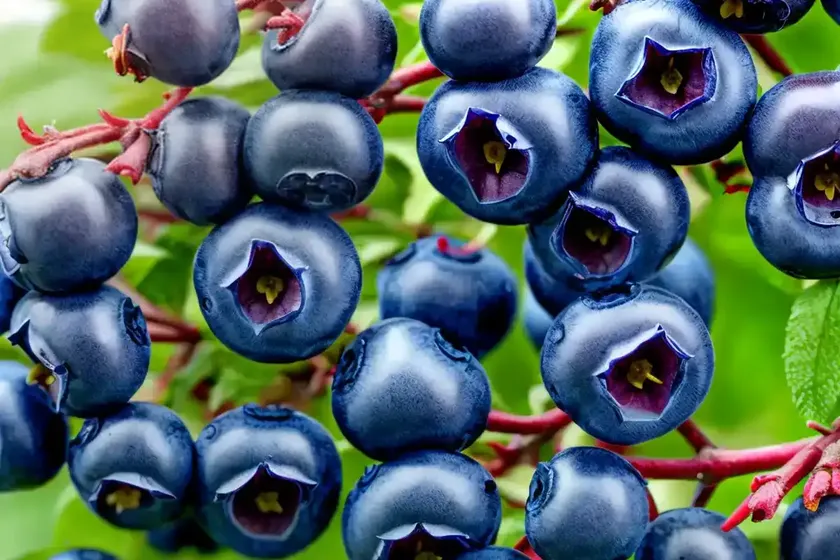
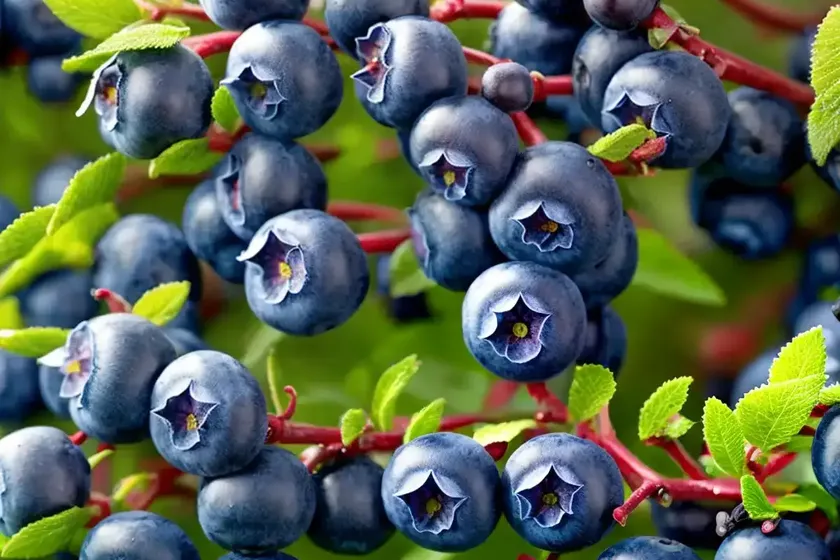
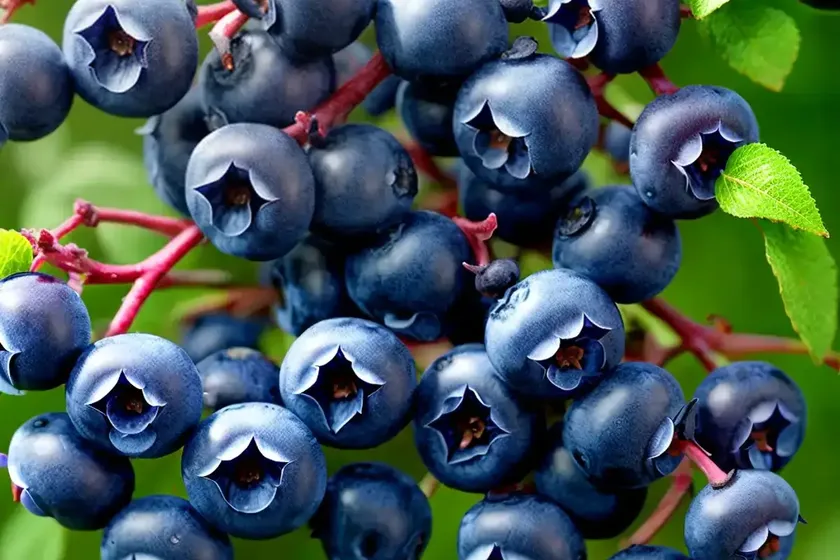
Vaccinium ‘Sunshine Blue’ (Highbush Blueberry) is a fascinating and delectable fruit-bearing plant that belongs to the Vaccinium genus. In this comprehensive guide, we will delve deep into the intricacies of this remarkable plant, covering its culture, uses, maintenance, and much more. By the end of this article, you’ll be equipped with the knowledge to cultivate and care for your very own Vaccinium ‘Sunshine Blue’ with confidence.
What is Vaccinium ‘Sunshine Blue’?
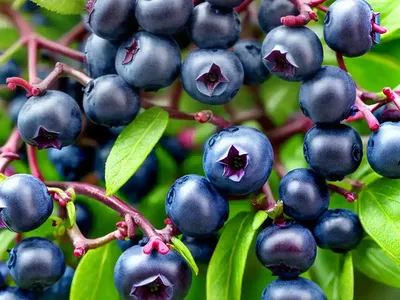
Vaccinium ‘Sunshine Blue’ is a hybrid blueberry plant renowned for its vibrant blueberries and ornamental value. It is a member of the Vaccinium genus and is widely acclaimed for its remarkable adaptability, making it a popular choice for home gardeners and commercial growers alike.
Key Takeaways – Vaccinium ‘Sunshine Blue’ (Highbush Blueberry)
Before we delve into the nitty-gritty of cultivating and caring for Vaccinium ‘Sunshine Blue’, let’s take a brief look at the key takeaways associated with this esteemed plant.
- Common Name: Highbush Blueberry
- Scientific Name: Vaccinium ‘Sunshine Blue’
- Family: Ericaceae
- Genus: Vaccinium
- Plant Type: Deciduous shrub
- Uses: Edible fruit production, ornamental garden plant
- Hardiness: USDA zones 5-10
- Mature Height: 3-4 feet
- Mature Spread: 3-4 feet
- Harvest Time: Summer
- Fruit Flavor: Sweet and tangy
- Fruit Color: Blue
Now, let’s dive into the details of how to successfully grow, care for, and enjoy the fruits of Vaccinium ‘Sunshine Blue’.
Culture of Vaccinium ‘Sunshine Blue’
The culture of Vaccinium ‘Sunshine Blue’ encompasses a range of factors, including its water, sunlight, fertilizer, soil, pruning, and propagation requirements, all of which are crucial for fostering healthy growth and abundant fruit production. Let’s explore each of these aspects in detail.
Water
Proper watering is essential for the health and vitality of Vaccinium ‘Sunshine Blue’. As with most plants, it’s important to find the right balance, ensuring that the soil remains consistently moist but not waterlogged. Blueberry plants are sensitive to both under-watering and over-watering, so it’s vital to monitor the soil moisture regularly, especially during dry spells. A 2- to 4-inch layer of organic mulch can help retain soil moisture and regulate temperature, contributing to the overall water management of the plant.
Sunlight
Vaccinium ‘Sunshine Blue’ thrives in full sun to partial shade, making it adaptable to a variety of garden settings. However, to optimize fruit production and overall plant health, it’s best to provide the plant with at least 6-8 hours of direct sunlight per day. In regions with scorching summers, some afternoon shade can be beneficial to prevent stress and sunburn on the foliage.
Fertilizer
Proper fertilization is key to promoting healthy growth and bountiful harvests from Vaccinium ‘Sunshine Blue’. Blueberry plants have specific nutritional requirements, with an affinity for acidic, well-draining soil that is rich in organic matter. It’s recommended to apply a balanced, acidic-formulated fertilizer, such as a 10-10-10 blend, in spring before new growth emerges. Additionally, incorporating organic matter, such as pine bark or peat moss, into the soil can help maintain a favorable pH level and provide essential nutrients to the plant.
Soil
The soil requirements for Vaccinium ‘Sunshine Blue’ are critical to its long-term health and productivity. Blueberries thrive in well-draining, acidic soil with a pH range of 4.5 to 5.5. Conducting a soil test before planting is crucial to assess the pH level and make any necessary amendments. If the soil pH is too high, elemental sulfur can be added to lower the pH and create a hospitable environment for the plant’s roots. Additionally, incorporating organic matter into the soil helps enhance its structure and fertility, providing an optimal foundation for the growth of Vaccinium ‘Sunshine Blue’.
Pruning
Pruning plays a pivotal role in shaping the growth habit of Vaccinium ‘Sunshine Blue’ and stimulating fruit production. It’s advisable to prune the plant during its dormant season, typically in late winter to early spring, before new growth emerges. Focus on removing dead or diseased branches, as well as any crossing or overcrowded stems. Furthermore, periodic pruning helps maintain an open structure within the plant, allowing air circulation and sunlight penetration, which are crucial for thwarting diseases and promoting fruit ripening.
Propagation
The propagation of Vaccinium ‘Sunshine Blue’ can be achieved through various methods, including hardwood cuttings, softwood cuttings, and division. Hardwood cuttings are typically taken in late fall to early winter, while softwood cuttings are collected from young, tender shoots in late spring to early summer. Both methods require meticulous care and a suitable propagation medium to encourage root development. Division, on the other hand, involves separating the plant into smaller sections, each with its own root system, and is often employed during plant rejuvenation or expansion.
Uses of Vaccinium ‘Sunshine Blue’
Vaccinium ‘Sunshine Blue’ serves a dual purpose, excelling as both an ornamental garden plant and a prolific fruit producer. Let’s explore the various uses and applications of this remarkable blueberry shrub.
-
Edible Fruit Production: One of the primary uses of Vaccinium ‘Sunshine Blue’ is its ability to yield an abundance of delectable blueberries. These fruits are not only cherished for their exceptional flavor but also for their rich nutritional profile, making them a sought-after ingredient in an array of culinary creations, from pies and jams to smoothies and salads.
-
Ornamental Value: Beyond its fruit-bearing capabilities, Vaccinium ‘Sunshine Blue’ enhances the visual appeal of gardens and landscapes with its year-round aesthetic charm. The plant boasts delicate clusters of pinkish-white flowers in spring, followed by lush green foliage that transitions to hues of red, orange, and purple in the fall. This captivating display of colors and textures makes Vaccinium ‘Sunshine Blue’ a standout feature in any garden setting.
Popularity of Vaccinium ‘Sunshine Blue’
The popularity of Vaccinium ‘Sunshine Blue’ continues to soar, owing to its remarkable adaptability, tasty blueberries, and ornamental allure. As more gardeners and fruit enthusiasts discover the virtues of this exceptional blueberry cultivar, its presence in home gardens, commercial orchards, and botanical landscapes has grown exponentially. With its petite stature, luscious fruit, and captivating foliage, Vaccinium ‘Sunshine Blue’ has earned a well-deserved place in the hearts and plots of gardening aficionados worldwide.
Common Diseases of Vaccinium ‘Sunshine Blue’
Like all plants, Vaccinium ‘Sunshine Blue’ is susceptible to certain diseases that can affect its growth and overall vitality. Being aware of these common diseases and their symptoms is crucial for early detection and effective management. Here are some prevalent diseases that can impact Vaccinium ‘Sunshine Blue’:
Disease Diagnosis
-
Powdery Mildew: Identified by the presence of powdery white spots on the leaves, powdery mildew can hinder the photosynthetic capacity of the plant and weaken its overall health. Pruning to enhance air circulation and applying fungicidal treatments can help mitigate the impact of this disease.
-
Botrytis Blight: Also known as gray mold, botrytis blight manifests as fuzzy, gray mold on the flowers, berries, and stems of the plant. Proper sanitation, adequate spacing between plants, and timely removal of infected plant parts are essential for controlling this disease.
-
Phytophthora Root Rot: This soil-borne pathogen can lead to root rot, causing wilting, yellowing of leaves, and eventual collapse of the plant. Improving soil drainage, avoiding waterlogging, and using disease-resistant varieties are key strategies for combating phytophthora root rot.
Common Pests Affecting Vaccinium ‘Sunshine Blue’
In addition to diseases, Vaccinium ‘Sunshine Blue’ may also be targeted by various pests that can diminish its vigor and fruit yield. Understanding these common pests and implementing appropriate pest management strategies is crucial for safeguarding the plant against potential infestations. Let’s explore some of the notable pests that can plague Vaccinium ‘Sunshine Blue’:
-
Blueberry Maggots: The blueberry maggot fly lays its eggs within the blueberries, leading to the formation of small, discolored patches on the fruit. Introducing beneficial insects, such as parasitic wasps, and employing sticky traps can help curtail blueberry maggot infestations.
-
Japanese Beetles: These voracious feeders can skeletonize the foliage of Vaccinium ‘Sunshine Blue’, causing considerable damage to the plant. Handpicking and using pheromone traps are effective methods for managing Japanese beetle populations in the garden.
-
Spotted Wing Drosophila: This invasive fruit fly punctures the skin of ripe blueberries to lay its eggs, resulting in the fruits becoming soft and unmarketable. Harvesting fruits promptly and deploying traps are recommended tactics for mitigating the impact of spotted wing drosophila on blueberry crops.
Botanist’s Tips for Maintaining Vaccinium ‘Sunshine Blue’
As a botanist specializing in the cultivation and care of Vaccinium ‘Sunshine Blue’, I have gathered a wealth of insights and best practices to ensure the optimal growth and productivity of this exceptional blueberry plant. Here are some expert tips to help you nurture and enjoy your own Vaccinium ‘Sunshine Blue’ to the fullest:
-
Selecting a Container: When growing Vaccinium ‘Sunshine Blue’ in a container, opt for a large, sturdy pot with ample drainage holes to accommodate the plant’s extensive root system and facilitate proper water management.
-
Choosing Companion Plants: Introducing pollinator-friendly plants, such as bee balm, lavender, and coneflowers, near your Vaccinium ‘Sunshine Blue’ can enhance fruit set and promote a biodiverse garden ecosystem.
-
Fruit Thinning: To encourage larger and more flavorful blueberries, consider thinning the fruit clusters, removing excess immature berries to redirect the plant’s energy towards the remaining fruits.
-
Bird Netting: Protect your ripening blueberries from avian intruders by draping bird netting over the plants, safeguarding the fruits while allowing sunlight and air to permeate.
-
Fall Mulching: Apply a fresh layer of organic mulch around the base of the plant in the fall to insulate the roots, conserve moisture, and enrich the soil with vital nutrients over the winter months.
Fun Facts About Vaccinium ‘Sunshine Blue’
To round off our exploration of Vaccinium ‘Sunshine Blue’, let’s delve into some fascinating and lesser-known facts about this captivating blueberry shrub:
-
Ornamental Appeal: The vibrant foliage of Vaccinium ‘Sunshine Blue’ transitions through an array of hues, from greens and blues to purples and reds, providing year-round visual interest in the garden.
-
Wildlife Magnet: The delicate flowers of Vaccinium ‘Sunshine Blue’ attract pollinators, such as bees and butterflies, contributing to the ecological vitality of the garden.
-
Historical Significance: Blueberries, including Vaccinium ‘Sunshine Blue’, have been cherished by indigenous communities for centuries, serving as both a culinary staple and a source of traditional medicine.
-
Nutritional Superiority: Blueberries, revered for their high levels of antioxidants and phytochemicals, are recognized for their potential health benefits, including supporting cognitive function and cardiovascular wellness.
Links to External Resources
To further expand your knowledge and appreciation of Vaccinium ‘Sunshine Blue’ and blueberry cultivation in general, I have curated a selection of valuable external resources for your reference:
- Blueberry Cultivation Guide – University of Florida
- Growing Blueberries in Containers – Oregon State University Extension Service
- Managing Blueberry Pests – North Carolina State University Extension
- Blueberry Conservation and Ecology – The Xerces Society
- Blueberry Folklore and Traditions – University of Maine Cooperative Extension
In Conclusion
Vaccinium ‘Sunshine Blue’ (Highbush Blueberry) stands as a testament to the fascinating world of plant cultivation, offering a delightful fusion of ornamental beauty, delectable fruits, and ecological significance. By gaining a comprehensive understanding of its culture, uses, maintenance, and ecological interactions, we can fully appreciate the multifaceted appeal and practical value of this remarkable blueberry shrub. Whether you’re a seasoned gardener or a budding horticulture enthusiast, the journey of growing and savoring Vaccinium ‘Sunshine Blue’ is sure to be one of both enjoyment and enlightenment.
Remember, the rewards of cultivating Vaccinium ‘Sunshine Blue’ extend well beyond the delicious fruits it bears. It’s a conduit to the natural world, an emblem of resilience, and a source of boundless wonder. Embrace the journey of nurturing and reveling in the beauty of this extraordinary blueberry plant, and may it enrich your garden and your life in endless ways.
Disclaimer: The contents of this article are for informational purposes only and do not substitute professional agricultural or horticultural advice. Always consult with local experts and extension services for specific cultivation recommendations and pest management strategies tailored to your region and garden conditions.