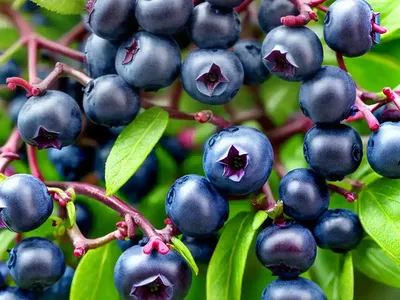
Vaccinium Corymbosum ‘Patriot’ (Highbush Blueberry)
Vaccinium corymbosum 'Patriot', commonly known as Highbush Blueberry 'Patriot', is a popular cultivar of the highbush blueberry, celebrated for its.

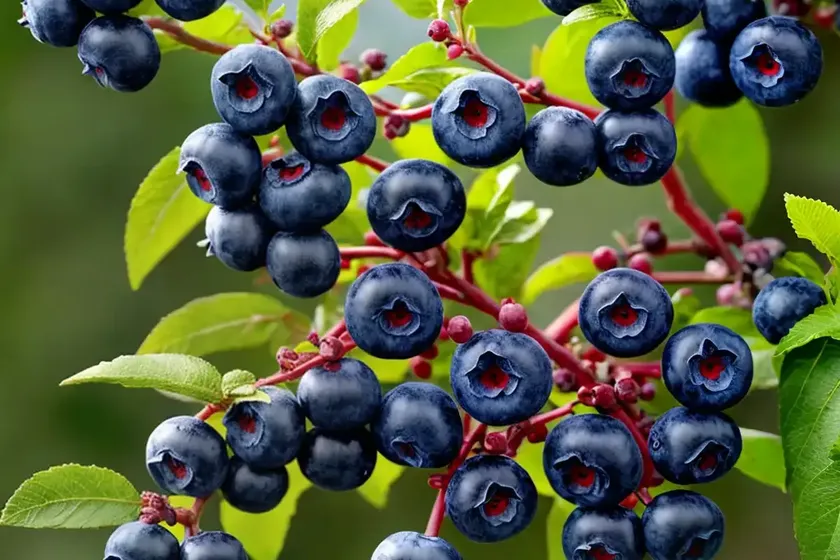
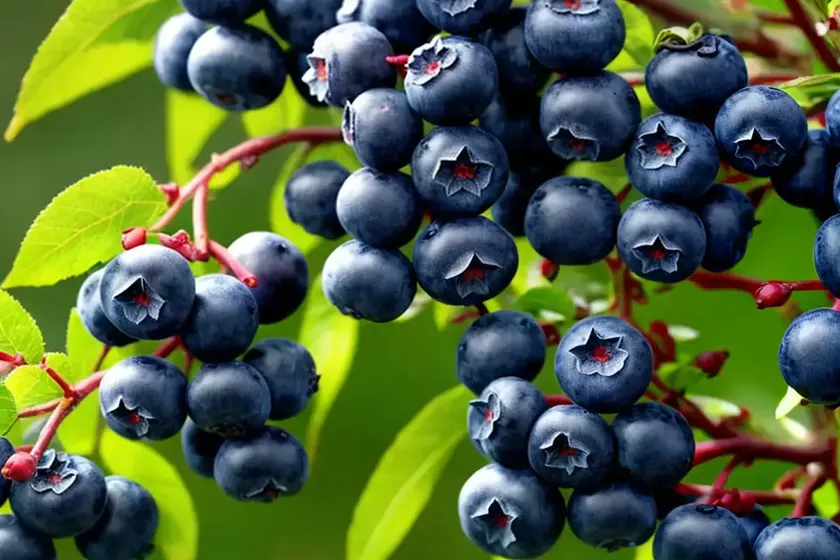
Vaccinium corymbosum ‘Patriot’, commonly known as Highbush Blueberry ‘Patriot’, is a popular cultivar of the highbush blueberry, celebrated for its delicious berries and ornamental value. Whether you are an experienced gardener or a novice enthusiast, this comprehensive guide will provide you with all the necessary information to successfully grow and care for Vaccinium corymbosum ‘Patriot’ in your garden or container.
Key Takeaways – Vaccinium corymbosum ‘Patriot’ (Highbush Blueberry)
Before delving deeper into the specifics, let’s take a quick look at the key takeaways for growing and caring for Vaccinium corymbosum ‘Patriot’:
- Family: Ericaceae
- Common Name: Highbush Blueberry ‘Patriot’
- Plant Type: Deciduous shrub
- Mature Height: 4-6 feet (1.2-1.8 meters)
- Mature Spread: 3-4 feet (0.9-1.2 meters)
- Sunlight: Full sun to partial shade
- Soil: Well-drained, acidic soil (pH 4.8-5.2)
- USDA Hardiness Zones: 3-7
- Fruiting Period: Mid to late season
- Yield: High
- Pest and Disease Resistance: Good
- Uses: Edible berries, ornamental
With these key points in mind, let’s explore the detailed cultivation and care requirements for this exceptional blueberry cultivar.
What is Vaccinium corymbosum ‘Patriot’ (Highbush Blueberry)?
Vaccinium corymbosum, commonly known as highbush blueberry, is a species of blueberry native to eastern North America. ‘Patriot’ is a particular cultivar of highbush blueberry renowned for its high fruit yield, excellent flavor, and attractive ornamental features. The plant belongs to the Ericaceae family and is prized by gardeners and fruit enthusiasts for its versatility and adaptability.
The ‘Patriot’ cultivar is cherished not only for its exceptional fruit production but also for its aesthetic appeal. During the spring, the plant showcases beautiful white or pinkish bell-shaped flowers, which eventually give way to an abundant harvest of plump, sweet berries. Its vibrant autumn foliage adds further allure to this remarkable plant, making it a valuable addition to home gardens, orchards, and landscapes.
Culture
Uses
- Edible Berries: The primary use of Vaccinium corymbosum ‘Patriot’ is for its delectable berries. Whether enjoyed fresh, added to desserts, or preserved in jams and jellies, the berries are a true delight for the palate. Their high antioxidant content and nutritional value further enhance their appeal.
- Ornamental: In addition to its fruiting capabilities, ‘Patriot’ makes an excellent ornamental plant. Its lush foliage, elegant flowers, and fiery autumn colors contribute to its aesthetic value, making it an attractive choice for landscaping and decorative purposes.
Water
Proper watering is essential for the health and productivity of ‘Patriot’ highbush blueberry plants. Maintaining consistent soil moisture, especially during the flowering and fruiting stages, is crucial. While blueberries have a preference for moist soil, they are susceptible to root rot if waterlogged. Therefore, a balance must be struck to ensure proper hydration without waterlogging.
Here are some watering guidelines for ‘Patriot’ blueberry plants:
- Established Plants: Once established, ‘Patriot’ blueberries generally require about 1-2 inches (2.5-5 cm) of water per week, either from rainfall or supplemental irrigation.
- Mulching: Applying a layer of organic mulch, such as pine bark or wood chips, around the base of the plants can help retain soil moisture and reduce the frequency of watering.
- Avoid Overhead Watering: When irrigating, it is advisable to water the soil directly at the base of the plants to prevent wetting the foliage, which can lead to disease issues.
Sunlight
Proper sunlight exposure is vital for the growth, fruiting, and overall health of ‘Patriot’ highbush blueberries. Adequate sunlight ensures robust growth, enhances fruit development, and promotes the plant’s ornamental features.
Here are the sunlight requirements for ‘Patriot’ blueberry plants:
- Full Sun to Partial Shade: ‘Patriot’ blueberries thrive in full sun, which typically translates to at least 6-8 hours of direct sunlight per day. However, they can also tolerate partial shade, especially in regions with hot summers or intense sunlight.
- Morning Sun: In warmer climates, providing morning sun and some afternoon shade can be beneficial to prevent excessive heat stress on the plants.
- Ideal Placement: When selecting a site for planting ‘Patriot’ blueberries, choose an area with good air circulation and exposure to sunlight, taking into account the local climate and microclimatic conditions.
Fertilizer
Proper fertilization is key to supporting the growth, development, and fruiting of ‘Patriot’ highbush blueberries. While blueberries have specific nutritional requirements, it is essential to provide them with the appropriate fertilizers in the right amounts and at the right times to ensure optimal health and productivity.
Here are some guidelines for fertilizing ‘Patriot’ blueberry plants:
- Soil Testing: Before applying any fertilizers to the soil, it is advisable to conduct a soil test to assess the pH and nutrient levels. This will help determine specific fertilizer needs based on the soil’s composition.
- Acidic Soil Amendments: Blueberries thrive in acidic soil with a pH range of 4.5-5.5. When necessary, amend the soil with acidifying materials such as elemental sulfur, ammonium sulfate, or peat moss to maintain the optimal pH range.
- Fertilizer Selection: Use a balanced, slow-release fertilizer formulated for acid-loving plants, such as a formulation for azaleas, camellias, and rhododendrons. Alternatively, specialized blueberry fertilizers are available to meet the plant’s specific nutrient requirements.
- Application Timing: Apply fertilizer in early spring before new growth begins, following the recommended rates based on the plant’s age and size. Avoid fertilizing after mid-summer to prevent stimulating late-season growth, which may be vulnerable to frost damage.
Soil
The soil quality and composition play a critical role in the successful cultivation of ‘Patriot’ highbush blueberries. Blueberries, including the ‘Patriot’ cultivar, have distinctive soil requirements due to their preference for acidic, well-drained soils with good organic content.
Here are some considerations for the soil requirements of ‘Patriot’ blueberry plants:
- Acidic Soil pH: Blueberries thrive in acidic soils with a pH range of 4.5-5.5. It is essential to test the soil pH and make any necessary amendments to achieve and maintain the appropriate acidity for optimal growth and fruiting.
- Organic Matter: Incorporating organic matter, such as compost, peat moss, or well-rotted pine bark, into the soil can improve its structure, moisture retention, and fertility, creating a favorable environment for ‘Patriot’ blueberry roots.
- Well-Drained Soil: Good drainage is crucial to prevent waterlogging, which can cause root rot and other moisture-related issues. If the natural soil drainage is poor, raised beds or mounded planting areas can help improve drainage around the blueberry roots.
Pruning
Effectively pruning ‘Patriot’ highbush blueberries is essential for maintaining plant health, stimulating fruit production, and shaping the growth structure. Proper pruning encourages the development of strong, productive branches while removing weak or overcrowded growth.
Here are some pruning tips for ‘Patriot’ blueberry plants:
- Established Plants: Once ‘Patriot’ blueberries are established, consider annual pruning during the dormant season (late winter to early spring) to remove dead or diseased wood, thin overcrowded branches, and shape the plant for optimal growth and fruiting.
- Pruning Goals: Focus on removing low-growing or crossing branches, weak or spindly growth, and any dead or damaged wood. Encourage an open, vase-like growth habit to improve air circulation and sunlight penetration within the canopy.
- Fruiting Stems: Identify and retain vigorous, fruit-producing stems, which typically exhibit a reddish hue, for the next season’s harvest. Pruning out old, unproductive stems can rejuvenate the plant and promote higher yields.
Propagation
Propagation of ‘Patriot’ highbush blueberries can be achieved through several methods, including softwood cuttings, hardwood cuttings, and division. Each propagation technique offers its advantages and can be utilized based on the specific requirements and preferences of the grower.
Here are some common propagation methods for ‘Patriot’ blueberry plants:
- Softwood Cuttings: Softwood cuttings taken from young, actively growing shoots in late spring or early summer can be propagated to produce genetically identical ‘Patriot’ blueberry plants.
- Hardwood Cuttings: Hardwood cuttings collected during the dormant season (late fall to early winter) offer another method of propagating ‘Patriot’ blueberries, with the potential to yield robust plants in subsequent seasons.
- Division: Clump division involves separating the root mass of established ‘Patriot’ blueberry plants into smaller sections, each with its shoot system, to propagate new plants. This method is often used during plant maintenance or rejuvenation.
Container
Cultivating ‘Patriot’ highbush blueberries in containers can be a rewarding endeavor for individuals with limited garden space or those seeking greater control over soil conditions and environmental factors. When grown in containers, blueberries, including the ‘Patriot’ cultivar, require specific care to thrive and produce abundant harvests.
Here are some considerations for growing ‘Patriot’ blueberries in containers:
- Container Selection: Choose large, sturdy containers with drainage holes to accommodate the expansive root system of blueberries and ensure adequate soil aeration and drainage.
- Potting Mix: Use a well-draining, acidic potting mix formulated for acid-loving plants, combined with organic matter such as peat moss or pine bark, to create an ideal growing medium for ‘Patriot’ blueberries in containers.
- Watering and Fertilization: Container-grown blueberries may require more frequent watering and fertilization compared to those in the ground, as their roots are confined to a limited space and are more susceptible to fluctuations in soil moisture and nutrient levels.
Popularity
The ‘Patriot’ cultivar of Vaccinium corymbosum, or Highbush Blueberry ‘Patriot’, is a popular choice among gardeners, fruit enthusiasts, and commercial growers alike. Renowned for its excellent flavor, high fruit yield, and ornamental appeal, ‘Patriot’ has garnered widespread popularity for a variety of applications, from home gardens and orchards to landscaping projects and ornamental displays.
Common Diseases
‘Patriot’ highbush blueberries, like other blueberry cultivars, can be susceptible to several diseases that may affect their health and productivity. Understanding these common diseases and their symptoms is crucial for implementing appropriate preventive measures and management strategies.
Here are some common diseases that may affect ‘Patriot’ blueberry plants:
- Powdery Mildew (Podosphaera macularis): Powdery mildew presents as a white powdery coating on the surfaces of leaves and stems, leading to reduced photosynthesis and vigor. It thrives in humid conditions and can be combatted with fungicidal treatments and cultural practices to improve air circulation.
- Botrytis Blight (Botrytis cinerea): Also known as gray mold, this disease causes necrotic lesions on leaves, flowers, and fruit, often leading to fruit rot. Maintaining proper plant spacing, reducing leaf wetness, and applying fungicides can help manage botrytis blight.
- Anthracnose (Colletotrichum spp.): Anthracnose manifests as dark, sunken lesions on leaves, stems, and fruit, potentially causing defoliation and yield loss. Irrigation management and fungicidal applications can aid in anthracnose control, especially during periods of high humidity and rainfall.
Disease Diagnosis
Diagnosing diseases in ‘Patriot’ highbush blueberries involves careful observation of symptoms, understanding environmental conditions, and, in some cases, laboratory testing to accurately identify the causal agents and develop effective management strategies.
Here are some general steps for diagnosing diseases in ‘Patriot’ blueberry plants:
- Symptom Observation: Carefully examine the plant for any abnormal signs, including leaf discoloration, spots, lesions, wilting, or distortion, as well as fruit abnormalities.
- Environmental Factors: Consider environmental conditions such as humidity, temperature, soil moisture, and sunlight exposure, as these factors can influence disease development.
- Pathogen Identification: If necessary, submit samples to diagnostic laboratories or extension services for pathogen identification, which can help tailor specific disease management recommendations.
Common Pests
In addition to diseases, ‘Patriot’ highbush blueberries may also be susceptible to insect pests that can impact the plant’s health and fruit production. Identifying common pests and implementing targeted control measures is essential for preserving the vitality of the blueberry plants.
Here are some common pests that may affect ‘Patriot’ blueberry plants:
- Blueberry Maggot (Rhagoletis mendax): The blueberry maggot is a fly whose larvae infest blueberry fruit, causing damage and rendering the fruit unmarketable. Monitoring with traps and applying insecticide sprays at the appropriate timing can help manage this pest.
- Spotted Wing Drosophila (Drosophila suzukii): This invasive fruit fly species can infest ripe and ripening blueberries, leading to fruit spoilage. Using protective netting and applying insecticides when necessary can assist in controlling spotted wing drosophila infestations.
Botanist’s Tips
When growing and caring for Vaccinium corymbosum ‘Patriot’ in your garden or landscape, here are some botanist’s tips to guide you towards success:
- Maintain Soil Acidity: Regularly monitor and adjust the soil pH to keep it within the optimal range for ‘Patriot’ blueberries, as soil acidity directly affects nutrient availability and plant health.
- Provide Adequate Pollination: Blueberries, including ‘Patriot’, benefit from adequate pollination for optimal fruit production. Consider planting multiple blueberry cultivars or incorporating pollinator-attracting plants nearby to enhance pollination.
- Monitor Pest and Disease Activity: Conduct regular inspections of ‘Patriot’ blueberry plants to identify and address potential pest and disease issues promptly, thus preventing significant damage and losses.
Fun Facts
- The ‘Patriot’ cultivar of Vaccinium corymbosum was introduced in the mid-20th century and has since become a beloved choice for both commercial and home cultivation.
- Blueberries, including ‘Patriot’, are categorized as “superfruits” due to their exceptional nutritional profile and high antioxidant content, which contribute to their health-promoting properties.
Links to External Resources
For further information and resources on growing and caring for Vaccinium corymbosum ‘Patriot’ (Highbush Blueberry), explore the following links:
- University of Maine Cooperative Extension – Highbush Blueberries
- Penn State Extension – Growing Blueberries in Containers
- University of California Agriculture and Natural Resources – Blueberry Cultivars for the Sacramento Valley
In conclusion, Vaccinium corymbosum ‘Patriot’, the Highbush Blueberry ‘Patriot’ cultivar, is a versatile and rewarding addition to any garden or landscape. Whether cherished for its delectable berries, ornamental value, or healthful qualities, ‘Patriot’ remains a beloved choice for fruit enthusiasts, gardeners, and horticulturists alike. By following the guidelines outlined in this comprehensive guide, you can cultivate and care for ‘Patriot’ blueberries successfully, enjoying the bountiful harvest and beauty these exceptional plants offer.
Disclaimer: This content is intended for informational purposes only. It is crucial to research and understand the specific needs and requirements of plants before growing them. Always consult with local gardening experts and extension services for region-specific recommendations and guidance.