Sedum spurium ‘Dragon’s Blood’ (Caucasian Stonecrop): A Complete Guide
What is Sedum spurium ‘Dragon’s Blood’?
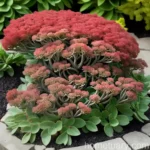
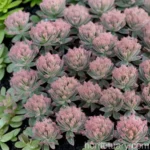
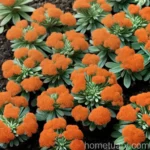
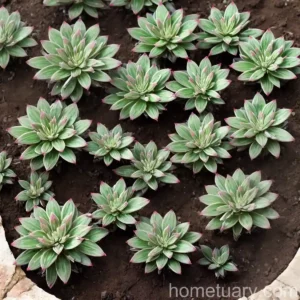
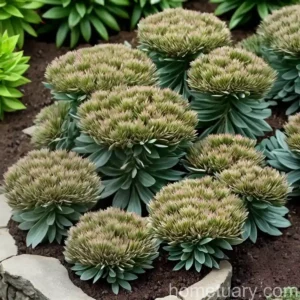
Sedum spurium ‘Dragon’s Blood’ is a popular succulent plant known for its attractive deep red foliage and its ability to thrive with minimal care. This plant belongs to the Crassulaceae family and is native to the Caucasus region of Eastern Europe. It is commonly referred to as Caucasian stonecrop and is prized for its ability to provide vibrant color and ground cover in various landscaping settings.
This comprehensive guide will delve into the characteristics, care requirements, propagation methods, and the various uses of Sedum spurium ‘Dragon’s Blood.’ Whether you are a seasoned gardener or a beginner looking to enhance your garden with this stunning plant, this guide will equip you with the knowledge needed to successfully cultivate and enjoy the beauty of this sedum variety.
Key Takeaways – Sedum spurium ‘Dragon’s Blood’
Before we dive into the specifics of caring for Sedum spurium ‘Dragon’s Blood,’ let’s take a quick look at the key takeaways regarding this plant:
- Characteristics: Vibrant red foliage, succulent leaves, low-growing habit.
- Care: Low-maintenance, drought-tolerant, suitable for various climates.
- Planting: Well-draining soil, moderate sunlight, adequate spacing.
- Propagation: Easily propagated from stem cuttings and division.
- Uses: Ground cover, container gardening, rock gardens, and edging plants.
- Maintenance: Minimal pruning, occasional fertilization, and pest monitoring.
- Soil Requirements: Well-draining, sandy or loamy soil.
- Water Needs: Drought-tolerant once established, infrequent watering.
- Sunlight Requirements: Thrives in full sun to partial shade.
- Pruning: Minimal pruning required to maintain shape and remove dead foliage.
- Fertilization: Occasional application of balanced fertilizer in the growing season.
- Pests and Diseases: Susceptible to aphids, snails, and rot in poorly drained soil.
These key takeaways will serve as a roadmap as we explore the detailed aspects of cultivating and maintaining Sedum spurium ‘Dragon’s Blood.’
Culture
When it comes to the culture of Sedum spurium ‘Dragon’s Blood,’ understanding its preferred growing conditions is crucial for ensuring its health and vibrancy. Let’s delve into the specific cultural requirements for this captivating succulent plant.
Uses
The ornamental appeal and versatility of Sedum spurium ‘Dragon’s Blood’ make it a highly sought-after plant for a range of landscaping and gardening purposes. Here are some common uses of this sedum variety:
- Ground Cover: The low-growing and spreading nature of ‘Dragon’s Blood’ makes it an excellent ground cover option for sunny areas. Its red foliage adds a striking aesthetic to garden beds and rock gardens.
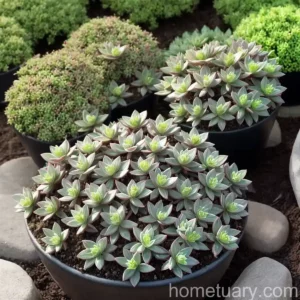
- Container Gardening: The trailing habit and vibrant color of this sedum make it a popular choice for container arrangements. Whether used in hanging baskets or mixed containers, it adds visual interest to outdoor spaces.
- Rock Gardens: Its ability to thrive in rocky and challenging environments makes ‘Dragon’s Blood’ an ideal addition to rock gardens, where it can create a visually appealing carpet of red foliage.
- Edging Plants: The compact growth habit of this sedum variety makes it well-suited for edging along pathways, borders, and garden beds, providing a neat and colorful border.
Water
Understanding the water needs of Sedum spurium ‘Dragon’s Blood’ is essential for preventing issues related to overwatering or underwatering. Here are the key considerations for watering this succulent plant:
- Watering Frequency: When establishing ‘Dragon’s Blood’ in the garden or containers, regular watering is necessary to encourage root development. However, once the plant is established, it becomes highly drought-tolerant and requires minimal supplemental watering.
- Soil Moisture: Ensure that the soil is well-draining to prevent waterlogging, which can lead to root rot. Allow the soil to dry out between watering sessions to mimic the plant’s natural habitat and prevent moisture-related issues.
Sunlight
Sedum spurium ‘Dragon’s Blood’ thrives in bright sunlight and is well-suited for locations with full sun exposure. Understanding its sunlight requirements is crucial for promoting vigorous growth and vibrant foliage. Here are the key aspects related to sunlight needs:
- Full Sun: ‘Dragon’s Blood’ performs best when grown in locations that receive full sunlight for a significant portion of the day. Adequate sunlight exposure promotes the development of intense red pigments in the foliage.
- Partial Shade: While this sedum variety prefers full sun, it can tolerate partial shade, especially in regions with intense afternoon sunlight. However, prolonged periods of low light can result in reduced color intensity and potential legginess.
Fertilizer
Applying the right type and amount of fertilizer is essential for supporting the growth and visual appeal of Sedum spurium ‘Dragon’s Blood.’ Here’s a closer look at the fertilization requirements for this captivating succulent:
- Fertilizer Type: Use a balanced, all-purpose fertilizer with a slightly higher phosphorus content to promote flowering and overall plant health. An organic, slow-release fertilizer can also be used to provide long-term nutrition to the plant.
- Application Timing: Apply fertilizer in the early spring as new growth emerges. Avoid excessive fertilization, as sedums, including ‘Dragon’s Blood,’ are sensitive to high levels of nitrogen, which can result in excessive foliage growth at the expense of color intensity.
Soil
The choice of soil and its preparation significantly impacts the overall health and performance of Sedum spurium ‘Dragon’s Blood.’ Understanding the soil requirements and making appropriate accommodations can contribute to the plant’s long-term success. Here’s what you need to know about the soil preferences for this sedum variety:
- Well-Draining Soil: ‘Dragon’s Blood’ thrives in well-draining soil that prevents water from pooling around the roots. Sandy or loamy soils with good permeability are ideal for ensuring proper drainage and preventing moisture-related issues.
- Soil pH: This sedum variety is adaptable to a wide range of soil pH levels, but it thrives in slightly acidic to neutral soils. Conduct a soil test to determine the pH level and make adjustments if necessary to create an optimal growing environment.
Pruning
Pruning plays a role in maintaining the tidy appearance and vigor of Sedum spurium ‘Dragon’s Blood.’ Understanding the pruning requirements and techniques for this plant is essential for promoting a compact growth habit and preventing the accumulation of dead foliage. Here are the key aspects related to pruning this succulent:
- Deadheading: Removing spent blooms and dead foliage encourages the plant to redirect its energy toward producing new growth and flowers. Use sanitized pruning shears to snip off the faded flower heads as they appear.
- Shaping: While ‘Dragon’s Blood’ generally maintains a tidy growth habit, light pruning can be performed to shape the plant and remove any straggly or leggy stems. Avoid heavy pruning, as excessive cutting can compromise the natural form of the plant.
Propagation
Understanding the propagation methods for Sedum spurium ‘Dragon’s Blood’ is valuable for expanding your plant collection and sharing this captivating succulent with fellow gardening enthusiasts. Here are the primary methods for propagating this sedum variety:
- Stem Cuttings: Propagate ‘Dragon’s Blood’ from stem cuttings taken during the growing season. Select healthy, non-flowering stems and cut them into segments, ensuring that each cutting has several nodes. Allow the cuttings to callus before planting them in a well-draining propagation medium.
- Division: Established clumps of ‘Dragon’s Blood’ can be divided in the spring or early fall to create new plants. Gently lift the plant from the soil, and use a sharp, clean tool to separate the clump into individual sections. Replant the divisions in suitable locations, ensuring proper spacing for their growth.
Container Popularity
The compact growth habit and ornamental appeal of Sedum spurium ‘Dragon’s Blood’ make it a popular choice for container gardening. Whether used in solo plantings or combined with other succulents and ornamental plants, this sedum variety brings visual interest and vibrant color to container arrangements. Here are some reasons why ‘Dragon’s Blood’ is sought after for container cultivation:
- Versatility: ‘Dragon’s Blood’ adapts well to container environments, making it suitable for various outdoor spaces such as patios, balconies, and courtyards. Its trailing habit allows it to spill gracefully over the edges of containers.
- Visual Impact: The intense red foliage of ‘Dragon’s Blood’ serves as a striking focal point in container arrangements, especially when paired with contrasting foliage or flowering plants.
- Low Maintenance: With minimal care requirements and drought tolerance, ‘Dragon’s Blood’ is an excellent choice for busy gardeners or those new to container gardening.
Common Diseases and Pests
While Sedum spurium ‘Dragon’s Blood’ is generally resilient, it is important to be aware of potential diseases and pests that can affect its health and appearance. Being proactive in disease prevention and monitoring for pest activity can help maintain the vigor and visual appeal of this captivating succulent. Here are some common diseases and pests to watch out for:
Common Diseases
- Root Rot: Overly wet soil can lead to root rot, causing the plant to exhibit wilting, yellowing foliage, and stunted growth. To prevent root rot, ensure that the soil is well-draining and avoid overwatering the plant.
- Powdery Mildew: Humid conditions and poor air circulation can contribute to powdery mildew, characterized by a white, powdery coating on the leaves. Provide adequate spacing between plants and ensure air movement to minimize the risk of this fungal disease.
Disease Diagnosis
When identifying and addressing potential diseases affecting Sedum spurium ‘Dragon’s Blood,’ it is important to closely inspect the plant for symptoms and take appropriate measures to mitigate the impact of these conditions. Here’s a general approach to diagnosing and managing diseases in this sedum variety:
- Visual Inspection: Regularly examine the plant for any signs of discoloration, wilting, spotting, or abnormal growth. Early detection allows for prompt intervention and prevents the spread of diseases.
- Cultural Practices: Create an optimal growing environment by ensuring proper soil drainage, adequate sunlight exposure, and good air circulation. Healthy plants are better equipped to resist diseases.
Common Pests
- Aphids: These small, sap-sucking insects can congregate on the foliage and stems of ‘Dragon’s Blood,’ causing distorted growth and foliage damage. Use a strong stream of water or insecticidal soap to control aphid populations.
- Snails and Slugs: These voracious pests can feed on the succulent leaves of ‘Dragon’s Blood,’ causing unsightly damage. Employ physical barriers, such as copper tape or diatomaceous earth, to deter snails and slugs from reaching the plants.
Botanist’s Tips
As a plant enthusiast and botanist, I have gained valuable insights into the cultivation and care of Sedum spurium ‘Dragon’s Blood.’ Here are some tips that can enhance your experience with this captivating succulent:
- Plant Spacing: When planting ‘Dragon’s Blood’ in the garden, ensure adequate spacing between individual plants to allow for their spreading habit. This prevents overcrowding and competition for resources.
- Well-Draining Containers: If growing ‘Dragon’s Blood’ in containers, choose pots with drainage holes to prevent waterlogging. A well-draining potting mix specifically designed for succulents and cacti is ideal for container cultivation.
- Overwintering: In regions with cold winters, provide protection for ‘Dragon’s Blood’ by mulching around the base of the plants to insulate the roots. This helps the plant withstand winter conditions and emerge vigorously in the following spring.
Fun Facts
In addition to its ornamental appeal and low-maintenance nature, Sedum spurium ‘Dragon’s Blood’ boasts some intriguing and noteworthy characteristics. Here are a few fun facts about this captivating succulent:
- Pollinator Attraction: The tiny star-shaped flowers of ‘Dragon’s Blood’ attract pollinators, including bees and butterflies, adding to its ecological value in the garden.
- Drought Tolerance: This sedum variety is highly resilient to drought, making it an ideal candidate for water-wise gardening and xeriscaping projects.
- Seasonal Interest: While ‘Dragon’s Blood’ is known for its striking red foliage, it also produces delicate pink flowers in the summer, adding a delightful touch of color to the garden.
Links to External Resources
For further information and resources on Sedum spurium ‘Dragon’s Blood’ and related topics, I recommend exploring the following links:
- Plant Hardiness and Growing Zones: USDA Plant Hardiness Zone Map
- Succulent Plant Care Tips: The Spruce – Growing and Caring for Sedum Plants
- Integrated Pest Management for Gardeners: University of California IPM Online
- Rock Garden Design Ideas: The Royal Horticultural Society – Rock Gardens
- Container Gardening Inspiration: Garden Design Magazine – Container Garden Ideas
By meticulously following the care guidelines and taking advantage of the ornamental appeal and resilience of Sedum spurium ‘Dragon’s Blood,’ you can create captivating landscape displays, vibrant container arrangements, and visually striking ground cover. Whether used as a low-maintenance solution for challenging growing conditions or as a vibrant accent in ornamental plantings, this sedum variety serves as a testament to the beauty and adaptability of succulent plants in diverse gardening environments.