

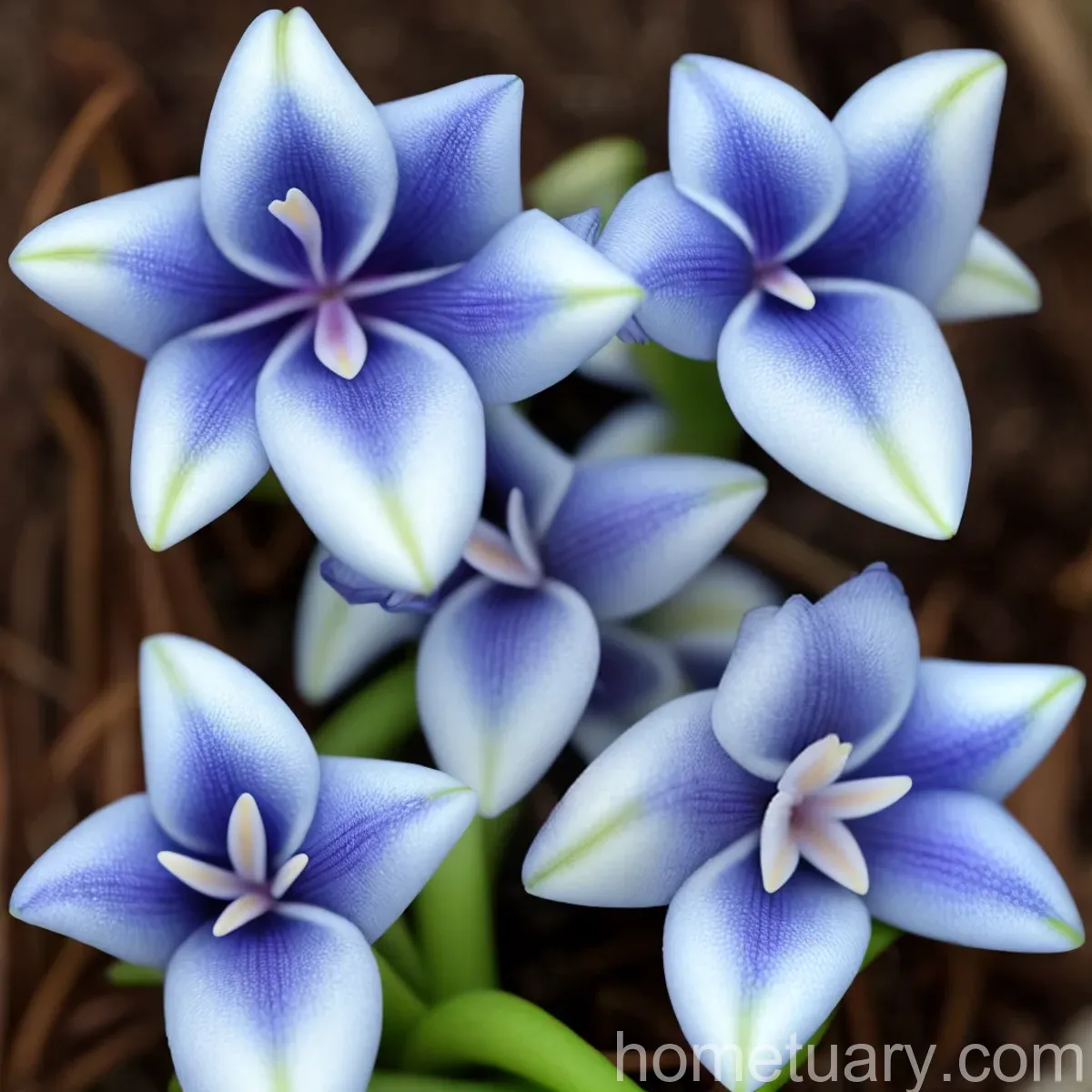
True Blue Butterwort (Pinguicula Agnata ‘True Blue’)
What is Plant: True Blue Butterwort
The True Blue Butterwort, scientifically known as Pinguicula Agnata ‘True Blue,’ is a captivating carnivorous plant that belongs to the Lentibulariaceae family. It is a fascinating plant species that exhibits unique characteristics and thrives in specific environmental conditions. This blog post provides comprehensive insights into the True Blue Butterwort, including its culture, uses, care requirements, and propagation techniques.
Key Takeaways – True Blue Butterwort (Pinguicula Agnata ‘True Blue’)
The True Blue Butterwort is a remarkable carnivorous plant that requires specialized care to thrive. Some key takeaways about this unique plant are:
- The True Blue Butterwort, also known as Pinguicula Agnata ‘True Blue,’ is a blue-flowered carnivorous plant variety with distinct morphological traits.
- It requires specific cultural conditions, including suitable water, sunlight, soil, and fertilizer, to ensure optimal growth and development.
- The plant’s popularity is attributed to its striking blue flowers and its ability to naturally capture and digest insects as part of its carnivorous nature.
- Understanding the management of common diseases and pests is essential for maintaining the plant’s health and vigor.
Now, let’s delve into the intricate details of the True Blue Butterwort, encompassing its culture, uses, care requirements, and valuable tips for plant enthusiasts and horticulturists.
Culture
The culture of the True Blue Butterwort involves a deep understanding of its environmental requirements, growth habits, and specific care practices. Creating an environment that mimics the plant’s natural habitat is crucial for ensuring its long-term health and vitality.
Water
The True Blue Butterwort necessitates an appropriate water regime to support its growth and physiological functions. This carnivorous plant thrives in moist but well-drained soil, and utilizing distilled water, rainwater, or reverse osmosis water is highly recommended to prevent the accumulation of mineral deposits that may adversely affect the plant. Keeping the soil consistently moist, but not waterlogged, is crucial to meet the plant’s water needs.
Sunlight
Adequate sunlight is essential for the True Blue Butterwort to thrive. As a carnivorous plant, it benefits from bright, indirect light or dappled sunlight. It is important to protect the plant from prolonged exposure to intense, direct sunlight, as this may lead to leaf scorch and damage.
Fertilizer
Due to its carnivorous nature, the True Blue Butterwort obtains essential nutrients from the insects it captures and digests. Consequently, traditional fertilization is not necessary for this plant. In fact, the use of fertilizers can be detrimental to its health, as it may lead to an accumulation of salts in the soil and potentially harm the plant.
Soil
A well-draining soil mix is vital for the True Blue Butterwort, mimicking the conditions of its natural habitat. A recommended potting medium is a blend of peat moss, perlite, and horticultural sand, which provides adequate aeration and moisture retention while preventing waterlogged conditions.
Pruning
Pruning requirements for the True Blue Butterwort are minimal. Removal of dried or dead foliage is recommended to maintain the plant’s aesthetic appeal and prevent the accumulation of decaying material that may attract harmful pests and pathogens.
Propagation
Propagation techniques are crucial for expanding the population of True Blue Butterworts and ensuring genetic diversity. The plant can be propagated through various methods, including leaf cuttings, division, and seed propagation.
Leaf Cuttings
The propagation of True Blue Butterworts through leaf cuttings involves carefully removing healthy leaves and placing them on a moist propagation medium. With the appropriate environmental conditions and care, these leaves can develop into independent plantlets.
Division
Division is another effective propagation method for True Blue Butterworts. The plant can be carefully divided into separate sections, each containing sufficient roots and foliage for independent growth.
Seed Propagation
While seed propagation is a more time-consuming method, it offers the potential for genetic variation and is ideal for conserving rare cultivars. Sowing seeds in a suitable propagation medium and providing optimal conditions for germination is essential for successful seed propagation.
Container Popularity
The True Blue Butterwort is a sought-after plant variety among horticulturists, botanists, and plant collectors due to its striking blue flowers and captivating carnivorous nature. Its unique coloration and exceptional growth habits make it a popular choice for cultivation in containers, terrariums, and specialized plant displays.
Container
When selecting a container for True Blue Butterworts, it is essential to prioritize functionality and aesthetic appeal. Opt for containers with adequate drainage holes to prevent waterlogging and choose sizes that accommodate the plant’s root system while allowing for future growth. Additionally, transparent or translucent containers can enable enthusiasts to observe the plant’s fascinating trapping mechanisms and interactions with captured insects.
Common Diseases
Understanding common diseases that may affect True Blue Butterworts is essential for implementing proactive measures to prevent and manage potential health issues. While the plant is generally resilient, it may be susceptible to certain diseases and environmental stressors.
Disease Diagnosis
Some common diseases that may affect True Blue Butterworts include:
- Fungal Infections: Prolonged periods of high humidity or overwatering may create favorable conditions for fungal pathogens, leading to symptoms such as leaf browning, wilting, and stunted growth.
- Bacterial Diseases: Bacterial infections can manifest as leaf spots, rot, and overall decline in plant health, often exacerbated by excessive moisture and poor air circulation.
- Viral Diseases: Viral infections may cause abnormal growth patterns, mottling, and discoloration of foliage, impacting the plant’s aesthetic appeal and overall vigor.
Common Pests
In addition to diseases, True Blue Butterworts may also encounter pest infestations that can compromise their health and vitality. Common pests that affect carnivorous plants include:
- Aphids: These small, sap-sucking insects can infest the tender foliage of True Blue Butterworts, leading to distorted growth and reduced vigor.
- Fungus Gnats: The larvae of fungus gnats can damage the plant’s root system, leading to weakened growth and susceptibility to other stressors.
- Thrips: Thrips are tiny insects that can cause stippling, distortion, and discoloration of the plant’s leaves, impacting its aesthetic appeal.
Understanding the symptoms and signs of diseases and pest infestations is crucial for prompt intervention and effective management strategies.
Botanist’s Tips
Botanists and plant enthusiasts can benefit from several key tips for successfully cultivating and maintaining True Blue Butterworts. These tips encompass essential aspects of plant care, propagation, and environmental management.
1. Humidity Control: Monitoring and managing humidity levels is crucial for preventing fungal and bacterial diseases, especially in indoor cultivation environments.
2. Aeration: Ensuring adequate airflow around the plant’s foliage and soil surface can mitigate the risk of fungal infections and promote overall plant health.
3. Insect Control: Implementing proactive measures to minimize pest infestations, such as the use of sticky traps and biological control agents, can safeguard the plant from damage.
4. Conservation: Contributing to the conservation of True Blue Butterworts in their natural habitats and supporting sustainable cultivation practices can help preserve this unique plant species for future generations.
5. Observation: Regularly observing the plant’s growth, trapping activity, and overall condition can provide valuable insights into its health and vitality, enabling timely interventions when necessary.
Fun Facts
True Blue Butterworts are fascinating plants with a range of intriguing characteristics and behaviors. Here are some fun facts about the True Blue Butterwort:
- The True Blue Butterwort’s captivating blue flowers serve as an adaptive mechanism to attract potential insect prey, enhancing its carnivorous capabilities.
- The plant’s modified leaves, known as “adhesive traps,” feature glandular structures that produce a sticky secretion to capture and digest insects, providing essential nutrients for the plant’s growth and development.
- While often admired for its captivating flowers, the True Blue Butterwort’s carnivorous nature and unique adaptations make it a subject of scientific interest and conservation efforts.
Links to External Resources
For additional information, resources, and in-depth insights into True Blue Butterworts, we’ve curated a selection of valuable links that provide comprehensive coverage of this intriguing plant species:
- International Carnivorous Plant Society – Pinguicula Agnata ‘True Blue’
- Royal Horticultural Society – True Blue Butterwort Care Guide
- Botanical Journal – Blue-flowered Carnivorous Plant Species
- Carnivorous Plant Resource – Pinguicula Agnata Cultivation Guide
- American Botanical Council – Cultivating True Blue Pinguicula Agnata
- National Geographic – Blue-flowered Pinguicula Species Conservation
- Nature Journal – Pinguicula Agnata ‘True Blue’ Morphology Study
- Botanical Gardens – True Blue Butterwort Plant Profile
In conclusion, the True Blue Butterwort, or Pinguicula Agnata ‘True Blue,’ is a captivating carnivorous plant that captivates enthusiasts with its stunning blue flowers and extraordinary adaptations. Understanding its culture, propagation, disease management, and unique characteristics is essential for successful cultivation and conservation of this remarkable plant species. By providing meticulous care and maintaining optimal growing conditions, plant enthusiasts can experience the beauty and fascination of True Blue Butterworts while contributing to the preservation of this unique plant variety.
The information and resources shared in this blog post serve as valuable guides for individuals passionate about cultivating and appreciating the True Blue Butterwort, shedding light on its intricacies and the measures necessary for its successful cultivation.
Remember to immerse yourself in the captivating world of True Blue Butterworts, appreciating their natural elegance and remarkable adaptations as carnivorous plants.




