Blueflower Butterwort (Pinguicula caerulea): A Fascinating Carnivorous Plant
Plants have captivated humanity for centuries, offering beauty, sustenance, and intrigue. Among the myriad of plant species, the blueflower butterwort (Pinguicula caerulea) stands out as a captivating and unique carnivorous plant. In this comprehensive guide, we will delve into the world of Pinguicula caerulea, exploring its culture, uses, care requirements, and much more.
What is Pinguicula caerulea?
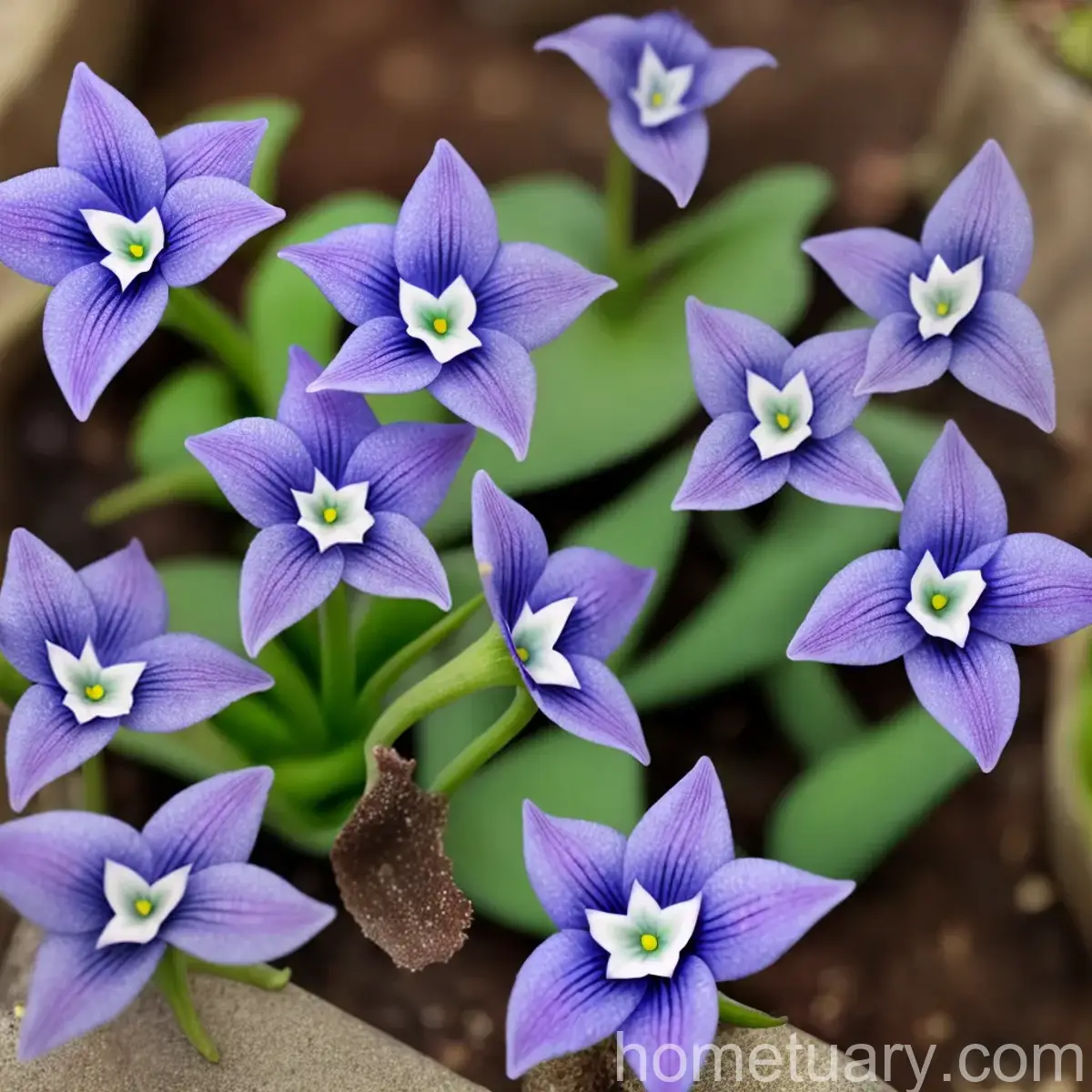
Pinguicula caerulea, commonly known as the blueflower butterwort, is a species of carnivorous plant belonging to the Lentibulariaceae family. This perennial herbaceous plant is native to various parts of North America, such as Florida, Georgia, and Alabama, where it thrives in damp, acidic environments. The plant is renowned for its stunning clusters of blue flowers, which serve as a prominent feature in gardens and specialized collections.
Key Takeaways – Blueflower Butterwort (Pinguicula caerulea)
Before diving deeper into the world of Pinguicula caerulea, let’s highlight some key takeaways about this captivating plant:
- Scientific Name: Pinguicula caerulea
- Common Name: Blueflower butterwort
- Family: Lentibulariaceae
- Native Habitat: Damp, acidic environments in North America
- Prominent Feature: Clusters of blue flowers
- Cultivation Status: Suitable for specialized collections and gardens
Now that we have a basic understanding of the blueflower butterwort, let’s explore its culture, uses, and essential care requirements.
Culture
Understanding the cultural preferences of Pinguicula caerulea is essential for ensuring its successful growth and development. From water and sunlight requirements to soil composition and container preferences, every aspect of its culture plays a critical role in nurturing this fascinating carnivorous plant.
Uses
While the primary allure of Pinguicula caerulea lies in its striking blue flowers and carnivorous nature, it serves various practical and ornamental purposes in horticulture. Some key uses of the blueflower butterwort include:
- Ornamental Plant: Blueflower butterwort is often cultivated for its aesthetic appeal, adding a unique touch to gardens, terrariums, and botanical collections.
- Educational Tool: Due to its carnivorous nature, Pinguicula caerulea is frequently used as an educational tool to teach students and enthusiasts about carnivorous plants and their fascinating adaptations.
- Insect Control: In its natural habitat, blueflower butterwort acts as a natural insect control mechanism, helping to regulate insect populations in its immediate environment.
Water
Water is a crucial element in the care of Pinguicula caerulea, mirroring the wet, acidic conditions of its native habitat. Understanding the plant’s water requirements is essential for preventing water-related issues and ensuring its overall health and vigor.
Watering Recommendations
- Avoid Overwatering: While Pinguicula caerulea enjoys consistently moist conditions, overwatering can lead to root rot and other moisture-related problems. It is vital to allow the growing medium to approach dryness before watering again.
- Use Distilled Water: Given its sensitivity to water quality, especially minerals, it is advisable to use distilled water or rainwater for watering blueflower butterwort. This prevents the accumulation of harmful substances in the soil and growing medium.
Sunlight
Proper exposure to sunlight is critical for the growth and well-being of Pinguicula caerulea. Understanding the plant’s sunlight requirements and providing adequate exposure is essential for promoting robust foliage and vibrant blooms.
Sunlight Requirements
- Indirect Sunlight: Blueflower butterwort thrives in bright, indirect light. Placing the plant near a south-facing or west-facing window where it can receive ample but filtered sunlight is ideal.
- Avoid Harsh Afternoon Sun: While the plant requires bright light, direct exposure to harsh afternoon sun can lead to sunburn and leaf damage. It is advisable to protect the plant from intense sunlight during the hottest part of the day.
Fertilizer
Unlike many non-carnivorous plants, Pinguicula caerulea does not require traditional fertilization. Its unique nutritional needs are met through its carnivorous adaptations, which enable it to capture and digest insects for essential nutrients.
Feeding the Plant
- Insect Capture and Digestion: The leaves of Pinguicula caerulea are equipped with specialized glands that secrete a sticky, digestive fluid. When unsuspecting insects land on the leaves, they become ensnared, allowing the plant to extract vital nutrients from their bodies.
- Avoid Feeding Commercial Fertilizers: Given its carnivorous nature, blueflower butterwort should not be fed traditional fertilizers or plant foods. Feeding it insects and other small arthropods is the most effective way to meet its nutritional requirements.
Soil
Creating an optimal growing medium for Pinguicula caerulea is crucial for supporting its unique nutritional and environmental needs. Understanding the appropriate soil composition and structure is essential for providing the plant with a suitable growing environment.
Recommended Soil Mix
- Acidic, Well-Draining Mix: Blueflower butterworts thrive in a well-draining, acidic soil mix. A combination of peat moss, perlite, and coarse sand provides an ideal growing medium that mimics the plant’s natural habitat.
- Avoid Limestone and Alkaline Substances: Given its preference for acidic conditions, it is crucial to avoid using soil components that can raise the pH level, such as limestone and alkaline substances.
Pruning
Pruning plays a limited role in the care of Pinguicula caerulea, primarily focused on the removal of unsightly or decaying leaves. Unlike traditional pruning carried out on non-carnivorous plants, the approach to pruning blueflower butterwort is centered on maintaining the health and aesthetics of the plant.
Pruning Guidelines
- Remove Yellowing or Decaying Leaves: As part of regular maintenance, any yellowing or decaying leaves should be carefully trimmed away using sterilized scissors. This helps prevent the spread of disease and maintains the overall appearance of the plant.
- Avoid Excessive Pruning: Given its compact nature, Pinguicula caerulea does not require extensive pruning. It is essential to strike a balance and ensure that the plant’s natural growth is not excessively impeded.
Propagation
A valuable aspect of caring for Pinguicula caerulea involves understanding its propagation methods. By learning how to propagate blueflower butterwort through various techniques, enthusiasts can expand their collection and share the beauty of this unique plant with others.
Propagation Techniques
- Leaf Cuttings: One of the most common methods of propagating Pinguicula caerulea involves taking leaf cuttings and rooting them in a suitable growing medium. With the right environmental conditions and care, these cuttings develop into new plants.
- Division: As the plant matures and produces multiple rosettes, division becomes a viable method for propagation. Dividing the plant into smaller sections and replanting them in individual containers facilitates the growth of new specimens.
Container
Selecting an appropriate container is an essential consideration in the overall care and culture of Pinguicula caerulea. The right container not only provides a suitable growing environment but also enhances the visual appeal of the plant’s display.
Container Selection
- Shallow, Wide Containers: Given the shallow root systems of Pinguicula caerulea, wide and shallow containers are well-suited for accommodating its growth. These containers provide ample space for the establishment of rosettes and promote healthy development.
- Drainage Holes: Ensuring proper drainage is essential for preventing waterlogged conditions. Select containers with drainage holes to facilitate the removal of excess moisture and maintain adequate air circulation around the roots.
Popularity
In recent years, the popularity of Pinguicula caerulea has grown among enthusiasts, horticulturists, and collectors. Its unique characteristics, striking blue flowers, and carnivorous nature have contributed to its allure and increased demand within the horticultural community.
Growing Popularity
- Specialized Collections: Blueflower butterwort has become a sought-after addition to specialized plant collections, including carnivorous plant displays and botanical gardens focused on unique and rare species.
- Horticultural Shows: The captivating blue flowers and intriguing carnivorous adaptations of Pinguicula caerulea have made it a popular choice for display at horticultural shows and exhibitions, where it captivates audiences and garners attention.
Common Diseases
While Pinguicula caerulea is relatively resilient, it is essential to be mindful of potential diseases that can affect the plant. Understanding common diseases and their symptoms is crucial for early detection and effective management.
Disease Identification
- Botrytis Blight: Botrytis cinerea, commonly known as botrytis blight, can affect the leaves of Pinguicula caerulea, leading to the development of mold and decay. This is often exacerbated by excessive moisture and poor air circulation.
- Root Rot: Overwatering can result in root rot, compromising the plant’s ability to absorb water and nutrients. Symptoms include wilting, discoloration, and mushy roots.
Disease Diagnosis
Diagnosing diseases in Pinguicula caerulea involves a systematic approach that considers the plant’s symptoms, environmental conditions, and potential causal factors. By identifying diseases accurately, appropriate measures can be taken to mitigate their impact and restore the plant’s health.
Diagnostic Process
- Visual Inspection: Careful visual examination of the plant’s foliage, stems, and roots can reveal symptoms such as discoloration, wilting, or unusual growth patterns, providing valuable clues about potential diseases.
- Environmental Analysis: Consideration of factors such as watering practices, air circulation, and sunlight exposure can help pinpoint environmental stressors that may contribute to disease development.
Common Pests
While Pinguicula caerulea possesses natural defenses against insects, it is not entirely immune to pest infestations. Understanding common pests and their impact on the plant is crucial for implementing effective pest management strategies.
Pest Identification
- Aphids: Aphids are a common pest that can target the leaves and tender tissues of Pinguicula caerulea, inhibiting growth and causing damage. Their presence may be indicated by the appearance of sticky honeydew and distorted or stunted growth.
- Spider Mites: Spider mites are tiny arachnids that can infest the foliage of blueflower butterwort, causing stippling, discoloration, and webbing on the leaves.
Botanist’s Tips
Growing and caring for Pinguicula caerulea requires careful attention to its unique characteristics and environmental needs. As a botanist specializing in carnivorous plants, I have gathered invaluable insights and tips for cultivating blueflower butterwort successfully.
Expert Recommendations
- Provide Adequate Air Circulation: Ensuring proper air circulation around the plant is crucial for preventing the development of mold, fungal diseases, and pest infestations. This can be achieved through well-ventilated growing spaces and strategic placement of the plant.
- Minimize Disturbance: Given the delicate nature of its leaves, minimizing physical disturbance is essential for preventing damage and stress. Avoid touching the sticky leaves whenever possible to maintain their function and appearance.
Fun Facts
Uncovering the fascinating aspects of Pinguicula caerulea reveals a world of captivating traits and adaptations. These fun facts shed light on the unique nature of the blueflower butterwort and its place in the botanical realm.
Intriguing Insights
- Innovative Insect Capture: The leaves of Pinguicula caerulea are equipped with specialized glands that produce a sticky, insect-trapping fluid. This unique adaptation allows the plant to capture and digest insects for essential nutrients.
- Cosmopolitan Distribution: While many species of Pinguicula are geographically limited, Pinguicula caerulea exhibits a broader distribution, thriving across various regions in North America.
Links to External Resources
To expand your knowledge and appreciation of Pinguicula caerulea, I have curated a selection of valuable external resources that provide additional information, insights, and visual references about this fascinating plant:
With its captivating blue flowers, intriguing carnivorous adaptations, and unique cultural requirements, Pinguicula caerulea stands as a remarkable testament to the diversity and fascination of the plant kingdom. By embracing its exceptional nature and cultivating it with care and dedication, enthusiasts can unlock the beauty and wonder of the blueflower butterwort in their own horticultural pursuits. As the captivating clusters of blue flowers bloom and the plant thrives in its specialized environment, the allure of Pinguicula caerulea continues to captivate and inspire plant lovers around the world.