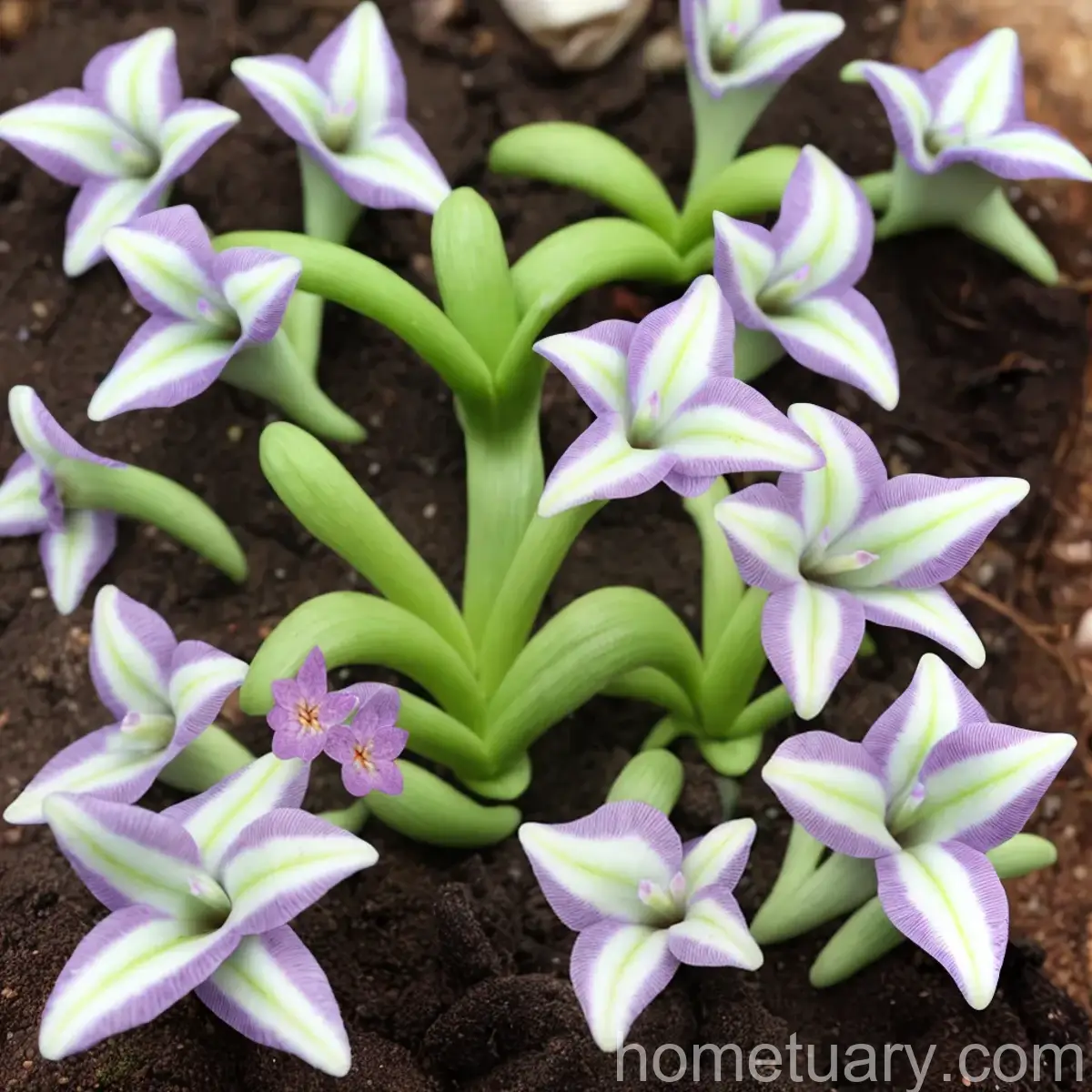
Mexican Butterwort (Pinguicula Jaumavensis) – A Fascinating Insectivorous Plant
The world of plants is incredibly diverse, encompassing a wide array of species with unique characteristics and adaptations. Among these, the Mexican butterwort (Pinguicula Jaumavensis) stands out for its insectivorous nature and beautiful appearance.
What is Plant: Mexican Butterwort (Pinguicula Jaumavensis)?
Plant Characteristics
The Mexican butterwort is a species of carnivorous plant belonging to the Lentibulariaceae family. It is native to Mexico, specifically from the mountains of Tamaulipas and San Luis Potosi. This perennial herbaceous plant is known for its rosette of succulent, spoon-shaped leaves that are covered in glandular hairs. These hairs excrete a sticky substance that attracts, captures, and digests insects, allowing the plant to supplement its nutrient intake in nitrogen-poor environments.
Morphology
The leaves of the Mexican butterwort are generally an elongated oval shape, growing in a basal rosette. The upper leaf surface is covered in glandular hairs, which give the leaves a sticky texture, while the lower surface is smooth. The flowers of the Mexican butterwort are delicate and trumpet-shaped, emerging on slender stalks above the foliage. They can vary in color from shades of white to light lavender and often feature intricate patterns and markings.
Natural Habitat and Distribution
This species primarily grows in the montane cloud forests of its native regions, where it thrives in humid, cool conditions. The Mexican butterwort often grows in limestone outcrops and rocky areas with shallow soil, displaying an adaptation to low-nutrient environments typical of many carnivorous plants.
Insectivorous Abilities
As a carnivorous plant, the Mexican butterwort has evolved specific adaptations to attract, capture, and digest insects. Its glandular hairs on the leaf surface secrete a sticky mucilage that ensnares insects. Once trapped, the plant uses enzymes to break down the insect and absorb the nutrients derived from its body. This unique feeding strategy allows the Mexican butterwort to thrive in nutrient-poor soils where other plants struggle to obtain essential nutrients like nitrogen.
Key Takeaways – Mexican Butterwort (Pinguicula Jaumavensis)
Before delving into the care and cultivation of Mexican butterworts, let’s explore the key takeaways summarizing its essential characteristics and requirements.
Mexican Butterwort (Pinguicula Jaumavensis) Characteristics and Requirements
- Insectivorous Nature: The Mexican butterwort is a carnivorous plant that relies on the capture and digestion of insects to supplement its nutritional needs.
- Native Habitat: This plant is indigenous to the mountainous regions of Tamaulipas and San Luis Potosi in Mexico, where it thrives in limestone outcrops and rocky terrains.
- Glandular Hairs: The leaves of the Mexican butterwort are covered in glandular hairs that secrete a sticky substance to capture and digest insects.
- Flowering Beauty: The Mexican butterwort produces delicate, trumpet-shaped flowers in hues of white and light lavender, adding to its ornamental appeal.
Cultivation of Mexican Butterwort
Now, let’s explore the specific care requirements for successfully cultivating and nurturing Mexican butterworts. From proper watering and sunlight exposure to suitable soil and feeding methods, these factors play a crucial role in promoting the health and vibrancy of this unique plant species.
Uses
Ornamental Value
Mexican butterworts are valued for their aesthetic appeal, particularly their attractive rosettes of succulent, insect-catching leaves and delicate, colorful flowers. As a result, they are often grown for ornamental purposes, adding a touch of natural beauty to indoor and outdoor spaces.
Educational and Research Significance
Given their unique insectivorous nature and fascinating adaptations, Mexican butterworts are also utilized for educational and research purposes. They offer valuable insight into the evolutionary strategies of carnivorous plants and their ecological significance in nutrient-deficient environments.
Water
Watering Schedule
Pinguicula Jaumavensis should be watered with care to prevent water-logging, which can lead to root rot. As a general rule, it is recommended to water the plant when the top layer of the soil becomes dry. To provide appropriate moisture levels, consider using the following watering schedule:
– Frequency: Water the plant when the top 1-2 inches of soil are dry.
– Water Quality: Use distilled or rainwater to prevent the buildup of minerals in the soil, as the Mexican butterwort is sensitive to high concentrations of minerals.
Watering Technique
When watering Mexican butterworts, it is essential to avoid wetting the leaves, as excess moisture on the surface can interfere with the plant’s ability to capture insects, potentially leading to rot. To circumvent this, consider employing the following watering technique:
– Bottom Watering: Place the plant’s pot in a shallow tray or saucer filled with water and allow the soil to absorb moisture from the bottom. After a few minutes, remove the pot from the water and allow any excess to drain off.
Sunlight
Light Requirements
The Mexican butterwort thrives in bright, indirect light, mimicking the conditions of its native habitat in the understory of cloud forests. To ensure optimal growth and flowering, consider the following light requirements:
– Indirect Sunlight: Place the plant in a location where it can receive bright, indirect light, such as near a south or east-facing window. Direct sunlight should be avoided to prevent leaf damage and sunburn.
Artificial Lighting
In environments with limited natural light, artificial lighting can be employed to supplement the plant’s light requirements. When using artificial lighting for Mexican butterworts, consider the following guidelines:
– LED Grow Lights: Use full-spectrum LED grow lights to provide the appropriate light intensity and spectrum for healthy growth and flowering.
– Light Duration: Mimic natural daylight cycles by providing 12-14 hours of light per day, adjusting the duration based on the season and growth stage of the plant.
Fertilizer
Feeding Guide
Due to its insectivorous nature, Mexican butterworts derive essential nutrients from the insects they capture and digest. Therefore, traditional fertilization with nitrogen-rich supplements is typically unnecessary. However, if the plant shows signs of nutrient deficiency, especially during the flowering period, consider employing the following feeding guide:
– Diluted Fertilization: Use a diluted, liquid fertilizer specifically formulated for carnivorous plants, applying it sparingly to the soil according to the manufacturer’s instructions.
– Frequency: Feed the plant every 3-4 months during the growing season, avoiding excessive fertilization to prevent root damage.
Soil
Potting Mix
Creating a well-draining potting mix is essential for the health and vigor of Mexican butterworts, as it helps prevent water-logging and root rot. Consider the following potting mix recommendations for optimal growth and development:
– Peat and Perlite Mix: Prepare a planting medium consisting of high-quality sphagnum peat moss mixed with perlite in a 1:1 ratio. This blend provides the necessary aeration and moisture retention for the plant’s roots.
Soil Preferences
Mexican butterworts prefer acidic, nutrient-poor soil, replicating the conditions of their native habitat. To meet their soil preferences, take the following into account:
– Low Nutrient Levels: Use a soil mix with minimal nutrient content, as excessive nutrients can be detrimental to the health of the plant.
– Acidic pH: Aim for a slightly acidic soil pH in the range of 5.5 to 6.5, which supports the uptake of essential nutrients while preventing nutrient imbalances.
Pruning
Leaf Maintenance
Pruning requirements for Mexican butterworts are minimal, primarily focusing on the removal of aging or decaying leaves to promote the development of new growth. When carrying out leaf maintenance, keep the following in mind:
– Yellowing Leaves: Trim off yellowing or withering leaves close to the base of the plant using sanitized scissors to maintain its aesthetic appeal.
– Regular Inspection: Routinely inspect the foliage for signs of pest infestations or disease, promptly addressing any issues to prevent their spread.
Propagation
Propagation Methods
Propagating Mexican butterworts can be achieved through various methods, including leaf cuttings and division, allowing enthusiasts to expand their collection or share plants with fellow enthusiasts. When propagating these captivating plants, consider the following methods:
– Leaf Pullings: Gently detach a healthy leaf from the rosette, ensuring that a small section of the petiole remains attached. Place the leaf in a tray with a moist, sterile growing medium to encourage the development of new plantlets at its base.
– Division: For mature plants with multiple rosettes, carefully divide the clump into individual sections, ensuring that each division has a sufficient root system for successful establishment.
Container
Pot Selection
Selecting an appropriate container is essential for the well-being of Mexican butterworts, as it influences aeration, drainage, and overall root health. When choosing a pot for these plants, take the following considerations into account:
– Size: Opt for a shallow pot that accommodates the plant’s root system with room for expansion. A 6-8 inch diameter pot is suitable for accommodating the rosette of leaves and allowing adequate air circulation around the plant.
– Drainage Holes: Ensure that the pot has drainage holes to prevent water accumulation and promote soil aeration.
Popularity
Growing Interest
The allure of Mexican butterworts as insectivorous plants with striking foliage and delicate flowers has contributed to their growing popularity among plant enthusiasts. As these unique species continue to capture the fascination of hobbyists and collectors, their cultivation and conservation have garnered increased attention.
Common Diseases
Disease Diagnosis
While Mexican butterworts are relatively resistant to diseases, they can occasionally encounter issues such as fungal infections or bacterial rots. When diagnosing potential diseases, pay attention to the following symptoms:
– Leaf Spotting: Dark or discolored spots on the leaves, indicating the presence of fungal pathogens.
– Rotting Tissue: Soft, water-soaked areas on the leaves or base of the plant, signaling bacterial infection or overwatering.
Prevention and Management
Implementing proactive measures to prevent diseases and promptly addressing any signs of distress are crucial for maintaining the plant’s health. Consider the following strategies for disease prevention and management:
– Adequate Air Circulation: Ensure proper air circulation around the plant to minimize the risk of fungal infections and stagnant moisture.
– Disease-free Environment: Avoid introducing diseased or contaminated plants into the vicinity of Mexican butterworts, reducing the likelihood of pathogen transmission.
Common Pests
Pest Identification
While Mexican butterworts are adept at capturing and digesting small insects, they can still be susceptible to certain pests, particularly those that affect plant health directly. Common pests that may infest Mexican butterworts include:
– Aphids: Small, sap-sucking insects that can colonize the leaves and stems, hindering the plant’s growth and vitality.
– Spider Mites: These minute arachnids may infest the foliage, causing stippling and webbing, leading to weakened plant vigor.
Pest Control Methods
To preserve the health and appearance of Mexican butterworts, it is essential to employ effective pest control methods that mitigate infestations without compromising the plant’s well-being. Consider the following approaches for pest management:
– Manual Removal: Inspect the plant regularly and manually remove any visible pests such as aphids or spider mites using a gentle stream of water or by wiping them off using a soft cloth.
– Natural Predators: Introduce natural predators such as ladybugs or predatory mites to control pest populations and maintain a healthy balance in the growing environment.
Botanist’s Tips for Successful Cultivation
Enthusiasts and botanists alike can benefit from practical tips and insights to promote the successful cultivation and enjoyment of Mexican butterworts. By incorporating the following recommendations, individuals can foster the optimal growth and well-being of these captivating plants.
Plant Health
Regular monitoring of the plant’s overall health and appearance can provide valuable insights into its well-being. Keep an eye out for any unusual changes or signs of stress, addressing them promptly to ensure the plant’s prolonged vitality.
Growing Medium
Ensure that the potting mix remains consistently moist but not water-logged, as excessive moisture can lead to root rot. A well-draining growing medium facilitates healthy root development and prevents water-related issues.
Seasonal Considerations
Adjust care practices, such as watering frequency and light exposure, according to the seasonal variations in temperature and daylight duration. Adapting the plant’s care to seasonal changes promotes its resilience and long-term health.
Native Habitat Replication
When creating a growing environment for Mexican butterworts, strive to replicate the conditions of their native habitat, offering a cool, humid setting with filtered light to emulate their natural surroundings effectively.
Fun Facts about Mexican Butterwort
Amidst the practical considerations of care and cultivation, it’s also enjoyable to delve into some fun and intriguing facts about Mexican butterworts. These fascinating insights add to the allure and appreciation of this captivating plant species.
- Insect-Capturing Mechanism: The glandular hairs on the leaves of Mexican butterworts produce a sticky substance that effectively captures small insects, contributing to the plant’s unique feeding strategy.
- Adaptation to Nutrient-Poor Environments: Mexican butterworts have evolved to thrive in environments with poor soil nutrition, employing their carnivorous nature to supplement essential nutrients and thrive in challenging conditions.
- Diverse Flower Colors: The flowers of Mexican butterworts can display an array of delicate hues, ranging from pristine white to light lavender, often adorned with intricate patterns and markings, adding to their ornamental appeal.
With their captivating carnivorous nature and charming appearance, Mexican butterworts continue to captivate plant enthusiasts, researchers, and nature lovers alike. By delving into the intricacies of their care and cultivating a suitable growing environment, individuals can foster the health and vibrancy of these unique plants, marveling at their remarkable adaptations and ornamental beauty.
Links to External Resources
To further explore the world of Mexican butterworts and expand your knowledge of their care and cultivation, consider referring to the following external resources:
- International Carnivorous Plant Society
- Botanical Society of America
- Royal Horticultural Society
- American Society of Plant Biologists
These reputable organizations and societies offer valuable insights, publications, and resources dedicated to the study, conservation, and appreciation of plant species, including carnivorous plants like the Mexican butterwort.
In conclusion, the Mexican butterwort (Pinguicula Jaumavensis) stands as a remarkable example of nature’s ingenuity, showcasing its insectivorous adaptations and captivating beauty. By embracing the care guidelines and botanical tips for successful cultivation, enthusiasts can immerse themselves in the allure of these unique plants, fostering their health and ornamental value.
With a comprehensive overview of the Mexican butterwort (Pinguicula Jaumavensis) and its cultivation, this blog post encompasses essential care guidelines, fascinating insights, and practical recommendations for enthusiasts, researchers, and plant lovers.
Words: 1706