Venus’ Chariot (Aconitum Napellus)
Plants have been a source of fascination and wonder for humans for centuries. From their aesthetic value to their medicinal and cultural significance.
Plants have been a source of fascination and wonder for humans for centuries. From their aesthetic value to their medicinal and cultural significance, plants play a crucial role in our lives. Venus’ Chariot, scientifically known as Aconitum Napellus, is a captivating perennial flower that has intrigued botanists, gardeners, and herbalists alike. In this comprehensive guide, we will delve into the captivating world of Venus’ Chariot, exploring its characteristics, cultivation, uses, folklore, and much more.
What is Venus’ Chariot (Aconitum Napellus)?
Venus’ Chariot, or Aconitum Napellus, is a striking perennial plant belonging to the buttercup family, Ranunculaceae. This captivating flower goes by various common names, including Monkshood, Aconite, Wolf’s Bane, and Friar’s Cap. It is native to mountainous regions of Western and Central Europe, where it thrives in moist, shady environments such as woodland edges and meadows.
The botanical name “Aconitum” is derived from the Greek word “akoniton,” referring to a poisonous plant used on arrows, while “Napellus” is Latin for small turnip, describing the shape of the plant’s roots. This highlights the dual nature of Venus’ Chariot – its captivating beauty and its potent toxicity.
Key Takeaways – Venus’ Chariot (Aconitum Napellus)
Before we delve deeper into the world of Venus’ Chariot, here are some key takeaways about this captivating plant:
- Scientific Name: Aconitum Napellus
- Family: Ranunculaceae
- Common Names: Venus’ Chariot, Monkshood, Aconite, Wolf’s Bane, Friar’s Cap
- Native Habitat: Western and Central Europe
- Toxicity: Highly poisonous if ingested
- Cultivation: Prefers moist, shady environments
Now that we have introduced Venus’ Chariot, let’s explore its characteristics, uses, and cultivation in more detail.
Characteristics of Venus’ Chariot (Aconitum Napellus)
Venus’ Chariot is renowned for its distinct appearance and alluring features, making it a prized addition to gardens and landscapes. Here are some key characteristics of this captivating perennial flower:
Venus’ Chariot Flower
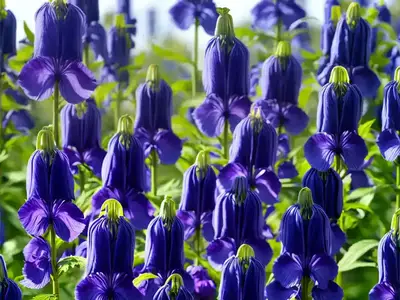
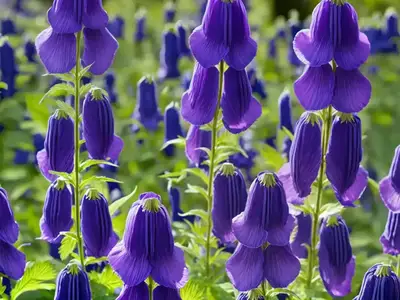
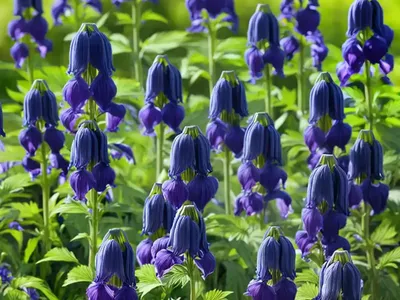
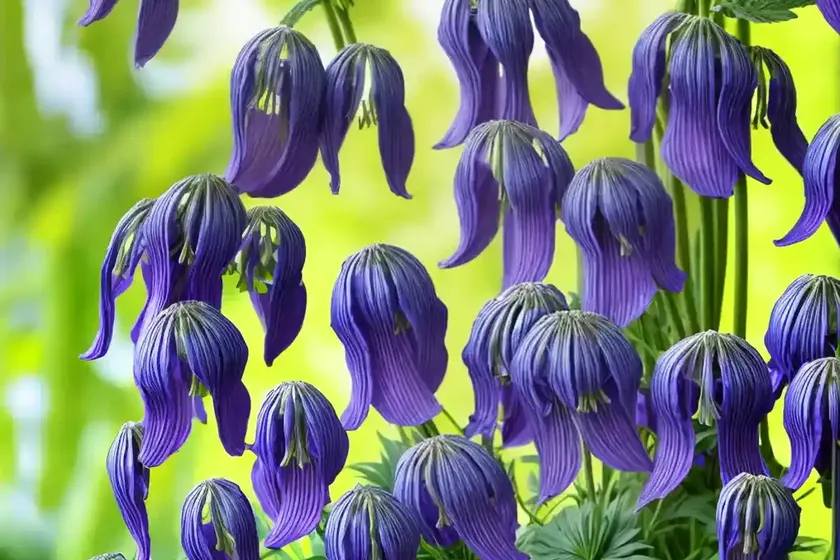
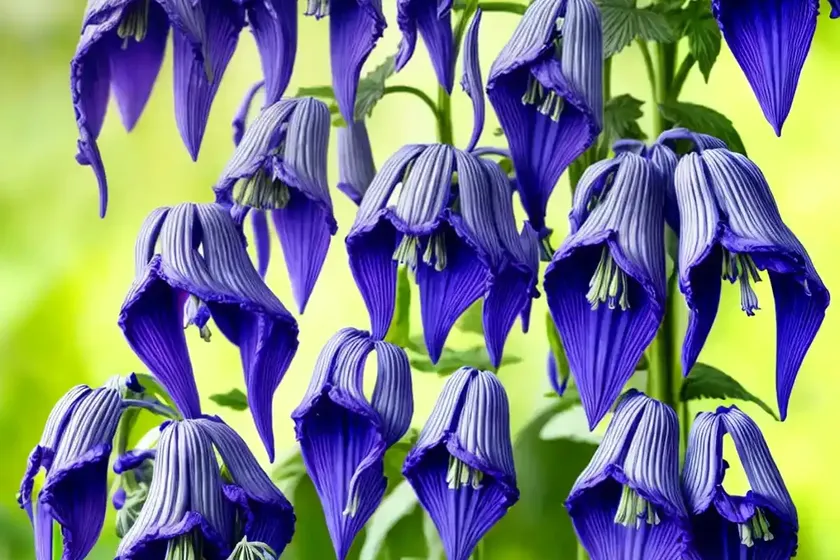
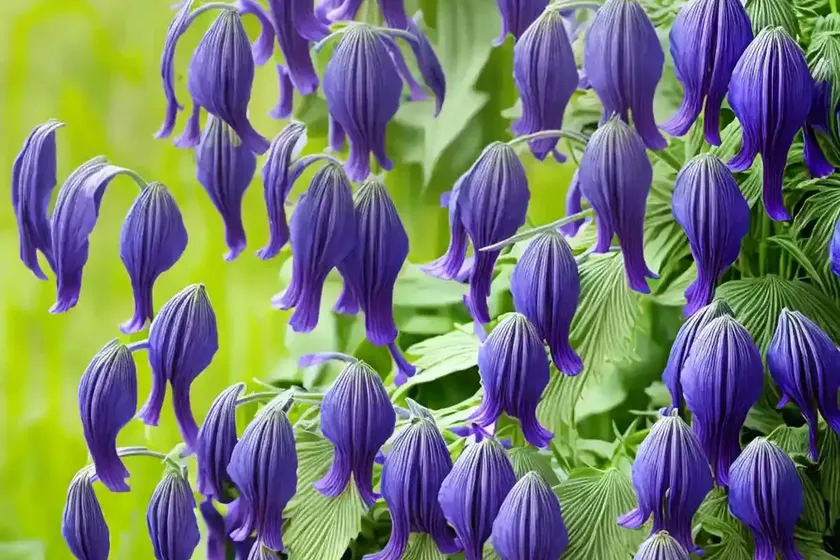
Venus’ Chariot produces tall, erect spikes adorned with stunning, hood-shaped flowers. The flowers are commonly deep purple or blue in color, adding a touch of elegance to any garden or landscape. The striking blooms of Venus’ Chariot stand out against its lush green foliage, creating a captivating visual display.
Venus’ Chariot Growth Habit
This perennial plant typically grows to a height of 3 to 4 feet, adding vertical interest to garden borders and woodland settings. Its upright growth habit and vibrant blooms make it a focal point in any planting scheme, attracting attention from both humans and pollinators alike.
Venus’ Chariot Toxicity
Despite its enchanting appearance, it’s essential to highlight that all parts of the Venus’ Chariot plant are highly toxic if ingested. The presence of toxic alkaloids, primarily aconitine, makes it a plant of significant concern, requiring careful handling and management in garden settings.
Cultivation of Venus’ Chariot (Aconitum Napellus)
Cultivating Venus’ Chariot requires an understanding of its specific environmental and care requirements. From sunlight to soil conditions, here is a comprehensive guide to successfully growing and nurturing this captivating perennial flower.
Sunlight
Venus’ Chariot thrives in partially shaded to fully shaded environments, mimicking its natural habitat in woodland edges and mountainous regions. When selecting a planting site, opt for locations that receive dappled sunlight or partial shade throughout the day. Avoid exposing the plant to direct, intense sunlight, as it can scorch the foliage and hinder its growth.
Water
Maintaining adequate moisture levels is crucial for the health and vigor of Venus’ Chariot. The plant prefers consistently moist soil, and it’s essential to monitor its water requirements, especially during dry periods. Applying a layer of organic mulch around the base of the plant can help retain soil moisture and create an optimal growing environment.
Soil
Venus’ Chariot flourishes in rich, well-draining soil with a slightly acidic to neutral pH. Amending the soil with organic matter, such as compost or well-rotted manure, can improve its fertility and structure. Additionally, ensuring good drainage is vital to prevent waterlogging, which can lead to root rot and other detrimental conditions.
Fertilizer
When it comes to fertilization, Venus’ Chariot benefits from a balanced, slow-release fertilizer applied in early spring. A general-purpose fertilizer with an NPK ratio of 10-10-10 or similar can provide the essential nutrients for robust growth and prolific flowering. It’s important to follow the dosage recommendations on the fertilizer packaging and avoid over-fertilization, which can lead to excessive foliage at the expense of flowers.
Pruning
Pruning plays a key role in maintaining the health and appearance of Venus’ Chariot. Deadheading spent flowers not only promotes continuous blooming but also prevents the plant from self-seeding excessively. Additionally, removing any damaged or diseased foliage contributes to overall plant vitality and reduces the risk of pest and disease infestations.
Propagation of Venus’ Chariot (Aconitum Napellus)
The propagation of Venus’ Chariot can be achieved through various methods, allowing gardeners to expand their plant collection or share its beauty with others. Here are some common propagation techniques for this captivating perennial flower:
Seed Propagation
Propagating Venus’ Chariot from seeds offers an opportunity to grow new plants with a diverse range of characteristics. To propagate from seeds:
– Collect mature seed pods in late summer or early autumn when they turn brown and begin to split.
– Sow the seeds in trays or pots filled with a well-draining seed starting mix.
– Keep the soil consistently moist and provide gentle bottom heat to aid germination.
– Transplant the seedlings into individual pots once they develop their true leaves, and then plant them out in their permanent positions in the following spring.
Division
Dividing established clumps of Venus’ Chariot is an effective way to propagate the plant while rejuvenating older specimens. To propagate by division:
– Dig up the clump in early spring or late autumn, ensuring that the plant has been watered thoroughly the day before.
– Gently tease the clump apart, ensuring that each division has a healthy portion of roots and shoots.
– Replant the divisions in prepared soil, water them in, and provide appropriate care as they establish themselves in their new locations.
Propagation through seed and division allows for the multiplication of Venus’ Chariot, ensuring a continued presence of this captivating perennial flower in gardens and landscapes.
Container Culture of Venus’ Chariot (Aconitum Napellus)
While Venus’ Chariot thrives in garden borders and naturalistic settings, it can also be cultivated in containers, allowing for its enchanting beauty to be enjoyed in various spaces. Here are some considerations for growing Venus’ Chariot in containers:
Container Selection
When selecting a container for Venus’ Chariot, opt for a spacious pot that provides ample room for root development. The container should have drainage holes to prevent waterlogging and allow excess moisture to escape, promoting healthy root growth and overall plant vigor.
Soil Mix
Use a high-quality, well-draining potting mix rich in organic matter to provide the necessary support and nutrients for Venus’ Chariot. Consider amending the potting mix with perlite or coarse sand to improve drainage and aeration, creating an optimal growing medium for the plant.
Watering
Container-grown Venus’ Chariot may require more frequent watering than those planted in the ground, as pots tend to dry out faster. Monitor the moisture levels closely and water the plant when the top inch of soil feels dry to the touch. Avoid overwatering, as it can lead to root rot and other complications.
Sunlight
When growing Venus’ Chariot in containers, ensure that it receives the appropriate amount of sunlight according to its shade preferences. Position the pots in locations with partial to full shade, protecting the plant from intense sunlight that can cause leaf scorch and heat stress.
Fertilization
Regular fertilization is essential for container-grown Venus’ Chariot, as the nutrients in the potting mix may become depleted over time. Apply a balanced, water-soluble fertilizer at half strength every 4-6 weeks during the growing season to support the plant’s growth and flowering.
Cultivating Venus’ Chariot in containers offers a versatile way to incorporate this captivating perennial flower into various outdoor and indoor spaces, adding beauty and allure to any setting.
Popularity of Venus’ Chariot (Aconitum Napellus)
Venus’ Chariot has garnered widespread popularity among gardeners, landscapers, and flower enthusiasts due to its enchanting beauty and striking presence. Its elegant flowers, combined with its fascinating history and cultural significance, have contributed to its appeal as a prominent garden and landscape plant.
Garden Use
In garden settings, Venus’ Chariot is often featured in mixed borders, woodland gardens, and shaded landscapes due to its preference for partial to full shade. Its tall, vertical growth habit adds height and structure to plantings, while its vibrant blooms imbue the surroundings with color and elegance.
Landscape Design
Landscape designers often incorporate Venus’ Chariot into their creations to add drama and visual interest to shaded areas. The plant’s architectural form and captivating flowers make it a valuable addition to landscape compositions, where it can be combined with complementary plants to create harmonious and captivating scenes.
Ornamental Value
The ornamental value of Venus’ Chariot extends beyond its flowering season, as the plant’s lush foliage provides texture and depth to garden and landscape settings. Its dark green leaves serve as a striking backdrop for its vibrant blooms, enhancing the overall aesthetics of the planting scheme.
Venus’ Chariot’s captivating presence, coupled with its versatility and ornamental appeal, has solidified its status as a cherished plant in horticulture and landscaping, garnering admiration and attention from enthusiasts around the world.
Uses of Venus’ Chariot (Aconitum Napellus)
Venus’ Chariot has historical, cultural, and medicinal uses that have contributed to its significance throughout the ages. From its traditional associations to its applications in herbal medicine, this captivating perennial flower holds a unique place in human societies and traditions.
Medicinal Uses
Throughout history, Aconitum Napellus has been utilized for its medicinal properties, albeit with great caution due to its high toxicity. In traditional herbal medicine, preparations derived from the plant were used in minute and highly diluted quantities to address specific health concerns.
The plant’s toxic alkaloids, particularly aconitine, were acknowledged for their potential analgesic and sedative properties, although the risks associated with their use were well understood. However, it’s crucial to emphasize that the highly poisonous nature of Venus’ Chariot requires expert knowledge and extreme caution when handling or considering any potential medicinal applications.
Symbolism and Folklore
Venus’ Chariot has also been associated with symbolic meanings and folklore throughout different cultures. In some traditions, the plant symbolizes protection and warding off evil, while in others, it is linked to mystery and enchantment due to its toxic nature and bewitching appearance.
Furthermore, Venus’ Chariot has appeared in various folklore beliefs and myths, often embodying different narratives and interpretations that reflect the cultural significance and perceptions of the plant within different societies.
The multifaceted uses and symbolic meanings attached to Venus’ Chariot underscore its enduring influence and the diverse ways in which it has been woven into human experiences, traditions, and narratives.
Common Diseases of Venus’ Chariot (Aconitum Napellus)
Like all plants, Venus’ Chariot is susceptible to certain diseases and ailments that can affect its growth and overall health. Identifying and understanding these common diseases is crucial for effective management and prevention strategies.
Disease Diagnosis
Venus’ Chariot may fall victim to various fungal diseases, including:
– Powdery Mildew: A common fungal disease that appears as a powdery white coating on the leaves, stems, and flowers of the plant.
– Crown and Root Rot: Occurs in waterlogged or poorly drained soil, leading to the decay of the plant’s roots and crown, often resulting in wilting and decline.
Regular inspection of the plant for any signs of disease, such as unusual discoloration, distortion, or wilting, is essential for early detection and prompt intervention. Diagnosing the specific disease affecting Venus’ Chariot enables the implementation of targeted control measures to mitigate its impact and prevent further spread.
Common Pests Affecting Venus’ Chariot (Aconitum Napellus)
In addition to diseases, Venus’ Chariot is vulnerable to pest infestations that can compromise its vigor and appearance. Understanding the common pests that may affect the plant is essential for implementing appropriate management strategies.
Botanist’s Tips
As a botanist, I have collected these useful tips for the cultivation and care of Venus’ Chariot (Aconitum Napellus):
- Humidity Maintenance: Venus’ Chariot appreciates a humid environment, especially during dry or hot periods. Consider misting the surrounding area to improve humidity levels and create a more favorable microclimate for the plant.
- Mulching: Apply a layer of organic mulch around the base of Venus’ Chariot to conserve moisture, suppress weeds, and provide insulation to the root zone. Mulching also contributes to the overall health of the plant and the vitality of the soil ecosystem.
- Companion Planting: Pairing Venus’ Chariot with suitable companion plants, such as ferns, hostas, and other shade-loving perennials, can create visually harmonious and ecologically beneficial plant communities. Companion planting also contributes to pest management and overall garden biodiversity.
Fun Facts about Venus’ Chariot (Aconitum Napellus)
To wrap up our journey into the captivating world of Venus’ Chariot, here are some intriguing and delightful fun facts about this enigmatic perennial flower:
- The striking flowers of Venus’ Chariot have often been compared to the shape of a monk’s cowl or helmet, contributing to the plant’s common name, “Monkshood.”
- Historically, the toxic properties of Aconitum Napellus were known and utilized as a means of poisoning arrows and spears in hunting and warfare.
- The plant’s toxicity, along with its association with mystery and danger, has inspired various folk beliefs, legends, and mythologies across different cultures and traditions.
- Venus’ Chariot has been the subject of artistic depictions and literary references, capturing the imagination and curiosity of artists, writers, and storytellers throughout history.
Links to External Resources
For further exploration and in-depth understanding of Venus’ Chariot (Aconitum Napellus), I recommend the following external resources:
- Royal Horticultural Society – Aconitum Napellus
- Missouri Botanical Garden – Aconitum Napellus
- University of Maryland Extension – Growing Perennials: Aconitum
- American Society for the Prevention of Cruelty to Animals (ASPCA) – Monkshood (Aconitum napellus) Toxicity
- North Carolina State University Extension – Aconitum, Aconite, Monkshood, Wolfsbane
These reputable resources provide valuable insights, tips, and recommendations for anyone interested in learning more about Venus’ Chariot and its cultivation, uses, and significance.
In conclusion, Venus’ Chariot (Aconitum Napellus) stands as a captivating perennial flower with a compelling history, intrinsic beauty, and cultural resonance. From its enigmatic symbolism to its ornamental appeal, this beloved plant continues to intrigue and inspire enthusiasts, adding a touch of mystique and allure to gardens and landscapes around the world.
As we navigate the intricate world of plants, we uncover the multifaceted layers of their significance, creating connections that span art, history, medicine, and folklore. Venus’ Chariot serves as a testament to the enduring fascination and reverence that plants evoke, reminding us of the profound impact they have on our lives and the natural world.