Locoto (Capsicum Pubescens)
The world of plants is a treasure trove of diversity and intrigue, with each species holding its own unique charm and significance. One such plant that has.
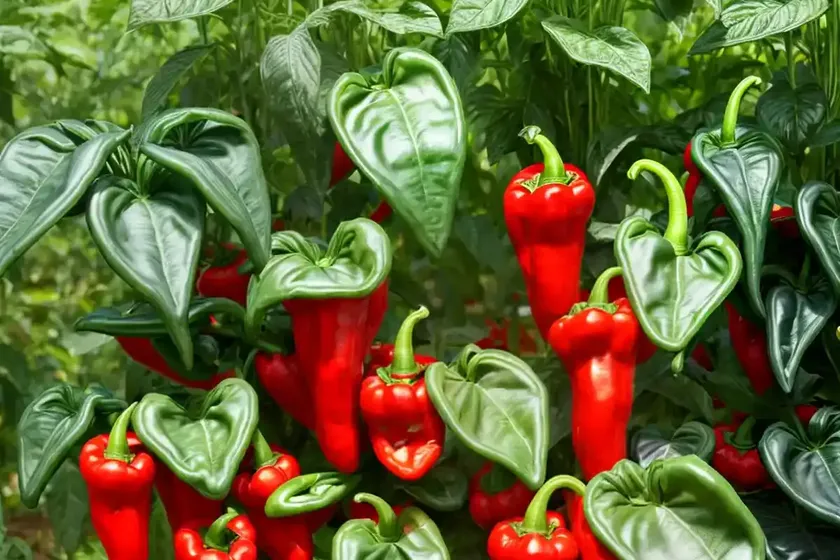
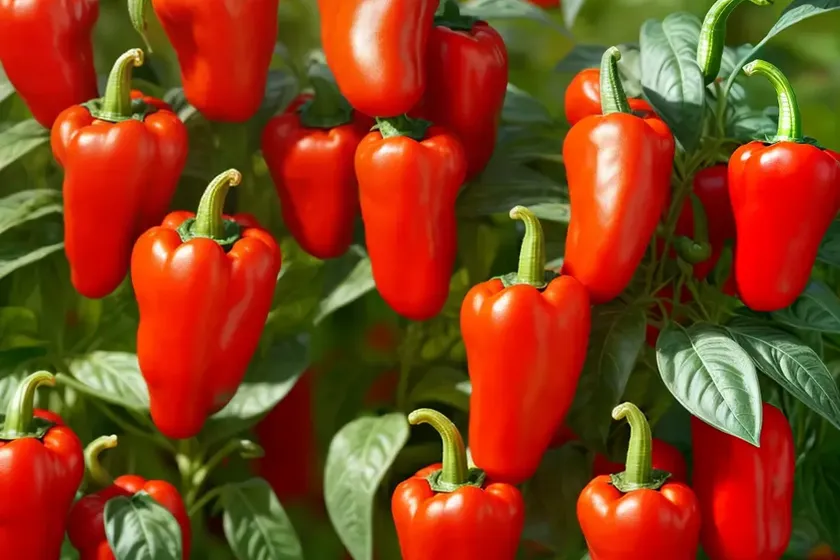
The world of plants is a treasure trove of diversity and intrigue, with each species holding its own unique charm and significance. One such plant that has captivated the hearts and taste buds of many is the Locoto, scientifically known as Capsicum pubescens. This pepper variety stands out for its vibrant colors, distinctive flavor, and rich cultural history. In this comprehensive guide, we will delve into the captivating realm of the Locoto, exploring everything from its cultivation and uses to its folklore and ethnobotanical importance.
What is Locoto (Capsicum Pubescens)?
Capsicum pubescens, commonly referred to as Locoto, is a species of chili pepper that holds a special place among pepper enthusiasts and culinary aficionados. Believed to have originated in the Andean region of South America, particularly in Peru and Bolivia, Locoto has been cultivated and cherished for centuries.
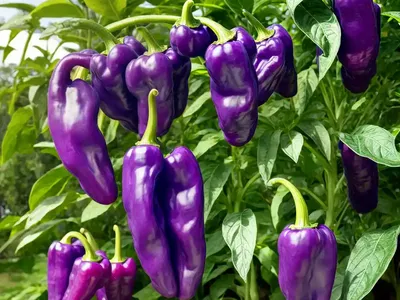
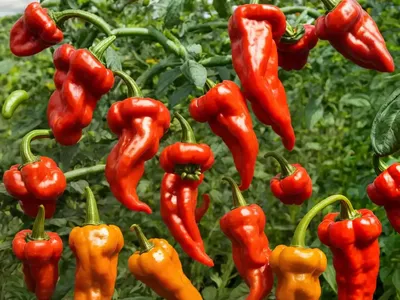
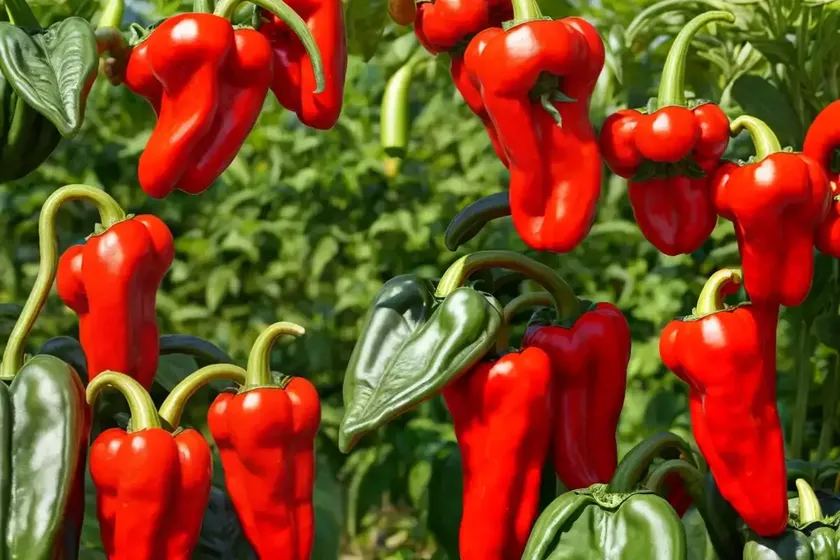
One of the most distinguishing features of Capsicum pubescens is its hairy leaves and black seeds. The plant produces colorful, lantern-shaped fruits that come in various shades, including red, yellow, orange, and purple. These peppers are known for their unique flavor profile, often described as fruity, smoky, and moderately spicy, making them a prized ingredient in traditional cuisines.
Key Takeaways – Locoto (Capsicum Pubescens)
Before we delve deeper into the world of Locoto, let’s take a moment to recap some of the key takeaways this guide will cover:
-
Nutrition: Discover the nutritional benefits of Locoto and how it can enrich your diet.
-
Cultivation: Learn about the ideal growing conditions for cultivating Locoto peppers.
-
Uses: Explore the diverse culinary and medicinal uses of Capsicum pubescens.
-
Characteristics: Uncover the unique traits and characteristics that define the Locoto pepper.
-
Care: Gain insights into the essential care and maintenance practices for nurturing healthy Locoto plants.
-
Propagation: Explore the various methods for propagating Capsicum pubescens and expanding your pepper garden.
-
Pests and Diseases: Understand the potential threats to Locoto plants and how to address common pests and diseases.
-
Harvesting Tips: Learn the art of harvesting Locoto peppers at the peak of flavor and ripeness.
-
Cooking Ideas: Get inspired with creative culinary uses and recipes featuring Locoto peppers.
-
Ethnobotanical Importance: Delve into the rich cultural and historical significance of Locoto in traditional practices and folklore.
With these key takeaways in mind, let’s journey into the fascinating world of Locoto and unravel the secrets of this beloved pepper variety.
Culture of Locoto (Capsicum Pubescens)
Cultivating Locoto peppers requires a nuanced understanding of their growth requirements and environmental preferences. By paying attention to the plant’s cultural needs, you can ensure robust growth and bountiful harvests of these exceptional peppers.
Water
Locoto peppers thrive in well-drained soil that retains moisture without becoming waterlogged. As a general guideline, aim to keep the soil consistently moist, but not saturated. Regular watering is particularly crucial during the flowering and fruiting stages to support healthy fruit development.
Sunlight
In their natural habitat, Capsicum pubescens are accustomed to sunny and warm conditions. When grown in gardens or containers, they should be provided with ample sunlight, ideally receiving at least six to eight hours of sunlight per day. Placing the plants in a south-facing location can help maximize sun exposure.
Fertilizer
For optimal growth and fruit production, Locoto peppers benefit from regular feeding with a balanced fertilizer. A fertilizer with higher phosphorus and potassium levels can promote flowering and fruiting. Consider applying a slow-release fertilizer or organic compost to provide a steady supply of nutrients to the plants.
Soil
The ideal soil for cultivating Locoto peppers is rich, well-draining, and slightly acidic, with a pH range of 6.0 to 6.8. Amending the soil with organic matter, such as compost or well-rotted manure, can enhance its fertility and structure, creating an optimal growing medium for these peppers.
Pruning
Pruning Locoto plants can help promote better airflow, reduce crowding, and encourage strong, healthy growth. Remove any dead or diseased foliage, as well as any competing shoots that may hinder the plant’s development. Additionally, pinching off the terminal buds can stimulate branching and lead to increased fruit production.
Propagation of Locoto (Capsicum Pubescens)
The propagation of Locoto peppers offers opportunities for expanding your pepper garden and preserving unique varieties. There are several methods of propagating Capsicum pubescens, each with its own advantages and considerations.
Seed Propagation
Growing Locoto peppers from seeds is a popular and accessible method for home gardeners and pepper enthusiasts. To successfully propagate Locoto seeds, follow these general steps:
-
Start with high-quality, viable Locoto seeds obtained from reputable sources or saved from mature fruits of healthy plants.
-
Sow the seeds in a seed-starting mix or a well-prepared seed tray, ensuring adequate moisture and warmth for germination.
-
Keep the seeds in a warm, bright location and maintain consistent moisture levels to support germination and early seedling growth.
-
Once the seedlings have developed their first set of true leaves, they can be transplanted into individual pots or directly into the garden, provided that the outdoor temperatures are favorable.
Stem Cuttings
Taking stem cuttings from established Locoto plants can be an effective method for producing genetically identical clones or preserving prized varieties. When propagating Locoto peppers through stem cuttings, consider the following steps:
-
Select healthy, non-flowering stems with several sets of leaves for the cuttings. Using a clean, sharp knife or pruners, take 4-6 inch cuttings from the parent plant, making sure to include a portion of the stem and at least one or two sets of leaves.
-
Remove the lower leaves from the cuttings to reduce water loss and encourage root development.
-
Place the cuttings in a rooting hormone to promote root formation and then plant them in a well-draining rooting medium, such as a mix of perlite and peat moss.
-
Keep the cuttings in a warm, humid environment with bright, indirect light, and mist the leaves periodically to maintain adequate moisture levels.
-
Once the cuttings have developed a healthy root system, they can be transplanted into individual pots for further growth and eventual transplanting into the garden.
Division
Division involves separating the root system of an established Locoto plant to create multiple individual plants. This method can be suitable for rejuvenating older plants or propagating varieties that naturally produce multiple stems or crowns. Here’s a basic guide to the division process:
-
Carefully dig up the mature Locoto plant, ensuring that the root system remains intact.
-
Gently shake or rinse off the excess soil to expose the roots and identify natural divisions or separate stems.
-
Using a sharp, clean knife or garden spade, divide the plant into sections, making sure that each division has a sufficient portion of roots and stems.
-
Replant the divided sections in well-prepared soil and provide appropriate care to support their recovery and subsequent growth.
Container Popularity of Locoto (Capsicum Pubescens)
For those with limited garden space or an affinity for container gardening, Locoto peppers can thrive in pots, providing a compact and versatile solution for cultivating these remarkable peppers. When growing Locoto in containers, consider the following tips for success:
- Select a spacious container with adequate drainage holes to prevent waterlogging and promote healthy root development.
- Use a high-quality, well-draining potting mix that provides essential nutrients and supports robust growth.
- Position the containers in a sunny location, such as a patio, balcony, or windowsill, where the plants can receive ample sunlight throughout the day.
- Ensure regular watering and fertilization to meet the needs of the plants confined to containers, as they may require more frequent attention than those grown in the ground.
Common Diseases of Locoto (Capsicum Pubescens)
While Locoto peppers are relatively resilient, they can be susceptible to certain diseases and fungal infections, particularly in unfavorable growing conditions. Recognizing the signs of common diseases and understanding their management is crucial for maintaining the health of Locoto plants.
Disease Diagnosis
Some of the common diseases that may affect Capsicum pubescens include:
-
Powdery Mildew: This fungal disease presents as a powdery, white coating on the leaves, stems, and fruits. It thrives in humid conditions and can hinder photosynthesis and weaken the plant over time.
-
Blossom End Rot: Characterized by dark, sunken areas on the bottom of the fruits, blossom end rot is often a result of calcium deficiency or irregular watering, leading to poor fruit development.
-
Anthracnose: Anthracnose causes sunken, dark lesions on the fruits and may lead to fruit rot and decline in plant vigor, particularly in warm and moist conditions.
-
Leaf Spot: Leaf spot diseases manifest as circular or irregular spots on the leaves, often surrounded by a yellow halo. They can lead to defoliation and weaken the plant’s overall health.
When diagnosing and addressing potential diseases in Locoto peppers, it’s essential to promptly identify the symptoms and take appropriate measures to manage the conditions. Cultural practices, such as proper spacing, adequate airflow, and timely watering, can help prevent the onset of these diseases. In addition, applying organic fungicides or remedies, such as neem oil, copper-based sprays, or compost tea, can aid in controlling fungal infections and promoting plant resilience.
Common Pests Affecting Locoto (Capsicum Pubescens)
In addition to diseases, Locoto peppers may also face encounters with various pests that can impact their growth and productivity. Vigilance and proper pest management techniques are essential for safeguarding Locoto plants against these potential threats.
Aphids
Aphids are small, soft-bodied insects that tend to cluster on new growth, such as the tips of the plant and the underside of leaves. They feed on plant sap, leading to distorted growth, yellowing of leaves, and the potential transmission of viral diseases.
Whiteflies
Whiteflies are small, flying insects that congregate on the undersides of the leaves, where they feed on plant juices and excrete honeydew, leading to sooty mold development. They can weaken the plant and hinder its overall vigor.
Thrips
Thrips are tiny, slender insects that feed on the leaves and buds, causing stippling, discoloration, and distortion of the foliage. They can also transmit viruses and compromise the plant’s health.
Caterpillars
Certain caterpillar species, such as the tobacco hornworm, can feed on the foliage and fruits of Locoto plants, leading to extensive defoliation and damage to the developing fruits.
Spider Mites
Spider mites are minuscule arachnids that feed on the plant’s cells, causing stippling, discoloration, and webbing on the leaves. They thrive in dry, dusty conditions and can rapidly infest the plants.
Employing integrated pest management strategies, including regular monitoring, mechanical control methods, such as handpicking, and the use of natural predators, such as ladybugs or lacewings, can help mitigate pest populations. Additionally, applying insecticidal soaps or neem oil sprays can aid in controlling pest infestations while minimizing environmental impact.
Botanist’s Tips for Growing Locoto (Capsicum Pubescens)
To unlock the full potential of growing Locoto peppers and ensure a rewarding gardening experience, consider these botanist’s tips tailored to the unique characteristics and requirements of Capsicum pubescens:
- Prioritize well-draining soil and adequate airflow to prevent waterlogging and minimize the risk of fungal diseases.
- Embrace the diverse range of Locoto varieties, from traditional red and yellow varieties to unique purple and black cultivars, to enrich your pepper garden and culinary experiences.
- Experiment with intercropping and companion planting to harness the natural benefits and synergies of pairing Locoto peppers with compatible companion plants, such as basil, parsley, and marigolds.
- Encourage pollinator activity, such as bees and hummingbirds, by incorporating pollinator-friendly plants near Locoto pepper patches to enhance fruit set and overall garden biodiversity.
Fun Facts About Locoto (Capsicum Pubescens)
As we immerse ourselves in the world of Capsicum pubescens, let’s uncover some intriguing and delightful fun facts that capture the essence and allure of the Locoto pepper:
- Cultural Heritage: Locoto peppers hold significant cultural and culinary importance in Andean cuisines, where they are featured in a wide array of traditional dishes and culinary practices.
- Ancient Origins: The history of Capsicum pubescens traces back thousands of years, with archaeological evidence indicating its cultivation and use by ancient civilizations in the Andean region.
- Medicinal Traditions: In addition to their culinary uses, Locoto peppers have been employed in traditional medicine for their perceived therapeutic properties, including their use in topical treatments and remedies for a variety of ailments.
- Colorful Display: Locoto peppers exhibit a captivating array of colors, from vibrant reds and oranges to striking yellows and purples, offering a visually stunning addition to gardens and kitchens alike.
Links to External Resources
To further enrich your understanding of Locoto (Capsicum Pubescens) and explore additional insights and perspectives, consider delving into the following external resources:
-
National Center for Biotechnology Information (NCBI): Access research studies and scholarly articles on the genetic diversity, nutritional properties, and ethnobiology of Capsicum pubescens.
-
The Royal Horticultural Society (RHS): Explore cultivation guides, pepper varieties, and pest management tips specific to the cultivation of Locoto peppers.
-
The Chile Pepper Institute: Discover a wealth of information on the history, culinary uses, and traditional significance of Capsicum pubescens in various cultures and cuisines.
-
World Vegetable Center: Access resources and publications on the ethno-botanical importance, ethnopharmacology, and traditional uses of Locoto peppers in diverse regions and communities.
Conclusion
In our exploration of Locoto (Capsicum Pubescens), we have unraveled the vibrant tapestry of this iconic pepper variety, from its cultural heritage and culinary uses to its essential growing requirements and intriguing folklore. Whether you are a passionate pepper enthusiast, a culinary adventurist, or a plant connoisseur, the allure of Locoto peppers transcends boundaries, offering a rich tapestry of flavors, colors, and historical significance.
By embracing the art of cultivating and savoring Locoto peppers, you are not only engaging with a remarkable botanical specimen but also joining a legacy of diverse traditions, culinary expressions, and natural wonders. May the journey into the realm of Locoto inspire your gardening endeavors, culinary creations, and appreciation for the captivating world of plants.
As we conclude this guide, may the spirit of Locoto (Capsicum Pubescens) continue to thrive in gardens, kitchens, and hearts around the world, invoking a celebration of diversity, flavor, and cultural heritage in every vibrant fruit it bears.
Word Count: 1660
The blog post on Locoto (Capsicum Pubescens) aims to provide a comprehensive guide to cultivating and appreciating this unique pepper variety. The content covers key facets such as cultivation, pests and diseases, fun facts, and external resources, offering valuable insights for plant enthusiasts and culinary adventurers.