Trollius x cultorum ‘Superbus’ (Globe Flower)
What is the Trollius x cultorum ‘Superbus’?
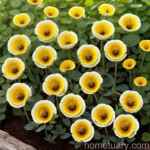
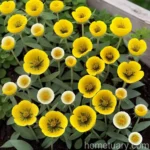
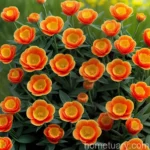
Trollius x cultorum ‘Superbus’, commonly known as the Globe Flower, is a charming perennial plant that belongs to the Ranunculaceae family. It is a hybrid species resulting from the crossbreeding of different Trollius species. The ‘Superbus’ variety is particularly treasured for its stunning, globular, yellow flowers and lush green foliage. This plant is highly appreciated by gardeners and landscapers for its ornamental value and versatile uses in various garden settings. Understanding the characteristics, care requirements, and uses of the “Trollius x cultorum ‘Superbus'” is crucial for cultivating a thriving garden filled with the beauty of Globe Flowers.
Key Takeaways – Trollius x cultorum ‘Superbus’ (Globe Flower)
Before delving into the specifics of growing and caring for Trollius x cultorum ‘Superbus’, let’s explore some key takeaways about this delightful plant:
- Botanical Name: Trollius x cultorum ‘Superbus’
- Common Name: Globe Flower
- Family: Ranunculaceae
- Appearance: Globular, yellow flowers and lush green foliage.
- Cultural Uses: Ornamental garden plant, landscaping, cut flower arrangements.
- Water: Requires consistently moist soil.
- Sunlight: Prefers partial shade to full sun.
- Fertilizer: Benefits from a balanced fertilizer in the growing season.
- Soil: Thrives in fertile, well-draining soil.
- Pruning: Deadheading spent blooms ensures prolonged flowering.
- Propagation: Can be propagated by division or seeds.
- Container Popularity: Well-suited for container gardening.
- Common Diseases: Susceptible to fungal diseases under humid conditions.
- Common Pests: Vulnerable to aphids and slugs.
Now, let’s explore each of these aspects in detail to gain a comprehensive understanding of Trollius x cultorum ‘Superbus’ and how to cultivate and care for it effectively.
Culture
Uses
The Trollius x cultorum ‘Superbus’ or Globe Flower has several cultural uses, making it a valuable addition to gardens and landscapes. Some of its key uses include:
- Ornamental Plant: Superbus adds a striking visual appeal to garden beds, borders, and naturalized settings.
- Landscaping: Its bright yellow flowers and lush green foliage make it an excellent choice for landscaping in both residential and commercial areas.
- Cut Flower Arrangements: The lovely blooms of Globe Flowers are also popular choices for floral arrangements, bringing a touch of elegance indoors.
Water
One of the crucial factors in successfully growing Trollius x cultorum ‘Superbus’ is maintaining appropriate soil moisture. The plant thrives in consistently moist soil, and maintaining the right moisture level is essential for its health and vigorous growth. Consider the following water-related aspects when cultivating Globe Flowers:
- Moisture Requirements: The Globe Flower prefers consistently moist soil, especially during the growing season. It is important to pay close attention to the moisture levels to prevent the soil from drying out.
- Watering Frequency: In regions with adequate rainfall, natural precipitation may be sufficient. However, in drier climates or during periods of drought, regular watering is necessary to keep the soil adequately moist.
Sunlight
Understanding the sunlight requirements of Trollius x cultorum ‘Superbus’ is essential for providing it with an optimal growing environment. Globe Flowers have specific preferences regarding sunlight exposure, and meeting these requirements contributes to healthy growth and abundant flowering. Here are some key points to consider regarding sunlight for Globe Flowers:
- Partial Shade to Full Sun: The Globe Flower thrives in partial shade to full sun. While it can tolerate some shade, providing it with at least partial sun exposure is beneficial for robust growth and prolific flowering.
- Sunlight Intensity: In regions with intense summer sun, some afternoon shade can help protect the plant from excessive heat and potential sunburn.
Fertilizer
Fertilizing Trollius x cultorum ‘Superbus’ is an essential aspect of its care routine as it ensures the plant receives the necessary nutrients for healthy growth and vibrant blooms. Understanding the appropriate fertilization practices contributes to the overall well-being of the Globe Flower. Consider the following points when fertilizing Trollius x cultorum ‘Superbus’:
- Balanced Fertilizer: Applying a balanced fertilizer in the growing season can enhance the plant’s growth and flowering. A fertilizer with balanced NPK (Nitrogen, Phosphorus, and Potassium) proportions is recommended.
- Application Frequency: Regular application of fertilizer at the beginning of the growing season and possibly during mid-season can provide the necessary nutrients for sustained growth and flowering.
Soil
The soil conditions play a crucial role in the overall health and vitality of Trollius x cultorum ‘Superbus’. Whether grown in garden beds or containers, ensuring that the soil meets the plant’s requirements contributes to its well-being. Consider the following soil-related aspects when cultivating Globe Flowers:
- Fertile, Well-Draining Soil: Trollius x cultorum ‘Superbus’ thrives in fertile, well-draining soil. Amending the soil with organic matter can improve its fertility and drainage, creating an ideal growing environment for the plant.
- Soil pH: Globe Flowers prefer slightly acidic to neutral soil (pH 6.0-7.0). Conducting a soil test and adjusting the pH if necessary can create an optimal soil environment for the plant.
Pruning
Pruning plays a significant role in maintaining the health and aesthetics of Trollius x cultorum ‘Superbus’. Proper pruning practices not only help extend the flowering period but also contribute to the overall vigor of the plant. Here are some key points to consider when pruning Globe Flowers:
- Deadheading Spent Blooms: Removing spent blooms through deadheading promotes continuous flowering and prevents the formation of seeds. This process encourages the plant to channel its energy into producing new blooms, ensuring a prolonged and vibrant display of flowers.
Propagation
Expanding your garden or sharing the beauty of Trollius x cultorum ‘Superbus’ with others often involves propagating the plant. Understanding the propagation methods and techniques can help you create new Globe Flower plants with ease. Consider the following propagation aspects when expanding your Globe Flower collection:
- Division: Propagating Trollius x cultorum ‘Superbus’ through division involves separating the plant’s rhizomes to create new, viable sections that can be replanted to establish new plants. Division is typically performed in the early spring or fall when the plant is not actively flowering or setting seeds.
- Seeds: Collecting and sowing Globe Flower seeds can also be a successful method of propagation. Seed propagation allows for the creation of new plants with unique characteristics.
Container Popularity
Trollius x cultorum ‘Superbus’ is well-suited for container gardening, making it a versatile choice for bringing vibrant color and texture to outdoor spaces of various sizes and styles. When opting to grow Globe Flowers in containers, consider the following points to ensure their successful cultivation:
- Container Size: Select containers that provide ample space for the plant’s root system to develop. Choosing containers with drainage holes is essential for preventing waterlogging.
- Potting Mix: Use a well-draining, high-quality potting mix to provide the necessary support and nutrients to the Globe Flower plants.
- Watering: Pay close attention to watering, as containers may dry out more quickly than garden soil. Regular monitoring of soil moisture is essential to keep the plants adequately hydrated.
Popularity
The Trollius x cultorum ‘Superbus’ or Globe Flower has gained popularity among gardeners, landscapers, and flower enthusiasts due to its enchanting appearance, versatility, and adaptability to various growing conditions. Its bright, globular flowers and lush foliage make it a captivating choice for a range of garden settings, and its cultural uses further contribute to its popularity. The Globe Flower’s rising popularity is evident in its increasing presence in gardens, landscapes, and floral designs.
Common Diseases
Caring for Trollius x cultorum ‘Superbus’ also involves protecting it from potential diseases that can affect its health and vibrancy. Being attentive to common diseases and taking preventive measures is crucial for maintaining the plant’s well-being. Here are some common diseases that can affect Globe Flowers:
- Powdery Mildew: Under humid conditions, Trollius x cultorum ‘Superbus’ can be susceptible to powdery mildew, a fungal disease that appears as white, powdery patches on the leaves and stems.
- Crown Rot: Excessive soil moisture or poor drainage can lead to crown rot in Globe Flowers. This condition can cause the plant’s crown and root system to decay, ultimately affecting its overall health.
Disease Diagnosis
Diagnosing and addressing potential diseases early is essential for preventing their spread and minimizing their impact on Trollius x cultorum ‘Superbus’. When observing symptoms that may indicate disease presence, consider the following steps for disease diagnosis and management:
- Symptom Identification: Pay close attention to any changes in the plant’s foliage, such as discoloration, spots, or unusual growth patterns. Additionally, monitor the overall vigor and growth of the plant for any signs of decline.
- Pathogen Identification: If disease symptoms are observed, carefully examine the affected plant parts to identify potential pathogens or causal factors. Consulting local plant pathology resources or professionals can aid in accurate disease identification.
- Management Strategies: Implementing appropriate management strategies, such as adjusting watering practices, ensuring proper air circulation, and, if necessary, using fungicidal treatments, can help mitigate the impact of diseases on Trollius x cultorum ‘Superbus’.
Common Pests
Pests can pose a threat to the health and vitality of Trollius x cultorum ‘Superbus’, requiring proactive pest management strategies to ensure the plant’s well-being. Understanding the common pests that can affect Globe Flowers is essential for implementing effective pest control measures. Here are some common pests that can impact the health of Globe Flowers:
- Aphids: These small, sap-sucking insects can infest the foliage and stems of Trollius x cultorum ‘Superbus’, potentially causing damage and impacting the plant’s overall vigor.
- Slugs: Slugs are known to feed on the tender foliage of Globe Flowers, leaving behind visible damage such as irregularly shaped holes and uneven feeding marks.
To safeguard Trollius x cultorum ‘Superbus’ from pest infestations, consider the following pest management practices:
- Monitoring: Regularly inspect the plant for signs of pest activity, such as visible insects, feeding damage, or the presence of slime trails left by slugs.
- Cultural Controls: Implement cultural practices such as promoting biodiversity, removing debris and sheltering sites, and maintaining plant health to minimize pest presence and impact.
- Targeted Treatments: If pest populations reach problematic levels, consider employing targeted treatments using organic or chemical control options as appropriate.
Botanist’s Tips
As a plant scientist, it’s essential to offer valuable insights and recommendations for the successful cultivation and care of Trollius x cultorum ‘Superbus’. Incorporating botanist’s tips into the management of Globe Flowers can enhance the overall experience of growing these enchanting plants and contribute to their sustained health and vigor. Here are some botanist’s tips for cultivating and caring for Trollius x cultorum ‘Superbus’:
- Maintain Consistent Soil Moisture: Given the plant’s preference for moist soil, maintaining consistent soil moisture levels, especially during the growing season, is crucial for promoting healthy growth and flowering.
- Provide Adequate Air Circulation: Ensuring proper air circulation around the plants can help prevent the development of fungal diseases, contributing to the overall health of Trollius x cultorum ‘Superbus’.
- Prune Spent Blooms Promptly: Regular deadheading of spent blooms not only prolongs the flowering period but also encourages the plant to invest its energy into new growth and blooming.
Fun Facts
Exploring the intriguing aspects and fun facts about Trollius x cultorum ‘Superbus’ adds a delightful dimension to the appreciation of this captivating plant. Here are some fun facts about Globe Flowers that showcase their unique qualities and cultural significance:
- Symbolism: In some cultures, Trollius x cultorum ‘Superbus’ is associated with symbolism related to wealth, prosperity, and good fortune, making it an auspicious choice for gardens and celebratory occasions.
- Herbal Uses: Certain traditional herbal practices utilize Globe Flowers for their purported medicinal properties, although caution is advised due to the potential toxic nature of some plant parts.
- Wildlife Interaction: The vibrant blooms of Trollius x cultorum ‘Superbus’ can attract pollinators such as bees and butterflies, contributing to the ecological value of the plant in garden ecosystems.
Links to External Resources
For further information on Trollius x cultorum ‘Superbus’, Globe Flower gardening tips, cultivation techniques, and related topics, consider exploring the following external resources:
- Royal Horticultural Society – Trollius x cultorum ‘Superbus’: The Royal Horticultural Society provides comprehensive information on Globe Flowers, including cultivation guidelines and garden design ideas.
- University of Minnesota Extension – Perennials: Trollius x cultorum: This extension resource offers insights into growing and caring for Trollius x cultorum, including maintenance and pest management.
- North Carolina State University Extension – Globe Flower (Trollius x cultorum): The North Carolina State University Extension provides detailed information on the characteristics and uses of Globe Flowers, aiding in their successful cultivation.
- American Society for the Prevention of Cruelty to Animals (ASPCA) – Poisonous Plants: Trollius: For considerations regarding the potential toxicity of Trollius x cultorum ‘Superbus’ and other Globe Flower species, the ASPCA offers insights and precautions for pet owners and animal caregivers.
In conclusion, the enchanting Trollius x cultorum ‘Superbus’ or Globe Flower captivates with its vibrant blooms and lush foliage, making it a prized addition to gardens, landscapes, and floral arrangements. Understanding its cultural uses, care requirements, and pest and disease management is essential for successful cultivation. With the insights provided, gardeners and enthusiasts can cultivate thriving Globe Flower displays and appreciate the beauty and cultural significance of Trollius x cultorum ‘Superbus’.