Spiraea Tomentosa (Steeplebush)
As a plant scientist with a passion for exploring the diverse world of flora, I am always fascinated by the unique attributes and characteristics of each.
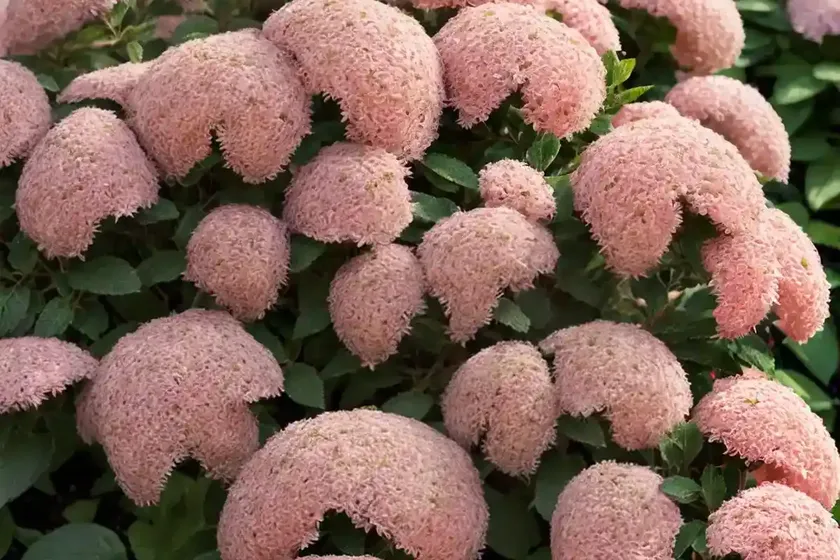
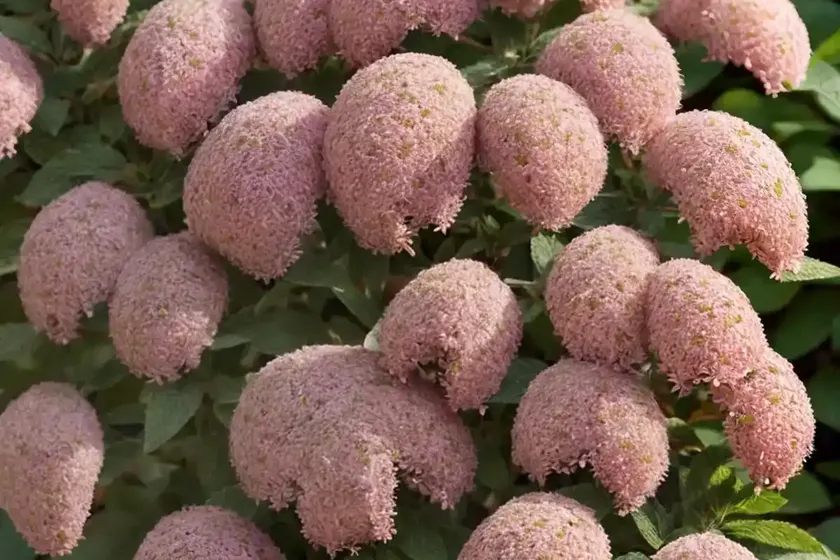
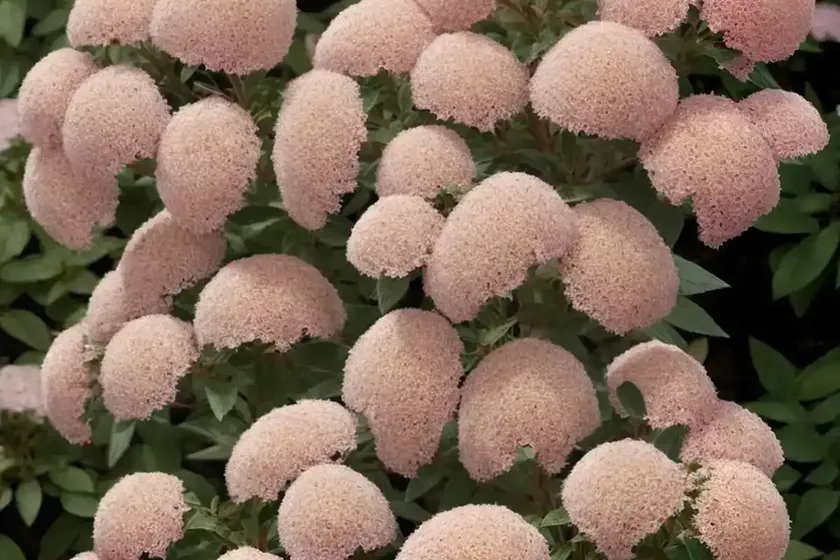
As a plant scientist with a passion for exploring the diverse world of flora, I am always fascinated by the unique attributes and characteristics of each plant species. In this blog post, I am thrilled to delve into the world of Spiraea tomentosa, commonly known as the steeplebush, and provide a comprehensive guide to its cultivation, uses, and maintenance. This captivating plant, with its striking appearance and a range of practical and aesthetic applications, is a subject worth exploring in detail.
What is Spiraea tomentosa (Steeplebush)?
Spiraea tomentosa belongs to the Rosaceae family and is a deciduous shrub native to North America. It is known by several common names, including steeplebush, hardhack, and meadowsweet. The plant typically thrives in wetland habitats, including marshes, stream banks, and moist meadows. One of the standout features of S. tomentosa is its attractive, elongated clusters of rose-pink flowers that bloom during the summer months, adding a splash of color to its surroundings.
This species is valued not only for its ornamental appeal but also for its significance in natural ecosystems and its potential uses in landscaping and horticulture.
Key Takeaways – Spiraea tomentosa (Steeplebush)
Before we delve into the specifics of cultivating and maintaining this beautiful species, let’s take a moment to highlight the key takeaways and areas of focus for this comprehensive guide:
- Description: Understanding the physical characteristics and growth habits of S. tomentosa.
- Cultivation: Exploring the ideal growing conditions, including sunlight, soil, and water requirements.
- Uses: Exploring the diverse applications of steeplebush in landscaping, horticulture, and traditional uses.
- Maintenance: Insight into pruning, propagation, and common maintenance practices.
- Habitat and Native Range: Understanding its natural habitat and native distribution.
- Diseases and Pests: Identifying common diseases and pests, along with prevention and control strategies.
- Companion Plants: Exploring compatible plant species for companion planting with S. tomentosa.
- Fun Facts: Uncovering intriguing and lesser-known facts about steeplebush.
With these focus areas in mind, let’s embark on a detailed exploration of Spiraea tomentosa and gain a deeper understanding of its unique attributes and practical applications.
Spiraea tomentosa Description
Characteristics
- Size: S. tomentosa typically grows to a height of 2 to 4 feet, with a similar spread, making it a compact and versatile shrub for various landscape settings.
- Foliage: The leaves are alternate, simple, and oblong, with a toothed margin. Their dark green color provides an attractive backdrop to the vibrant pink flowers.
- Flowers: The steeplebush produces striking clusters of rose-pink flowers, creating a visually stunning display during the summer months. The flower clusters, or inflorescences, are elongated and cylindrical in shape, adding an architectural element to the plant’s appearance.
Flowering Period
The blooming period for S. tomentosa typically spans from late spring to mid-summer, depending on local climate and growing conditions. This extended flowering period makes it a valuable addition to garden landscapes, providing continuous visual interest and attracting pollinators over an extended season.
Steeplebush Plant
Uses
Spiraea tomentosa is a versatile plant with a range of practical and aesthetic uses:
-
Landscaping: In horticultural and landscaping contexts, steeplebush is valued for its ornamental appeal and adaptability to various soil and moisture conditions. It can be used in naturalized garden settings, wetland restoration projects, and rain gardens, where its tolerance for moist soils is particularly advantageous.
-
Wildlife Support: The nectar-rich flowers of S. tomentosa attract a variety of pollinators, including bees, butterflies, and other beneficial insects, making it a valuable addition to wildlife-friendly gardens and natural habitats.
-
Medicinal Properties: In traditional herbal medicine, parts of the steeplebush plant have been used for their astringent and tonic properties. While it is essential to approach any medicinal applications with caution and expert guidance, the historical uses of steeplebush underscore its cultural and ecological significance.
-
Soil Stabilization: Due to its fibrous root system and adaptability to moist soils, S. tomentosa can serve as a natural tool for soil erosion control and stabilization in riparian zones and waterway restoration projects.
The diverse uses of steeplebush highlight its ecological significance, aesthetic appeal, and potential contributions to sustainable landscaping and conservation efforts.
Cultivation
Successful cultivation of Spiraea tomentosa hinges upon an understanding of its specific requirements for water, sunlight, soil, and maintenance. Let’s explore each of these factors in detail to ensure the optimal growth and health of this distinctive plant species.
Spiraea tomentosa Care
Water
Spiraea tomentosa is well-suited to moist to wet soil conditions, making it an ideal choice for areas that experience periodic or consistent waterlogging. When establishing this plant, ensuring proper moisture levels is essential for root development and overall vigor. As with any plant, it is crucial to strike a balance, avoiding both prolonged waterlogging and extended periods of drought stress.
-
Establishment Phase: During the initial establishment phase, it is crucial to provide regular irrigation to promote root development and acclimatization to the growing environment. Adequate moisture during this critical phase sets the stage for the long-term health and resilience of the plant.
-
Moisture Retention: In instances of extended dry spells, supplemental or occasional watering may be necessary, particularly in regions with lower annual precipitation levels. Mulching around the base of the plant aids in moisture retention and reduces soil moisture fluctuations.
Sunlight
In terms of sunlight requirements, S. tomentosa thrives in full sun to partial shade. When selecting a planting site, it is important to consider the local light conditions and identify a location that offers the appropriate balance of sunlight and shade throughout the day. In regions with intense summer heat, providing some afternoon shade can help prevent excessive stress on the plant during the hottest part of the day.
Fertilizer
When it comes to fertilizer application, steeplebush generally thrives without heavy feeding or reliance on synthetic fertilizers. However, in nutrient-poor soils or when aiming to encourage more robust growth and flowering, the application of organic, slow-release fertilizers can provide a gentle boost to the plant.
- Organic Amendments: Incorporating well-rotted compost or organic matter into the soil during planting or top-dressing around the base of established plants can enhance soil fertility and support the long-term health and vitality of S. tomentosa.
Soil
Given its natural preference for moist soils, steeplebush performs best in moderately fertile, well-drained soils with a consistent moisture supply. In addition to the incorporation of organic matter, paying attention to soil structure and drainage characteristics is crucial for optimizing growing conditions.
-
Soil pH: Spiraea tomentosa generally thrives in neutral to slightly acidic soil conditions, with a pH range of 6.0 to 7.0 being ideal for most growing environments.
-
Drainage: In heavier clay soils or areas prone to waterlogging, amending the soil with organic matter and incorporating elements that improve drainage can be beneficial for the long-term health and vigor of the plant.
Pruning
Pruning practices for S. tomentosa are relatively straightforward and are primarily focused on maintenance, shaping, and rejuvenation of the plant. The following guidelines can help ensure proper pruning and enhance the overall appearance and health of steeplebush:
-
Timing: Pruning is best carried out in late winter or early spring before the onset of new growth. This timing allows for the removal of dead or damaged wood and facilitates the shaping of the plant before the active growing season.
-
Deadheading: Removing spent flower clusters after the blooming period not only tidies the appearance of the plant but can also encourage a potential second bloom in favorable growing conditions.
-
Renewal Pruning: To rejuvenate older or overgrown specimens, selective removal of one-third of the oldest stems at ground level can promote new, vigorous growth and maintain the overall health and vigor of the plant.
Propagation
As with many woody shrubs, Spiraea tomentosa can be propagated through various methods, including division, softwood cuttings, and seed propagation. Each approach offers unique advantages and considerations, catering to different preferences and propagation environments.
-
Division: Dividing established clumps of steeplebush in early spring can yield multiple new plants, each with the potential to thrive in a different part of the garden or landscape.
-
Softwood Cuttings: Softwood cuttings, taken from the current season’s growth, can be rooted in a well-draining medium, providing a reliable method for obtaining genetically identical plants from a prized specimen.
-
Seed Propagation: Collecting and sowing steeplebush seeds offers the opportunity to grow new plants from the natural diversity present within the species. While seed propagation requires a longer timeframe for the development of mature plants, it offers an enriching and educational experience for gardeners and horticultural enthusiasts.
Container Popularity
Given its adaptability to wet soil conditions, Spiraea tomentosa is well-suited to container cultivation, particularly in settings such as pond margins, rain gardens, and other water features. Placing steeplebush in suitable containers with adequate drainage allows for the creation of striking focal points in outdoor spaces, imparting a charming and naturalistic touch to garden designs.
Common Diseases and Pest Control
Disease Diagnosis
While Spiraea tomentosa is generally considered resistant to major disease issues, it may occasionally experience challenges related to fungal infections, particularly in prolonged periods of high humidity or excessive moisture. Common fungal diseases that can affect steeplebush include powdery mildew and leaf spot diseases.
-
Powdery Mildew: Powdery mildew presents as a powdery white growth on the leaves and stems, often leading to leaf distortion and premature leaf drop in severe cases.
-
Leaf Spot Diseases: Various leaf spot diseases can manifest as circular or irregular spots on the foliage, sometimes accompanied by yellowing or browning of affected tissues.
Disease Prevention
To minimize the risk of fungal diseases and maintain optimal plant health, several preventive measures can be implemented:
-
Pruning and Air Circulation: Proper pruning to promote good air circulation around the plant, coupled with the removal of any dead or diseased plant material, reduces the likelihood of fungal spores finding suitable conditions for germination.
-
Irrigation Practices: Avoiding overhead irrigation and watering the plant at the base, in the morning, allows foliage to dry quickly and reduces prolonged leaf wetness, which can contribute to the development of fungal diseases.
Common Pests
In terms of pests, steeplebush is relatively resistant to major insect infestations. However, occasional encounters with aphids, spider mites, and leaf-eating caterpillars may occur. Vigilant monitoring of plant health and prompt intervention when pest populations are detected can help minimize any potential impact on the plant.
-
Aphids: These small, sap-sucking insects can congregate on new growth and tender shoot tips, leading to distorted growth and the potential for the transmission of viral diseases.
-
Spider Mites: Spider mites are tiny arachnids that can cause stippling and discoloration of the foliage as they feed on plant tissues.
-
Caterpillars: Certain caterpillar species may feed on S. tomentosa foliage, necessitating careful inspection and selective intervention to mitigate potential damage.
Pest Control
When managing pest populations on steeplebush, an integrated approach that includes cultural, physical, and, if necessary, biological or targeted chemical intervention, can help maintain a balance and minimize the impact on the plant:
-
Natural Predators: Encouraging populations of natural predators, such as ladybird beetles and lacewings, can help keep aphid and mite populations in check without the need for chemical intervention.
-
Horticultural Oils: Neem oil and other horticultural oils can be used to suffocate and discourage certain pest species while minimizing the impact on beneficial insects and other non-target organisms.
Botanist’s Tips
-
Wildlife Garden Integration: Incorporating steeplebush into wildlife-friendly garden designs can provide food sources and habitat for pollinators and other beneficial wildlife, contributing to the overall biodiversity and ecological balance of garden ecosystems.
-
Companion Planting: Pairing Spiraea tomentosa with other native species that thrive in similar growing conditions can create visually appealing and ecologically rich garden compositions.
-
Conservation Efforts: Recognizing the importance of native wetland species such as steeplebush, engaging in conservation efforts such as wetland restoration, native plant advocacy, and habitat preservation can support the long-term survival of this valuable species and its associated ecosystems.
With these insights and practical recommendations in mind, we can further appreciate the ecological, aesthetic, and functional contributions of Spiraea tomentosa to diverse landscapes and garden settings.
Fun Facts
-
The name “steeplebush” is derived from the plant’s spiky, steeple-like flower clusters, which rise above the foliage to create a captivating vertical accent in the garden.
-
In addition to its native range in North America, S. tomentosa has garnered attention from gardening enthusiasts in various parts of the world, leading to its introduction and cultivation in a range of suitable climates and growing conditions.
-
The vibrant pink color of steeplebush flowers, coupled with its extended blooming period, makes it a striking addition to both formal garden designs and naturalistic, wildlife-friendly landscapes.
-
Historically, certain Native American tribes utilized various parts of steeplebush for medicinal purposes, recognizing its potential astringent and tonic properties.
Links to External Resources
For further information on Spiraea tomentosa, steeplebush cultivation, and its ecological significance, the following resources offer valuable insights and practical guidance:
-
The Native Plant Trust, formerly New England Wild Flower Society, provides resources and expertise on native plants, including Spiraea tomentosa.
-
The Lady Bird Johnson Wildflower Center offers detailed plant profiles and cultivation tips for a wide range of native plant species, including steeplebush.
-
The United States Department of Agriculture (USDA) Plants Database offers a comprehensive repository of botanical information, including distribution maps and ecological data for Spiraea tomentosa.
-
Local botanical gardens, native plant nurseries, and environmental organizations may offer workshops, educational events, and practical demonstrations on the cultivation and conservation of steeplebush and other native wetland species.
Conclusion
In this comprehensive guide, we’ve explored the captivating world of Spiraea tomentosa (steeplebush), shedding light on its unique characteristics, cultivation requirements, practical uses, and ecological significance. From its striking pink flower clusters to its valuable contributions to wildlife habitats and wetland conservation, steeplebush stands as a compelling choice for gardeners, conservationists, and anyone with an appreciation for native flora.
By embracing the botanical diversity and ecological value of Spiraea tomentosa, we can further enrich our landscapes, support local biodiversity, and connect with the natural heritage of North American wetland ecosystems. Whether it’s through the creation of wildlife-friendly gardens, wetland restoration projects, or simply the joy of witnessing its radiant blooms, steeplebush beckons us to appreciate, conserve, and celebrate the beauty and resilience of native plant species.
In the spirit of sustainable gardening, ecological stewardship, and the enduring allure of native plants, Spiraea tomentosa exemplifies the harmonious intersection of beauty, utility, and ecological responsibility, inviting us to cultivate a deeper connection with the natural world.
Remember, by honoring and nurturing native plants such as Spiraea tomentosa, we become custodians of living legacies, fostering a deeper connection to our natural surroundings and enriching the tapestry of life in our gardens and local ecosystems. Happy gardening, and may the vibrant allure of steeplebush inspire and enrich your botanical endeavors!
References
-
“Spiraea tomentosa (Steeplebush).” Lady Bird Johnson Wildflower Center. https://www.wildflower.org/plants/result.php?id_plant=SPTO.
-
“Spiraea tomentosa.” USDA Plants Database. https://plants.sc.egov.usda.gov/core/profile?symbol=SPTO.
-
Elias, Thomas S. “Edible Wild Plants: A North American Field Guide to Over 200 Natural Foods.” Sterling Publishing Company, Inc., 2009.


