Globe Flower (Trollius x cultorum): A Complete Guide to Cultivation and Care
Plants never fail to astonish with their beauty and diversity. Among the thousands of species in the plant kingdom, globe flower (Trollius x cultorum) stands out as a unique and captivating addition to any garden or landscape. In this comprehensive guide, we will delve into the culture, uses, and maintenance of globe flowers, providing a thorough understanding of how to cultivate and care for these enchanting plants.
What is Globe Flower (Trollius x cultorum)?
Globe flower, scientifically known as Trollius x cultorum, is a herbaceous perennial that belongs to the family Ranunculaceae. This stunning plant is native to Europe and Asia and is cherished for its distinct globe-shaped, brightly colored flowers that adorn the garden in spring and early summer. The genus name “Trollius” is derived from the old German word “troll,” which means “globular,” alluding to the flower shape. The specific epithet “cultorum” likely refers to its cultivated status.
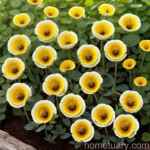
Globe flowers are characterized by their deeply divided, lobed leaves and large, solitary, bowl-shaped flowers available in various shades of yellow, orange, or cream. They can reach heights of up to 2.5 feet (75 cm) and are generally low-maintenance, making them a popular choice for both novice and experienced gardeners.
Key Takeaways – Globe Flower (Trollius x cultorum)
Before delving into the detailed care instructions for globe flowers, let’s outline the key takeaways that will be explored in this guide:
- Culture
- Uses
- Water
- Sunlight
- Fertilizer
- Soil
- Pruning
- Propagation
- Container Popularity
- Common Diseases
- Disease Diagnosis
- Common Pests
- Botanist’s Tips
- Fun Facts
- Links to External Resources
Now, let’s explore each of these aspects in depth to gain a comprehensive understanding of globe flower cultivation and care.
Culture
Uses
Globe flowers hold various uses, extending beyond their aesthetic value in gardens. Here are some common uses of Trollius x cultorum:
- Ornamental Purposes: The vibrant and eye-catching flowers make globe flowers a popular choice for ornamental garden displays, providing color and visual interest.
- Cut Flowers: The long stems and striking blooms of globe flowers make them an excellent choice for floral arrangements and cut flower displays, adding a touch of elegance to indoor spaces.
Water
Water is essential for the healthy growth and maintenance of globe flowers. While they prefer consistently moist conditions, they are not tolerant of waterlogged soils. Here are some key considerations for watering globe flowers:
- Regular Irrigation: Globe flowers thrive in moist soil, so regular watering is necessary, especially during dry periods. Aim to keep the soil consistently moist but not waterlogged.
- Mulching: Applying a layer of organic mulch, such as compost or bark chips, around the base of globe flowers helps retain soil moisture and regulates temperature, promoting optimal growth.
Sunlight
Globe flowers have specific sunlight requirements that are crucial for their overall health and blooming. Here are the essential considerations for providing adequate sunlight to globe flowers:
- Partial Shade: While they can tolerate full sun in cooler climates, globe flowers generally prefer partial shade, especially during the hottest part of the day. Select a location with dappled sunlight or light shade to ensure optimal growth.
Fertilizer
Proper fertilization is key to promoting healthy growth and vibrant blooms in globe flowers. Consider the following guidelines for fertilizing these plants:
- Balanced Fertilizer: Use a balanced, slow-release fertilizer formulated for flowering perennials. Apply the fertilizer in spring as new growth emerges, following the manufacturer’s instructions for application rates.
- Avoid Over-Fertilization: Over-fertilization can lead to excessive foliage growth at the expense of flower production, so it’s important to apply fertilizer sparingly and avoid using high-nitrogen formulations.
Soil
The right soil conditions are crucial for the successful cultivation of globe flowers. Consider the following soil-related guidelines for these plants:
- Moist, Well-Drained Soil: Globe flowers thrive in organically rich, moist, and well-drained soil with a slightly acidic to neutral pH. Amending the soil with compost or well-rotted manure can improve its fertility and moisture retention capacity.
- Soil Composition: A loamy soil texture is ideal for globe flowers, providing a balance of drainage and moisture retention. If the soil is heavy and poorly drained, consider incorporating organic matter to enhance its structure.
Pruning
Pruning plays a significant role in maintaining the health and appearance of globe flowers. Proper pruning practices can help prolong the flowering period and encourage compact growth. Here are some key points to keep in mind when pruning globe flowers:
- Deadheading: Remove spent flowers promptly to prevent the plant from expending energy on seed production. Deadheading also promotes continuous blooming and keeps the plant looking tidy.
- Late Season Pruning: In late summer or early fall, trim back the foliage and spent flower stems to tidy up the plant and encourage a flush of new growth. Avoid cutting back too severely, as this can weaken the plant.
Propagation
Globe flowers can be propagated through various methods, offering opportunities to expand your plant collection or share these enchanting blooms with fellow gardening enthusiasts. Consider the following propagation techniques for Trollius x cultorum:
- Division: Dividing mature globe flower clumps in early spring or fall is a reliable method of propagation. Dig up the plant and carefully separate the rhizomes, ensuring that each division has several healthy shoots and a good root system before replanting.
- Seed Propagation: Collecting and sowing globe flower seeds is another viable propagation method. Harvest seeds from mature plants and sow them in a prepared seedbed or containers in late summer for germination the following spring.
Container Popularity
Globe flowers can be cultivated in containers, adding a touch of elegance to patio, deck, or balcony settings. Here are some considerations for growing globe flowers in containers:
- Container Selection: Choose a spacious container with adequate drainage holes to accommodate the plant’s root system and facilitate proper water drainage.
- Potting Mix: Fill the container with a high-quality, well-draining potting mix enriched with organic matter to provide a fertile growing medium for the globe flower.
Common Diseases
Despite being relatively low-maintenance, globe flowers are susceptible to certain diseases that can affect their overall health and vitality. Here are some common diseases that may impact Trollius x cultorum:
- Powdery Mildew: Powdery mildew, characterized by a white, powdery growth on foliage, can affect globe flowers, particularly in humid or poorly ventilated conditions. To prevent powdery mildew, ensure good air circulation and avoid overhead watering.
- Leaf Spot: Leaf spot diseases can cause unsightly blemishes on the foliage of globe flowers. Maintaining good sanitation and avoiding overhead irrigation can help prevent the spread of leaf spot.
Disease Diagnosis
Accurately diagnosing and identifying diseases affecting globe flowers is crucial for implementing targeted treatment strategies. Here are some key considerations for disease diagnosis in Trollius x cultorum:
- Symptom Recognition: Familiarize yourself with the common symptoms of diseases that affect globe flowers, such as leaf spots, wilting, discoloration, or abnormal growth patterns.
- Professional Consultation: If you are unsure about the nature of a disease affecting your globe flowers, seek advice from local horticultural professionals or plant disease specialists for accurate diagnosis and treatment recommendations.
Common Pests
While globe flowers are relatively resistant to pest infestations, they may still encounter certain pests that can compromise their health. Here are some common pests that may affect Trollius x cultorum:
- Aphids: Aphids are small, sap-sucking insects that can congregate on the tender growth of globe flowers, causing distortion and wilting. Regular monitoring and the use of natural predators can help control aphid populations.
- Spider Mites: These tiny arachnids can infest globe flowers, causing stippling or discoloration on the foliage. Increasing humidity and using targeted insecticidal treatments can help manage spider mites.
Botanist’s Tips
As a botanist, here are some additional tips and insights to help you successfully cultivate and care for globe flowers:
- Companion Planting: Pair globe flowers with plants that share similar moisture and light requirements, such as astilbe, ligularia, or hosta, to create visually appealing combinations in the garden.
- Soil Amendments: Incorporate organic matter into the soil when planting or transplanting globe flowers to improve soil structure and fertility, ensuring optimal growing conditions.
- Pollinator Attraction: Globe flowers are attractive to pollinators, particularly bees and butterflies. Embrace their role in supporting beneficial insect populations by incorporating globe flowers into pollinator-friendly garden designs.
Fun Facts
Globe flowers are not only beautiful and captivating, but they also boast intriguing characteristics and historical significance. Here are some fun facts about Trollius x cultorum:
- The genus name “Trollius” is derived from the old German word “troll,” meaning “globular,” in reference to the unique shape of the flowers.
- Globe flowers have been grown in gardens for centuries and have been subject to hybridization and selection, resulting in the development of various cultivars with diverse flower colors and forms.
- In folklore and traditional medicine, globe flowers have been associated with various symbolic meanings, often representing purity, enchantment, or good fortune.
Links to External Resources
For further information and resources on globe flower care and cultivation, consider exploring the following links:
- Royal Horticultural Society – Globe Flower Growing Guide
- University of Minnesota Extension – Globe Flowers in the Garden
- Missouri Botanical Garden – Trollius x cultorum Overview
- American Horticultural Society – Growing Perennials: Globe Flowers
Would you consider planting these attractive globe flower, with the provided information about its needs and interesting facts, the cultivation process will be smooth and rewarding. Whether you want to add a splash of color to your garden, create stunning floral arrangements, or attract beneficial pollinators, globe flowers are sure to delight and enchant. Happy gardening!