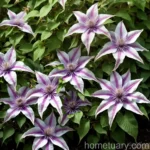
Plant Scientist’s Guide to Globe Flower (Trollius europaeus)
Globe flower (Trollius europaeus) is a delicate and captivating perennial plant that is native to Europe and parts of Asia. It is a member of the Ranunculaceae family and is admired for its vibrant, globe-shaped flowers that come in shades of yellow and orange. In this comprehensive guide, we will explore the unique characteristics of globe flower, its cultural significance, uses, cultivation requirements, and potential challenges associated with its growth. Whether you are a seasoned gardener or are considering introducing globe flowers to your landscape for the first time, this guide will equip you with the knowledge and skills to successfully cultivate and appreciate this charming plant.
What is Globe Flower (Trollius europaeus)?
Globe flower, scientifically known as Trollius europaeus, is a herbaceous perennial plant characterized by its distinct globe-shaped flowers and deeply lobed, palmate leaves. The plant typically reaches a height of 30 to 80 cm and is known for its ability to thrive in moist, boggy habitats such as wet meadows, stream banks, and damp woodlands. Its striking display of bright, buttercup-like blooms makes it a popular choice for ornamental gardens and naturalistic landscapes.
The genus name Trollius is derived from the word “troll,” which refers to a type of troll that, according to folklore, inhabits deep, damp woods and meadows—the natural habitats of the globe flower. This association with mythical creatures and enchanted landscapes adds to the allure and romantic appeal of the globe flower in both cultural and horticultural contexts.
Key Takeaways – Globe Flower (Trollius europaeus)
Before delving into the specifics of cultivating globe flowers, let’s highlight some key takeaways that will serve as a foundation for understanding and appreciating this enchanting plant:
- Scientific Name: Trollius europaeus
- Family: Ranunculaceae
- Common Names: Globe flower, European globe flower, Globeflower, and Globemallow
- Native Range: Europe and parts of Asia
- Habitat: Moist, boggy areas, wet meadows, stream banks, and damp woodlands
- Flower Characteristics: Globe-shaped, bright yellow to orange flowers
- Leaves: Deeply lobed, palmate leaves
- Cultural Significance: Associated with folklore and enchanted landscapes
With these key takeaways in mind, let’s explore the cultural significance, uses, and detailed cultivation requirements for globe flowers.
Culture
Globe flower holds cultural significance in various societies and is often associated with legends, myths, and symbolic meanings. In Swedish folklore, the globe flower is believed to possess magical properties and is associated with providing protection against trolls and other malevolent beings, linking back to the etymology of its genus name, Trollius.
The plant’s distinctive appearance and its preference for growing in enchanting, damp areas have also contributed to its portrayal in literature and the arts as a symbol of mystery, enchantment, and the beauty of untouched natural landscapes. Its symbolism in different cultural contexts makes globe flower a plant that transcends its ornamental value and serves as a storyteller in gardens and landscapes.
Uses
Beyond its cultural significance, globe flowers have practical uses in traditional medicine and herbal remedies. Historically, various parts of the plant, including the roots and leaves, have been utilized for their medicinal properties. In certain herbal traditions, globe flower extracts have been used to address ailments such as respiratory issues, digestive discomfort, and skin irritations. It’s important to note that the use of any plant for medicinal purposes should be approached with caution and under the guidance of qualified healthcare professionals.
In contemporary horticulture, the striking appearance of globe flowers makes them popular choices for ornamental gardens, wildflower meadows, and naturalistic landscapes. These plants can be used to create visually captivating displays, particularly in areas with moist or boggy soil where many other plants struggle to thrive.
Water
Globe flowers are naturally inclined towards environments with abundant moisture, thriving in the damp conditions of wet meadows and stream banks. When cultivating globe flowers, it is crucial to ensure that they receive consistent moisture, especially during the growing season. Adequate watering helps maintain the plant’s vigor, promotes robust flowering, and supports healthy foliage development.
For gardeners in regions with drier climates or limited access to natural water sources, supplemental watering may be necessary to provide the moisture levels that globe flowers require. Sustainable watering practices, such as rainwater harvesting or the use of drip irrigation systems, can be employed to ensure that the plants receive the consistent moisture they need to flourish.
Sunlight
In their natural habitat, globe flowers are often found in areas that receive dappled sunlight or partial shade. When grown in garden settings, they thrive in locations with similar light conditions. Providing the plants with partial sunlight or filtered light helps prevent excessive heat stress and promotes optimal growth and blooming.
While globe flowers can tolerate some direct sunlight, particularly in cooler climates, it is important to avoid placing them in locations with intense, prolonged sun exposure. Excessive heat and sunlight can cause the plants to wilt, diminish flower quality, and affect overall plant health. Therefore, selecting shaded or partially shaded spots in the garden is advisable for successful cultivation of globe flowers.
Fertilizer
Globe flowers benefit from a balanced and organic-rich soil environment. When incorporating fertilizers into the cultivation regimen for these plants, it is important to prioritize organic options that provide essential nutrients without the risk of chemical buildup, which can be detrimental to the plant and surrounding ecosystem.
During the growing season, applying a slow-release organic fertilizer or a well-composted organic matter around the base of the plants can help support healthy growth and robust flowering. It is essential to follow the recommended application rates and avoid over-fertilization, as excessive nutrients can lead to imbalanced growth and diminished flowering.
An environmentally-friendly approach to fertilization involves composting and mulching practices that contribute to soil health and fertility while minimizing the need for external inputs. By maintaining the organic integrity of the soil, gardeners can create an ideal growing environment for globe flowers and other flowering plants.
Soil
The selection of suitable soil is crucial for the successful cultivation of globe flowers. Given their natural habitat in moist, boggy areas, these plants have a preference for well-draining, loamy soil that retains moisture without becoming waterlogged. Prioritizing soil with good drainage capabilities helps prevent waterlogging, which can lead to root rot and other related issues.
While globe flowers thrive in moist environments, it is important to achieve a balance that allows the soil to remain consistently moist without becoming saturated. Incorporating organic matter, such as compost or well-rotted manure, into the soil can enhance its water retention capacity and provide essential nutrients for the plants.
Maintaining the proper pH level is also critical for ensuring optimal growth and flowering of globe flowers. A slightly acidic to neutral pH range of 6.0 to 7.0 is ideal for these plants, as it supports nutrient availability and uptake. Conducting soil tests and amending the soil as needed to achieve the appropriate pH level is a proactive step in creating an ideal growing environment for globe flowers.
Pruning
Proper pruning practices contribute to the overall health, appearance, and longevity of globe flowers. Regular deadheading, which involves removing spent flowers, encourages continued blooming and prevents the plants from expending energy on seed production. This practice not only prolongs the flowering period but also promotes the development of new flower buds, enhancing the visual appeal of the plants.
In addition to deadheading, occasional pruning of damaged or overcrowded stems helps maintain the plant’s shape and allows for better air circulation and light penetration within the canopy. Pruning should be performed using clean, sharp gardening shears to minimize the risk of damage to the plants and facilitate quick healing of the pruning wounds.
The timing of pruning activities for globe flowers should be aligned with their growth and flowering cycles. After the initial blooming period, deadheading can be carried out to encourage a second flush of flowers. Later in the season, as the plants transition towards dormancy, removing any discolored or withered foliage contributes to a tidy appearance and reduces the risk of disease or pest infestations.
Propagation
Globe flowers can be propagated through various methods, including division, seed propagation, and stem cuttings. Each propagation approach offers unique advantages and considerations, allowing gardeners to choose the most suitable method based on their resources and goals.
Division
Dividing mature globe flower plants is an effective way to propagate them and create new plants. This method is typically carried out in early spring or late autumn when the plants are entering or exiting their active growth phase. The process involves carefully lifting the plant from the ground, separating the root mass into sections, and replanting the divisions into prepared soil.
It is important to ensure that each division consists of healthy roots and sufficient foliage to support the establishment of a new plant. By exercising care during the division process and providing adequate post-planting care, gardeners can successfully propagate globe flowers through division and expand their garden displays.
Seed Propagation
Growing globe flowers from seeds provides an opportunity to introduce genetic diversity and explore the range of potential flower colors and characteristics present in the plant’s offspring. To propagate globe flowers from seeds, it is essential to collect mature seeds from the plants and sow them in well-prepared, moist soil.
Seeds should be sown at the appropriate depth and covered lightly with soil for optimal germination. Maintaining consistent moisture and providing a suitable germination environment supports successful seedling establishment. While seed propagation offers the potential for variability in plant traits, it typically takes longer to produce mature, flowering plants compared to other propagation methods.
Stem Cuttings
Propagating globe flowers from stem cuttings allows gardeners to create new plants using selected portions of existing, healthy stems. The process involves taking stem cuttings from the parent plant, ensuring that each cutting includes a node or leaf joint from which roots can develop. The cuttings are then planted in a suitable rooting medium and kept under favorable environmental conditions to encourage root development.
Stem cuttings offer a relatively efficient and expedient method of propagation, allowing for rapid establishment of new plants without the extended timeline associated with seed propagation. By following proper techniques and providing appropriate care, gardeners can successfully propagate globe flowers from stem cuttings and increase their plant stock.
Container Popularity
Globe flowers are well-suited for container cultivation, offering a versatile and visually captivating addition to outdoor spaces, patios, and balconies. When grown in containers, globe flowers can be showcased as standalone features or incorporated into mixed plant arrangements, bringing their vibrant colors and unique form to eye-catching displays.
The portable nature of container-grown globe flowers allows for flexible placement, enabling them to thrive in locations where garden space may be limited or where specific aesthetic arrangements are desired. Additionally, container cultivation provides an opportunity for gardeners to create micro-environments that cater to the specific moisture and soil requirements of globe flowers, allowing for meticulous care and attention.
Container Common Diseases
While container cultivation offers numerous advantages, it is important to be mindful of potential diseases and challenges that can affect globe flowers in container settings. Common diseases that may impact container-grown globe flowers include:
- Powdery Mildew: A fungal disease characterized by the presence of white powdery patches on the leaves, stems, and flowers.
- Root Rot: Excessive moisture or poor drainage in containers can lead to root rot, causing the plant to wilt and exhibit signs of poor health.
- Botrytis Blight: Also known as gray mold, this fungal disease can manifest as discolored, decaying areas on the plant, particularly in humid conditions.
Understanding the symptoms and preventive measures for these and other potential diseases is essential for maintaining the health and vitality of globe flowers in containers. Implementing proper watering practices, providing adequate air circulation, and maintaining overall plant hygiene are crucial for disease prevention and management.
Disease Diagnosis
Diagnosing diseases in globe flowers requires careful observation and an understanding of common disease characteristics. When assessing the health of globe flowers, gardeners should look for symptoms such as abnormal leaf discoloration, wilting, deformities in plant structure, and the presence of unusual growths or discolorations on the surface of the foliage.
If disease symptoms are observed, it is important to accurately identify the specific disease affecting the plants. This may involve consulting gardening resources, seeking advice from local horticultural experts, or utilizing diagnostic services offered by agricultural extension offices or plant pathology laboratories.
Once the disease has been identified, appropriate intervention strategies can be implemented to address the specific pathogen or causal agent. This may include cultural practices, the application of organic or low-impact fungicides, and, in severe cases, the removal and disposal of heavily affected plant material to prevent the spread of the disease.
Common Pests
While globe flowers are relatively resilient to pest infestations, they can occasionally be affected by common garden pests. Some of the pests that may pose a threat to globe flowers include:
- Aphids: These small, sap-sucking insects can cluster on the tender growth of globe flowers, causing leaf curling and distorted growth.
- Slugs and Snails: These mollusks are known for feeding on the foliage and flowers of globe flowers, leaving behind telltale slime trails and ragged feeding damage.
- Spider Mites: These tiny arachnids can infest globe flowers and cause stippling or discoloration on the leaves as they feed.
Implementing pest monitoring and proactive management practices is key to preventing pest-related damage and maintaining the health of globe flowers. Natural predators, such as ladybugs and predatory mites, can contribute to pest control in garden settings, while cultural practices, such as promoting biodiversity and maintaining plant health, also play a crucial role in pest prevention.
Botanist’s Tips
To support the successful cultivation of globe flowers and enhance the overall gardening experience, here are some botanist’s tips for gardeners looking to introduce these captivating plants to their landscapes:
- Selecting Planting Sites: Choose well-drained, partially shaded locations with consistent moisture for planting globe flowers to provide optimal growing conditions.
- Companion Planting: Consider companion planting with moisture-loving perennial species, such as astilbes, ligularias, and ferns, to create visually harmonious and ecologically beneficial garden displays.
- Mulching: Apply a layer of organic mulch around the base of globe flowers to help maintain soil moisture, suppress weed growth, and provide insulation against temperature fluctuations.
- Seasonal Maintenance: Adhere to a seasonal maintenance schedule that includes regular deadheading, pruning, and soil amendment to support the long-term health and vigor of globe flowers.
By integrating these tips into their gardening practices, enthusiasts can cultivate thriving globe flower displays while contributing to the sustainability and biodiversity of their garden spaces.
Fun Facts
Delving into the world of globe flowers reveals a wealth of intriguing and delightful facts that further enrich our understanding and appreciation of these plants:
- National Flower of Finland: Globe flower holds the distinction of being the national flower of Finland, where it is cherished for its cultural and natural significance.
- Design Inspiration: The captivating form and color of globe flowers have inspired artists, designers, and horticulturalists, offering a muse for diverse creative endeavors.
- Edible Flower: In certain culinary traditions, globe flower petals are used as a decorative element in salads, desserts, and beverages, adding a touch of vibrant color and delicate flavor.
These fun facts underscore the multifaceted appeal of globe flowers and their ability to captivate and inspire across a spectrum of disciplines and cultural contexts.
Links to External Resources
For further exploration of globe flowers, their cultivation, and related topics, the following external resources offer valuable insights, guidance, and additional information:
- Royal Horticultural Society (RHS) – Trollius europaeus
- The Plant List – Trollius europaeus
- Botanical Society of Britain & Ireland (BSBI) – Globe flower information sheet
- North American Rock Garden Society (NARGS) – Globe Flower
These resources provide botanical details, cultivation guidelines, and additional perspectives on the unique characteristics and cultivation of globe flowers, offering a comprehensive reference for enthusiasts and practitioners alike.
In conclusion, cultivating globe flowers presents an opportunity to engage with a plant that embodies cultural significance, natural beauty, and horticultural allure. By embracing the guidance provided in this comprehensive guide and drawing inspiration from its cultural resonance and practical uses, gardeners can embark on a rewarding journey of cultivating, appreciating, and celebrating the enchanting globe flower (Trollius europaeus).