Tree Houseleek (Aeonium) Care Guide
As a plant scientist specializing in succulents, I have always been fascinated by the Aeonium plant, popularly known as Tree Houseleek. This beautiful plant is a favorite among gardeners and landscaping enthusiasts due to its unique appearance and low maintenance requirements. In this comprehensive guide, I will delve into the various aspects of caring for Tree Houseleek (Aeonium) and provide valuable insights for its successful cultivation.
What is Tree Houseleek (Aeonium)?
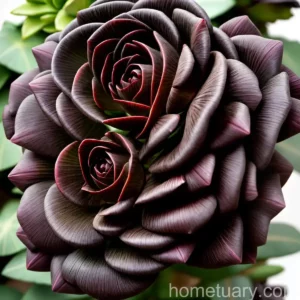
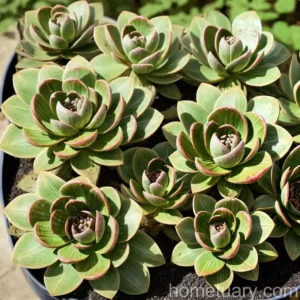
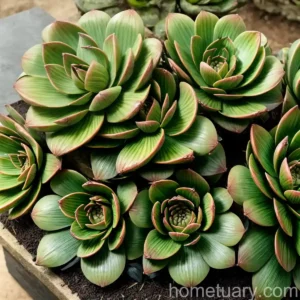
Tree Houseleek, scientifically known as Aeonium, is a genus of succulent plants that belong to the family Crassulaceae. Native to the Canary Islands, as well as parts of North Africa and the Arabian Peninsula, Aeonium species are characterized by their rosette-shaped leaves and woody stems. They exhibit a diverse range of colors and variations, making them a versatile choice for both indoor and outdoor ornamental gardening.
As a diverse genus, Aeonium comprises numerous species, each offering its own unique characteristics and growth habits. From compact rosettes to large, branching structures, Aeonium plants present an array of options for plant enthusiasts and landscaping professionals.
Tree Houseleek (Aeonium) plants are valued for their ability to thrive in arid conditions and their striking appearance, making them an ideal choice for xeriscaping, container gardening, and succulent collections.
Key Takeaways – Tree Houseleek (Aeonium)
Before delving into the details of caring for Tree Houseleek (Aeonium), let’s summarize the key takeaways for this beautiful succulent:
- Scientific Name: Aeonium spp.
- Common Name: Tree Houseleek
- Family: Crassulaceae
- Native Habitat: Canary Islands, North Africa, Arabian Peninsula
- Distinctive Features: Rosette-shaped leaves, woody stems, diverse color variations
- Ideal Uses: Ornamental gardening, xeriscaping, container gardening, succulent collections
Now, let’s explore the essential aspects of caring for Tree Houseleek (Aeonium), including its cultural requirements, uses, and common maintenance practices.
Culture
Proper cultural practices play a crucial role in ensuring the health and vitality of Tree Houseleek (Aeonium) plants. Understanding the cultural requirements of Aeonium species is essential for fostering optimal growth and maintaining their visual appeal.
Uses
Tree Houseleek (Aeonium) plants have a wide range of uses in ornamental gardening and landscaping. Some common uses include:
- Container Gardening: Aeonium plants thrive in containers, making them ideal for balconies, patios, and small outdoor spaces.
- Xeriscaping: With their drought-tolerant nature, Aeonium species are well-suited for xeriscaping projects, where water conservation is a priority.
- Succulent Collections: Aeonium’s unique appearance and diverse varieties make them popular choices for succulent enthusiasts and collectors.
- Ornamental Landscaping: Tree Houseleek (Aeonium) adds visual interest to garden beds, rock gardens, and Mediterranean-themed landscapes.
Water
Proper watering is essential for the health and vitality of Tree Houseleek (Aeonium) plants. Understanding the water requirements and best practices for watering Aeonium species is crucial for preventing issues such as root rot and dehydration.
Key considerations for watering Tree Houseleek (Aeonium) include:
- Frequency: Aeonium plants prefer infrequent, deep watering rather than frequent shallow watering. Allow the soil to dry out between waterings to prevent waterlogged conditions.
- Soil Moisture: Ensure that the soil around the roots is completely dry before the next watering cycle. Overly moist soil can lead to root rot and other complications.
- Seasonal Adjustments: Adjust the watering frequency based on the season and environmental conditions. Aeoniums may require less water during the dormant winter months and more frequent watering during the active growing season.
Sunlight
Proper sunlight exposure is vital for the healthy growth and development of Tree Houseleek (Aeonium) plants. Understanding the sunlight requirements and providing appropriate light conditions are key factors in ensuring the vigor and visual appeal of Aeonium species.
Key considerations for sunlight and Aeonium care include:
- Optimal Exposure: Aeonium plants thrive in bright, indirect sunlight. They appreciate full sun in cooler climates but may require protection from intense afternoon sun in hot summer regions.
- Indoor Placement: When grown indoors, place Aeonium plants near south or west-facing windows to provide them with adequate light. Consider supplemental grow lights if natural light is limited.
- Sun Stress: Aeonium plants exhibit vibrant coloration when exposed to ample sunlight. The rosettes may develop striking hues of red, purple, or green under optimal light conditions.
Fertilizer
Fertilization plays a supplementary role in supporting the growth and development of Tree Houseleek (Aeonium) plants. While these succulents are relatively low-maintenance, providing appropriate nutrients can enhance their overall vigor and visual appeal.
Key considerations for fertilizer use with Aeonium plants include:
- Balanced Formulas: Use a balanced, diluted fertilizer formulated for succulents and cacti. Avoid excessive application of high-nitrogen fertilizers, as this can lead to rapid, weak growth.
- Frequency: Fertilize Aeonium plants sparingly during the active growing season, typically from spring to early autumn. Reduce or cease feeding during the winter dormancy period.
- Application Method: Apply the fertilizer solution to the soil around the base of the plants, ensuring that it does not come into direct contact with the leaves to prevent potential burn.
Soil
Choosing the right soil mix is crucial for the successful cultivation of Tree Houseleek (Aeonium) plants. A well-draining, nutrient-rich soil medium provides the foundation for healthy root development and overall plant vigor.
Key considerations for soil selection and Aeonium care include:
- Drainage: Select a well-draining potting mix or create a custom blend using gritty materials such as coarse sand, perlite, or pumice. Ensure that excess water can freely flow through the soil to prevent waterlogging.
- Nutrient Content: Aeonium plants benefit from a soil mix that is slightly fertile but not overly rich. Avoid heavy, moisture-retentive soils, as they can lead to root rot and other complications.
- pH Level: Aim for a slightly acidic to neutral pH range (6.0-7.0) for the soil mix. This pH range supports optimal nutrient availability and root function for Aeonium plants.
Pruning
Pruning and maintenance practices are essential for managing the growth habit and visual appeal of Tree Houseleek (Aeonium) plants. Proper pruning techniques can help control the plant’s size, remove damaged or unsightly growth, and promote branching in certain species.
Key considerations for pruning Tree Houseleek (Aeonium) include:
- Deadheading: Remove spent flower stalks and dried-up rosettes to maintain a tidy, attractive appearance.
- Size Control: Trim back leggy or overgrown stems to encourage compact, balanced growth. Aeonium species that tend to become tall and top-heavy may benefit from periodic pruning to prevent flopping or breakage.
- Sterilization: Use clean, sharp pruning tools to prevent the spread of disease. Disinfect the cutting blades with rubbing alcohol before and after each use.
Propagation
Propagating Tree Houseleek (Aeonium) plants is a rewarding way to expand your succulent collection and share the beauty of these unique specimens with friends and fellow gardening enthusiasts. Understanding the various propagation methods and best practices is essential for successful Aeonium propagation.
Key considerations for propagating Aeonium plants include:
- Stem Cuttings: Aeonium cuttings can be propagated by taking stem cuttings from healthy, mature plants. Allow the cut ends to callus before planting them in a well-draining propagation medium.
- Leaf Cuttings: Some Aeonium species can be propagated from individual leaves. Gently remove healthy leaves and allow them to develop calluses before placing them in a suitable rooting medium.
- Division: Mature Aeonium plants with multiple rosettes or offshoots can be divided into separate specimens. Ensure that each division has ample roots and plant it in an appropriate potting mix to encourage establishment.
Container Popularity
Aeonium plants are highly popular choices for container gardening due to their compact size, striking appearance, and low maintenance requirements. When grown in containers, Tree Houseleek (Aeonium) species can thrive in various settings, adding visual interest and natural charm to indoor and outdoor spaces.
Key considerations for growing Aeonium in containers include:
- Container Selection: Choose well-draining containers with drainage holes to prevent waterlogging. Select pots that allow ample space for root growth and stability to support the plant’s structure.
- Soil Medium: Use a well-draining succulent potting mix or create a custom blend using gritty additives. Ensure that excess water can freely escape from the container to safeguard against root rot.
- Placement: Position Aeonium containers in locations with appropriate sunlight exposure. Rotate the pots periodically to promote even growth and prevent lopsided development.
Common Diseases
Tree Houseleek (Aeonium) plants are generally resilient against diseases, especially when provided with proper care and growing conditions. However, as with any plant, they may be susceptible to certain issues under unfavorable circumstances.
Common diseases of Aeonium plants may include:
- Root Rot: Excessive moisture and waterlogged conditions can lead to root rot in Aeonium plants. Avoid overwatering and ensure proper drainage to prevent this issue.
- Powdery Mildew: In high humidity or poor air circulation, Aeonium plants may develop powdery mildew on their leaves. Provide adequate ventilation and avoid overcrowding to minimize this risk.
Disease Diagnosis
Early diagnosis and prompt intervention are essential for addressing potential diseases or health issues affecting Tree Houseleek (Aeonium) plants. Careful observation and proactive measures can help maintain the overall health and vitality of Aeonium species.
Key indications of potential diseases in Aeonium plants include:
- Yellowing or Wilted Leaves: These symptoms may indicate overwatering, root rot, or nutrient deficiencies.
- Powdery Residue on Leaves: The presence of white, powdery substance on the leaves may be a sign of powdery mildew, especially in high humidity conditions.
Common Pests
While generally resistant to pests, Tree Houseleek (Aeonium) plants may occasionally encounter issues with common garden pests. Monitoring for signs of pest activity and responsible pest management practices can help minimize potential damage to Aeonium species.
Common pests that may affect Aeonium plants include:
- Aphids: These small, sap-sucking insects can congregate on the tender growth of Aeonium plants, causing distortion and yellowing of the affected areas.
- Mealybugs: Mealybugs may appear as fluffy, cotton-like masses on the leaves or stems of Aeonium plants, feeding on plant sap and potentially causing decline.
Botanist’s Tips
As a botanist with a passion for succulents, I have compiled a series of tips to help plant enthusiasts and gardeners successfully care for Tree Houseleek (Aeonium) plants. These botanist’s tips are designed to provide practical guidance and insights based on my experience and expertise in succulent cultivation.
Botanist’s Tips for Caring for Aeonium Plants:
-
Optimal Sun Exposure: Aeonium species thrive in bright, indirect sunlight. When grown outdoors, provide them with ample light without exposing them to intense, scorching sun in hot climates.
-
Well-Draining Soil: Choose a well-draining potting mix for Aeonium plants to prevent waterlogging and maintain healthy root systems.
-
Infrequent Watering: Practice careful watering habits by allowing the soil to dry out between waterings. Aeonium plants prefer to be on the drier side rather than consistently moist.
-
Winter Dormancy: During the winter months, reduce watering and protect Aeonium plants from frost if grown in cooler climates. Allow them to rest during this dormancy period.
-
Pruning for Shape: Regular pruning can help maintain the compact, balanced growth of Aeonium plants and promote a tidy appearance.
-
Avoid Overcrowding: Provide sufficient space between Aeonium plants to allow for adequate airflow and minimize the risk of potential disease issues.
Fun Facts
As we explore the captivating world of Tree Houseleek (Aeonium) plants, let’s delve into some intriguing and exciting fun facts about these unique succulents. These fun facts provide a glimpse into the fascinating characteristics and cultural significance of Aeonium species.
Fascinating Fun Facts about Aeonium Plants:
-
Aeoniums in Folklore: In folklore and traditional belief systems, Aeonium plants were often associated with protection and good fortune. They were commonly grown on rooftops and near entrances to safeguard against negative energies.
-
Breathtaking Color Transitions: Aeonium plants undergo dramatic color changes in response to sunlight exposure and environmental conditions. Watching their vibrant hues transition from green to red or purple can be a visually captivating experience.
-
Unique Rosette Patterns: The diverse species of Aeonium exhibit a stunning array of rosette shapes and patterns, ranging from tightly clustered leaves to more open, architectural arrangements.
-
Architectural Elegance: The structural elegance of Aeonium plants makes them valuable additions to modern and minimalist garden designs, where their sculptural forms create impactful focal points.
-
Ancient Origins: Aeonium plants have a rich botanical history, with some species believed to have been cultivated since ancient times. Their resilience and adaptability have made them enduring favorites in horticulture.
Links to External Resources
As we conclude this comprehensive guide to caring for Tree Houseleek (Aeonium) plants, I have curated a selection of valuable external resources to further expand your knowledge and appreciation of Aeonium species. These resources encompass expert insights, practical advice, and inspiration for cultivating and enjoying these remarkable succulents.
External Resources for Aeonium Enthusiasts:
- The Royal Horticultural Society (RHS) – Growing Aeoniums
- Succulent Plant Care – Aeoniums: A Complete Guide
- UC Master Gardeners – Aeoniums: Winter Care and Propagation
- World of Succulents – Aeonium Varieties and Care Tips
- Arizona-Sonora Desert Museum – Aeoniums in Landscaping]
As a plant scientist specializing in succulents, I am excited to share my insights and expertise on caring for Tree Houseleek (Aeonium) plants. Through a thorough exploration of their cultural requirements, uses, and maintenance practices, I hope to inspire and equip plant enthusiasts with the knowledge and confidence to cultivate these unique and captivating succulents. Whether you are a seasoned gardener or a novice succulent aficionado, I encourage you to embrace the beauty and charm of Tree Houseleek (Aeonium) plants in your gardening endeavors.
Remember to care for your Aeonium plants with attentiveness and appreciation, and they will reward you with their enduring elegance and natural allure. Happy gardening!