Aeonium Glutinosum (Aeonium Glutinosum)
Aeonium Glutinosum, a striking succulent plant with rosette-shaped leaves, has gained popularity among plant enthusiasts due to its unique and captivating.
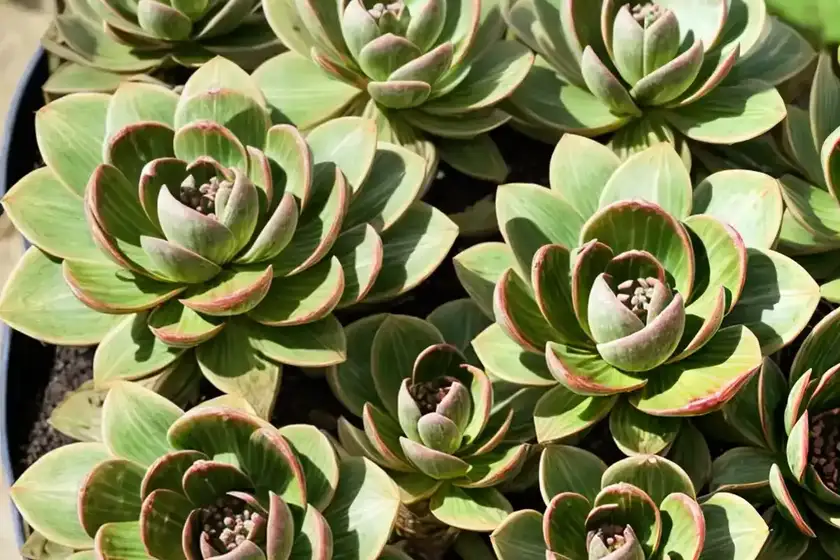
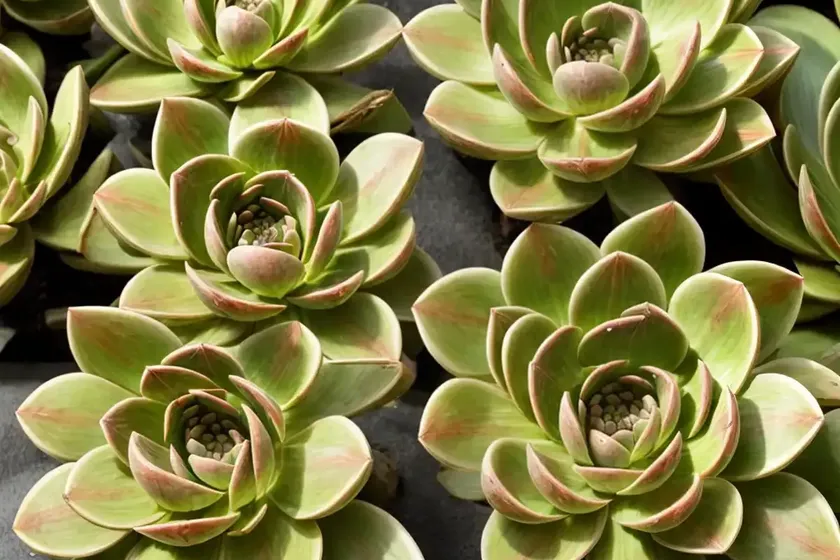
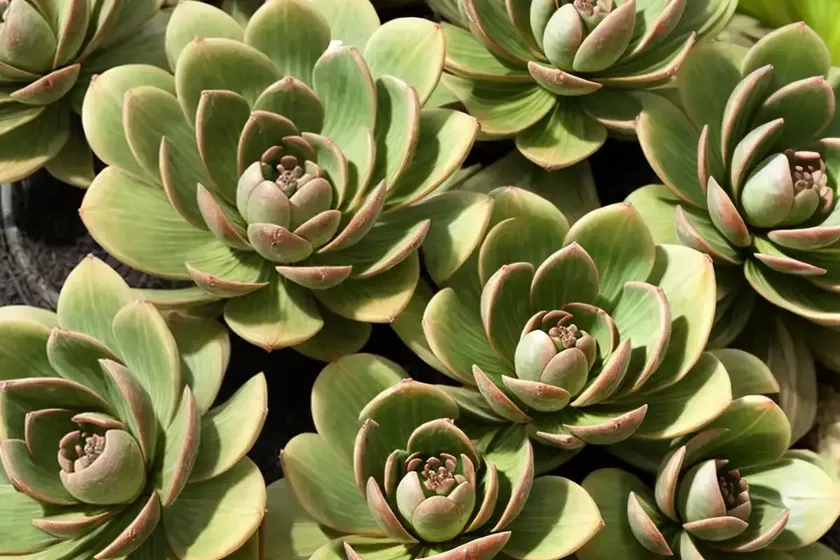
Aeonium Glutinosum, a striking succulent plant with rosette-shaped leaves, has gained popularity among plant enthusiasts due to its unique and captivating features. This comprehensive guide aims to provide valuable insights into the cultivation, care, and maintenance of Aeonium Glutinosum. Whether you are a beginner intrigued by succulent varieties or an experienced gardener seeking detailed information, this guide will equip you with the knowledge and tips to cultivate and enjoy the beauty of Aeonium Glutinosum in various settings.
What is Aeonium Glutinosum?
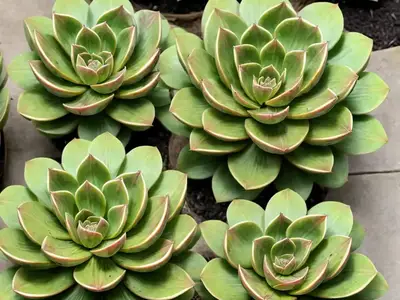
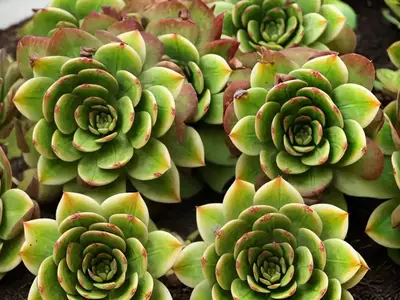
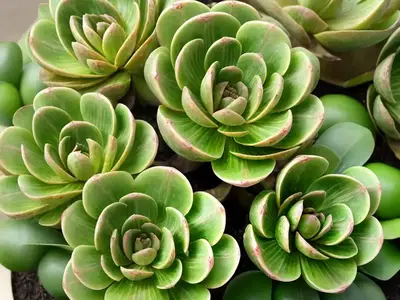
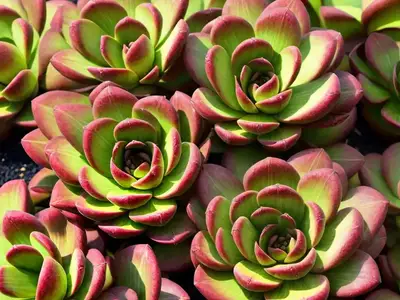
Aeonium Glutinosum, also known as the glossy aeonium, belongs to the Crassulaceae family and is native to the Canary Islands. This evergreen succulent is characterized by its compact rosettes of glossy, deep green leaves and produces small clusters of yellow flowers during the blooming season. The plant’s architectural form and vibrant foliage make it an ideal choice for both indoor and outdoor cultivation, adding an exotic element to gardens, landscapes, and interior spaces.
Key Takeaways – Aeonium Glutinosum
Before delving into the specifics of Aeonium Glutinosum care and cultivation, let’s explore the key takeaways about this remarkable succulent:
- Aeonium Glutinosum Varieties: While Aeonium Glutinosum is a distinct species, it belongs to the larger genus of Aeonium plants, which encompasses a diverse array of succulent variations.
- Cultural Significance: Aeonium Glutinosum holds cultural significance as a decorative plant in various regions, contributing to its popularity as an ornamental species.
- Distinctive Characteristics: The glossy, dark green leaves and symmetrical rosette form are among the distinctive features that define Aeonium Glutinosum, making it a sought-after addition to succulent collections.
- Versatile Use: From landscaping and container gardening to indoor decor, Aeonium Glutinosum offers versatile uses, allowing plant enthusiasts to explore creative and diverse ways of incorporating this succulent into different settings.
Now that we have gleaned initial insights into the allure of Aeonium Glutinosum, let’s delve into the specifics of its cultivation and care.
Plant Name: Aeonium Glutinosum
Successfully cultivating and nurturing Aeonium Glutinosum hinges on a comprehensive understanding of its requirements and characteristics. This section will comprehensively cover various aspects such as culture, use, care, and maintenance of this captivating succulent.
Culture
Understanding the cultural requirements of Aeonium Glutinosum is fundamental to its successful growth and development. Several factors contribute to the optimal cultural conditions for this succulent:
-
Origin and Distribution: Aeonium Glutinosum originates from the Canary Islands, where it thrives in arid and semi-arid environments. Its natural habitat provides valuable insights into the cultural conditions it favors, including well-draining soil and exposure to ample sunlight.
-
Climatic Preferences: As an arid climate plant, Aeonium Glutinosum thrives in regions characterized by warm, dry conditions. It demonstrates resilience in the face of high temperatures and exhibits excellent adaptability to arid climates.
-
Exposure to Environmental Elements: The succulent’s ability to withstand environmental elements, such as strong sunlight and occasional drought, underscores its suitability for outdoor cultivation in regions with similar climatic conditions.
-
Adaptation to Container Settings: Aeonium Glutinosum also adapts well to container settings, making it a versatile choice for indoor and outdoor potted plant displays.
Uses
Aeonium Glutinosum offers a myriad of uses in horticulture and landscaping, owing to its distinctive characteristics and visual appeal. Some common uses of Aeonium Glutinosum include:
-
Landscape Ornamentation: The striking foliage of Aeonium Glutinosum makes it a popular choice for landscape ornamentation in gardens, rockeries, and xeriscapes. Its vibrant coloration and architectural form contribute to visually captivating outdoor displays.
-
Indoor Decor: When cultivated as a houseplant, Aeonium Glutinosum adds an exotic and visually intriguing element to interior spaces. Its compact size and low maintenance requirements make it an ideal choice for indoor decor.
-
Container Gardening: The adaptability of Aeonium Glutinosum to container gardening allows for creative and versatile display options, making it an essential component of succulent and cacti collections.
Water
Regulating water supply is crucial to the health and vitality of Aeonium Glutinosum, considering its succulent nature and adaptation to arid environments. Understanding the plant’s water requirements is essential for preventing issues such as rot and dehydration.
-
Watering Frequency: Aeonium Glutinosum exhibits a moderate water requirement, necessitating cautious watering to avoid waterlogged soil. As a general rule, allow the soil to dry out partially between waterings, especially during the growing season.
-
Avoiding Waterlogged Soil: Ensuring proper drainage by using well-draining soil and containers with drainage holes helps prevent waterlogging, which can lead to root rot and other moisture-related issues.
-
Monitoring Water Needs: Observing the plant for signs of dehydration, such as wilting or yellowing leaves, and adjusting the watering frequency accordingly is crucial for maintaining optimal moisture levels.
Sunlight
Adequate exposure to sunlight is instrumental in promoting healthy growth and vibrant foliage in Aeonium Glutinosum. Understanding its sunlight requirements helps create optimal growing conditions for this succulent.
-
Sun Exposure: Aeonium Glutinosum thrives in full to partial sunlight, making it suitable for cultivation in regions with ample sunlight exposure. Providing approximately 6-8 hours of sunlight per day is ideal for maintaining the succulent’s health and vitality.
-
Indoor Cultivation: When grown indoors, placing Aeonium Glutinosum near a bright window or in a location with access to indirect sunlight helps replicate its natural light requirements.
-
Sunlight Intensity: While the succulent appreciates ample sunlight, protection from intense midday sun, especially during the peak of summer, can prevent sunburn and leaf damage.
Fertilizer
Supplemental feeding through fertilization supports the growth and development of Aeonium Glutinosum, ensuring optimal nutrient availability for its vibrant foliage and rosette formation.
-
Balanced Fertilizer: Using a balanced, water-soluble fertilizer with a diluted concentration during the growing season provides essential nutrients to Aeonium Glutinosum without risking fertilizer burn.
-
Fertilization Frequency: Applying fertilizer at a regular interval, such as once a month during the growing season, can meet the plant’s nutritional needs while preventing excessive accumulation of salts from the fertilizers.
-
Avoiding Overfertilization: Exercising caution to prevent overfertilization, which can lead to nutrient toxicity and adverse effects on the succulent’s overall health, is essential when feeding Aeonium Glutinosum.
Soil
Selecting the appropriate soil type and ensuring proper soil conditions are vital for enabling Aeonium Glutinosum to thrive. Tailoring the soil composition to meet the succulent’s needs is key to promoting healthy growth and foliage development.
-
Well-Draining Soil: Aeonium Glutinosum thrives in soil with excellent drainage, preventing water accumulation around its roots. Using a well-draining, sandy soil mix facilitates effective moisture regulation and root aeration.
-
Soil Composition: Incorporating components such as perlite, coarse sand, or gravel into the soil mix enhances its drainage and aeration properties, creating an optimal growing medium for the succulent.
-
Container Considerations: When cultivating Aeonium Glutinosum in containers, selecting a well-draining potting mix and ensuring adequate drainage by using containers with drainage holes is essential for maintaining soil health.
Pruning
Pruning and maintenance practices play a significant role in shaping the appearance and structure of Aeonium Glutinosum, contributing to its overall aesthetic appeal and health.
-
Removing Spent Blooms: Pruning the faded blooms from the succulent’s rosettes not only enhances its visual appeal but also promotes continuous growth and encourages the development of new blooms.
-
Stem Pruning: Trimming leggy or elongated stems helps maintain a compact and tidy appearance for Aeonium Glutinosum, preventing the plant from becoming sparse or misshapen.
-
Seasonal Maintenance: Conducting routine pruning and maintenance, such as removing damaged or withered leaves, supports the succulent’s long-term health and contributes to a neat and well-groomed appearance.
Propagation
Propagation methods enable plant enthusiasts to expand their succulent collections and share the beauty of Aeonium Glutinosum with others. Understanding the propagation techniques for this succulent facilitates successful reproduction.
-
Leaf Cuttings: Propagating Aeonium Glutinosum through leaf cuttings involves carefully removing healthy leaves from the parent plant and allowing them to develop roots before transplanting into suitable growing medium.
-
Stem Cuttings: Utilizing stem cuttings from healthy, established stems enables the propagation of new Aeonium Glutinosum plants, fostering the growth of healthy roots and subsequent rosette formation.
-
Division: Dividing mature clusters of Aeonium Glutinosum into separate sections promotes the establishment of individual plants, ensuring the continuity of their unique characteristics.
Container Popularity
The versatile nature of Aeonium Glutinosum makes it a popular choice for various container gardening applications, both indoors and outdoors. Its adaptability to container settings offers diverse and creative display opportunities.
-
Indoor Containers: Cultivating Aeonium Glutinosum in indoor containers enhances interior decor, adding a touch of exotic elegance to living spaces, offices, and other indoor environments.
-
Outdoor Containers: Placing Aeonium Glutinosum in outdoor containers contributes to landscape displays, balcony gardens, and patio arrangements, offering visual interest and ornamental value.
-
Container Selection: Choosing suitable containers that provide ample space for root development and ensuring adequate drainage are essential considerations when showcasing Aeonium Glutinosum in containers.
Common Diseases
Despite being relatively resilient, Aeonium Glutinosum may be susceptible to certain diseases and health issues, requiring proactive management to maintain its vitality and appeal.
Disease Diagnosis
Conducting regular inspections and promptly identifying symptoms of common diseases enables effective disease management and intervention, preserving the succulent’s overall health and appearance.
-
Leaf Blemishes: Monitoring the foliage for signs of discoloration, spotting, or unusual patterns can provide early indicators of potential diseases or environmental stressors.
-
Rot Prevention: Observing the base of the plant for signs of rot or decay and taking necessary measures, such as adjusting watering practices or improving soil drainage, helps prevent the spread of rot-related issues.
-
Leaf Abnormalities: Recognizing changes in leaf texture, structure, or coloration can aid in diagnosing potential nutrient deficiencies or disease-related issues, allowing for timely remedial actions.
Common Pests
Although Aeonium Glutinosum exhibits robustness and resilience, it may encounter pest-related challenges that require vigilance and proactive pest management strategies.
Pest Identification
Being able to identify common pests that may affect Aeonium Glutinosum is key to implementing targeted pest control measures and safeguarding the succulent’s well-being.
List of Common Pests:- Aphids
- Mealybugs
- Spider Mites
- Scale Insects
- Snails and Slugs
Integrated Pest Management
Implementing an integrated pest management approach, encompassing preventive measures, natural predators, and targeted control methods, aids in managing pest issues without compromising environmental balance.
-
Natural Predators: Encouraging beneficial predators, such as ladybugs and lacewings, to thrive in the garden helps control pest populations and mitigate the risk of infestations.
-
Biological Controls: Deploying biological pest control methods, such as nematodes or predatory insects, offers effective and environmentally friendly solutions for managing common pests.
-
Cultural Practices: Implementing cultural practices, such as maintaining plant hygiene, removing debris, and employing natural repellents, contributes to pest prevention and overall garden health.
Botanist’s Tips
Expert insights and practical recommendations from botanists and succulent enthusiasts can enrich the cultivation experience and contribute to the successful growth of Aeonium Glutinosum.
Tips for Cultivating Aeonium Glutinosum
-
Balanced Watering: Striking a balance between adequate moisture and well-draining conditions is essential for maintaining the succulent’s health and preventing water-related issues.
-
Appropriate Soil Mix: Utilizing a well-draining soil mix, enriched with perlite and coarse sand, enhances soil aeration and moisture regulation for Aeonium Glutinosum.
-
Sunlight Moderation: While Aeonium Glutinosum thrives in sunlight, providing protection from intense midday sun during peak summer months helps prevent leaf damage and sunburn.
-
Regular Inspection: Conducting routine inspections for signs of disease, pests, and environmental stressors facilitates proactive management and ensures early intervention when necessary.
Fun Facts
Exploring intriguing and unconventional facts about Aeonium Glutinosum adds a layer of fascination and discovery to the cultivation journey, fostering a deeper appreciation for this remarkable succulent species.
Fun Insights About Aeonium Glutinosum
-
Water-Wise Plant: Aeonium Glutinosum’s succulent nature enables it to thrive with minimal water, making it an ideal choice for water-wise gardens and arid climate landscapes.
-
Architectural Form: The symmetrical rosette structure of Aeonium Glutinosum lends itself to architectural and sculptural aesthetics, contributing to its visual allure and versatility in design applications.
-
Drought Tolerance: Adapted to arid environments, Aeonium Glutinosum exhibits exceptional resilience and drought tolerance, making it well-suited for low-maintenance and xeriscape planting schemes.
Links to External Resources
Accessing credible and informative external resources provides valuable insights and supplemental knowledge for cultivating and caring for Aeonium Glutinosum. Explore the following links for further guidance:
- The Royal Horticultural Society – Aeoniums
- Succulent Plant Care – A Comprehensive Guide
- Integrated Pest Management for Ornamental Plants
- Container Gardening Tips and Techniques
- Preventive and Curative Measures for Common Plant Diseases
- Succulent Propagation Techniques
In conclusion, Aeonium Glutinosum encapsulates the allure of exotic succulents, offering a harmonious blend of visual appeal, adaptability, and resilience. By embracing the guidance and insights provided in this comprehensive guide, plant enthusiasts can embark on a fulfilling journey of cultivating, caring for, and appreciating the enchanting beauty of Aeonium Glutinosum in diverse horticultural settings. As you delve into the world of succulent gardening and plant care, remember the essence of maintaining a balance between nurturing your plants and enjoying the inherent tranquility and beauty they bring into your life.
Remember, it’s crucial to create high-quality, relevant, and engaging content that provides value to users rather than solely focusing on keywords.