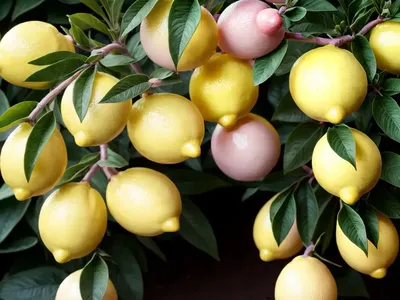
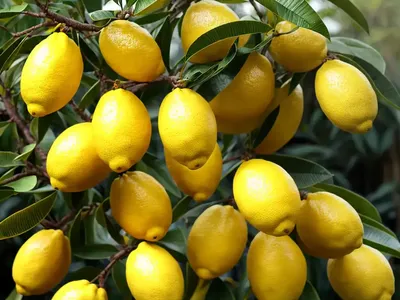
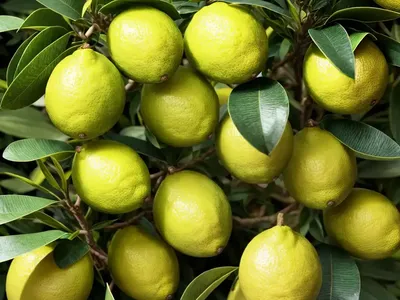
Dwarf Meyer Lemon Tree (Citrus Limon ‘improved Meyer’)
The Dwarf Meyer Lemon Tree (Citrus Limon ‘improved Meyer’) is an enchanting, must-have addition to any garden or home, offering a delectable blend of.
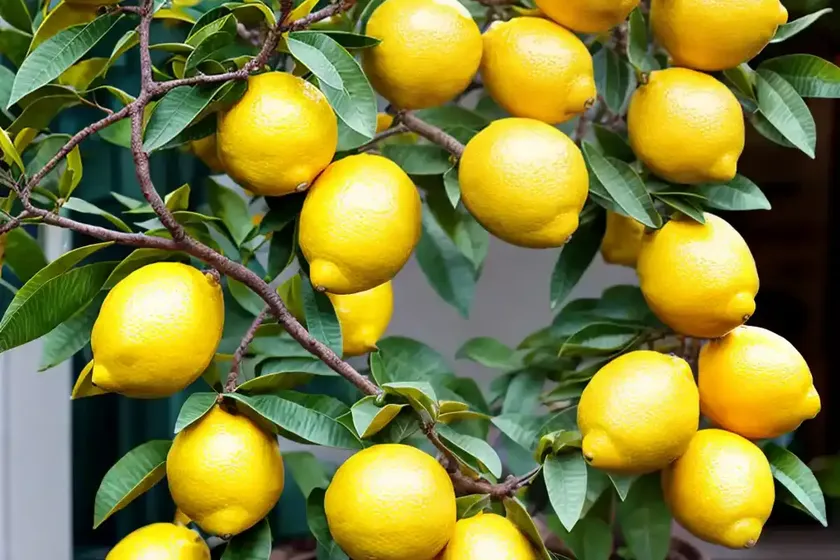
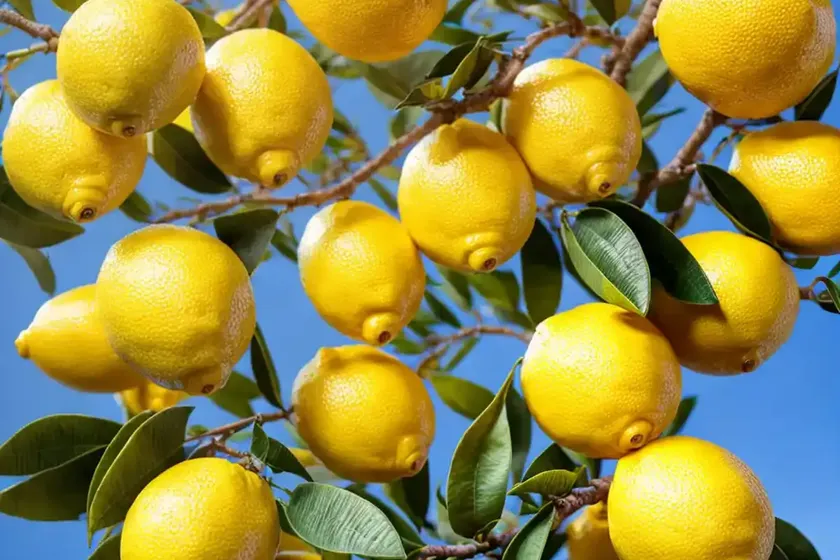
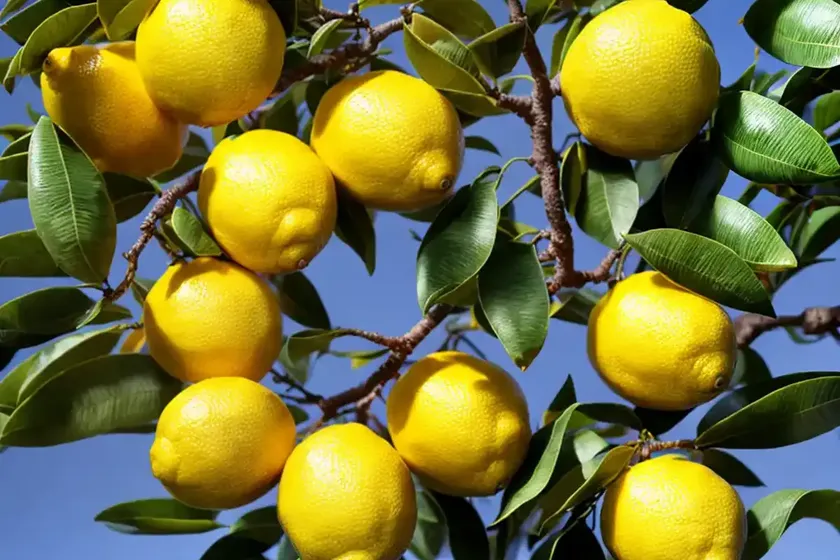
The Dwarf Meyer Lemon Tree (Citrus Limon ‘improved Meyer’) is an enchanting, must-have addition to any garden or home, offering a delectable blend of natural beauty and practicality. Notably, this tree presents an excellent solution for gardeners with limited space, as its compact size makes it ideal for container gardening. The Dwarf Meyer Lemon, known for its exquisite aroma and vibrant fruits, is a favorite among horticulturists and chefs alike. In this comprehensive guide, we will delve into the intricate details of nurturing and caring for the Dwarf Meyer Lemon Tree, exploring its cultural requirements and the numerous benefits it offers to both amateur and seasoned gardeners.
What is a Dwarf Meyer Lemon Tree?
The Dwarf Meyer Lemon Tree, scientifically known as Citrus Limon ‘improved Meyer’, is a fascinating variety of lemon tree renowned for its petite structure and fragrant blossoms. This tree is a cultivar of the common Citrus Limon and is cherished for its adaptability to small spaces, making it a prized possession for urban gardeners, as well as those cultivating plants indoors. The Improved Meyer variety is a hybrid between a mandarin orange and a lemon, contributing to its unique taste and characteristics.
The distinct characteristics of the Dwarf Meyer Lemon make it an excellent choice for gardeners seeking a citrus tree that not only yields luscious fruits but also serves as an ornamental fixture, adorning the indoors or outdoor spaces with its evergreen foliage and delicate blossoms. Whether destined for a patio, balcony, or a sunny spot in the living room, the Dwarf Meyer Lemon embodies versatility and charm, making it a delightful addition to any setting.
Key Takeaways – Dwarf Meyer Lemon Tree (Citrus Limon ‘improved Meyer’)
Before delving into the intricate care and maintenance of the Dwarf Meyer Lemon Tree, let’s take a moment to highlight the key takeaways associated with this captivating citrus variety:
- The Dwarf Meyer Lemon Tree is a compact and adaptable variety of lemon, suitable for both outdoor and indoor cultivation.
- This variety is notable for its aromatic blossoms and beautifully hued fruits, which are a harmonious blend of sweet and tart flavors.
- The petite structure of the Dwarf Meyer Lemon makes it an excellent choice for container gardening, catering to individuals with limited space.
- Cultivating a Dwarf Meyer Lemon Tree presents an opportunity to relish the joy of growing fresh, organically grown lemons, offering an abundant supply for culinary endeavors.
Now, let’s delve into the intricate details of nurturing and caring for the Dwarf Meyer Lemon Tree, ensuring that it thrives and yields an abundance of delectable fruits.
Culture
The cultivation of the Dwarf Meyer Lemon Tree encompasses several key aspects, including watering, sunlight exposure, fertilization, soil requirements, and pruning. Understanding these cultural elements is vital in ensuring the health and prosperity of the tree, ultimately leading to a bountiful yield of vibrant lemons and fragrant blossoms.
Uses
The Dwarf Meyer Lemon Tree offers a multitude of uses, catering to both culinary and aesthetic purposes. Some of its primary uses include:
- Culinary Delights: The lemons from the Dwarf Meyer Lemon Tree are highly prized for their exceptional flavor, harmonizing the perfect balance of sweetness and tartness. They are extensively used in a myriad of culinary creations, including beverages, desserts, marinades, and savory dishes.
- Aromatic Elegance: The fragrant blossoms of the Dwarf Meyer Lemon Tree contribute to its ornamental appeal, infusing the surroundings with a delightful citrus aroma. These blossoms are often utilized in floral arrangements and potpourri, adding a touch of natural elegance to any setting.
- Medicinal and Wellness Purposes: The zest and juice of the Dwarf Meyer Lemon hold substantial value in traditional and holistic medicine, known for their rich vitamin C content and distinct health benefits.
- Decorative Elements: The evergreen foliage, vibrant fruits, and delicate blossoms make the Dwarf Meyer Lemon Tree a prized ornamental asset, whether displayed indoors or in a garden setting.
Understanding the diverse uses of the Dwarf Meyer Lemon Tree underscores its versatility and allure, establishing it as a captivating addition to any environment.
Water
Effective management of water is crucial for the optimal growth and development of the Dwarf Meyer Lemon Tree. Adequate hydration delineates the fine line between flourishing and languishing, emphasizing the significance of a well-structured watering regimen.
Key Watering Considerations:
- Frequency: The Dwarf Meyer Lemon Tree requires consistent, yet moderated watering, ensuring that the soil remains evenly moist, without becoming waterlogged. Aim for a watering schedule that maintains soil moisture without allowing excessive dryness or saturation.
- Seasonal Adjustments: In the warmer months, especially during the tree’s active growth phase, it is crucial to increase the frequency of watering, enabling the tree to endure the heightened evaporation rates. Conversely, during the winter, when the tree experiences dormancy, a reduced watering schedule is necessary to prevent waterlogging.
- Avoidance of Water Stress: Vigilance against prolonged drought periods or excessive moisture is vital, as the Dwarf Meyer Lemon is sensitive to water stress, which can result in stunted growth and diminished fruit production.
By adhering to a well-calibrated watering regimen, gardeners can ensure that the Dwarf Meyer Lemon Tree flourishes, attaining its full potential in both foliage and fruit production.
Sunlight
Appropriate sunlight exposure is pivotal to the prosperity of the Dwarf Meyer Lemon Tree, influencing its vigor, fruitfulness, and overall health. As a citrus variety, the Meyer Lemon exhibits a fervent demand for sunlight, necessitating a strategically positioned location that provides ample natural light.
Sunlight Requirements:
- Full Sun: The Dwarf Meyer Lemon thrives when basked in the splendor of full sunlight, warranting a location that receives no less than 6-8 hours of direct sunlight daily. Availing the tree with abundant sunlight is integral to stimulating robust growth and the formation of the delectable fruits it is celebrated for.
- Protection from Intense Heat: While the Dwarf Meyer Lemon Tree relishes the warmth and radiance of the sun, it is also essential to shield it from extreme heat, particularly in regions with scorching summers. Providing partial shade during the peak of the day can mitigate the risk of sunburn and leaf scorch, ensuring the tree’s well-being.
Cognizance of the sunlight requirements of the Dwarf Meyer Lemon is pivotal, dictating the site selection and ensuring an environment conducive to the tree’s vitality.
Fertilizer
Nourishing the Dwarf Meyer Lemon Tree with a balanced and fortifying fertilizer regimen is instrumental in facilitating healthy foliage and an abundant yield of fruits. The proper application of fertilizer augments the tree’s vigor, providing essential nutrients to fuel its growth.
Fertilizer Guidelines:
- Nitrogen-rich Fertilizer: The Dwarf Meyer Lemon benefits from a nitrogen-rich fertilizer, particularly during its active growth phase in the spring and summer. Nitrogen aids in foliage development and imparts a vibrant green hue to the leaves, signifying robust nutrition.
- Phosphorus and Potassium: The inclusion of phosphorus and potassium in the fertilizer formulation is pivotal in bolstering the Dwarf Meyer Lemon’s capacity to produce bountiful fruits, enhancing the quality and quantity of the harvest.
- Frequency of Application: Aim to fertilize the Dwarf Meyer Lemon Tree every 4-6 weeks during the growing season, reducing the frequency to once every 2-3 months throughout the winter months to coincide with reduced metabolic activity.
By enacting a well-calibrated fertilization regimen, gardeners can fortify the Dwarf Meyer Lemon Tree, promoting a resilient and fruitful specimen that thrives in both form and function.
Soil
The soil composition and structure play a pivotal role in nurturing the Dwarf Meyer Lemon Tree, serving as the foundation upon which its roots establish and derive sustenance. Optimal soil conditions are imperative to sustain the tree’s well-being and foster vigorous growth.
Key Soil Parameters:
- Well-Draining Medium: The Dwarf Meyer Lemon necessitates a well-draining soil medium, effectively routing excess moisture away from the roots to prevent waterlogging. A blend of loamy, sandy soil is ideal, offering aeration and drainage to support healthy root development.
- Acidic pH: The Dwarf Meyer Lemon Tree thrives in slightly acidic soil, with a pH range between 5.5 and 6.5, effectively optimizing nutrient uptake and fostering an environment conducive to robust growth and fruit production.
- Organic Enrichment: Incorporating organic matter, such as compost and well-decomposed manure, augments the fertility and structure of the soil, ensuring a bountiful supply of essential nutrients for the Dwarf Meyer Lemon to thrive.
By securing a well-tailored soil composition that aligns with the preferences of the Dwarf Meyer Lemon, gardeners lay the groundwork for a flourishing and productive tree.
Pruning
Pruning serves as a vital component of tending to the Dwarf Meyer Lemon Tree, empowering gardeners to shape its form, stimulate growth, and maintain an optimal structure conducive to fruit production.
Pruning Considerations:
- Deadwood Removal: Regular removal of dead or diseased branches is imperative, safeguarding the Dwarf Meyer Lemon Tree from potential ailments and encouraging the allocation of resources to healthy, productive branches.
- Thinning and Shaping: Thinning the canopy and shaping the tree ensures adequate air circulation and sunlight penetration, optimizing fruit development and mitigating the risk of pest and disease proliferation.
- Size Management: Given the compact nature of the Dwarf Meyer Lemon, judicious pruning ensures that the tree remains proportionate and manageable, catering to the constraints of container gardening and confined spaces.
Adhering to prudent pruning practices empowers gardeners to cultivate a harmonious and robust Dwarf Meyer Lemon Tree, promoting its vitality and fruit-bearing capacity.
Propagation
The propagation of the Dwarf Meyer Lemon Tree presents an engaging avenue for gardeners to expand their collection of these delightful citrus varieties, allowing for the generation of new trees through well-defined methods.
Propagation Techniques:
- Seed Propagation: While the propagation of the Dwarf Meyer Lemon through seeds is feasible, it is worth noting that the resulting tree may not preserve the desired traits of the parent plant, including its dwarfing characteristics and fruit quality.
- Cutting Propagation: Utilizing semi-hardwood cuttings presents a reliable method for propagating the Dwarf Meyer Lemon, enabling the generation of genetic clones that inherit the traits of the parent plant.
Embarking on the propagation of the Dwarf Meyer Lemon Tree empowers enthusiasts to expand their collection and perpetuate the legacy of this captivating citrus variety.
Container Popularity
The compact nature of the Dwarf Meyer Lemon Tree yields remarkable appeal for enthusiasts and avid gardeners who seek to cultivate citrus trees within the confines of containers. Container cultivation affords numerous advantages, accommodating the preferences of urban gardeners and individuals with limited outdoor space.
Advantages of Container Cultivation:
- Space Efficiency: Container gardening permits the cultivation of the Dwarf Meyer Lemon in confined spaces, such as balconies, patios, and rooftop gardens, extending its appeal to urban dwellers and individuals with limited outdoor areas.
- Portability: The pragmatic aspect of container gardening enables the mobility of the Dwarf Meyer Lemon Tree, allowing gardeners to relocate it as per seasonal requirements or aesthetic arrangements.
- Optimized Growth: With attentive care and favorable conditions, container-cultivated Dwarf Meyer Lemon Trees flourish, yielding an abundant supply of fruits while imparting ornamental allure.
Container cultivation amplifies the allure and accessibility of the Dwarf Meyer Lemon Tree, facilitating its integration into diverse settings and environments.
Common Diseases
The Dwarf Meyer Lemon Tree, while resilient to numerous afflictions, is susceptible to certain diseases that warrant vigilance and proactive management to safeguard its well-being.
Common Diseases:
- Citrus Canker (Xanthomonas citri): This bacterial infection targets the leaves, fruit, and twigs of the Dwarf Meyer Lemon, leading to the formation of characteristic lesions and blemishes. Implementing prompt and surgical measures, including the removal and destruction of affected plant parts, is crucial in curbing the spread of this detrimental disease.
- Citrus Root Rot: The infiltration of pathogens such as Phytophthora and Pythium undermines the root system of the Dwarf Meyer Lemon, compromising its capacity to absorb water and nutrients. Maintaining well-draining soil and practicing judicious watering are pivotal in mitigating the risk of root rot.
- Greasy Spot: This fungal affliction manifests as oily, yellowish lesions on the leaves of the Dwarf Meyer Lemon, hampering photosynthesis and impeding the tree’s vitality. Diligent sanitation and the application of appropriate fungicidal treatments are imperative in managing this disease.
Vigilance against these and other potential diseases enables gardeners to fortify the resilience of the Dwarf Meyer Lemon Tree, ensuring its longevity and fruitfulness.
Disease Diagnosis
Effectively diagnosing diseases afflicting the Dwarf Meyer Lemon Tree is instrumental in implementing targeted remedial measures, addressing the root cause of the ailment and restoring the tree to health.
Diagnostic Strategies:
- Visual Assessment: Meticulous observation of the foliage, fruits, and overall appearance of the Dwarf Meyer Lemon is pivotal in identifying aberrations and anomalies that indicate a potential disease.
- Symptomatic Analysis: Understanding the characteristic symptoms exhibited by common citrus afflictions, such as cankers, leaf spots, or fruit blemishes, aids in pinpointing the nature of the disease and formulating a tailored response.
By honing the skills of disease diagnosis, gardeners empower themselves to proactively manage the health of the Dwarf Meyer Lemon Tree, mitigating the risk of disease proliferation and pivotal loss.
Common Pests
The allure of the Dwarf Meyer Lemon Tree is sometimes threatened by invasive pests that seek to exploit its succulent fruits and tender foliage, necessitating vigilant monitoring and proactive measures to safeguard the tree’s well-being.
Noteworthy Pests:
- Citrus Psyllid (Diaphorina citri): This pernicious insect targets the tender shoots and leaves of the Dwarf Meyer Lemon, jeopardizing the tree’s growth and vitality. Implementing biological controls and insecticidal treatments is crucial in curtailing the impact of the Citrus Psyllid.
- Citrus Leaf Miner (Phyllocnistis citrella): The insidious activity of the citrus leaf miner compromises the structure and function of the leaves of the Dwarf Meyer Lemon, imparting a stippled appearance that detracts from the tree’s vigor. Employing preventive measures and targeted insecticidal treatments is instrumental in mitigating the impact of this relentless pest.
Fostering familiarity with these and other potential pests enables gardeners to enact proactive measures, fortifying the resistance of the Dwarf Meyer Lemon Tree against external threats.
Botanist’s Tips
Embarking on the journey of cultivating the Dwarf Meyer Lemon Tree benefits from the wisdom and insights of seasoned botanists, who impart practical counsel and nuanced perspectives to elevate the gardening experience.
Expert Tips:
- Prudent Pruning: Exercise judicious pruning practices to maintain the compact and proportionate structure of the Dwarf Meyer Lemon Tree, fostering an environment conducive to fruit production and aesthetic appeal.
- Pollination Assistance: Given the potential constraints of indoor or container cultivation, providing manual assistance to pollinate the blossoms of the Dwarf Meyer Lemon augments the yield of fruits.
- Regular Monitoring: Regularly monitor the foliage, fruits, and overall health of the Dwarf Meyer Lemon, remaining vigilant against potential pests, diseases, or deficiencies that may compromise its well-being.
Incorporating the insights of experienced botanists enhances the proficiency and enjoyment of cultivating the Dwarf Meyer Lemon, ensuring the realization of its full potential.
Fun Facts
The Dwarf Meyer Lemon Tree is rich with fascinating attributes and trivia, encapsulating its charismatic appeal and horticultural significance.
Enlightening Tidbits:
- The Dwarf Meyer Lemon derives its name from Frank N. Meyer, an intrepid explorer and plant collector who introduced this captivating citrus variety to the United States in the early 20th century.
- Despite its diminutive size, the Dwarf Meyer Lemon yields a bountiful supply of fruits, evoking the essence of a full-sized lemon tree within a compact and manageable form.
- The aroma of the blossoms of the Dwarf Meyer Lemon extends beyond mere olfactory delight, serving to deter pests and attract beneficial pollinators, contributing to the tree’s ecological functionality.
Understanding the captivating and distinctive facets of the Dwarf Meyer Lemon fosters an enriched appreciation for this alluring citrus variety.
Links to External Resources
For further exploration and insights into the Dwarf Meyer Lemon Tree and its cultivation, the following external resources offer valuable information and guidance:
- University of Florida IFAS Extension: Growing Citrus in the Home Landscape
- University of California Agriculture and Natural Resources: Citrus for the Home Garden
- Texas A&M AgriLife Extension: Citrus Gardening
- The American Phytopathological Society: Citrus Diseases
These resources offer in-depth perspectives and practical counsel pertaining to the cultivation and care of the Dwarf Meyer Lemon Tree, fostering a comprehensive understanding of its nuances and requirements.
In conclusion, the Dwarf Meyer Lemon Tree stands as an enchanting and multifaceted addition to the repertoire of gardeners and horticultural enthusiasts, offering not only delectable fruits but also ornamental allure and ecological significance. Nurturing and tending to the Dwarf Meyer Lemon encapsulates a journey of profound satisfaction and bountiful fruitfulness, enriching the landscape with its vibrant foliage, fragrant blossoms, and luscious fruits. As gardening enthusiasts embark on the cultivation of the Dwarf Meyer Lemon Tree, guided by the insights and considerations delineated in this comprehensive guide, they pave the way for a gratifying and awe-inspiring experience, uniting the horticultural realm with the bounties of nature.
The allure of the Dwarf Meyer Lemon Tree is not confined to the delectable fruits it yields, but extends to its innate charm and captivating traits, inviting enthusiasts to behold its splendor and relish the rewards of nurturing this splendid citrus variety.