Black Rose (Aeonium Arboreum Zwartkop’s’)
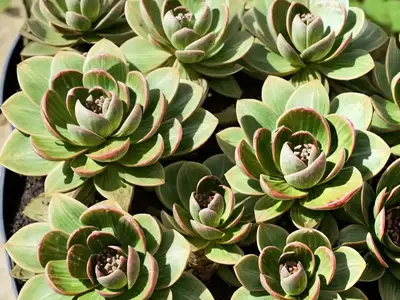
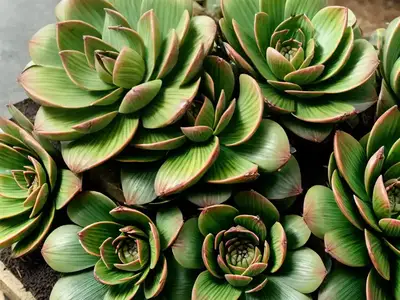
The Black Rose, scientifically known as Aeonium Arboreum Zwartkop’s, is a visually stunning succulent plant admired for its dark, deep purple, or almost.
What is Black Rose (Aeonium Arboreum Zwartkop’s)?
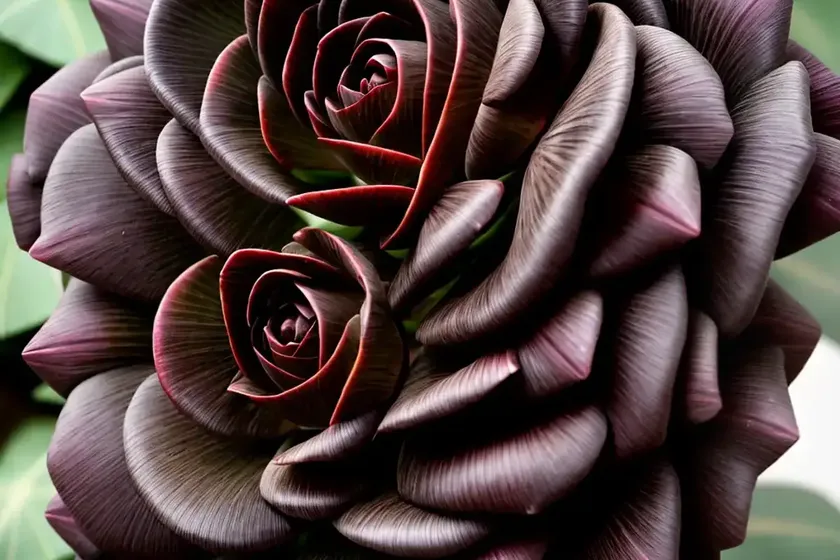
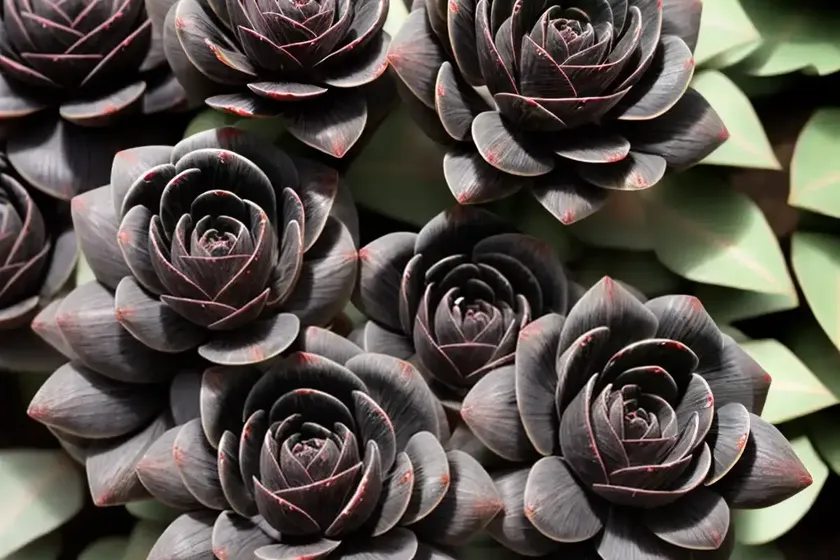
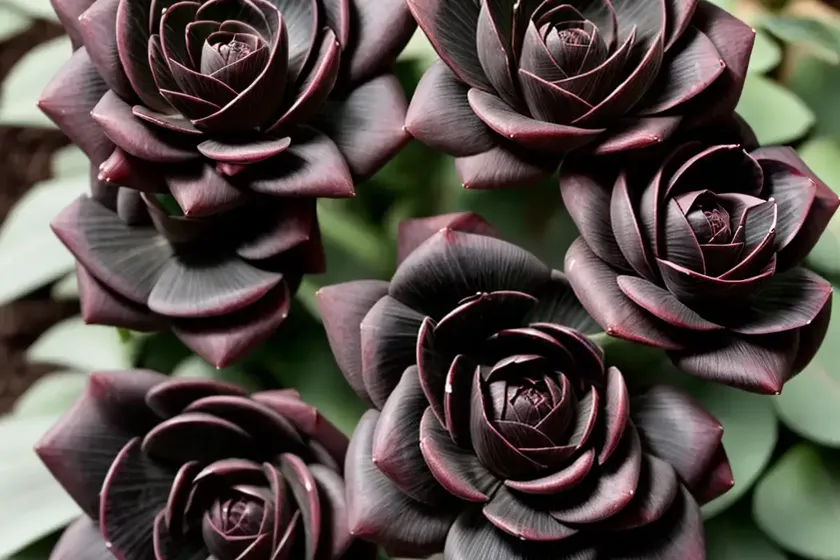
The Black Rose, scientifically known as Aeonium Arboreum Zwartkop’s, is a visually stunning succulent plant admired for its dark, deep purple, or almost black foliage. This captivating plant belongs to the Crassulaceae family and is native to the Canary Islands. The unique coloration and rosette form of its leaves have earned it the common name “Black Rose.”
Key Takeaways – Black Rose (Aeonium Arboreum Zwartkop’s)
Here are some key takeaways about this intriguing succulent:
- Black Rose plant care: It requires well-draining soil, adequate sunlight, and minimal water.
- Characteristics: Dark purple to black rosettes, striking visual appeal.
- Varieties: Different cultivars with varying leaf sizes and growth habits.
- Propagation: Easily propagated through offsets or seeds.
- Sunlight requirements: Thrives in full sunlight to partial shade.
- Soil requirements: Needs well-draining, sandy soil to prevent root rot.
- Pests and diseases: Susceptible to mealybugs, aphids, and root rot if overwatered.
- Container gardening: Well-suited for containers and indoor environments.
- Winter protection: Requires shelter from frost and cold temperatures.
Culture
The Black Rose plant has become highly sought-after for its remarkable appearance and ease of care. As a plant scientist, let’s delve into the intricacies of nurturing and celebrating this botanical wonder.
Uses
The Black Rose, apart from being an exquisite addition to gardens and xeriscapes, holds various uses:
- Ornamental: Its striking appearance makes it a popular choice for ornamental gardens and special landscape designs.
- Indoor decoration: Well-suited for indoor spaces like offices and homes, particularly in containers.
- Xeriscaping: Ideal for water-wise landscaping due to its low water requirement.
- Aesthetics: Creates a captivating contrast when mixed with other succulents in rock gardens and desert-themed landscapes.
Water
One of the primary keys to successfully caring for a Black Rose is understanding its water needs. Being a succulent, it has evolved to thrive in arid conditions with limited water availability. Overwatering can be detrimental to its health, leading to root rot and other issues.
Watering Tips:
- Moderation is Essential: Allow the soil to dry out between waterings, particularly during the dormant winter period.
- Avoid Waterlogging: Ensure proper drainage in pots and containers to prevent water accumulation at the roots.
- Adjust According to Seasons: Reduce watering frequency during winter and increase it slightly during the growing season.
Sunlight
Adequate sunlight is crucial for the Black Rose to maintain its vibrant coloration and healthy growth. Understanding its sunlight requirements is fundamental in fostering its beauty and resilience.
Sunlight Requirements:
- Optimal Sun Exposure: Position the plant where it receives bright, indirect sunlight or partial shade.
- Protection from Intense Heat: In regions with scorching summers, providing afternoon shade can prevent leaf scorch.
- Indoor Placement: Place it near a bright window to ensure it receives sufficient light if grown indoors.
Fertilizer
Fertilizing the Black Rose plant should be approached with a light touch, as excessive nutrients can have adverse effects. Choosing the right fertilizer and applying it sparingly can aid in its overall health and vigor.
Fertilization Tips:
- Use a Balanced Fertilizer: Select a balanced, water-soluble fertilizer with a diluted concentration to avoid overwhelming the plant.
- Feeding Frequency: Apply fertilizer sparingly during the growing season, roughly once a month.
- Avoid Feeding in Winter: Refrain from fertilizing during the plant’s dormant phase in winter.
Soil
The choice of soil directly impacts the Black Rose’s root health and growth. This succulent thrives in well-draining soil that mimics its natural habitat, preventing waterlogging and root suffocation.
Soil Requirements:
- Sandy, Well-Draining Mix: Utilize a cactus or succulent potting mix or modify standard potting soil with sand and perlite.
- Enhanced Drainage: Incorporate materials like pumice or small pebbles to improve aeration and drainage.
- Avoid Organic-rich Soil: Minimize organic matter in the soil blend to prevent water retention.
Pruning
Pruning the Black Rose primarily involves removing dead or damaged leaves and spent flower stalks. Regular maintenance ensures tidiness and promotes air circulation, preventing potential disease issues.
Pruning Tips:
- Sterilize Tools: Use clean, sharp pruning shears to prevent the spread of diseases.
- Remove Dried Leaves: Trim off dried or wilted leaves close to the stem to maintain the plant’s aesthetic appeal.
- Prune Spent Flowers: Trim away old flower stalks to channel the plant’s energy into new growth.
Propagation
Propagating the Black Rose offers an opportunity to expand your collection or share its beauty with others. This succulent readily produces offsets, making it relatively effortless to propagate.
Propagation Methods:
- Offsets: Gently remove the offsets or “chicks” that emerge around the base of the parent plant and replant them in suitable soil.
- Leaf Cuttings: Produce new plants by rooting individual leaves, allowing them to callus before planting in a well-draining medium.
- Seeds: Although slower, propagation from seeds is also plausible, yielding a diverse array of plants.
Container Popularity
The Black Rose thrives in containers, making it a favored choice for gardening enthusiasts with limited outdoor space or those desiring a portable garden element.
Container Gardening Tips:
- Adequate Drainage: Ensure containers have drainage holes to prevent water accumulation, especially in regions with heavy rainfall.
- Well-Draining Soil Mix: Utilize a specialized succulent or cactus mix to promote optimal root health in containers.
- Balcony and Patio Decor: Enhance outdoor living spaces with the striking beauty of the Black Rose in decorative pots and containers.
Common Diseases
While the Black Rose is generally low-maintenance, it can be susceptible to certain diseases if its cultural requirements are not met. Understanding these potential ailments aids in prompt diagnosis and treatment.
Disease Diagnosis:
- Root Rot: Caused by overwatering or waterlogged soil, resulting in wilting, yellowing leaves, and eventual collapse of the plant.
- Powdery Mildew: Presents as white, powdery patches on leaves, often caused by poor air circulation and high humidity.
- Sooty Mold: Black, soot-like fungal growth on leaves, typically associated with insect infestations like aphids or scale.
Common Pests
Pest infestations can pose a threat to the Black Rose’s health and appearance, requiring vigilant monitoring and intervention to maintain its vitality.
Common Pests:
- Mealybugs: White, cottony pests that cluster on leaf joints and undersides, sapping the plant’s sap and causing wilting.
- Aphids: Small, soft-bodied insects that congregate on tender new growth, leaving behind honeydew residue and compromising plant vigor.
- Scale Insects: Appear as raised, waxy bumps on stems and leaves, draining the plant’s juices and leading to weakened growth.
Botanist’s Tips
As a plant scientist, here are some insightful tips for successfully cultivating the Black Rose:
- Observation is Key: Pay close attention to the plant’s responses to environmental conditions and adjust care accordingly.
- Minimal Watering: Err on the side of underwatering rather than overwatering to prevent root issues.
- Adequate Airflow: Ensure proper ventilation and airflow to mitigate the risk of fungal diseases.
- Protect from Frost: Shield the plant from freezing temperatures and provide winter protection in colder climates.
- Share the Wonder: Introduce others to the allure of the Black Rose through propagation and thoughtful gifting.
Fun Facts
Let’s delve into some fascinating tidbits about the intriguing Black Rose plant:
- Mythical Symbolism: In various cultures, the black rose has been associated with mystery, intrigue, and the unknown, often regarded as a symbol of enchantment.
- Color Intensity: The coloration of the Black Rose leaves intensifies in response to ample sunlight and stress, resulting in richer, darker hues.
- Drought Adaptation: Its succulent nature allows it to withstand periods of drought, making it an ideal candidate for water-wise gardens.
- Architectural Form: The rosette structure of the Black Rose offers a visually striking and architectural presence, particularly in modern landscape designs.
Links to External Resources
For further exploration and comprehensive information on the Black Rose (Aeonium Arboreum Zwartkop’s) and its care, refer to the following resources:
- The Royal Horticultural Society: Aeoniums – Offers detailed guidance on various Aeonium species, including care tips and propagation methods.
- Succulents and Sunshine: Black Rose Care Guide – Provides a specific care guide for the Black Rose, outlining its requirements and potential issues.
- University of Florida IFAS Extension: Aeonium Arboreum – Provides an extensive publication on Aeonium Arboreum, covering its cultivation, characteristics, and common pests.
- World of Succulents: Aeonium Arboreum ‘Zwartkop’ – Showcases the captivating beauty of Aeonium Arboreum ‘Zwartkop’ and offers insights into its growth habits and visual appeal.
In conclusion, the Black Rose (Aeonium Arboreum Zwartkop’s) captivates with its velvety, dark foliage and resilient nature, making it a cherished addition to both indoor and outdoor spaces. Understanding its cultural needs and embracing its unique charm enriches the experience of cultivating and admiring this captivating succulent.
As gardeners and enthusiasts, let’s celebrate the allure of the Black Rose and share its enchanting beauty with others, fostering a deeper appreciation for the botanical marvels that grace our surroundings.
Happy gardening!