Aeonium Tabuliforme (Flat-Topped Aeonium)
1. What is Aeonium tabuliforme? Aeonium tabuliforme, commonly known as the Flat-Topped Aeonium, is a striking succulent plant native to the Canary Islands..
1. What is Aeonium tabuliforme?
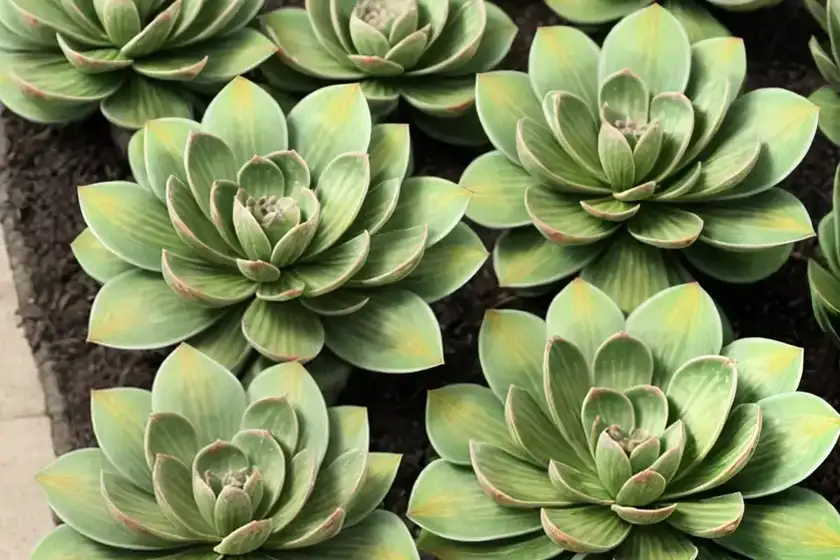
Aeonium tabuliforme, commonly known as the Flat-Topped Aeonium, is a striking succulent plant native to the Canary Islands. It is renowned for its unique rosette structure and low-growing, compact nature, making it an ideal addition to rock gardens, succulent collections, and container displays.
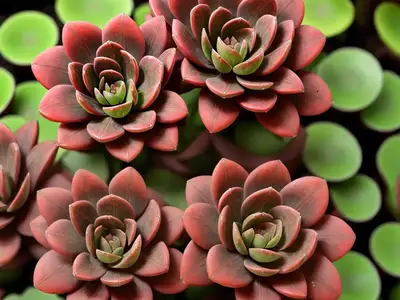
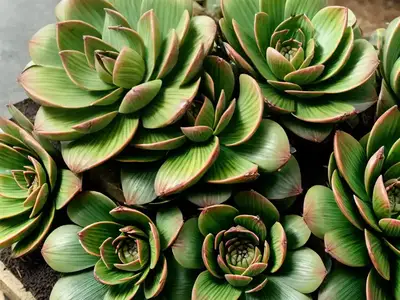
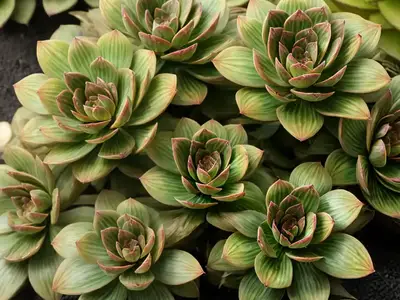
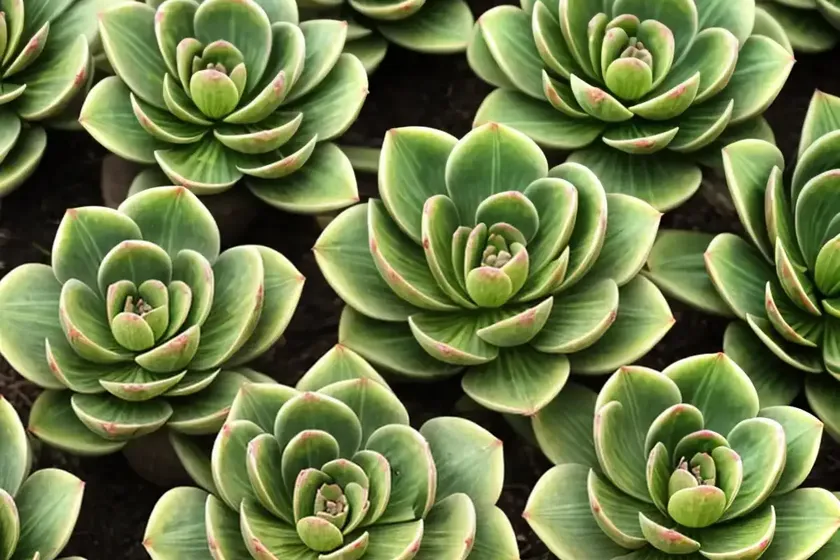
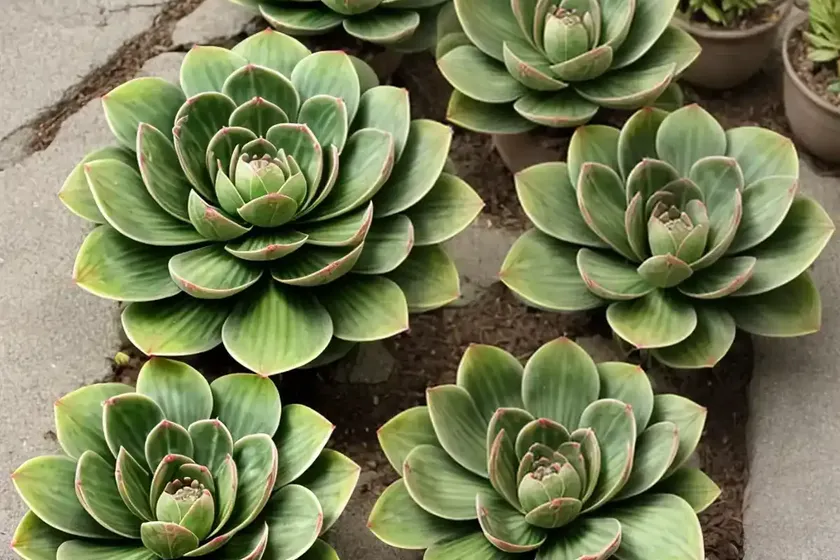
Aeonium tabuliforme is a member of the Crassulaceae family and is characterized by its stunning, flattened, saucer-shaped rosettes. The plant’s rosettes, which can reach up to 6 inches in diameter, are a vibrant green with a hint of red at the edges. As with many succulents, the Flat-Topped Aeonium is valued for its low maintenance requirements and ability to thrive in arid conditions.
In this comprehensive guide, we will delve into the various aspects of Flat-Topped Aeonium care, from its cultural needs to propagation methods, and everything in between. Whether you’re a seasoned succulent enthusiast or a novice gardener, this guide will equip you with the knowledge and skills to cultivate thriving Aeonium tabuliforme specimens.
2. Key Takeaways – Aeonium tabuliforme (Flat-Topped Aeonium)
Before diving into the specifics of Aeonium tabuliforme care, let’s outline the key takeaways for quick reference:
- Plant Name: Aeonium tabuliforme (Flat-Topped Aeonium)
- Common Name: Flat-Topped Aeonium
- Family: Crassulaceae
- Native to: Canary Islands
- Growth Habits: Low-growing, flattened rosettes
- Ideal Uses: Rock gardens, succulent collections, container gardening
- Distinct Features: Saucer-shaped rosettes with red-tinged edges
With these key points in mind, let’s explore the essential care requirements for cultivating healthy and vibrant Aeonium tabuliforme specimens.
3. Culture
Water
- Aeonium tabuliforme, like many succulents, is adapted to thrive in arid conditions and therefore has minimal water requirements.
- Key Considerations:
- Frequency: Water the plant sparingly, allowing the soil to dry out between waterings. Aim to provide water every 10-14 days during the growing season and reduce frequency during the winter months.
- Watering Method: When watering, ensure that excess water drains freely from the pot to prevent waterlogging, which can lead to root rot.
Sunlight
- Adequate sunlight is essential for the healthy growth of Aeonium tabuliforme.
- Key Considerations:
- Light Exposure: Position the plant in a location that receives full to partial sunlight. In warmer climates, partial shade during the hottest part of the day can prevent sun damage to the leaves.
- Indoor Care: If grown indoors, place the Flat-Topped Aeonium near a sunny window or under grow lights to ensure it receives sufficient light.
Soil
- Well-draining soil is critical for the health and vitality of Aeonium tabuliforme.
- Ideal Soil Mix: Use a well-draining succulent or cactus mix with added perlite or coarse sand to enhance drainage and aeration.
4. Fertilizer
- While Aeonium tabuliforme is not heavy feeder, providing a balanced fertilizer during the growing season can support healthy growth and vibrant foliage.
- Fertilization Schedule: Apply a diluted, balanced, liquid fertilizer once a month during the growing season, typically from spring to early fall.
5. Pruning
- Aeonium tabuliforme generally requires minimal pruning, but occasional maintenance can help shape the plant and remove any dead or damaged foliage.
- Pruning Techniques:
- Use clean, sharp pruners to trim away any discolored or withered leaves. Additionally, removing leggy growth can encourage a more compact and aesthetically pleasing form.
6. Propagation
- Propagating Aeonium tabuliforme is relatively straightforward and can be achieved through several methods, including offsets and leaf cuttings.
- Propagation Processes:
- Offsets: Remove offsets, or “pups,” that emerge from the base of the mother plant and transplant them into a well-draining potting mix.
- Leaf Cuttings: Take healthy leaves from the plant, allow the cut ends to callus, and then place them on top of a suitable potting mix to encourage root development.
7. Container Popularity
Aeonium tabuliforme is a popular choice for container gardening due to its low-growing, compact nature and striking rosette structure. When grown in containers, the Flat-Topped Aeonium can be showcased individually or included in succulent arrangements, adding a captivating focal point to outdoor and indoor spaces.
8. Common Diseases
Disease Diagnosis
- While Aeonium tabuliforme is relatively resistant to diseases, it can be susceptible to root rot if overwatered. Symptoms of root rot include wilting, yellowing leaves, and a foul odor emanating from the soil.
9. Common Pests
- The Flat-Topped Aeonium may attract common succulent pests, such as spider mites, mealybugs, and aphids.
- Pest Management:
- Regularly inspect the plant for signs of pests, including webbing, white fluffy spots, or visible insects.
- Treat infestations promptly with appropriate measures, such as neem oil or insecticidal soaps, following the product’s instructions.
10. Botanist’s Tips
Aeonium tabuliforme Care Guidelines
- Ensure well-draining soil to prevent waterlogged conditions and reduce the risk of root rot.
- Provide ample sunlight for vibrant foliage coloring and robust growth.
- Monitor watering practices to prevent overwatering, especially during the dormant winter period.
11. Fun Facts
- The Flat-Topped Aeonium belongs to a diverse genus, Aeonium, which comprises over 35 species, ranging from small rosettes to large, tree-like forms.
- Aeonium tabuliforme is an ideal choice for xeriscaping projects, as it thrives in low-water environments.
Links to External Resources
For further information on Aeonium tabuliforme care and cultivation, consider exploring the following resources:
- Aeonium tabuliforme: A Comprehensive Guide – Royal Horticultural Society
- Succulent Plant Propagation – University of California Agriculture & Natural Resources
- Crassulaceae – Missouri Botanical Garden
In conclusion, Aeonium tabuliforme, with its distinctive rosette structure and adaptability, is a captivating addition to succulent gardens, landscapes, and container displays. By following the outlined care guidelines and leveraging the available resources, you can cultivate thriving Flat-Topped Aeonium specimens and appreciate the beauty of this exceptional succulent.
Remember to tailor the care practices according to your specific growing conditions and monitor the plant’s response, ensuring a rewarding and fulfilling experience as you nurture these remarkable succulents.
As a plant scientist, I am passionate about sharing knowledge and fostering a deeper understanding of plant care and cultivation. If you have any questions or insights related to Aeonium tabuliforme or succulent gardening in general, please feel free to engage in the discussion and expand our collective knowledge.
Happy gardening!
References:
– Royal Horticultural Society. (n.d.). Aeonium tabuliforme: A Comprehensive Guide. https://www.rhs.org.uk/advice/profile?PID=1128
– University of California Agriculture & Natural Resources. (n.d.). Succulent Plant Propagation. https://ucanr.edu/sites/succulents/Propogation/
– Missouri Botanical Garden. (n.d.). Crassulaceae. http://www.missouribotanicalgarden.org/PlantFinder/PlantFinderDetails.aspx?taxonid=277701&isprofile=0&