Yellow Sheep-sorrel (Oxalis Stricta)
Yellow sheep-sorrel, scientifically known as Oxalis stricta, is a fascinating plant with a plethora of cultural uses, culinary significance, and medicinal.
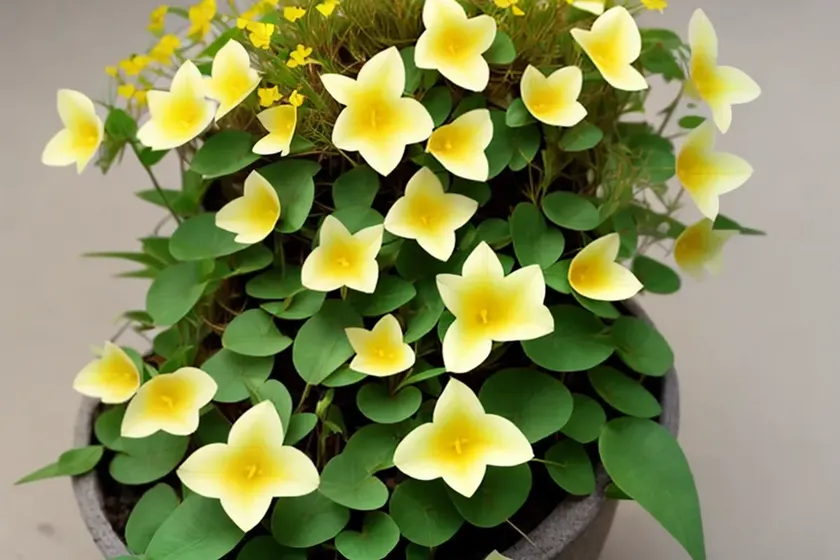
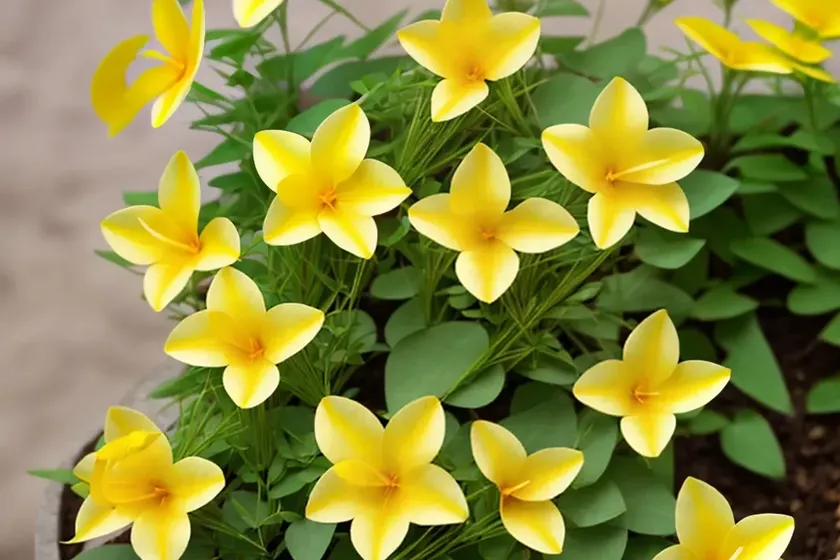
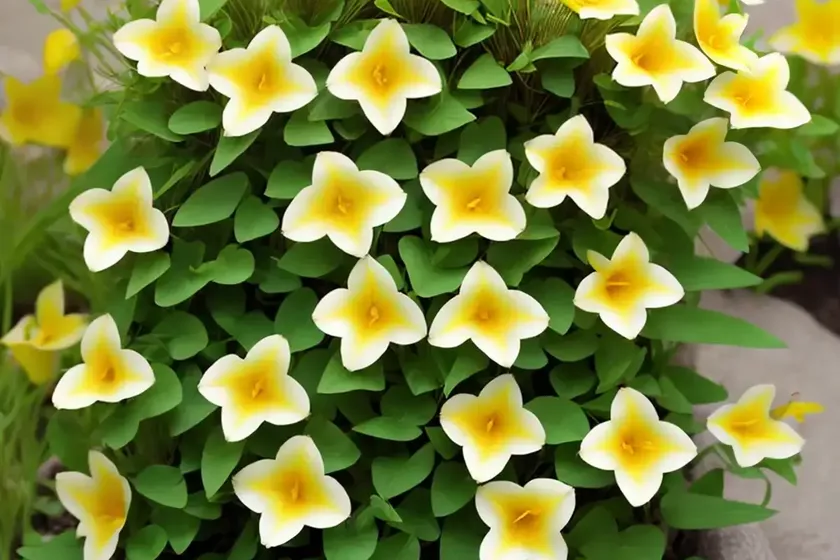
Yellow sheep-sorrel, scientifically known as Oxalis stricta, is a fascinating plant with a plethora of cultural uses, culinary significance, and medicinal properties. This diminutive herbaceous plant is known for its vibrant yellow flowers and clover-like leaves. While it is often considered a weed, it has many valuable traits that make it desirable in certain gardening and landscaping scenarios.
In this extensive guide, we will delve into the various aspects of Yellow Sheep-sorrel, including its cultural significance, traditional uses, care requirements, propagation methods, common diseases and pests, as well as interesting botanical facts. Whether you are a seasoned gardener, a lover of herbal remedies, or simply intrigued by the natural world, this guide aims to provide you with a comprehensive understanding of this remarkable plant.
Let’s explore all there is to know about the Yellow Sheep-sorrel!
What is Yellow Sheep-sorrel (Oxalis Stricta)?
Yellow Sheep-sorrel, also referred to as Yellow Wood Sorrel, is a member of the Oxalidaceae family. This herbaceous perennial is known for its distinctive trifoliate leaves and cheerful yellow flowers. Its botanical name “Oxalis stricta” derives from the sour taste of its leaves, which is characteristic of plants in the Oxalis genus.
Key Takeaways – Yellow Sheep-sorrel (Oxalis Stricta)
Before we dive deeper into the various aspects of Yellow Sheep-sorrel, let’s outline some key takeaways:
- Yellow weed sorrel: Yellow Sheep-sorrel is often considered a weed due to its prolific growth habit and ability to spread rapidly in various habitats.
- Impressive yellow flowers: The bright yellow blooms of Oxalis stricta add a cheerful touch to the landscape.
- Cultural significance: This plant has been traditionally used for culinary, medicinal, and ornamental purposes.
- Nutritional value: Yellow Sheep-sorrel possesses nutritional benefits and is a source of essential vitamins and minerals.
- Adaptability: It can thrive in diverse environmental conditions, making it suitable for various gardening and landscaping applications.
Now, let’s explore the intricate details of Yellow Sheep-sorrel, covering its cultural uses, growth requirements, and much more.
Culture
Understanding the cultural significance of Yellow Sheep-sorrel sheds light on its historical uses and contemporary applications. This section will delve into its traditional uses, nutritional value, and its role in various cultures.
Uses
Yellow Sheep-sorrel has been utilized in diverse ways across different cultures throughout history. Its traditional uses encompass culinary, medicinal, and ornamental purposes.
Culinary Uses
In culinary practices, the leaves and flowers of Yellow Sheep-sorrel are known for their tangy flavor. They can be used fresh in salads, added to soups for a citrusy note, or employed as a garnish to enhance the visual appeal of dishes. The tartness of the leaves adds a unique dimension to culinary creations and has been appreciated in various cuisines around the world.
Additionally, Yellow Sheep-sorrel can be used in the preparation of herbal teas, imparting a refreshing and slightly sour taste to the brew. The leaves can also be incorporated into sauces and dressings, infusing them with a delightful citrus kick.
Medicinal Uses
In traditional medicine, Yellow Sheep-sorrel has been esteemed for its medicinal properties. The plant contains various compounds, including vitamins, flavonoids, and organic acids, which contribute to its potential health benefits. Its leaves have been used to alleviate symptoms of certain ailments and are believed to possess antioxidant and anti-inflammatory properties.
The consumption of Yellow Sheep-sorrel has been associated with detoxification and digestive health due to its high oxalic acid content. However, it is crucial to exercise moderation in consumption, as excessive intake may lead to adverse effects.
Ornamental Uses
Despite being classified as a weed in some regions, the vibrant yellow flowers and delicate foliage of Yellow Sheep-sorrel make it an appealing ornamental plant. Its resilience and ability to thrive in various conditions make it a valuable addition to naturalistic landscapes and cottage gardens.
Water
Water is essential for the growth and development of Yellow Sheep-sorrel. Adequate moisture levels are pivotal, particularly during the plant’s active growth phases and flowering periods. However, this plant is adaptable and can tolerate occasional dry spells, making it suitable for regions with varying precipitation patterns.
Sunlight
Yellow Sheep-sorrel exhibits a preference for partial shade to full sun. It thrives in locations with dappled sunlight and can also tolerate direct sun exposure, especially in cooler climates. Adequate sunlight is crucial for promoting flower production and maintaining the plant’s overall vigor.
Fertilizer
While Yellow Sheep-sorrel can thrive in nutrient-poor soils, a balanced fertilizer application can support its growth and blooming potential. An organic, slow-release fertilizer with balanced N-P-K (nitrogen, phosphorus, potassium) ratios can be applied in early spring to provide the plant with essential nutrients for the growing season.
Soil
Yellow Sheep-sorrel demonstrates a broad soil adaptability, growing well in various soil types, including loamy, sandy, and clay soils. It prefers well-draining soil with a slightly acidic to neutral pH. Amending the soil with organic matter can enhance its fertility and improve moisture retention, benefiting the plant’s overall health.
Pruning
Pruning requirements for Yellow Sheep-sorrel are minimal. Deadheading spent blooms can promote continuous flowering and prevent the plant from self-seeding excessively. Additionally, removing any damaged or unsightly foliage can improve the plant’s aesthetic appeal.
Propagation
Yellow Sheep-sorrel can be propagated through several methods, including seed sowing, division, and stem cuttings. Each approach offers unique benefits and can be utilized to propagate the plant in diverse settings.
Seed Sowing
Propagation from seeds is a straightforward method that allows for the rapid expansion of Yellow Sheep-sorrel. The plant produces small, capsule-like fruits that contain numerous seeds. These seeds can be collected and sown in prepared soil during the appropriate planting time. Regular watering and favorable environmental conditions can support the germination and establishment of the seedlings.
Division
Dividing established clumps of Yellow Sheep-sorrel is an efficient means of propagation, especially for mature plants that have developed dense root systems. The plant can be carefully dug up, and the root clumps can be divided into smaller sections. These divisions can then be replanted in suitable locations, where they will establish and grow into new plants.
Stem Cuttings
Propagation from stem cuttings can be successful with the use of healthy, non-flowering stems. These stems can be cut into sections and planted in a suitable growing medium. Proper care, including consistent moisture levels and indirect light, can facilitate the development of roots, leading to the establishment of new plants.
Container Popularity
The compact growth habit and ornamental appeal of Yellow Sheep-sorrel make it well-suited for container gardening. Its ability to thrive in confined spaces enables gardeners to enjoy its beauty and culinary potential on patios, balconies, and other urban settings.
When cultivating Yellow Sheep-sorrel in containers, it is important to select well-draining potting mix and containers with adequate drainage holes. Regular watering is crucial, as container-grown plants tend to dry out more quickly than those in garden beds. Additionally, providing sufficient sunlight and occasional fertilization can support the plant’s vitality and promote vigorous growth.
Common Diseases
Yellow Sheep-sorrel, while generally resilient, may be susceptible to certain diseases and infections. Understanding these potential threats can enable proactive measures to maintain the plant’s health and vigor.
Disease Diagnosis
Several diseases can affect Yellow Sheep-sorrel, including fungal infections, powdery mildew, and rust. Regular inspection of the plant for unusual discoloration, deformation, or wilting can aid in early disease detection. Once symptoms are observed, appropriate measures such as fungicidal treatments or cultural adjustments can be implemented to mitigate the spread of the disease.
Common Pests
Pests can pose a threat to the well-being of Yellow Sheep-sorrel, necessitating diligent monitoring and appropriate intervention to safeguard the plant.
Botanist’s Tips
The resilience and adaptability of Yellow Sheep-sorrel make it a valuable botanical subject for observation and study. Botanists and plant enthusiasts can gain insights into its ecological interactions, growth patterns, and adaptations by observing this captivating plant in various habitats.
Fun Facts
- The leaves of Yellow Sheep-sorrel are edible and have a characteristic sour taste due to the presence of oxalic acid.
- The plant’s ability to fold its leaves in response to light changes has intrigued scientists and observers for centuries.
- Yellow Sheep-sorrel has been associated with various folk beliefs and medicinal practices across different cultures.
Links to External Resources
For additional information and resources on Yellow Sheep-sorrel, the following external links are recommended:
- The Royal Horticultural Society – Oxalis Stricta
- Missouri Botanical Garden – Oxalis Stricta
- United States Department of Agriculture – Oxalis Stricta Fact Sheet
In conclusion, Yellow Sheep-sorrel, or Oxalis stricta, encompasses a rich tapestry of cultural significance, ecological adaptability, and horticultural value. Its bright yellow flowers, edible leaves, and historical uses contribute to its appeal as a plant of multifaceted importance. By incorporating the insights and tips shared in this comprehensive guide, individuals can enhance their understanding of Yellow Sheep-sorrel and explore its diverse applications in gardening, landscaping, and traditional practices.
Whether you are captivated by its cheerful blooms, intrigued by its culinary potential, or drawn to its ecological roles, Yellow Sheep-sorrel stands as a testament to nature’s resilience and the captivating allure of plant life.
Disclaimer: The information provided in this blog post is for educational and informational purposes only. It is crucial to verify the suitability and safety of any plant’s uses, especially in culinary and medicinal contexts, before consumption or application. Always consult reliable sources and experts for accurate guidance.


