Aeonium ‘Cyclops’)
Introduction to Aeonium ‘Cyclops’ Aeonium ‘Cyclops’ is a captivating succulent plant with unique traits that make it an appealing addition to any indoor or.
Introduction to Aeonium ‘Cyclops’
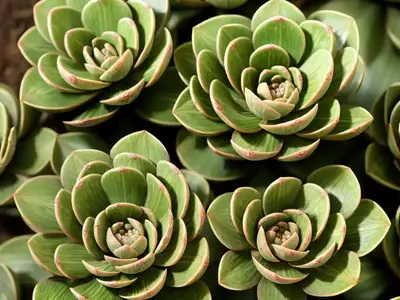
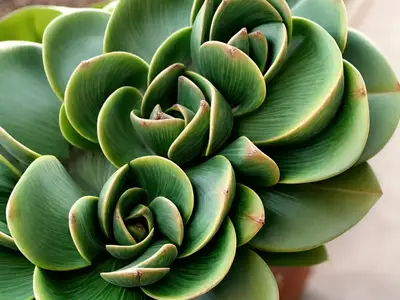
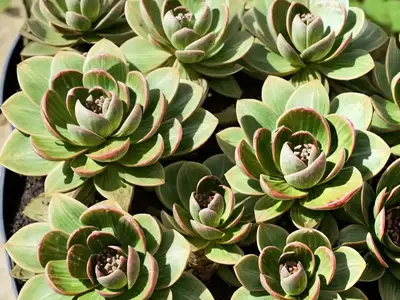
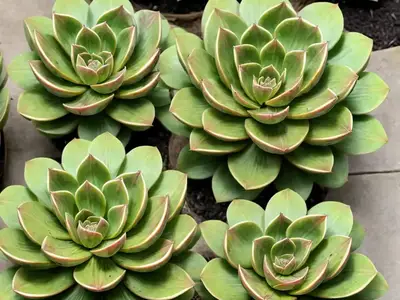
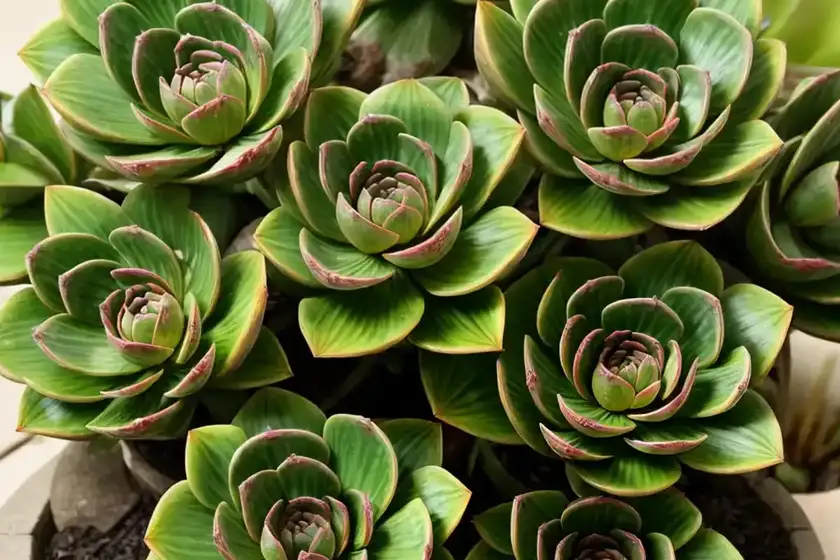
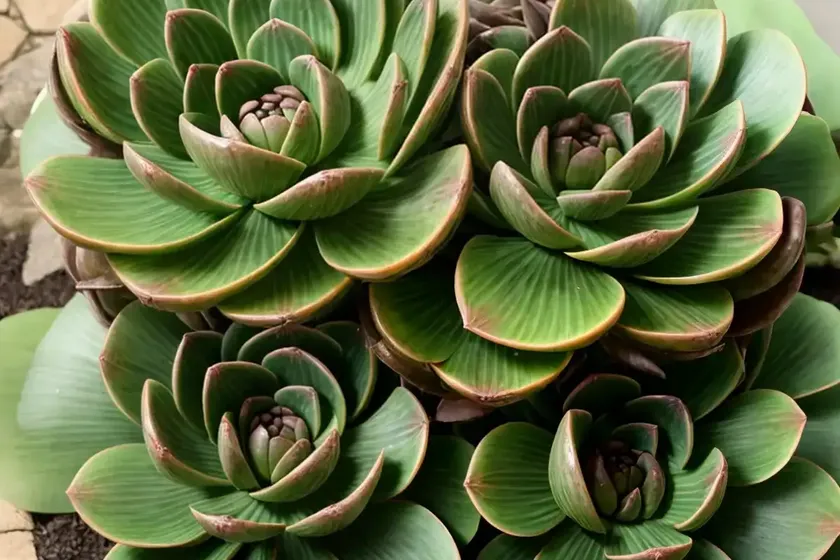
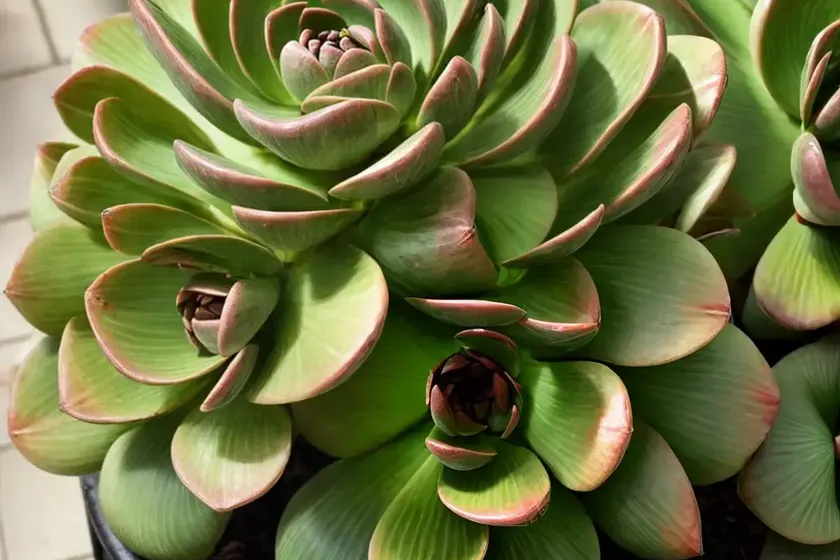
Aeonium ‘Cyclops’ is a captivating succulent plant with unique traits that make it an appealing addition to any indoor or outdoor garden. This species is renowned for its striking appearance, featuring rosettes of deep green leaves with a delicate red edging. Its dynamic growth habit and low maintenance requirements have made it a favorite among gardening enthusiasts.
This article aims to provide a comprehensive guide to the care and cultivation of Aeonium ‘Cyclops’, covering various aspects such as cultural preferences, maintenance practices, common issues, and propagation methods. By delving into the intricacies of caring for this intriguing succulent, you can ensure the optimal growth and vibrancy of your Aeonium ‘Cyclops’ plants.
Key Takeaways
Before delving into the specifics of Aeonium ‘Cyclops’ care, let’s summarize the key takeaways associated with this unique succulent:
- Aeonium ‘Cyclops’ boasts stunning rosettes of dark green leaves adorned with striking red edges, making it a visually appealing addition to gardens and indoor spaces.
- Cultivating Aeonium ‘Cyclops’ requires attention to its water, sunlight, soil, and temperature preferences to promote healthy growth and vibrant foliage.
- This succulent thrives in well-draining soil and prefers moderate watering, ensuring that the roots are not left in standing water.
- Aeonium ‘Cyclops’ is suitable for both indoor and outdoor settings, provided it receives adequate sunlight and protection from extreme temperatures.
- Regular pruning and maintenance are essential to manage the growth and overall appearance of Aeonium ‘Cyclops’, fostering a compact and tidy structure.
- Propagation of Aeonium ‘Cyclops’ can be achieved through various methods such as stem cuttings and offsets, offering opportunities to expand your succulent collection.
By incorporating these key takeaways into your approach to Aeonium ‘Cyclops’ care, you can embark on a rewarding journey of nurturing and showcasing this captivating succulent plant.
Plant Overview
Description and Taxonomy
Aeonium ‘Cyclops’ belongs to the genus Aeonium, which encompasses a diverse array of succulent plants characterized by their rosette-forming growth habit. This particular cultivar, ‘Cyclops’, stands out for its distinct appearance and resilience, making it a sought-after choice for both novice and experienced gardeners.
Morphological Features
The Aeonium ‘Cyclops’ plant exhibits several noteworthy features, contributing to its appeal and ornamental value:
- Rosette Formation: The plant forms symmetrical rosettes of dark green leaves, typically arranged in a circular pattern.
- Leaf Coloration: The leaves are predominantly green, with a notable red or maroon edging that adds a striking contrast and visual allure.
- Stem Structure: Aeonium ‘Cyclops’ often presents a robust stem, offering stability and support for the leafy rosettes.
- Overall Size: The plant can achieve a moderate size, with each rosette spanning several inches in diameter, contributing to its visual impact.
Understanding the morphological characteristics of Aeonium ‘Cyclops’ serves as a foundational step in tailoring an effective care regimen to support its growth and vitality.
Cultivation and Care
When embarking on the journey of caring for Aeonium ‘Cyclops’, it’s essential to consider various factors that influence its overall well-being. From water and sunlight requirements to soil preferences and pruning techniques, every aspect plays a crucial role in nurturing healthy and vibrant plants.
Water
Proper watering is integral to the health and longevity of Aeonium ‘Cyclops’, as succulents are particularly sensitive to overwatering and waterlogged conditions. By understanding the optimal watering practices, you can prevent potential issues such as root rot and ensure the vigor of your succulent.
Watering Guidelines
- Frequency: Aeonium ‘Cyclops’ generally requires infrequent watering, especially during its dormant period in winter. Water your plants when the soil has completely dried out, typically every 7-10 days in the growing season and sparingly in winter.
- Soil Moisture: Before watering, check the moisture level of the soil by inserting your finger into the top layer. Water only when the soil feels dry to the touch, ensuring that excess water drains away freely.
- Avoid Overwatering: Refrain from overwatering, as standing water around the roots can lead to root rot and other complications. Drain excess water from the saucer or container to prevent water accumulation.
By adhering to these watering guidelines, you can maintain the optimal moisture levels for Aeonium ‘Cyclops’, promoting healthy growth and preventing potential water-related issues.
Sunlight
As a sun-loving succulent, Aeonium ‘Cyclops’ thrives when provided with abundant sunlight, allowing it to exhibit its vibrant leaf coloration and robust growth. Understanding its sunlight requirements is crucial for creating an environment conducive to its well-being.
Sunlight Preferences
- Direct Sun Exposure: Aeonium ‘Cyclops’ benefits from direct sunlight, ideally receiving at least 6 hours of sunlight per day. Place your plants in a location where they can access ample sunlight, such as a south-facing window or outdoor garden with full sun exposure.
- Protection from Intense Heat: While Aeonium ‘Cyclops’ enjoys sunlight, it’s important to shield the plants from excessive heat, especially during the peak of summer. Provide some shade or partial shelter during intense midday sun to prevent leaf scorching and dehydration.
- Indoor Considerations: For indoor cultivation, position your Aeonium ‘Cyclops’ plants near bright, sunny windows to maximize their exposure to natural light. Consider rotating the plants periodically to ensure uniform sunlight distribution.
By accommodating the sunlight preferences of Aeonium ‘Cyclops’, you can cultivate robust and aesthetically pleasing plants that showcase their vibrant foliage to full effect.
Fertilizer
Supplemental fertilization can markedly enhance the growth and vibrancy of Aeonium ‘Cyclops’, providing essential nutrients that support its overall health and visual appeal. Adopting a balanced approach to fertilization ensures that the plants receive the necessary nourishment without being overwhelmed by excessive nutrients.
Fertilization Guidelines
- Fertilizer Type: Select a well-balanced, water-soluble fertilizer formulated for succulents or cacti, with a nutrient profile such as 10-10-10 or 7-7-7. Avoid using high-nitrogen fertilizers, which can promote excessive vegetative growth at the expense of floral and rosette development.
- Application Frequency: Apply fertilizer sparingly during the growing season, typically from spring to early fall. Limit the frequency to approximately once a month or every 6-8 weeks, avoiding excessive or frequent applications.
- Dilution and Caution: Dilute the fertilizer to half or quarter strength to prevent potential fertilizer burn or nutrient imbalances. Follow the manufacturer’s instructions diligently and err on the side of caution to avoid over-fertilization.
By incorporating a balanced and mindful approach to fertilization, you can provide Aeonium ‘Cyclops’ with the essential nutrients necessary for robust growth and vivid leaf coloration.
Soil
The choice of soil plays a critical role in providing a conducive growing medium for Aeonium ‘Cyclops’, with an emphasis on good drainage and aeration to protect the roots from waterlogged conditions. Tailoring the soil composition to the plant’s preferences is paramount for fostering healthy and resilient succulents.
Soil Requirements
- Well-Draining Mix: Utilize a well-draining potting mix specifically formulated for succulents and cacti, ensuring that it provides excellent drainage and aeration for the roots. Commercial succulent mixes or homemade blends incorporating coarse sand and perlite are suitable options.
- Aeration and Structure: The soil should possess good aeration and a loose, well-structured texture to facilitate root development and prevent compaction. Avoid heavy, moisture-retentive soils that can lead to stagnant water and root issues.
- Container Considerations: When planting Aeonium ‘Cyclops’ in containers, ensure that the pots feature drainage holes to allow excess water to escape freely. Opt for a slightly larger container to accommodate the succulent’s root system and promote stability.
Selecting and preparing a suitable soil mix tailored to the preferences of Aeonium ‘Cyclops’ sets the stage for optimal growth and resilience in various growing environments.
Pruning and Maintenance
Regular pruning and maintenance practices are integral to managing the growth and appearance of Aeonium ‘Cyclops’, particularly in controlling its size, promoting branching, and removing any damaged or withered foliage. By incorporating prudent pruning techniques, you can uphold the aesthetic appeal and structural integrity of your succulent plants.
Pruning Guidelines
- Selective Trimming: Use sharp, clean scissors or pruning shears to selectively trim any spent or damaged leaves, ensuring that the cuts are made close to the base of the rosette without damaging the stem or surrounding foliage.
- Encouraging Branching: To promote branching and a compact growth habit, consider pinching or snipping the tips of stems, prompting the development of lateral shoots and a denser overall structure.
- Sanitization Practices: Prioritize the sanitization of your pruning tools by wiping them with a disinfectant or rubbing alcohol between uses to prevent the spread of pathogens and potential infections.
By incorporating these pruning guidelines, you can optimize the visual appeal and overall health of Aeonium ‘Cyclops’, fostering tidy and vigorous succulent specimens.
Propagation
Expanding your collection of Aeonium ‘Cyclops’ can be achieved through various propagation methods, offering opportunities to nurture new plants and share the beauty of this captivating succulent with fellow gardening enthusiasts. Familiarizing yourself with propagation techniques enables you to propagate and cultivate additional plants from existing specimens.
Propagation Methods
- Stem Cuttings: Select a healthy stem segment and cut it with a clean, sharp blade. Allow the cut ends to callus for a few days, then plant the cuttings in a well-draining propagation mix and maintain slight moisture until roots develop.
- Offsets: Aeonium ‘Cyclops’ occasionally produces offsets or “pups” around the base of the mother plant. Carefully separate these offsets and plant them in suitable soil, providing gentle moisture to support their establishment.
- Leaf Cuttings: Consider using individual leaves for propagation by carefully detaching them from the plant and laying them on a propagation mix. New plantlets can emerge from the base of the leaf, eventually developing into independent plants.
By exploring these propagation methods, you can broaden your succulent collection and propagate Aeonium ‘Cyclops’ plants with confidence and proficiency.
Container Cultivation
Aeonium ‘Cyclops’ is well-suited for container cultivation, offering flexibility in positioning and mobility while accentuating indoor and outdoor spaces with its distinctive visual appeal. Understanding the nuances of container gardening facilitates the successful cultivation of Aeonium ‘Cyclops’ in various settings.
Container Considerations
- Drainage Accommodation: Select containers with adequate drainage holes to facilitate the escape of excess water, preventing waterlogging and maintaining a healthy root environment.
- Container Size: Choose a container that accommodates the root system of the Aeonium ‘Cyclops’ plant with some room for growth, ensuring stability and ample space for the development of new leaves and rosettes.
- Substrate Selection: Utilize a well-draining potting mix specifically designed for succulents and cacti, offering optimal aeration and water permeability to support the plant’s growth and vitality.
By embracing container gardening and adopting suitable container considerations, you can create captivating displays of Aeonium ‘Cyclops’ plants while facilitating their well-being through tailored cultivation practices.
Popularity
Aeonium ‘Cyclops’ has garnered significant popularity among succulent enthusiasts and gardeners for its alluring visual attributes, low maintenance requirements, and versatility in various settings. Whether showcased as a focal point in a succulent arrangement or integrated into outdoor landscapes, its striking appearance and resilience make it a coveted selection for plant enthusiasts.
Its growing popularity is attributed to several key factors:
- Visual Appeal: The vibrant green foliage adorned with dramatic red edges creates a visually appealing accent, adding dynamism and elegance to gardens, patio settings, and indoor spaces.
- Low Maintenance: Aeonium ‘Cyclops’ requires minimal care, making it an accessible choice for individuals seeking captivating plants without demanding upkeep.
- Versatility: Its adaptability to container cultivation and various environmental conditions enables Aeonium ‘Cyclops’ to thrive in diverse settings, from potted arrangements to outdoor landscapes and xeriscapes.
Through its appeal and adaptability, Aeonium ‘Cyclops’ has captured the attention of plant enthusiasts seeking captivating succulents for their collections and garden designs.
Common Diseases and Issues
While Aeonium ‘Cyclops’ is generally resilient and robust, it is susceptible to certain diseases and issues that can impact its health and vitality. Recognizing and addressing common problems empowers you to safeguard your succulent plants and maintain their well-being.
Disease Diagnosis
- Root Rot: Overwatering and waterlogged conditions can lead to root rot, causing the roots to become mushy, discolored, and malodorous. Adjust the watering practices and consider repotting the affected plants in well-draining soil.
- Powdery Mildew: Aeonium ‘Cyclops’ may develop powdery mildew, manifested as a white, powdery coating on the leaves. Improve air circulation and consider applying fungicidal treatments to control the spread of the disease.
Vigilance and timely intervention are crucial in diagnosing and managing these and other potential diseases, preserving the vigor and visual appeal of Aeonium ‘Cyclops’.
Common Pests
Pest infestations pose a threat to the health and aesthetic integrity of Aeonium ‘Cyclops’, necessitating proactive measures to prevent and mitigate potential infestations. Understanding the common pests and their associated symptoms equips you to protect your succulents from detrimental pest activity.
Pest Identification
- Aphids: These small, sap-sucking insects may congregate on the new growth of Aeonium ‘Cyclops’, causing yellowing and distortion of the leaves. Employ insecticidal soap or neem oil to control aphid populations.
- Mealybugs: Mealybugs can infest the foliage and stems of Aeonium ‘Cyclops’, appearing as small, cottony masses. Remove them manually and consider applying horticultural oils as a preventative measure.
By identifying and addressing potential pest threats, you can uphold the health and visual allure of Aeonium ‘Cyclops’, safeguarding it against detrimental pest activity.
Botanist’s Tips
As an esteemed botanist, I’ve cultivated profound insights into the care and cultivation of Aeonium ‘Cyclops’, offering expert tips to enhance the vibrancy and resilience of this captivating succulent species:
-
Balanced Watering: Prioritize balanced watering practices to prevent overhydration and waterlogged conditions, ensuring that the soil dries out adequately between watering sessions to protect the plant’s root system.
-
Sunlight Optimization: Position Aeonium ‘Cyclops’ in locations that receive ample sunlight, taking care to shield the plants from excessive heat and sun damage during the peak of summer.
-
Pruning Precision: Embrace selective pruning to manage the growth and form of Aeonium ‘Cyclops’, fostering a tidy and compact structure while removing any withered or unsightly foliage.
-
Propagation Exploration: Experiment with various propagation methods to expand your Aeonium ‘Cyclops’ collection, fostering new plants from established specimens to enrich your succulent garden.
By incorporating these specialized tips into your care regimen, you can elevate the growth and vitality of Aeonium ‘Cyclops’ while nurturing a deeper understanding of its unique characteristics and preferences.
Fun Facts
Uncover fascinating and notable facts about Aeonium ‘Cyclops’, shedding light on its intriguing attributes and contributions to the realm of succulent cultivation:
-
Monocarpic Nature: Aeonium ‘Cyclops’, like many Aeonium species, is monocarpic, meaning that individual rosettes produce a single flush of flowers before declining. This captivating life cycle adds a sense of novelty and transience to the plant’s growth.
-
Hybrid Heritage: Aeonium ‘Cyclops’ is a hybrid cultivar, resulting from the interbreeding of different Aeonium species or varieties to yield distinctive and visually captivating traits, underscoring the allure of succulent hybrids in horticulture.
-
Drought Tolerance: Aeonium ‘Cyclops’ exhibits remarkable drought tolerance, capable of withstanding periods of minimal water availability while maintaining its verdant foliage and overall vigor, attesting to its adaptability in arid and water-scarce environments.
These fun and insightful facts provide captivating glimpses into the unique character and resilience of Aeonium ‘Cyclops’, enriching your appreciation for this charismatic succulent.
Links to External Resources
For further exploration and in-depth insights into the care and cultivation of Aeonium ‘Cyclops’, I recommend consulting the following external resources:
-
Royal Horticultural Society (RHS): Aeonium – Includes care and cultivation guidance
-
The Succulent Source – Succulent Care Sheets and Propagation Guides
-
Gardenia – Aeonium ‘Cyclops’ Plant Profile and Care Guidelines
These reputable resources offer valuable insights and expert guidance on Aeonium ‘Cyclops’, enriching your knowledge and empowering you to cultivate and care for these captivating succulents with confidence and proficiency.
In conclusion, Aeonium ‘Cyclops’ stands as a captivating and resilient succulent, captivating enthusiasts with its striking foliage and versatile growth habits. By delving into its care and cultivation nuances, you can nurture and showcase the vibrancy and visual allure of Aeonium ‘Cyclops’, cultivating a deeper appreciation for this distinctive succulent species.
This extensive guide aims to provide comprehensive insights into the care and cultivation of Aeonium ‘Cyclops’, encompassing various aspects from cultural preferences to propagation techniques and expert recommendations. Through the structured exploration of its care requirements and attributes, this article endeavors to equip enthusiasts with the knowledge and tools necessary to foster thriving and visually captivating Aeonium ‘Cyclops’ plants.