Wherry’s Foam Flower (Tiarella wherryi): A Complete Guide for Plant Enthusiasts

Wherry’s Foam Flower, scientifically known as Tiarella wherryi, is a mesmerizing and versatile plant species that captivates plant enthusiasts with its enchanting foliage and captivating floral displays. As a plant scientist, it’s incredibly fascinating to explore the various intricacies of this delightful species and its numerous cultural uses, propagation techniques, potential diseases, and much more.
In this comprehensive guide, we’ll delve into the world of Wherry’s Foam Flower, understanding its characteristics, optimal growing conditions, potential uses in landscaping and container gardening, and its significance in the broader ecosystem. Whether you’re an avid gardener, a landscaping enthusiast, or a nature aficionado, this guide aims to provide both novice and experienced plant enthusiasts with invaluable insights into the captivating world of Tiarella wherryi.
What is Wherry’s Foam Flower (Tiarella wherryi)?
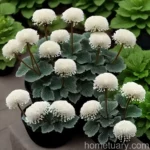
Wherry’s Foam Flower, or Tiarella wherryi, is an enchanting perennial plant species that belongs to the Saxifragaceae family. This species is native to the eastern United States and is often admired for its delicate, foam-like flower spikes and captivating foliage, making it a popular choice for shade gardens, woodland areas, and various landscape settings.
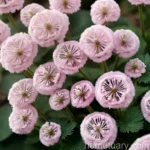
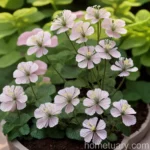
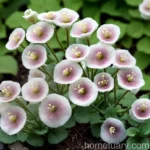
The vibrant foliage of Wherry’s Foam Flower often features striking patterns, with deeply lobed leaves that add texture and color to both natural and cultivated settings. The captivating flowers of Tiarella wherryi further enhance its visual appeal, adding an ethereal and delicate touch to its surroundings.
Key Takeaways – Tiarella wherryi (Wherry’s Foam Flower)
Before delving into the detailed aspects of Wherry’s Foam Flower, it’s essential to understand some key takeaways that encapsulate its significance and potential uses. Below are some core elements that will be explored in this comprehensive guide:
- Culture
- Uses
- Water
- Sunlight
- Fertilizer
- Soil
- Pruning
- Propagation
- Container Popularity
- Common Diseases
- Common Pests
- Botanist’s Tips
- Fun Facts
- Links to External Resources
Now, let’s embark on a captivating journey to understand the rich cultural significance, optimal growth conditions, and potential uses of Tiarella wherryi in various horticultural and ecological settings.
Culture of Tiarella wherryi
Understanding the cultural requirements of Wherry’s Foam Flower is essential for ensuring its optimal growth and flourishing in diverse settings. From soil preferences to watering needs, gaining insights into the ideal cultural conditions is pivotal for nurturing this captivating plant species.
Water
Tiarella wherryi Water Requirements:
– Wherry’s Foam Flower thrives in moist, well-drained soil, making it a valuable addition to woodland gardens and shaded landscapes.
– Maintaining consistent moisture levels is crucial for the healthy growth of Tiarella wherryi, especially during the initial establishment phase and periods of prolonged dryness.
Sunlight
Sunlight Preferences for Wherry’s Foam Flower:
– While Wherry’s Foam Flower generally prefers partial to full shade, it can tolerate moderate sunlight under optimal environmental conditions.
– When grown in full shade, the captivating foliage of Tiarella wherryi serves as an excellent addition to shaded areas, offering a refreshing contrast to other plant species.
Fertilizer
Fertilizing Tiarella wherryi:
– A balanced, organic fertilizer applied in early spring can provide the essential nutrients for robust growth and vibrant foliage in Wherry’s Foam Flower.
– It’s advisable to avoid excessive fertilization, as this can lead to potential issues and diminish the overall health of Tiarella wherryi.
Soil
Optimal Soil Conditions for Wherry’s Foam Flower:
– Tiarella wherryi thrives in humus-rich, well-drained soil that mimics its native woodland habitat.
– Adding organic matter to the planting site aids in maintaining favorable soil conditions for the healthy development of Wherry’s Foam Flower.
Uses of Tiarella wherryi
The multifaceted uses of Wherry’s Foam Flower extend beyond its aesthetic appeal, encompassing diverse applications in landscaping, ecological restoration, and even potential medicinal uses. Understanding the various roles of Tiarella wherryi enriches our appreciation for this captivating plant species.
Landscaping
Incorporating Wherry’s Foam Flower in Landscapes:
– Whether used as a ground cover or a focal point in shaded settings, Tiarella wherryi adds depth and texture to woodland gardens, shaded borders, and rock gardens.
– Its captivating foliage and delicate flower spikes make Wherry’s Foam Flower a versatile and alluring addition to various landscaping designs.
Medicinal Uses
Exploring Potential Medicinal Properties:
– Tiarella wherryi has been historically utilized in traditional medicine by indigenous communities, with its roots and foliage reportedly possessing certain medicinal properties.
– While further research is warranted to validate these claims, the potential therapeutic uses of Wherry’s Foam Flower add an intriguing dimension to its overall significance.
Wildlife Attraction
Wherry’s Foam Flower as a Wildlife Garden Plant:
– The captivating flowers of Tiarella wherryi attract pollinators such as bees and butterflies, contributing to the ecological diversity of garden and natural settings.
– Its role in supporting local wildlife populations further underscores the ecological importance of Wherry’s Foam Flower.
Pruning Tiarella wherryi
Pruning plays a crucial role in maintaining the health and aesthetic appeal of Tiarella wherryi, allowing for controlled growth and rejuvenation of the plant. Understanding the best practices for pruning is essential for nurturing Wherry’s Foam Flower in different settings.
Pruning Techniques for Wherry’s Foam Flower
Key Aspects of Pruning Tiarella wherryi:
– Deadheading: Removing spent flower spikes encourages prolonged bloom and enhances the visual appeal of Tiarella wherryi.
– Trimming Foliage: Trimming back discolored or damaged foliage promotes rejuvenation and maintains the vigor of Wherry’s Foam Flower.
Pruning Frequency
Recommended Pruning Frequency for Tiarella wherryi:
– Regular deadheading and periodic trimming can be conducted throughout the growing season to maintain the attractive appearance of Wherry’s Foam Flower.
– Trimming back excessive growth and spent flower spikes helps manage the overall size and visual impact of Tiarella wherryi.
Propagation of Tiarella wherryi
Propagation techniques enable plant enthusiasts to expand their collection of Wherry’s Foam Flower and contribute to the conservation of this captivating species. Exploring the methods of propagating Tiarella wherryi provides insights into sustainable cultivation and the perpetuation of its genetic diversity.
Propagation Methods for Wherry’s Foam Flower
Effective Approaches for Propagating Tiarella wherryi:
– Division: Dividing mature clumps of Tiarella wherryi in early spring is a reliable method for propagating this plant species, ensuring the establishment of new individuals.
– Seed Propagation: While seeds of Wherry’s Foam Flower can be collected and sown for propagation, this method may require more time and attention compared to division.
Optimal Propagation Conditions
Creating Favorable Conditions for Propagation:
– Providing adequate moisture and warmth during the propagation process supports the successful establishment of new Tiarella wherryi plants.
– Ensuring well-drained, nutrient-rich soil promotes healthy root development and overall vigor in propagated Wherry’s Foam Flower.
Container Gardening with Tiarella wherryi
The versatility of Wherry’s Foam Flower extends to container gardening, enabling plant enthusiasts to incorporate this captivating species in various urban and suburban settings. Understanding the optimal practices for container gardening with Tiarella wherryi is invaluable for cultivating thriving specimens in limited spaces.
Container Popularity
Significance of Tiarella wherryi in Container Gardening:
– The compact size and ornamental foliage of Wherry’s Foam Flower make it an appealing choice for container gardening on patios, balconies, and urban landscapes.
– Its adaptability to a container environment enables plant enthusiasts to enjoy the visual charm of Tiarella wherryi in diverse settings.
Container Requirements
Key Considerations for Container Gardening with Wherry’s Foam Flower:
– Selecting well-draining containers with sufficient depth is essential for accommodating the root system and supporting the healthy growth of Tiarella wherryi.
– Incorporating high-quality potting mix and providing consistent moisture levels are pivotal for nurturing thriving specimens of Wherry’s Foam Flower in containers.
Common Diseases of Tiarella wherryi
While Tiarella wherryi is generally resilient to diseases, certain environmental conditions and stressors can predispose it to potential issues. Identifying common diseases and understanding their diagnosis is essential for implementing effective management strategies and preserving the overall health of Wherry’s Foam Flower.
Disease Diagnosis
Recognizing and Addressing Common Diseases:
– Powdery Mildew: The presence of powdery, white residue on foliage indicates a potential powdery mildew infection, necessitating prompt intervention to prevent its spread and impact on Tiarella wherryi.
– Leaf Spot: Circular, dark lesions on foliage may signify the presence of fungal leaf spot, requiring proper sanitation and potentially fungicidal treatments to mitigate its effects on Wherry’s Foam Flower.
Disease Management
Implementing Effective Management Practices:
– Cultural Practices: Maintaining proper air circulation, avoiding overhead watering, and removing affected foliage supports the prevention and management of common diseases in Tiarella wherryi.
– Fungicidal Treatments: When warranted, judicious application of fungicidal treatments can help address specific diseases and safeguard the overall health of Wherry’s Foam Flower.
Common Pests Affecting Tiarella wherryi
Understanding the potential pests that can impact the health of Wherry’s Foam Flower is essential for implementing timely interventions and preserving the vitality of this captivating plant species. From pest identification to effective control measures, addressing common pests is integral for nurturing thriving specimens of Tiarella wherryi.
Common Pests
Identifying and Managing Common Pests of Tiarella wherryi:
– Aphids: These small, sap-feeding insects can infest the foliage of Wherry’s Foam Flower, potentially causing distortion and reduced vigor in affected plants.
– Leafhoppers: The presence of leafhoppers can result in stippled foliage and potential transmission of diseases, necessitating vigilant monitoring and targeted control measures for Tiarella wherryi.
Pest Control Strategies
Implementing Pest Control Measures:
– Natural Predators: Encouraging the presence of beneficial insects and natural predators can help mitigate pest populations and support the ecological balance in Wherry’s Foam Flower.
– Horticultural Oils: Applying horticultural oils or insecticidal soaps can effectively control certain pest populations while minimizing the impact on beneficial organisms and overall ecosystem health.
Botanist’s Tips for Growing Tiarella wherryi
Drawing on the expertise of seasoned botanists and horticulturists provides valuable insights into the nuanced aspects of cultivating Wherry’s Foam Flower. From planting tips to maintenance strategies, incorporating botanist’s tips enriches our understanding of the best practices for nurturing Tiarella wherryi.
Planting Tips for Wherry’s Foam Flower
Expert Recommendations for Planting Tiarella wherryi:
– Site Selection: Choosing shaded or partially shaded locations with moisture-retentive soil is conducive to the healthy establishment of Tiarella wherryi.
– Mulching: Applying organic mulch around the base of Wherry’s Foam Flower helps conserve soil moisture and suppress weed growth, enhancing the overall growing conditions.
Maintenance Guidelines
Effective Measures for Nurturing Tiarella wherryi:
– Regular Monitoring: Vigilant observation of foliage and flower spikes allows for early detection of potential issues, enabling timely intervention and maintenance of the health of Wherry’s Foam Flower.
– Seasonal Adjustments: Adapting cultural practices and care routines in response to seasonal changes supports the resilience and vitality of Tiarella wherryi across different climatic conditions.
Fun Facts about Tiarella wherryi
Exploring the captivating world of Tiarella wherryi unveils a myriad of fascinating and intriguing characteristics, enriching our appreciation for this enchanting plant species. From its ecological significance to historical nuances, uncovering fun facts adds depth to our understanding of Wherry’s Foam Flower.
Ecological Significance
Contributions of Tiarella wherryi to Ecosystems:
– Wherry’s Foam Flower plays a vital role in supporting pollinators and wildlife, contributing to the ecological diversity and balance of natural habitats.
– Its resilience and adaptability make Tiarella wherryi a valuable asset in ecological restoration and conservation efforts, promoting the sustainability of native plant populations.
Horticultural Diversity
Varieties and Cultivars of Wherry’s Foam Flower:
– The diverse array of Tiarella wherryi varieties and cultivars showcases an impressive spectrum of foliage patterns, flower colors, and growth habits, offering endless possibilities for horticultural creativity.
– Whether used in traditional landscapes or contemporary garden designs, the horticultural diversity of Wherry’s Foam Flower reflects its enduring appeal among plant enthusiasts.
Links to External Resources
Exploring reputable external resources provides valuable supplementary information, research insights, and practical guidance for plant enthusiasts seeking to deepen their knowledge of Tiarella wherryi. Below are links to external resources offering comprehensive perspectives on Wherry’s Foam Flower:
- The American Horticultural Society
- United States Department of Agriculture (USDA) Plants Database
- Royal Horticultural Society (RHS)
- North American Native Plant Society
- Botanical Society of America
Conclusion
The allure of Tiarella wherryi, or Wherry’s Foam Flower, extends far beyond its ornamental charm, encompassing a rich tapestry of cultural significance, ecological contributions, and diverse applications in horticulture. By delving into the encompassing world of this captivating plant species, plant enthusiasts can cultivate a deeper appreciation for its inherent beauty and potential uses in numerous settings.
From its enchanting foliage and delicate flower spikes to its ecological role as a wildlife habitat plant, Tiarella wherryi offers a multifaceted tapestry of possibilities for landscaping, container gardening, and ecological restoration. Whether seeking a versatile ground cover for shaded settings, a captivating addition to woodland gardens, or a potential component of wildlife-friendly landscapes, the allure of Wherry’s Foam Flower resonates with plant enthusiasts of all levels.
As a plant scientist, it’s both inspiring and rewarding to witness the enduring appeal of Tiarella wherryi and the myriad of ways in which it enriches horticultural landscapes and ecological habitats. By embracing the multifaceted dimensions of Wherry’s Foam Flower, plant enthusiasts can embark on a captivating journey into the enchanting world of Tiarella wherryi, fostering a deeper connection with nature and the extraordinary diversity of plant life.
References:
- “Tiarella wherryi (Wherry’s Foam Flower).” Gardening Know How, https://www.gardeningknowhow.com/…
- “Tiarella wherryi.” Missouri Botanical Garden, https://www.missouribotanicalgarden.org/…
- “Growing Foamflowers.” University of Vermont Extension, https://www.uvm.edu/…
- “North American Horticulture and the Environment.” North American Native Plant Society, https://nanps.org/…