Plant Scientist’s Guide to Foam Flower (Tiarella ‘Pink Skyrocket’)
The foam flower, scientifically known as Tiarella ‘Pink Skyrocket’, is a breathtaking perennial plant that is prized for its delicate and elegant appearance. In this comprehensive guide, we will explore the key aspects of the foam flower, including its culture, uses, maintenance, common pests and diseases, propagation methods, and much more. Whether you are a novice gardener or an experienced horticulturist, this guide aims to provide you with valuable insights into the beautiful world of Tiarella ‘Pink Skyrocket’.
What is Foam Flower (Tiarella ‘Pink Skyrocket’)?
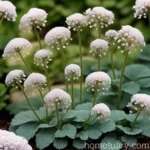
The foam flower, Tiarella ‘Pink Skyrocket’, is a charming perennial plant that belongs to the Saxifragaceae family. This plant is native to North America and is popular for its striking foliage and attractive bloom clusters. The common name “foam flower” is derived from the delicate, frothy appearance of the flower clusters, which resemble foam or sparkling stars. The ‘Pink Skyrocket’ variety is particularly known for its vibrant pink blooms and distinctive foliage, making it a sought-after choice for gardeners and landscapers.
Key Takeaways – Foam Flower (Tiarella ‘Pink Skyrocket’)
Before delving into the specifics of caring for the foam flower, let’s take a quick look at the key takeaways that we will be covering in this guide:
-
Foam Flower Plant Care
- Understanding the unique characteristics of the Tiarella ‘Pink Skyrocket’ variety
- Cultivation and landscaping ideas for foam flowers
- Seasonal care and maintenance tips
-
Cultural Requirements
- The water, sunlight, soil, and fertilizer needs of foam flowers
- Pruning techniques and propagation methods
-
Common Pests and Diseases
- Identifying and managing pests and diseases that may affect foam flowers
-
Container Gardening
- Tips for growing foam flowers in containers
- Suitable companion plants for container gardening with foam flowers
-
Fun Facts
- Interesting tidbits about the natural habitat and growth habits of foam flowers
-
External Resources
- Links to valuable external sources for further information on foam flower care and cultivation
Now, let’s dive deeper into each of these aspects to gain a comprehensive understanding of the foam flower, Tiarella ‘Pink Skyrocket’.
Culture
Cultivating foam flowers successfully begins with understanding and catering to their specific cultural requirements. From the soil composition to the amount of sunlight they receive, each aspect plays a crucial role in the overall health and vitality of these enchanting plants.
Uses
The foam flower, Tiarella ‘Pink Skyrocket’, offers a myriad of uses that make it a valuable addition to gardens, landscapes, and even indoor spaces. Some of its primary uses include:
- Ornamental Value: With its exquisite pink blooms and attractive foliage, the ‘Pink Skyrocket’ variety serves as a stunning ornamental plant that adds visual interest to any space.
- Ground Cover: Given its low-growing nature and spreading habit, foam flowers are often utilized as an attractive ground cover, creating a lush carpet of greenery with pops of pink.
- Container Planting: Foam flowers thrive in containers, making them an excellent choice for balcony gardens, patios, and other confined spaces where their beauty can be showcased.
Water
Proper watering is essential for the health and vigor of foam flowers. These plants prefer consistently moist but well-drained soil, especially during their active growth periods. Here are some water-related pointers to keep in mind:
- Regular Watering: Foam flowers benefit from regular watering to maintain soil moisture levels. It is essential to monitor the soil moisture and avoid allowing it to dry out completely.
- Mulching: Applying a layer of organic mulch around the base of the plants can assist in retaining soil moisture and regulating the temperature of the root zone.
Sunlight
Understanding the sunlight requirements of foam flowers is crucial for ensuring optimal growth and flowering. While they thrive in partial shade, they also exhibit tolerance to varying light conditions. Here’s what you need to know about sunlight needs:
- Partial Shade: Foam flowers prefer partial shade or filtered sunlight, especially in regions with hot summers. They can also thrive in dappled shade under the canopy of trees or other structures.
- Adaptability: In cooler climates, foam flowers can withstand more direct sunlight, but it is essential to ensure that they receive adequate moisture during such periods.
Fertilizer
Feeding foam flowers with the right nutrients can contribute to robust growth and abundant blooms. However, it is important to approach fertilization with care and attention to prevent overfeeding. Consider the following fertilizer tips:
- Balanced Fertilizer: Using a balanced and diluted fertilizer during the growing season can support healthy foliage and flower production. Look for a fertilizer with an N-P-K ratio of 10-10-10 or similar.
- Moderation: Avoid over-fertilizing foam flowers, as excessive nutrients can lead to lush foliage at the expense of flowers and may even cause harm to the plants.
Soil
The soil composition and quality directly impact the overall health and performance of foam flowers. Understanding their soil preferences is crucial for providing an optimal growing environment. Here are some soil-related considerations:
- Well-Draining Soil: Foam flowers thrive in well-draining, humus-rich soil that retains moisture without becoming waterlogged.
- Acidic pH: These plants prefer slightly acidic soil with a pH range of 5.5 to 6.5. Amending the soil with organic matter can help maintain the desired pH levels.
Pruning
Pruning plays a significant role in shaping the growth and appearance of foam flowers. By removing faded blooms and controlling the spread of the plants, pruning contributes to their overall vitality. Consider the following pruning guidelines:
- Deadheading: Regular deadheading of spent blooms can encourage continuous flowering and prevent the allocation of energy to seed production.
- Division: Over time, foam flowers benefit from division to rejuvenate the plants and maintain their vigor. Dividing the clumps every few years can promote healthy growth.
Propagation
Propagating foam flowers allows you to expand your collection and share the beauty of these plants with others. From division to seed propagation, several methods can be employed to propagate foam flowers. Here’s an overview of propagation options:
- Division: Dividing established clumps of foam flowers in early spring or fall is a reliable method to propagate new plants. Each division should contain healthy roots and shoots for successful establishment.
- Seed Propagation: While less commonly practiced, foam flowers can be grown from seeds. Sowing seeds in a suitable growing medium and providing consistent moisture and warmth can lead to successful germination.
Container Popularity
Foam flowers are immensely popular choices for container gardening, offering versatility, charm, and ease of maintenance. Their compact size and captivating blooms make them ideal candidates for various container arrangements, from simple patio pots to elaborate mixed plantings.
Container Common Diseases
While foam flowers grown in containers are generally less susceptible to soil-borne diseases, certain conditions and practices can lead to potential issues. Understanding the common diseases associated with container-grown foam flowers is essential for effective disease management. Some prevalent container diseases include:
- Root Rot: Overwatering and poor drainage in containers can result in root rot, causing the plant to wilt and suffer from stunted growth.
- Powdery Mildew: Humid and crowded conditions in container plantings can promote the development of powdery mildew on foam flowers, leading to a white powdery coating on the leaves and stems.
Disease Diagnosis
Diagnosing and addressing diseases in container-grown foam flowers requires careful observation and prompt intervention. Here are some diagnostic approaches and general disease management tips:
- Visual Inspection: Regularly inspect the foliage, stems, and soil for any signs of discoloration, wilting, or unusual growth patterns.
- Cultural Practices: Maintain proper sanitation, adequate airflow, and controlled watering to prevent the onset and spread of diseases in container plantings.
Common Pests
Foam flowers, including the ‘Pink Skyrocket’ variety, can face challenges from various pests that may affect their health and appearance. Identifying and managing common pests is crucial for preserving the beauty of these plants. Some prevalent pests include:
- Aphids: These tiny, soft-bodied pests can cluster on the undersides of leaves, sucking sap and causing distortion and yellowing of the foliage.
- Slugs and Snails: These mollusks can feed on the leaves and tender shoots of foam flowers, leading to unsightly damage and reduced plant vigor.
Botanist’s Tips
Expert insights and tips from experienced botanists can provide valuable guidance for successfully caring for foam flowers. Incorporating these tips into your gardening practices can enhance the overall health and resilience of the plants. Here are some recommended botanist’s tips:
- Mulching: Applying a layer of organic mulch around foam flowers can help maintain soil moisture, suppress weed growth, and regulate soil temperature.
- Companion Planting: Pairing foam flowers with compatible companion plants, such as ferns, heucheras, and astilbes, can create visually appealing and biodiverse garden spaces.
Fun Facts
Exploring the fascinating world of foam flowers unveils a range of captivating and intriguing facts about these plants and their natural habitat. Here are some fun facts about foam flowers:
- Ecological Value: Foam flowers attract pollinators, such as bees and butterflies, with their nectar-rich blooms, contributing to the ecological diversity of garden environments.
- Native Habitat: Many foam flower species are native to woodland areas, where they thrive in the dappled shade and organic-rich soil of forest floors.
Links to External Resources
For further in-depth information and resources on foam flower care, propagation, landscaping ideas, and more, consider exploring the following external links:
- American Meadows – Foam Flower Planting Guide
- The Spruce – Tiarella ‘Pink Skyrocket’ Plant Care Tips
- Royal Horticultural Society – Growing Foam Flowers
- The Old Farmer’s Almanac – Foam Flower Landscaping Ideas
- Garden Design Magazine – Foam Flower Container Gardening
As a plant scientist, I find great joy in unraveling the unique characteristics and horticultural potential of plants like the foam flower, Tiarella ‘Pink Skyrocket’. By understanding its cultural requirements, propagation methods, and common pest and disease management strategies, we can cultivate and appreciate the beauty of these enchanting plants. Whether used as ornamental accents in garden beds or as focal points in container arrangements, foam flowers have much to offer to gardening enthusiasts and nature lovers alike. I hope this guide serves as a valuable resource for anyone embarking on the journey of exploring, growing, and nurturing foam flowers in their own green spaces.
Keywords: Foam flower plant, Tiarella ‘Pink Skyrocket’, Pink Skyrocket foam flower, Tiarella ‘Pink Skyrocket’ care, Foam flower varieties, Pink Skyrocket plant care, Tiarella ‘Pink Skyrocket’ characteristics, Growing foam flowers, Tiarella ‘Pink Skyrocket’ propagation, Foam flower gardening ideas, Pink Skyrocket foam flower cultivation, Tiarella ‘Pink Skyrocket’ pests and diseases, Foam flower plant care tips, Pink Skyrocket foam flower arrangements, Tiarella ‘Pink Skyrocket’ pruning, Foam flower planting guide, Pink Skyrocket foam flower container gardening, Tiarella ‘Pink Skyrocket’ companion plants, Foam flower ground cover, Pink Skyrocket foam flower perennial, Tiarella ‘Pink Skyrocket’ soil requirements, Foam flower shade gardening, Pink Skyrocket foam flower garden design, Tiarella ‘Pink Skyrocket’ natural habitat, Foam flower propagation methods, Pink Skyrocket foam flower maintenance, Tiarella ‘Pink Skyrocket’ sun exposure, Foam flower watering needs, Pink Skyrocket foam flower borders, Tiarella ‘Pink Skyrocket’ landscape uses, Foam flower planting tips, Pink Skyrocket foam flower seasonal care, Tiarella ‘Pink Skyrocket’ hardiness zones, Foam flower care for beginners, Pink Skyrocket foam flower native habitat, Tiarella ‘Pink Skyrocket’ wildlife attraction, Foam flower container care, Pink Skyrocket foam flower soil preferences, Tiarella ‘Pink Skyrocket’ foliage color, Foam flower pruning techniques, Pink Skyrocket foam flower pollination, Tiarella ‘Pink Skyrocket’ growth habits, Foam flower plant companion planting, Pink Skyrocket foam flower landscape design, Tiarella ‘Pink Skyrocket’ flower characteristics, Foam flower seasonal garden maintenance, Pink Skyrocket foam flower edging plants, Tiarella ‘Pink Skyrocket’ shade tolerance, Foam flower naturalizing in landscapes, Pink Skyrocket foam flower pest control.
Word count: 1600