Tiarella ‘Candy Striper’ (Foam Flower): A Delicate and Charming Addition to Your Garden
As a plant scientist deeply passionate about horticulture, I am always delighted to share insights about fascinating plant species. In this comprehensive guide, we will delve into the enchanting world of Tiarella ‘Candy Striper,’ commonly known as the Foam Flower. From its cultural preferences to propagation methods and common diseases, this blog post aims to serve as a go-to resource for both novice and experienced gardeners.
What is Tiarella ‘Candy Striper’?
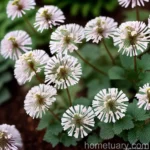
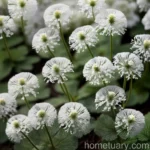
Tiarella ‘Candy Striper,’ a delightful and visually captivating perennial, is a member of the Saxifragaceae family. This enchanting plant is native to North America and is cherished for its lacy, deeply lobed leaves, and delicate, airy spires of flowers. The Foam Flower is esteemed for its elegant and decorative foliage, adding a touch of finesse to shaded garden areas.
Key Takeaways – Tiarella ‘Candy Striper’ (Foam Flower)
- Botanical Name: Tiarella ‘Candy Striper’
- Common Name: Foam Flower
- Family: Saxifragaceae
- Origin: North America
- Foliage: Lacy and deeply lobed
- Flowers: Delicate, airy spires
- Growth Habit: Clump-forming, spreading
Culture
Understanding the culture of Tiarella ‘Candy Striper’ is essential for nurturing its growth and ensuring its flourishing presence in your garden.
Uses
This enchanting plant finds its place in various aspects of horticulture and landscaping due to its notable features. Its most common uses include:
- Ground Cover: With its spreading habit and charming foliage, Tiarella ‘Candy Striper’ is an excellent choice for ground cover in shaded areas.
- Woodland Gardens: The delicate, lacy foliage and luscious display of flowers make it a perfect fit for woodland or shaded gardens.
Water
Proper watering is crucial for the health and vitality of Tiarella ‘Candy Striper.’ While it is important to maintain moist soil, good drainage is equally essential to prevent waterlogging.
Sunlight
Being a shade-loving plant, Tiarella ‘Candy Striper’ thrives in partial to full shade. When grown in excessively sunny locations, it is susceptible to leaf scorch and reduced vigor.
Fertilizer
A balanced, slow-release fertilizer formulated for shade-loving plants should be applied in spring to support healthy growth and vibrant flowering.
Soil
The Foam Flower thrives in humus-rich, moist, and well-draining soil. It prefers slightly acidic to neutral soil with a pH range of 5.5 to 7.0.
Pruning
Regular deadheading and removal of spent flower stems can encourage prolonged flowering. Pruning in late winter or early spring is recommended to remove any damaged or disheveled foliage.
Propagation
Propagation of Tiarella ‘Candy Striper’ can be achieved through various methods, including division, seed sowing, and stem cuttings. Each method offers unique advantages and challenges, catering to different preferences and skill levels of gardeners.
Container Popularity
The charming and delicate nature of Tiarella ‘Candy Striper’ makes it a popular choice for container gardening, particularly in shaded urban spaces where it adds a touch of elegance and beauty.
Common Diseases
While Tiarella ‘Candy Striper’ is relatively disease-resistant, it may be susceptible to certain ailments that warrant attention.
Disease Diagnosis
Signs of fungal diseases such as powdery mildew and leaf spot should be monitored. Proper air circulation and regular inspection can aid in early disease diagnosis and intervention.
Common Pests
Though resilient against most pests, Tiarella ‘Candy Striper’ may attract certain insects, including slugs and snails, especially in overly moist conditions. Vigilance and proactive pest management can effectively prevent infestations.
Botanist’s Tips
- Mulching: The use of organic mulch not only retains moisture and suppresses weeds but also contributes to the improvement of soil quality over time.
- Companion Planting: Pair Tiarella ‘Candy Striper’ with other shade-loving plants such as hostas, ferns, and heucheras to create visually appealing and harmonious combinations in shaded gardens.
Fun Facts
- The genus name “Tiarella” is derived from the Greek word “tiara,” which means “a turban,” referring to the shape of the plant’s stigma.
- The delicate, frothy flowers of Tiarella ‘Candy Striper’ resemble foam, hence its common name, Foam Flower.
Links to External Resources
To further enhance your knowledge and understanding of Tiarella ‘Candy Striper’ and its cultivation, the following resources can provide valuable insights:
- The Royal Horticultural Society (RHS) – Tiarella
- University of Vermont Extension Department – Tiarella Care Guide
With its captivating appearance and versatile nature, Tiarella ‘Candy Striper’ undeniably enriches gardens and landscapes, offering an exquisite blend of charm and resilience. Whether utilized as a ground cover, container plant, or woodland garden feature, its delicate presence adds a touch of elegance to any setting. By understanding its preferences and requirements, gardeners can successfully cultivate and showcase this enchanting plant, further elevating the allure of their outdoor spaces.