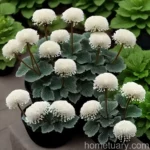
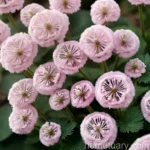
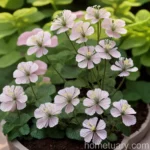
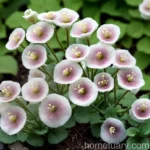
Plant Scientist’s Guide to Tiarella Cordifolia (Foam Flower)
Welcome to this comprehensive guide on Tiarella cordifolia, commonly known as Foam Flower. In this blog post, we will delve deep into the culture, uses, care, propagation, diseases, and much more about Tiarella cordifolia. As a plant scientist, I am excited to share my knowledge and expertise on this fascinating and versatile plant.
What is Tiarella Cordifolia (Foam Flower)?
Tiarella cordifolia, or Foam Flower, is a herbaceous perennial plant native to North America. It belongs to the Saxifragaceae family and is known for its delicate, foam-like flower spikes and attractive foliage. Foam Flower is a shade-loving plant that thrives in woodland gardens, along stream banks, and in other moist, shady areas.
This plant is valued for its ornamental qualities, including its charming, airy blooms and its ability to form dense, low-growing mats of foliage. With its versatility and ease of care, Tiarella cordifolia has become a popular choice for gardeners looking to add beauty and texture to their landscapes.
Key Takeaways – Tiarella Cordifolia (Foam Flower)
Let’s explore the key takeaways about Tiarella cordifolia to provide you with a comprehensive understanding of this beautiful plant.
Culture
- Hardiness: Tiarella cordifolia is hardy in USDA hardiness zones 4-9.
- Growth Habit: It forms compact clumps of foliage and sends up slender flowering stems.
- Foliage: The leaves are lobed and deeply veined, adding texture and interest to the plant.
- Flowers: The delicate, foam-like flower spikes appear in spring, providing a charming display of white or pink blooms.
Uses
- Ornamental: Foam Flower is valued for its ornamental qualities and is often used in woodland gardens, shaded borders, and naturalistic landscapes.
- Ground Cover: Its low-growing habit makes it an excellent ground cover plant in shaded areas.
Water
- Moisture Requirements: Tiarella cordifolia prefers consistently moist, well-draining soil. It is important to keep the soil evenly moist, especially during the hot summer months.
Sunlight
- Light Requirements: Foam Flower thrives in partial to full shade. It is best suited for areas with dappled sunlight or bright, indirect light.
Fertilizer
- Fertilization: A balanced, slow-release fertilizer can be applied in spring to promote healthy growth and flowering.
Soil
- Soil Type: It prefers humus-rich, acidic to slightly alkaline soil. A well-draining soil with organic matter content is ideal for this plant.
Pruning
- Deadheading: Removing spent flower spikes can encourage a prolonged flowering period.
- Fall Cleanup: In late fall, the foliage can be trimmed back to tidy up the plant for the winter.
Propagation
- Division: Foam Flower can be divided in early spring or fall to create new plants.
- Seed Propagation: It can also be grown from seeds, although this method may take longer to produce mature plants.
Container Popularity
- Ideal for Containers: Tiarella cordifolia can thrive in containers when provided with the appropriate growing conditions.
Common Diseases
- Powdery Mildew: In humid conditions, Foam Flower may be susceptible to powdery mildew.
- Leaf Spot: Leaf spot diseases can occur in wet and humid environments.
Disease Diagnosis
- Visual Symptoms: Look for white powdery patches on the leaves for powdery mildew and dark spots with yellow halos for leaf spot diseases.
Common Pests
- Slugs and Snails: These pests can damage the foliage of Foam Flower, particularly in moist, shaded areas.
Botanist’s Tips
- Mulching: Applying a layer of organic mulch around the base of the plant can help retain moisture and suppress weeds.
- Companion Planting: Pairing Tiarella cordifolia with other shade-loving plants can create a harmonious and attractive garden display.
- Spring Pruning: Pruning the plant in early spring can help maintain its vigor and shape.
Fun Facts
- Native Plant: Tiarella cordifolia is a native plant in North America and contributes to the biodiversity of local ecosystems.
- Wildlife Attraction: The delicate flowers of Foam Flower can attract pollinators such as bees and butterflies to the garden.
Now that we have covered the key takeaways about Tiarella cordifolia, let’s explore each aspect in detail to gain a comprehensive understanding of how to cultivate and care for this fascinating plant.
Water Requirements for Foam Flower
Ensuring proper watering is essential for the health and vitality of Tiarella cordifolia. This plant thrives in consistently moist soil, making it important to monitor its moisture requirements, especially during hot and dry periods. Here are some key considerations for watering Foam Flower:
- Consistent Moisture: Tiarella cordifolia prefers consistently moist soil. Regular watering may be necessary, particularly during dry spells, to ensure that the soil does not dry out completely.
- Avoid Waterlogged Soil: While it requires moisture, Foam Flower is susceptible to root rot if the soil becomes waterlogged. It is important to maintain a balance and provide adequate drainage to prevent water accumulation around the roots.
- Mulching: Applying a layer of organic mulch around the base of the plant can help retain soil moisture and reduce the frequency of watering. This is especially beneficial during periods of hot weather when evaporation rates are higher.
By meeting the water requirements of Tiarella cordifolia, gardeners can promote healthy growth and blooming, ensuring that the plant thrives in its chosen environment.
Sunlight Needs for Foam Flower
Foam Flower is well adapted to shaded environments and thrives in partial to full shade. When selecting a planting site for Tiarella cordifolia, it is important to consider its sunlight requirements to provide the optimal growing conditions. Here are some key aspects to understand about Foam Flower’s sunlight needs:
- Partial to Full Shade: Tiarella cordifolia prefers shaded areas with dappled sunlight or bright, indirect light. It is well suited for woodland gardens, shaded borders, and areas with filtered sunlight.
- Avoid Direct Sunlight: While it can tolerate some morning or late afternoon sun, prolonged exposure to direct sunlight, especially during the hottest part of the day, should be avoided. Direct sun can scorch the delicate foliage and lead to stress for the plant.
- Adaptation to Low Light: Foam Flower has adapted to thrive in shaded environments, making it an excellent choice for gardens with limited direct sunlight.
By providing the appropriate shade and avoiding prolonged exposure to direct sunlight, gardeners can ensure that Tiarella cordifolia thrives and displays its characteristic blooms and foliage to their full potential.
Fertilizer Recommendations for Foam Flower
Proper fertilization can support the growth, flowering, and overall health of Tiarella cordifolia. While this plant is not heavy feeder, providing a balanced, slow-release fertilizer can promote strong, vigorous growth and enhance its ornamental qualities. Here are some considerations for fertilizing Foam Flower:
- Spring Application: Apply a balanced, slow-release fertilizer in early spring as new growth emerges. This provides essential nutrients to support the plant’s development.
- Follow Label Instructions: When choosing a fertilizer, it is important to follow the manufacturer’s instructions regarding application rates and methods. Over-fertilization can lead to excessive foliage growth at the expense of flowering.
- Organic Options: Organic fertilizers, such as compost or well-rotted manure, can also be beneficial for Tiarella cordifolia, providing a natural source of nutrients and organic matter to the soil.
Selecting and applying the appropriate fertilizer can contribute to the overall health and vitality of Foam Flower, supporting its growth and enhancing its visual appeal in the garden.
Soil Preferences for Tiarella Cordifolia
Understanding the soil preferences of Tiarella cordifolia is essential for creating a suitable growing environment for this plant. Foam Flower thrives in well-draining, humus-rich soil with a slightly acidic to slightly alkaline pH. By meeting its soil requirements, gardeners can ensure that Tiarella cordifolia establishes and grows successfully. Here are key considerations for the soil preferences of Foam Flower:
- Moisture Retention: While it requires well-draining soil, it is important to provide a growing medium that retains moisture to meet Tiarella cordifolia’s moisture needs. Adding organic matter, such as compost or leaf mold, can improve the soil’s moisture retention capabilities.
- Acidity Levels: Foam Flower prefers slightly acidic to slightly alkaline soil with a pH range of 5.5 to 7.5. Conducting a soil test can help determine the pH of the soil and guide adjustments if necessary.
- Organic Matter Content: Incorporating organic matter into the soil can improve its structure, fertility, and ability to support the growth of Tiarella cordifolia. Compost, well-rotted manure, or peat moss can be added to enhance the soil’s organic matter content.
By addressing the moisture, acidity, and organic matter content of the soil, gardeners can create an ideal growing environment for Tiarella cordifolia, supporting its health and vigor as it thrives in the garden.
Pruning Guidelines for Foam Flower
Pruning is an important aspect of maintaining the health, shape, and appearance of Tiarella cordifolia. Proper pruning practices can promote flowering, prevent overcrowding, and rejuvenate the plant for the growing season. Here are some key guidelines for pruning Foam Flower:
- Deadheading: Removing spent flower spikes as they fade can encourage Tiarella cordifolia to produce new blooms, extending its flowering period and enhancing its appearance. Deadheading also prevents the plant from directing its energy into seed production.
- Fall Cleanup: In late fall, the foliage of Foam Flower can be trimmed back to tidy up the plant and prepare it for the winter months. Removing old, yellowing leaves can help prevent the accumulation of debris and minimize the risk of pests and diseases over the winter.
- Spring Pruning: In early spring, Tiarella cordifolia can be pruned to remove any damaged or dead foliage, as well as to shape the plant and promote new growth. By pruning in spring, gardeners can maintain the plant’s vigor and enhance its overall appearance for the growing season.
Proper pruning techniques can contribute to the overall health and aesthetics of Foam Flower, ensuring that it remains an attractive and vibrant presence in the garden throughout the year.
Propagation Methods for Tiarella Cordifolia
Propagation is a valuable technique for expanding the presence of Tiarella cordifolia in the garden and creating new plants. Foam Flower can be propagated through division and seed sowing, offering gardeners multiple options for increasing their stock of this attractive perennial. Here are key methods for propagating Foam Flower:
Division
- Early Spring or Fall: Foam Flower can be divided in early spring or fall when the plant is actively growing and the weather is mild. Dividing the plant allows gardeners to create new clumps and establish additional plants in the garden.
- Guidelines: To divide Tiarella cordifolia, carefully lift the plant from the ground and separate it into sections, ensuring that each division has healthy roots and foliage. Replant the divisions at the desired locations and provide proper care to support their establishment.
Seed Propagation
- Sowing Seeds: Foam Flower can also be grown from seeds, although this method requires patience as it may take a longer time for seed-grown plants to reach maturity and flowering stage.
- Guidelines: Sow the seeds in a well-prepared seed-starting mix, ensuring that they are covered lightly with soil and kept consistently moist. Provide the seeds with warmth and indirect light to support germination and early growth.
By utilizing both division and seed propagation, gardeners can increase their supply of Tiarella cordifolia and expand the presence of this charming plant in their gardens and landscapes.
Foam Flower in Containers
Tiarella cordifolia is well-suited for container gardening, offering versatility and ornamental value in potted displays. When grown in containers, Foam Flower can grace patios, decks, and shaded outdoor spaces, providing an enchanting touch of nature in a confined setting. Here are key considerations for growing Tiarella cordifolia in containers:
- Container Selection: Choose a container with adequate drainage holes and a size that accommodates the root system of the plant. Use a lightweight, well-draining potting mix designed for container gardening.
- Placement: Position the container in an area with partial to full shade, providing the necessary light conditions for the plant’s growth. Ensure that the container receives adequate air circulation and is protected from strong winds.
- Watering: Containers may require more frequent watering, particularly during warm, dry periods. Monitor the moisture level of the soil and water as needed to maintain consistent moisture for Foam Flower.
- Overwintering: In regions with cold winters, provide protection for the container and plant during the winter months. Insulate the container with mulch or move it to a sheltered location to protect the roots from freezing temperatures.
By growing Tiarella cordifolia in containers, gardeners can bring the beauty of Foam Flower to small gardens, balconies, and other outdoor spaces, showcasing its charm and adaptability in a confined setting.
Common Diseases of Foam Flower
Awareness of common diseases that may affect Tiarella cordifolia is essential for proactive management and protection of the plant’s health. While Foam Flower is generally resistant to many pests and diseases, certain fungal infections and other issues can impact its growth and appearance. Here are some common diseases of Foam Flower:
Powdery Mildew
- Symptoms: Look for white, powdery patches on the leaves and stems of the plant, particularly in warm and humid conditions.
- Management: Improving air circulation around the plant, avoiding overhead watering, and applying fungicidal treatments can help control powdery mildew.
Leaf Spot Diseases
- Symptoms: Dark spots with yellow halos may appear on the leaves, indicating the presence of leaf spot diseases.
- Management: Removing and disposing of affected foliage, ensuring proper spacing between plants, and applying fungicidal treatments can help manage leaf spot diseases.
By monitoring for signs of diseases and implementing appropriate management strategies, gardeners can maintain the health and vigor of Tiarella cordifolia, ensuring that it continues to thrive in the garden.
Diagnosis of Plant Diseases
When encountering signs of disease on Foam Flower, it is important to accurately diagnose the issue to implement effective management measures. Visual inspection and awareness of common diseases can guide gardeners in identifying and addressing problems early. Here are key steps for diagnosing plant diseases:
- Visual Symptoms: Carefully examine the foliage, stems, and blooms of Foam Flower for any signs of discoloration, spots, mold, or other abnormalities.
- Research and Reference: Utilize reputable plant disease resources, guides, and extension services to compare the observed symptoms with known diseases and their characteristics.
- Seek Professional Advice: If unsure about the diagnosis, seek guidance from local horticultural experts, plant pathologists, or extension agents who can provide accurate identification and management recommendations.
By accurately diagnosing plant diseases, gardeners can take timely and effective action to protect the health and vitality of Tiarella cordifolia, ensuring its continued beauty and presence in the garden.
Common Pests Affecting Foam Flower
Like many plants, Tiarella cordifolia may encounter certain pests that can impact its foliage, blooms, and overall health. Being aware of common pests and their management strategies enables gardeners to protect Foam Flower from potential damage. Here are common pests that may affect Tiarella cordifolia:
Slugs and Snails
- Damage: These pests can feed on the foliage of Foam Flower, causing irregular holes and damage to the leaves.
- Management: Use physical barriers, natural predators, or organic control methods to manage slugs and snails in the garden. Beer traps and diatomaceous earth are also effective in controlling these pests.
By monitoring for pests and implementing appropriate measures, gardeners can safeguard Tiarella cordifolia from infestations and ensure that it maintains its ornamental value and health in the garden.
Botanist’s Tips for Growing Foam Flower
As a plant scientist, I am excited to share some valuable tips for successfully cultivating and caring for Tiarella cordifolia. These tips are designed to enhance the growing experience and help gardeners maximize the ornamental potential of Foam Flower. Here are some botanist’s tips for growing Tiarella cordifolia:
Mulching
- Benefit: Apply a layer of organic mulch, such as shredded bark or leaf mulch, around the base of the plant to conserve soil moisture, suppress weeds, and insulate the roots during temperature fluctuations.
Companion Planting
- Harmonious Pairings: Pair Tiarella cordifolia with other shade-loving plants, such as hostas, ferns, and heucheras, to create visually appealing and diverse plant combinations that thrive in shaded environments.
Spring Pruning
- Vigorous Growth: Pruning Foam Flower in early spring can promote new growth, shape the plant, and encourage a robust flowering display. Remove any dead or damaged foliage to maintain the plant’s vigor.
By incorporating these botanist’s tips into the care and cultivation of Tiarella cordifolia, gardeners can enhance the beauty and vitality of this charming perennial, creating stunning displays in their landscapes and gardens.
Fun Facts About Tiarella Cordifolia
To further appreciate the unique qualities of Foam Flower, here are some fun and intriguing facts about Tiarella cordifolia:
Native Plant
- Biodiversity: Tiarella cordifolia is a native plant in North America, contributing to the ecological diversity and natural beauty of local ecosystems. By growing Foam Flower, gardeners support the preservation and appreciation of native plant species.
Wildlife Attraction
- Pollinator Haven: The delicate, airy blooms of Foam Flower attract pollinators such as bees and butterflies, adding to the ecological value of the plant and the garden as a whole. By planting Tiarella cordifolia, gardeners can support pollinator populations and enhance the biodiversity of the area.
By showcasing these fun facts, we celebrate the unique attributes and contributions of Tiarella cordifolia, shedding light on its ecological significance and ornamental appeal in landscapes and gardens.
Links to External Resources
Finally, to expand your knowledge and explore further resources about Tiarella cordifolia, here are some links to reputable external sources and references:
- The Royal Horticultural Society (RHS) – Tiarella: RHS Tiarella Information
- University of Maryland Extension – Foam Flower Planting Guide: UMD Extension Guide
- North Carolina State Extension – Growing Foam Flower: NC State Extension Guide
- Missouri Botanical Garden – Tiarella cordifolia Care: MOBOT Tiarella Care
- The American Horticultural Society – Foam Flower Uses and Cultivation Tips: AHS Foam Flower Guide
By exploring