Thymus Serpyllum ‘Elfin’ (Creeping Thyme)
Thymus serpyllum, commonly known as creeping thyme or elfin thyme, is a charming and versatile perennial plant that belongs to the Lamiaceae family. This.
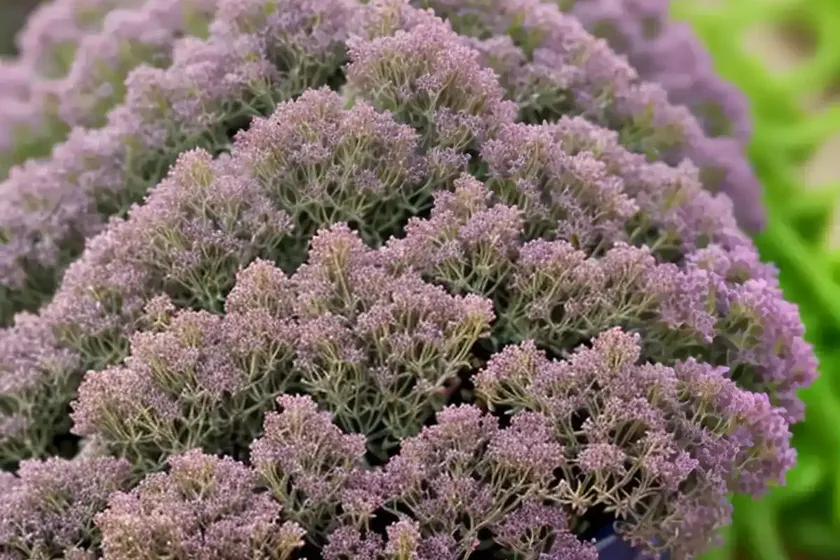
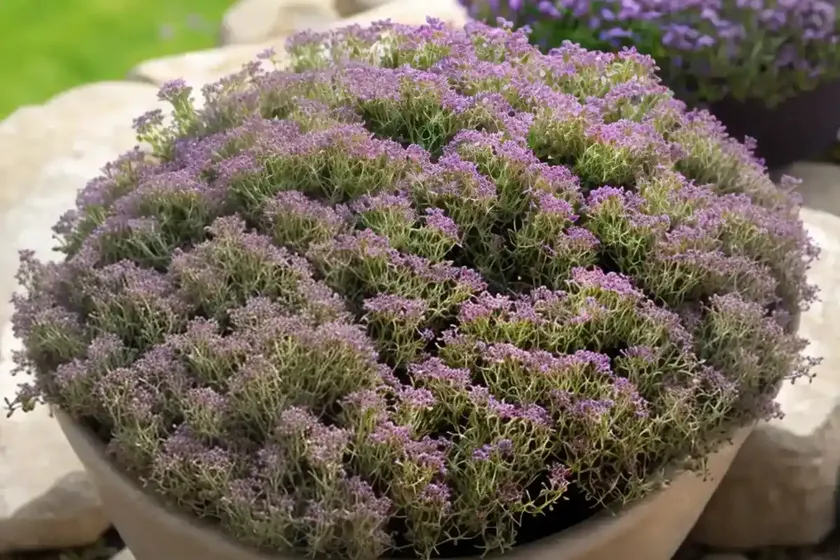
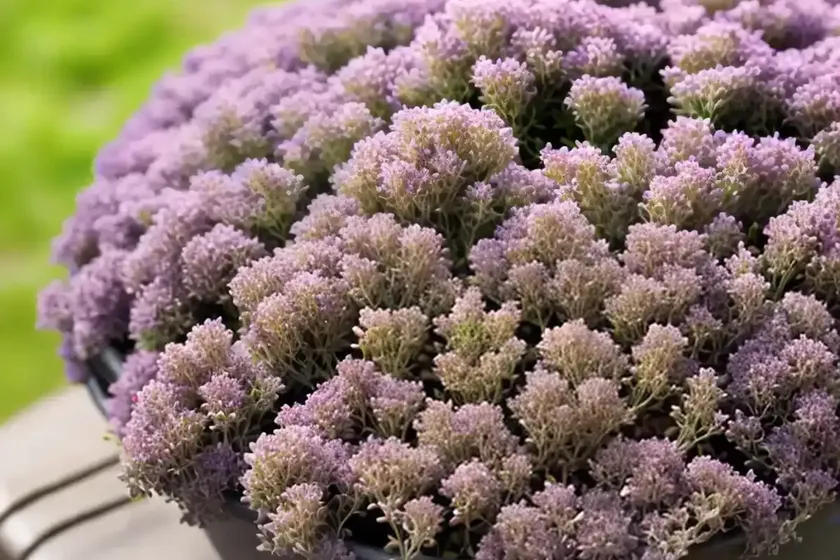
Thymus serpyllum, commonly known as creeping thyme or elfin thyme, is a charming and versatile perennial plant that belongs to the Lamiaceae family. This low-growing herbaceous plant is native to Europe, North Africa, and Asia and is popular for its ornamental and culinary uses. Thymus serpyllum ‘Elfin’ is a cultivar of the species, prized for its petite size and attractive flowers. In this blog post, we will explore the key aspects of this delightful plant, including its cultural requirements, uses, propagation methods, and more. Whether you are a gardening enthusiast, a landscape designer, or a culinary connoisseur, Thymus serpyllum ‘Elfin’ is a plant that is sure to captivate your interest.
Key Takeaways – Thymus serpyllum ‘Elfin’ (Creeping Thyme)
Before delving into the specifics of Thymus serpyllum ‘Elfin’, it’s beneficial to highlight the key takeaways about this plant.
- Botanical Name: Thymus serpyllum ‘Elfin’
- Common Name: Creeping Thyme ‘Elfin’
- Family: Lamiaceae
- Uses: Ornamental, Culinary
- Watering: Low to Moderate
- Sunlight: Full Sun to Partial Shade
- Soil: Well-draining, Sandy or Loamy
- Propagation: Division, Stem Cuttings, Seed
- Container Friendly: Yes
- Disease Resistance: Good
- Common Pests: Aphids, Spider Mites
Thymus serpyllum ‘Elfin’ is a versatile plant with a range of uses and is well-suited for various growing conditions, making it an attractive choice for gardeners and landscapers alike.
What is Thymus serpyllum ‘Elfin’?
Thymus serpyllum ‘Elfin’, commonly known as creeping thyme ‘Elfin’, is a cultivar of Thymus serpyllum, a species of flowering plant in the mint family, Lamiaceae. It is a low-growing perennial with a spreading habit, forming a dense mat of foliage that is adorned with delicate clusters of tiny, lavender to pink flowers. The aromatic foliage of Thymus serpyllum ‘Elfin’ releases a pleasant herbal fragrance, adding to its appeal as an ornamental and culinary plant. This cultivar is highly valued for its compact size and is often used as a ground cover in rock gardens, between stepping stones, or along garden borders.
Culture
Water
Thymus serpyllum ‘Elfin’ is a drought-tolerant plant that prefers well-draining soil and does not thrive in waterlogged conditions. It is essential to establish a watering routine for this plant, especially during its establishment phase. Once the plant is established, it typically requires minimal supplemental watering, relying on natural rainfall in most cases. Overwatering should be avoided, as it can lead to root rot and other moisture-related issues. Regular observation of the soil moisture level is crucial for maintaining the health and vigor of Thymus serpyllum ‘Elfin’.
Sunlight
Creeping thyme ‘Elfin’ thrives in full sun to partial shade. In regions with hot summer climates, providing some afternoon shade can benefit the plant, preventing excessive stress from intense sunlight and heat. Adequate sunlight is essential for promoting flowering and ensuring the compact growth habit of Thymus serpyllum ‘Elfin’. When grown in partial shade, the plant may exhibit slightly less dense growth and reduced flowering compared to those grown in full sun.
Fertilizer
Thymus serpyllum ‘Elfin’ is a relatively low-maintenance plant when it comes to fertilization. It generally thrives in nutrient-poor soil and excessive fertilization can lead to lush foliage growth at the expense of flower production. A light application of a balanced, slow-release fertilizer in early spring can be beneficial for promoting healthy growth and flowering. However, it is important to avoid over-fertilizing the plant, as it can disrupt its natural growth habits and diminish its ornamental value.
Soil
The ideal soil for Thymus serpyllum ‘Elfin’ is well-draining and moderately fertile. Sandy or loamy soils with a slightly acidic to neutral pH provide an optimal growing medium for this plant. Good drainage is particularly crucial, as standing water can compromise the health of creeping thyme ‘Elfin’ and increase the likelihood of root diseases. Amending the soil with organic matter can enhance its drainage and water retention properties, creating a hospitable environment for the plant to thrive.
Pruning
Pruning is an essential aspect of maintaining the appearance and vigor of Thymus serpyllum ‘Elfin’. Regular pruning helps to control the plant’s growth, promote bushier and more compact foliage, and encourages abundant flowering. For established plants, light shearing after the blooming period can help to rejuvenate the foliage and remove spent flowers, enhancing the overall appearance of the plant. Additionally, selective pruning can be employed to contain the spread of creeping thyme ‘Elfin’ and prevent it from encroaching on nearby plants or pathways.
Propagation
Thymus serpyllum ‘Elfin’ can be propagated through several methods, including division, stem cuttings, and seed sowing.
-
Division: Dividing established clumps of Thymus serpyllum ‘Elfin’ is a simple and effective method of propagation. This is best done in early spring or early autumn when the plant is not in active growth. The divided sections can be replanted in suitable locations to establish new plants.
-
Stem Cuttings: Taking stem cuttings from healthy, non-flowering shoots of Thymus serpyllum ‘Elfin’ is another reliable means of propagation. The cuttings can be rooted in a well-draining rooting medium and kept under favorable conditions to encourage root development.
-
Seed: While seed propagation is less commonly employed for Thymus serpyllum ‘Elfin’, it is a viable option for producing new plants. Sowing the seeds in a well-prepared seedbed or individual containers can yield seedlings that can be transplanted once they have developed sufficient size and vigor.
Container Popularity
Creeping thyme ‘Elfin’ is well-suited for cultivation in containers, making it a popular choice for container gardening enthusiasts and those with limited garden space. Its low-growing and spreading habit, combined with its attractive foliage and flowers, makes it an excellent candidate for container displays, where it can be showcased on patios, balconies, or as a feature plant in mixed container arrangements. When growing Thymus serpyllum ‘Elfin’ in containers, it is essential to select a well-draining potting mix and provide adequate sunlight and water to support its growth and development.
Common Diseases
Disease Diagnosis
Thymus serpyllum ‘Elfin’ is relatively resistant to most common plant diseases, especially when grown in favorable conditions with good air circulation and appropriate watering practices. However, certain environmental conditions and cultural practices can predispose the plant to some disease issues. One of the most common diseases that may affect creeping thyme ‘Elfin’ is powdery mildew, a fungal disease that manifests as a white powdery growth on the foliage. Proper air circulation, avoiding overhead watering, and prompt removal of infected plant material can help prevent and manage this disease. Regular monitoring of the plant’s overall health and addressing any signs of stress or decline can aid in early detection and management of potential disease concerns.
Common Pests
Botanist’s Tips
Gardeners and landscape professionals can benefit from the following tips for growing and caring for Thymus serpyllum ‘Elfin’:
-
Planting Spacing: When establishing creeping thyme ‘Elfin’ as a ground cover, provide adequate spacing between individual plants to allow for spread and growth without overcrowding. This helps to create a cohesive and visually appealing ground cover while reducing competition between plants.
-
Mulching: Applying a layer of organic mulch around the base of Thymus serpyllum ‘Elfin’ can help conserve soil moisture, moderate soil temperature, and inhibit weed growth. Organic mulches, such as wood chips or shredded bark, also contribute to the overall aesthetic of the planting area.
-
Companion Planting: Pairing Thymus serpyllum ‘Elfin’ with compatible companion plants can enhance the visual impact of the garden and provide mutual benefits for the plants. Consider plants with contrasting foliage textures, heights, and flowering times to create dynamic and harmonious plant combinations.
Fun Facts
- Creeping thyme ‘Elfin’ is an excellent choice for attracting pollinators to the garden, including bees and butterflies, with its nectar-rich flowers and aromatic foliage.
- The fragrant leaves of Thymus serpyllum ‘Elfin’ can be harvested and used in culinary applications, imparting a savory and earthy flavor to dishes.
- This plant has a rich history of traditional medicinal uses, with its leaves and flowers being employed in herbal remedies for various ailments, including respiratory issues and digestive disturbances.
Links to External Resources
To further expand your knowledge about Thymus serpyllum ‘Elfin’ and explore additional information, consider visiting the following external resources:
- The Royal Horticultural Society (RHS)
- Missouri Botanical Garden
- North Carolina State University Extension
- University of Maryland Extension
Thymus serpyllum ‘Elfin’ is a remarkable plant with a wealth of attributes that make it a valuable addition to gardens, landscapes, and culinary ventures. Its versatility, resilience, and ornamental charm position it as a plant of interest for a wide audience, from horticultural enthusiasts to ecologically minded individuals. By understanding and appreciating the unique characteristics and requirements of Thymus serpyllum ‘Elfin’, one can unlock its full potential and enjoy the benefits it offers in various contexts. Whether as a flowering ground cover, a fragrant addition to herb gardens, or a contributor to pollinator-friendly landscapes, this cultivar of creeping thyme has much to offer. With proper care and attention, Thymus serpyllum ‘Elfin’ can thrive and enrich outdoor spaces with its beauty and functionality.
In conclusion, Thymus serpyllum ‘Elfin’ exemplifies the intersection of aesthetic appeal, ecological value, and practical utility, making it a noteworthy plant to consider for a diverse range of applications. As you embark on your journey of plant exploration and cultivation, the inclusion of Thymus serpyllum ‘Elfin’ in your endeavors has the potential to yield meaningful experiences and enduring benefits.
References
- Rombauer, I., Becker, M. R., & Becker, E. (2006). “Joy of cooking.” Scribner.
- Stefanaki, A., Argyropoulou, C., Alivizatos, A. S., & Papanastasis, V. P. (2018). “Flavour characteristics of Thymus serpyllum L. essential oils produced in Greece as affected by geographical origin, growing media and stage of plant development.” Industrial Crops and Products, 111, 14-22.
- Begg, J. E. (2001). “Thyme oil and thymol.” In: Baser, K. H. C., & Buchbauer, G. (Eds.). Handbook of essential oils: Science, technology, and applications (pp. 405-416). CRC Press.
- Lamiaceae. (n.d.). In Flora of North America North of Mexico. Retrieved August 17, 2022, from http://www.efloras.org/florataxon.aspx?flora_id=1&taxon_id=124673


