Rosa, Rosa - English Rose, Rosa - Shrub Rose
Rosa Susan Williams-Ellis (English Rose)
The Rosa Susan Williams-Ellis, commonly known as the English Rose, is a beautiful and fragrant variety of rose that has captured the hearts of gardeners.
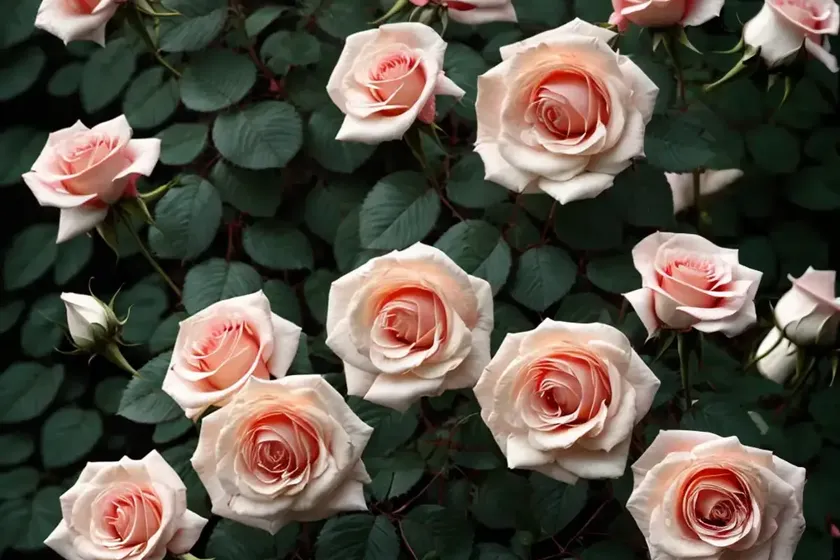
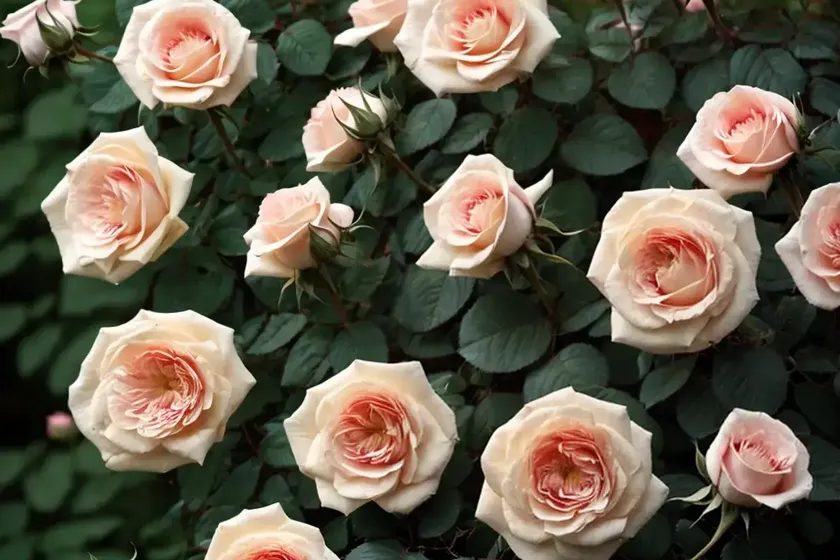
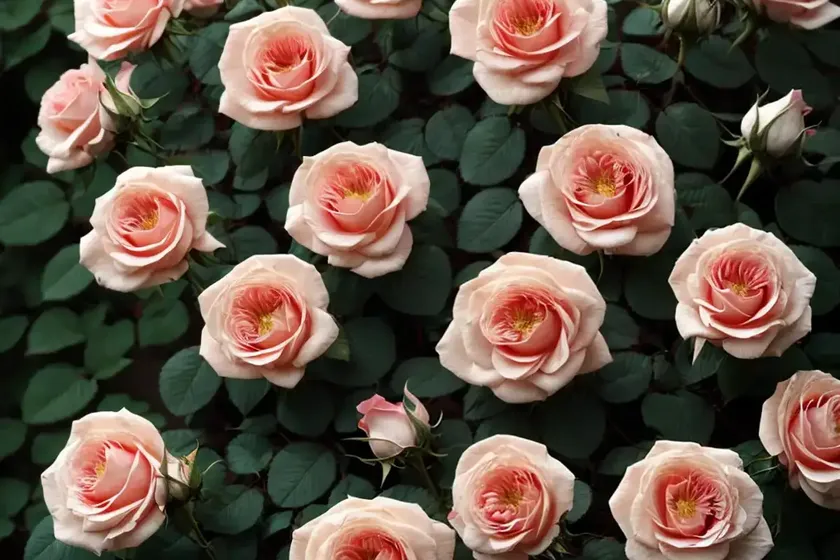
The Rosa Susan Williams-Ellis, commonly known as the English Rose, is a beautiful and fragrant variety of rose that has captured the hearts of gardeners and flower enthusiasts around the world. Known for its soft, romantic petals and captivating aroma, the English Rose has become a staple in gardens, parks, and landscapes, adding elegance and charm to any setting. In this comprehensive guide, we will explore the characteristics of the Rosa Susan Williams-Ellis, its care requirements, propagation, diseases, and much more. Whether you are a seasoned gardener or a novice enthusiast, this guide will provide you with valuable insights into growing and caring for the exquisite English Rose.
Key Takeaways – Rosa Susan Williams-Ellis (English Rose)
Before delving into the specifics, let’s take a look at the key takeaways of the Rosa Susan Williams-Ellis, which will be covered in detail throughout this guide.
- Care: Understanding the care requirements, including water, sunlight, fertilizer, and soil.
- Uses: Discovering the various uses of Rosa Susan Williams-Ellis in gardens and landscapes.
- Pruning: Exploring the pruning techniques and schedules for maintaining healthy growth.
- Propagation: Learning about the propagation methods for expanding your collection.
- Container Use: Exploring the use of containers for growing the English Rose.
- Diseases and Pests: Understanding common diseases, pests, and their management.
- Botanist’s Tips: Expert tips and guidance for successful cultivation.
- Fun Facts: Uncovering interesting and intriguing facts about the English Rose.
- External Resources: Accessing links to valuable external resources for further insights.
Now, let’s dive into the detailed exploration of Rosa Susan Williams-Ellis (English Rose), starting with its culture and characteristics.
Culture
The English Rose, including the Rosa Susan Williams-Ellis variety, is renowned for its captivating culture and rich history. These roses are known for their superb fragrance, old-fashioned form, and repeat blooming habit, which make them a favorite among gardeners. The culture of the English Rose encompasses various aspects, including its origin, popularity, and significance in horticulture.
Origin
The English Roses, including the Rosa Susan Williams-Ellis, were introduced and popularized by David Austin, a renowned English rose breeder. He dedicated decades to hybridizing roses to combine the charm and fragrance of old garden roses with the wide color range and repeat-flowering habits of modern roses. The result was the creation of the English Rose, a class of roses that has gained global recognition for its beauty and versatility.
Popularity
Due to their exceptional beauty and fragrance, English Roses have gained immense popularity among gardeners and rose enthusiasts worldwide. The Rosa Susan Williams-Ellis, in particular, is a highly sought-after variety known for its unique characteristics and enchanting appeal. Its popularity can be attributed to its versatility, adaptability to various climates, and the range of colors and fragrances it offers.
Characteristics
The Rosa Susan Williams-Ellis, like other English Roses, exhibits distinctive characteristics that set it apart from other rose varieties. These characteristics include:
- Fragrance: Known for its captivating and delightful fragrance, the English Rose adds a sensory experience to any garden or landscape.
- Repeating Blooms: The Rosa Susan Williams-Ellis is prized for its ability to produce multiple blooms throughout the growing season, ensuring a prolonged display of beauty.
- Classic Form: With its classic, old-fashioned form, the English Rose exudes a timeless charm that appeals to traditional and contemporary garden designs alike.
- Color Variations: From soft pinks to rich apricots and vibrant reds, the Rosa Susan Williams-Ellis showcases a diverse range of colors, allowing for stunning floral displays.
Now that we have explored the cultural significance and characteristics of the English Rose, let’s move on to understanding its care requirements for successful cultivation.
Care
Caring for the Rosa Susan Williams-Ellis (English Rose) is essential to ensure its health, vigor, and abundant blooms. From watering and sunlight to soil and fertilizer, each aspect of care plays a crucial role in nurturing these roses to their full potential. Here’s a detailed overview of the care requirements for the English Rose.
Water
Proper watering is crucial for the health and vitality of the Rosa Susan Williams-Ellis. Consistent moisture is essential, especially during the growing season, to support robust growth and prolific flowering. Here are some key guidelines for watering the English Rose:
- Frequency: Water deeply and thoroughly, ensuring that the soil is moist but not waterlogged. During hot and dry periods, more frequent watering may be necessary to prevent the soil from drying out completely.
- Morning Watering: It is advisable to water the roses in the morning to allow any excess moisture on the foliage to dry before evening, reducing the risk of fungal diseases.
Sunlight
The English Rose thrives in abundant sunlight, requiring a minimum of 6-8 hours of direct sunlight per day for optimal growth and flowering. When selecting a planting location for the Rosa Susan Williams-Ellis, consider the following sunlight requirements:
- Full Sun: Choose a location that receives ample sunlight throughout the day, preferably facing south or west to maximize exposure to the sun.
- Partial Shade: While the English Rose prefers full sun, it can tolerate partial shade, especially in regions with intense summer heat, where some afternoon shade may be beneficial.
Fertilizer
Appropriate fertilization is essential for providing the Rosa Susan Williams-Ellis with the necessary nutrients to support vigorous growth and continuous blooming. The following fertilizer recommendations can help maintain the health and vitality of the English Rose:
- Balanced Fertilizer: Use a balanced fertilizer specifically formulated for roses, applying it in early spring as new growth begins and again in late spring or early summer to support the first flush of blooms.
- Organic Amendments: Incorporate organic matter such as compost or well-rotted manure into the soil around the base of the rose to enrich the soil and promote long-term soil health.
Soil
The quality of the soil is a key factor in the successful cultivation of the Rosa Susan Williams-Ellis. Well-draining, nutrient-rich soil provides an ideal growing environment for the English Rose. Consider the following soil requirements for optimal growth:
- Well-Draining: Ensure that the soil has good drainage to prevent waterlogging, which can lead to root rot and other issues. Amending heavy clay soils with organic matter can improve drainage and aeration.
- pH Level: Aim for a slightly acidic to neutral soil pH ranging from 6.0 to 6.5, which is conducive to the uptake of essential nutrients by the rose plants.
Now that we have covered the essential care requirements for the English Rose related to water, sunlight, fertilizer, and soil, let’s explore the importance of pruning in maintaining the health and vigor of the Rosa Susan Williams-Ellis.
Pruning
Pruning is a fundamental part of rose care, including the maintenance of the Rosa Susan Williams-Ellis. Proper pruning promotes healthy growth, enhances flowering, and helps maintain an attractive form. Understanding the techniques and schedules for pruning the English Rose is crucial for maximizing its ornamental value in the garden. Here’s a comprehensive overview of pruning practices for the Rosa Susan Williams-Ellis:
Timing
Pruning of the English Rose, including the Rosa Susan Williams-Ellis variety, is typically carried out in late winter to early spring, just before the onset of new growth. This dormant season pruning allows the roses to focus their energy on producing new shoots and blooms as the growing season begins.
Techniques
When pruning the Rosa Susan Williams-Ellis, it’s important to use the right techniques to achieve the desired results. Here are some key pruning techniques for maintaining the health and appearance of the English Rose:
- Deadheading: Regularly remove spent blooms to encourage the production of new flowers and prevent the development of hips, which can divert the plant’s energy away from flowering.
- Cuts Angle: Make clean, angled cuts when removing stems and branches to promote healing and reduce the risk of disease entry.
- Thinning: Thinning out crowded and crossing branches helps improve air circulation within the plant, reducing the risk of fungal diseases and promoting overall plant health.
Schedule
The pruning schedule for the Rosa Susan Williams-Ellis involves a combination of routine maintenance pruning and more extensive annual pruning. Here’s a basic schedule for pruning the English Rose:
- Routine Maintenance: Throughout the growing season, regularly remove faded blooms and monitor the overall health of the rose plant.
- Winter Pruning: In late winter to early spring, perform more extensive pruning to remove dead, diseased, and damaged wood, as well as shape the plant for the upcoming season.
We have now covered the critical aspects of caring for the Rosa Susan Williams-Ellis, including watering, sunlight, fertilizer, soil, and pruning. In the next section, we will explore the propagation methods for expanding your collection of English Roses.
Propagation
Propagating the Rosa Susan Williams-Ellis allows you to multiply your stock of these exquisite roses and share their beauty with others. Whether through cuttings, budding, or grafting, understanding the propagation methods for the English Rose is essential for successful expansion of your garden or landscape. Here’s an overview of the propagation techniques for the Rosa Susan Williams-Ellis:
Cuttings
Propagation through cuttings is one of the most common and effective methods for reproducing the Rosa Susan Williams-Ellis. Here are the basic steps for propagating English Roses from cuttings:
- Selecting Cuttings: Choose healthy, non-flowering stems for the cuttings, making clean cuts just below a leaf node with a sharp, sterile knife.
- Preparing Cuttings: Remove any lower leaves from the cutting and dip the cut end in a rooting hormone to promote the development of roots.
- Planting Cuttings: Plant the cuttings in a well-draining rooting medium, such as a mix of peat and perlite, and keep them consistently moist until roots develop.
Budding and Grafting
Budding and grafting are advanced propagation methods that allow for the precise reproduction of specific rose varieties, including the Rosa Susan Williams-Ellis. These techniques involve joining a bud or scion from the desired rose variety onto a compatible rootstock. While budding and grafting require more skill and expertise, they offer precise control over the resulting plant’s characteristics and are commonly used in commercial rose production.
Division
For certain rose varieties, including English Roses, division can be a viable method of propagation. This involves dividing a mature plant into smaller sections, each with its own root system, to create multiple new plants. Division is typically carried out during the dormant season and requires careful handling to ensure the survival and successful establishment of the divided sections.
Now that we have explored the propagation methods for the Rosa Susan Williams-Ellis, let’s turn our attention to the use of containers for growing and showcasing these beautiful roses.
Container
The versatility of the Rosa Susan Williams-Ellis extends to its suitability for container cultivation, allowing it to grace patios, balconies, and other outdoor living spaces with its exquisite beauty and fragrance. When growing the English Rose in containers, specific considerations related to pot selection, soil, and maintenance are essential to ensure the success of container-grown roses.
Pot Selection
Choosing the right pot or container is crucial for the health and growth of the Rosa Susan Williams-Ellis. Consider the following factors when selecting a container for growing English Roses:
- Size: Opt for a sizeable container with a depth of at least 18 inches and a diameter of 18-24 inches to accommodate the rose’s root system and provide stability.
- Drainage: Ensure that the container has adequate drainage holes to prevent waterlogging and promote good aeration of the root zone.
- Material: Select a durable, frost-resistant material such as terracotta, concrete, or high-quality plastic for long-term performance.
Soil
Choosing the right soil mix is essential for container-grown English Roses, as it directly affects nutrient availability, water retention, and root development. Consider the following guidelines for selecting and preparing soil for container cultivation:
- Well-Draining Mix: Use a well-draining potting mix formulated specifically for roses or a custom blend that includes components such as peat, perlite, and compost.
- Nutrient-Rich: Incorporate a balanced, slow-release fertilizer into the soil mix to provide essential nutrients for the Rosa Susan Williams-Ellis throughout the growing season.
Maintenance
Container-grown English Roses require regular maintenance to ensure their health and longevity. Here are some key maintenance practices for growing the Rosa Susan Williams-Ellis in containers:
- Watering: Monitor soil moisture levels and water the rose as needed, ensuring that the soil remains evenly moist but not waterlogged.
- Fertilization: Apply a balanced liquid or granular fertilizer according to the recommended schedule, taking into account the increased nutrient demands of container-grown roses.
- Pruning: Regularly inspect the rose for dead or diseased wood and perform routine maintenance pruning to maintain its shape and vigor.
We have now covered the use of containers for growing the Rosa Susan Williams-Ellis, including pot selection, soil requirements, and maintenance. In the following sections, we will explore common diseases and pests that can affect English Roses, along with diagnosis, prevention, and management strategies.
Common Diseases
English Roses, including the Rosa Susan Williams-Ellis, are susceptible to certain diseases that can impact their health and flowering performance. Recognizing the symptoms of common rose diseases and implementing appropriate management practices are essential for maintaining the vigor and beauty of these roses. Let’s take a closer look at some common diseases and their management strategies:
Disease Diagnosis
Powdery Mildew: A fungal disease that manifests as a powdery white coating on the leaves, stems, and buds, powdery mildew can weaken the plant and reduce flowering.
Black Spot: Identified by circular black spots with fringed margins on the leaves, black spot is a common fungal disease that can defoliate the plant if left uncontrolled.
Rust: Rust disease appears as orange-brown spots on the undersides of leaves and stems, leading to premature leaf drop and reduced vigor.
Disease Management
When detecting signs of disease on the Rosa Susan Williams-Ellis, prompt and effective management strategies are crucial to prevent the spread and impact of the diseases. Here are some general disease management practices for English Roses:
- Cultural Practices: Maintain good air circulation, adequate spacing between plants, and proper sanitation to reduce the risk of disease development and spread.
- Fungicidal Sprays: When necessary, apply fungicidal sprays according to the manufacturer’s instructions to combat specific diseases such as powdery mildew or black spot.
- Pruning and Removal: Promptly remove and dispose of any infected plant material, including leaves and stems, to prevent the spread of diseases within the rose garden.
Now that we have covered the management of common diseases affecting English Roses, let’s explore some of the common pests that can pose a threat to the health and beauty of the Rosa Susan Williams-Ellis.
Common Pests
Pests such as aphids, spider mites, and thrips can pose significant challenges to the health and vigor of English Roses, including the Rosa Susan Williams-Ellis. Recognizing the signs of pest infestations and implementing appropriate pest control measures are essential for preserving the beauty and bloom of these roses. Here’s an overview of some common pests and their management:
Aphids
Aphids are small, soft-bodied insects that cluster on new shoots and flower buds, sucking sap from the plant and causing distortion of growth and foliage.
Management: Control aphid populations through natural predators, such as ladybugs, or by using a strong stream of water to dislodge them from the plant.
Spider Mites
Spider mites are tiny arachnids that feed on the undersides of leaves, causing stippling, discoloration, and webbing on the foliage.
Management: Use insecticidal soap or horticultural oil to treat spider mite infestations, focusing on the undersides of leaves where the mites are most active.
Thrips
Thrips are slender, winged insects that feed on flower buds and petals, causing browning, distortion, and premature flower drop.
Management: Apply insecticidal sprays or introduce predatory insects, such as lacewings, to control thrips and minimize their impact on the roses.
By implementing integrated pest management strategies and monitoring the health of the Rosa Susan Williams-Ellis regularly, gardeners can effectively mitigate the impact of common pests and prevent potential damage to their roses.
In the next section, we will delve into expert tips and guidance from botanists and horticulturists for successful cultivation of the Rosa Susan Williams-Ellis (English Rose).
Botanist’s Tips
Drawing from the expertise of botanists and horticulturists, here are some valuable tips and guidance for successfully cultivating the Rosa Susan Williams-Ellis and creating a thriving garden or landscape filled with the beauty of English Roses:
- Soil Preparation: Prior to planting, ensure that the soil is well-prepared with organic amendments to provide a fertile and well-draining medium for the roses.
- Mulching: Apply a layer of organic mulch around the base of the English Rose to conserve soil moisture, suppress weeds, and regulate soil temperature.
- Winter Protection: In colder climates, provide adequate winter protection for the Rosa Susan Williams-Ellis by mulching the base of the plant and wrapping canes to prevent winter damage.
- Companion Planting: Consider companion planting with compatible species to enhance the overall garden ecosystem and attract beneficial insects that contribute to pest control.
Implementing these expert tips and integrating them into rose care practices can significantly contribute to the long-term health and vitality of the Rosa Susan Williams-Ellis, ensuring its continued beauty and fragrance in the garden.
Fun Facts
To further appreciate the enchanting allure of the Rosa Susan Williams-Ellis and English Roses in general, here are some intriguing and delightful fun facts about these beloved ornamental flowers:
- Historical Significance: English Roses have a rich history dating back to ancient times, often symbolizing love, romance, and beauty in various cultures and traditions.
- Fragrance Variations: The fragrance of English Roses can range from delicate and fruity to intense and musky, offering a diverse olfactory experience.
- Literary Inspiration: English Roses have been the muse for poets, writers, and artists, inspiring countless works of literature, art, and music throughout history.
These fun facts provide a glimpse into the allure and timeless appeal of the English Rose, captivating hearts and imaginations across generations.
As we near the conclusion of this comprehensive guide to the Rosa Susan Williams-Ellis (English Rose), it is essential to provide links to external resources for further insights, guidance, and inspiration related to growing and caring for these exquisite roses.
Links to External Resources
For further exploration and in-depth knowledge about the Rosa Susan Williams-Ellis (English Rose) and its cultivation, propagation, and care, here are valuable links to external resources that offer a wealth of information and guidance:
Rose Societies and Organizations
Online Guides and Publications
- David Austin Roses
- [The Royal Horticultural Society – Roses](


