Three-leaved Stonecrop (Sedum ternatum ‘Alba’): A Complete Guide to Cultivation and Care
Welcome to the complete guide to the three-leaved stonecrop, or Sedum ternatum ‘Alba’. In this comprehensive article, we will explore all aspects of this beautiful plant, including its culture, uses, care requirements, and much more. Whether you are a seasoned gardener or a beginner, this guide will provide you with the knowledge and tips to successfully grow and care for the three-leaved stonecrop.
What is Three-leaved Stonecrop?
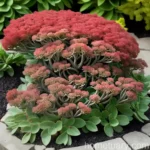
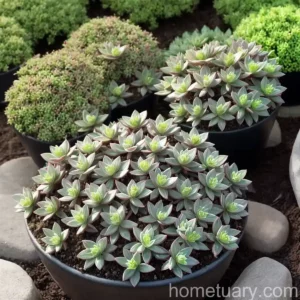
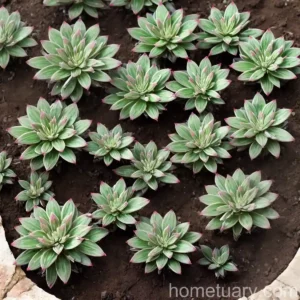
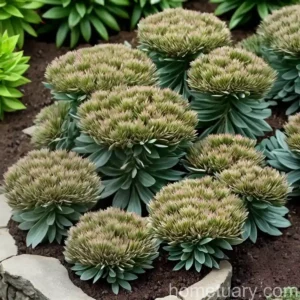
Three-leaved stonecrop, scientifically known as Sedum ternatum ‘Alba’, is a species of flowering plant in the stonecrop family, Crassulaceae. It is a native North American plant, commonly found in woodland areas, along stream banks, and in shaded rocky slopes. The plant derives its name from its distinctive three-lobed leaves and belongs to the broader genus Sedum, which encompasses many species of succulent plants.
The ‘Alba’ variety of Sedum ternatum is cherished for its attractive white flowers that bloom in spring and its ability to thrive in shaded areas. This low-growing perennial is a favorite among gardeners for its delicate appearance and versatility in landscaping.
Key Takeaways
Before delving into the specifics of the three-leaved stonecrop’s cultivation and care, let’s highlight some key takeaways about this plant:
- Scientific Name: Sedum ternatum ‘Alba’
- Common Name: Three-leaved stonecrop
- Hardiness Zone: 4-9
- Sunlight Requirements: Partial to full shade
- Watering Needs: Moderate
- Soil Type: Well-draining, fertile soil
- Mature Height: 6-12 inches
- Flowering Time: Spring
Now that we have an overview of the plant, let’s delve deeper into its specific requirements and care tips.
Culture
Understanding the cultural needs of the three-leaved stonecrop is essential for its successful growth and development. The plant’s cultural requirements encompass various aspects, including sunlight, water, soil, and fertilizer.
Uses
Before discussing its specific cultural requirements, it’s important to highlight the various uses of the three-leaved stonecrop in landscaping and gardening. Some common uses of Sedum ternatum ‘Alba’ include:
- Ground Cover: Its low-growing habit and spreading nature make it an excellent ground cover for shaded areas.
- Rock Gardens: The compact size and attractive foliage of the plant make it suitable for rock gardens and alpine plantings.
- Woodland Gardens: Three-leaved stonecrop thrives in shaded woodland settings, making it a perfect addition to woodland gardens.
- Edging and Borders: Its trailing habit and delicate flowers make it ideal for edging pathways and borders.
- Containers: The plant’s versatility makes it suitable for container gardening, particularly in shaded or partly shaded areas.
These various uses highlight the versatility and adaptability of the three-leaved stonecrop in different garden settings.
Water
Water is a crucial factor in the successful cultivation of Sedum ternatum ‘Alba’. While the plant is relatively tolerant of dry conditions, it thrives when provided with regular, moderate watering, especially during its active growing season.
Watering Tips:
– Frequency: Water the plant when the top inch of the soil feels dry to the touch.
– Avoid Overwatering: Ensure that the soil is well-draining to prevent waterlogging, which can lead to root rot.
Sunlight
The three-leaved stonecrop prefers partial to full shade, making it an excellent choice for shaded gardens or areas with dappled sunlight. While the plant can tolerate some morning sunlight, it generally prefers protection from direct afternoon sun, especially in regions with hot summers.
Sunlight Requirements:
– Partial Shade: Ideally, provide the plant with 3-4 hours of morning sunlight or dappled shade throughout the day.
– Full Shade: In warmer climates, consider planting Sedum ternatum ‘Alba’ in areas with full shade to protect it from intense sunlight.
Fertilizer
While three-leaved stonecrop is not a heavy feeder, providing it with a balanced, slow-release fertilizer in spring can support healthy growth and abundant flowering. A general-purpose fertilizer with equal parts nitrogen, phosphorus, and potassium (e.g., 10-10-10) can be applied at the beginning of the growing season.
Fertilizing Tips:
– Application: Apply fertilizer according to the manufacturer’s instructions, ensuring even distribution around the plant.
– Avoid Excessive Fertilization: Over-fertilization can lead to leggy growth and may diminish the plant’s natural compact habit.
Soil
The soil quality and composition play a significant role in the health and performance of Sedum ternatum ‘Alba’. The plant thrives in well-draining, fertile soil with a slightly acidic to neutral pH.
Soil Requirements:
– Texture: Well-draining, loamy soil provides an ideal growing medium for the plant.
– pH: Aim for a soil pH between 6.0 and 7.0 for optimal growth.
– Amendments: Incorporating organic matter such as compost or peat moss can improve soil structure and fertility.
Understanding the cultural requirements of the three-leaved stonecrop is essential for creating an environment conducive to its growth and overall well-being. Now, let’s explore specific care practices, including pruning, propagation, and container gardening.
Pruning
Pruning plays a vital role in maintaining the attractive appearance and vigor of Sedum ternatum ‘Alba’. While the plant is relatively low-maintenance, occasional pruning can help control its growth, encourage bushier habits, and remove any damaged or spent foliage.
Pruning Guidelines:
– Spring Clean-up: In early spring, remove any dead or damaged foliage and stems to promote new growth.
– Contain Spread: If the plant begins to spread excessively, consider trimming back the stems to maintain its desired size and shape.
– Deadheading: After the flowering period, deadhead the spent flowers to encourage continued blooming and prevent self-seeding.
By incorporating regular pruning into the plant care routine, gardeners can help Sedum ternatum ‘Alba’ maintain its aesthetic appeal and health throughout the growing season.
Propagation
Propagating Sedum ternatum ‘Alba’ is a rewarding endeavor that allows gardeners to expand their plantings and share this beautiful species with others. The plant can be propagated through various methods, including division, stem cuttings, and seed sowing.
Propagation Methods:
– Division: During the early spring, divide mature clumps of the plant, ensuring that each division has sufficient roots and foliage.
– Stem Cuttings: Take 3-4 inch stem cuttings in late spring or early summer, allowing the cut ends to callus before planting in a well-draining medium.
– Seed Sowing: Collect mature seeds in late summer or fall and sow them in a prepared seedbed for germination.
Successfully propagating Sedum ternatum ‘Alba’ offers the opportunity to expand the plant’s presence in the garden and share its beauty with others.
Container Popularity
The versatility and adaptability of Sedum ternatum ‘Alba’ make it a popular choice for container gardening. The plant’s trailing habit, attractive foliage, and ability to thrive in shaded environments make it well-suited for various container designs, from hanging baskets to mixed plantings.
Container Gardening Tips:
– Container Selection: Choose a well-draining container of appropriate size to accommodate the plant’s growth.
– Soil Medium: Utilize a quality potting mix with good drainage to ensure the plant’s roots remain healthy.
– Placement: Position the container in a shaded or partly shaded area, avoiding direct afternoon sun.
The container popularity of Sedum ternatum ‘Alba’ extends its value beyond traditional garden settings, allowing for creative and unique displays in outdoor and indoor spaces.
Common Diseases
While the three-leaved stonecrop is relatively resistant to diseases, certain environmental conditions and cultural practices can make it susceptible to specific issues. Understanding the common diseases associated with Sedum ternatum is essential for timely intervention and preventive measures.
Disease Diagnosis
Some common diseases that may affect Sedum ternatum ‘Alba’ include:
- Powdery Mildew: This fungal disease manifests as powdery, white spots on the foliage, often affecting plants in humid or crowded conditions.
- Root Rot: Overwatering or poorly drained soil can lead to root rot, causing the plant’s roots to decay and ultimately impacting its overall health.
- Leaf Spot: Leaf spot diseases can cause circular or irregular spots on the plant’s foliage, potentially leading to leaf discoloration and drop.
Common Pests
In addition to diseases, certain pests may target Sedum ternatum ‘Alba’ under favorable conditions. Being vigilant for signs of pest infestation and implementing appropriate control measures is crucial for maintaining the plant’s health and vitality.
Common Pests
- Aphids: These tiny, sap-sucking insects may congregate on the plant’s tender shoots and cause damage to the foliage.
- Spider Mites: These microscopic pests can infest the plant, causing stippling on the leaves and weakening its overall vigor.
- Slugs and Snails: In moist environments, these pests may feed on the plant’s foliage, resulting in unsightly damage.
By staying attentive to the potential presence of pests and diseases, gardeners can proactively address issues and implement strategies for prevention and control.
Botanist’s Tips
As a plant scientist, I offer the following tips for cultivating and caring for Sedum ternatum ‘Alba’:
- Temperature Tolerance: While Sedum ternatum ‘Alba’ is generally hardy in USDA zones 4-9, it may benefit from additional mulching in colder regions to protect its roots during winter.
- Mulching: Applying a layer of organic mulch around the plant can help conserve soil moisture and regulate soil temperatures, particularly in warmer climates.
- Companion Planting: Consider planting Sedum ternatum ‘Alba’ alongside woodland companions such as ferns, hostas, and wildflowers for a naturalistic and harmonious garden display.
Fun Facts
Here are some fascinating facts about Sedum ternatum ‘Alba’:
- The plant’s delicate white flowers attract pollinators such as bees and butterflies, contributing to ecological diversity in the garden.
- Sedum ternatum ‘Alba’ is known for its trailing habit, making it an excellent option for hanging baskets and elevated planters.
- In its native habitats, Sedum ternatum plays a role in stabilizing soil on shaded slopes and contributing to the ecosystem’s overall resilience.
Links to External Resources
- Missouri Botanical Garden – Sedum ternatum
- The Plant Lover’s Guide to Sedums by Brent Horvath
- North Carolina Extension Gardener Plant Toolbox – Sedum ternatum
- The American Horticultural Society A-Z Encyclopedia of Garden Plants
In conclusion, Sedum ternatum ‘Alba’ is a versatile and charming plant that offers numerous possibilities for gardeners and landscapers. Understanding its specific care requirements, from cultural needs to disease prevention, empowers enthusiasts to cultivate healthy and beautiful displays of this native North American gem. With its resilience, adaptability to shaded environments, and aesthetic appeal, the three-leaved stonecrop remains a cherished addition to diverse garden settings.
In this comprehensive guide, we have explored the various aspects of Sedum ternatum ‘Alba’ cultivation and care. From its cultural requirements and common uses to specific tips for disease prevention and container gardening, this guide offers a complete resource for anyone interested in growing and appreciating this delightful plant. Whether you are seeking to enhance a shaded garden, create a woodland display, or explore the world of succulents, the three-leaved stonecrop presents a wealth of opportunities for gardening enjoyment.