

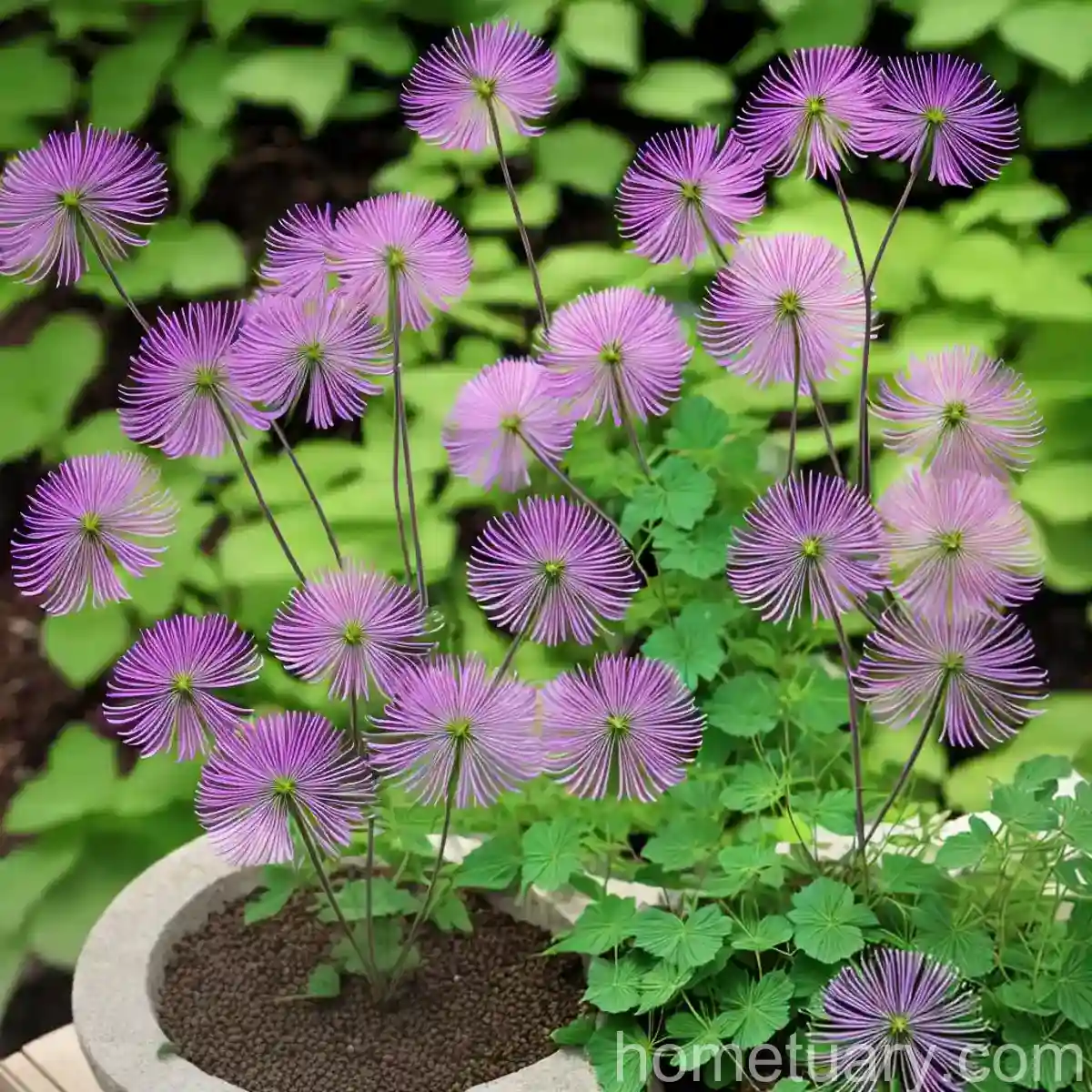
Meadow Rue (Thalictrum simplex) – A Comprehensive Guide
Meadow rue (Thalictrum simplex) is a stunning perennial plant known for its delicate, feathery foliage and beautiful, airy blooms. This captivating plant has gained popularity among gardeners for its ornamental qualities and wildlife-attracting features. In this comprehensive guide, we will delve into the various aspects of meadow rue, from its culture and uses to its propagation and maintenance. Whether you are a seasoned gardener or just starting with plants, this guide will equip you with the knowledge to cultivate and care for Thalictrum simplex effectively.
What is Meadow Rue (Thalictrum simplex)?
Meadow rue, scientifically known as Thalictrum simplex, is a herbaceous perennial plant belonging to the Ranunculaceae family. This species is native to North America, where it can be found in meadows, woodlands, and along stream banks. Meadow rue is characterized by its finely divided, fern-like leaves and clusters of airy, pastel-colored flowers, which give it a delicate and graceful appearance.
Thalictrum simplex is an excellent addition to garden landscapes, imparting an ethereal charm with its blooms swaying atop wiry stems. The plant is often used as a filler in perennial borders, woodland gardens, and naturalistic plantings, enhancing the visual appeal and biodiversity of the space.
Key Takeaways – Meadow Rue (Thalictrum simplex)
Here are the key takeaways regarding meadow rue (Thalictrum simplex):
- Scientific Name: Thalictrum simplex
- Common Name: Meadow Rue
- Family: Ranunculaceae
- Native Habitat: North America
- Plant Type: Herbaceous Perennial
- Foliage: Finely divided, fern-like
- Flowers: Airy clusters, pastel-colored
- Growth Habit: Graceful and elegant
- Uses: Ornamental, wildlife attraction
- Cultivation: Well-drained soil, partial shade
- Maintenance: Moderate
- Propagation: Seeds, division
- Pest Resistance: Generally pest-free
- Hardiness Zone: 4-8
Now that we have an overview of meadow rue, let’s explore the details of its culture, uses, and essential care requirements.
Culture
The successful cultivation of meadow rue relies on understanding its cultural preferences, including water, sunlight, fertilizer, soil, and pruning needs. By providing the ideal growing conditions, you can ensure that Thalictrum simplex thrives and graces your garden with its enchanting presence.
Water
Meadow rue prefers consistently moist soil, especially during its active growth period. However, it is essential to avoid waterlogging, as excessive moisture may lead to root rot and other issues. Adequate drainage is crucial for the plant’s health.
- Watering Frequency: Regular, to maintain soil moisture without waterlogging.
- Watering Method: Direct the water towards the base of the plant to avoid wetting the foliage excessively.
- Drought Tolerance: Moderate, perform supplemental watering during dry spells.
Sunlight
While meadow rue appreciates some dappled sunlight, it generally thrives in partial shade to full shade conditions. Excessive exposure to direct sunlight, especially in hot climates, can stress the plant and impact its vigor.
- Preferred Light Conditions: Partial shade to full shade.
- Optimal Sun Exposure: Morning sun or filtered light.
- Protective Measures: Shield from intense midday sun, especially in warmer regions.
Fertilizer
Thalictrum simplex is not overly demanding when it comes to fertilizer. A light application of a balanced, organic fertilizer in spring can support healthy growth and abundant blooms.
- Fertilizer Type: Balanced, organic fertilizer.
- Application Time: Early spring, as new growth emerges.
- Dosage: Follow the manufacturer’s instructions for the specific fertilizer used.
Soil
The right soil conditions are crucial for the successful cultivation of meadow rue. Well-drained, rich, and slightly acidic soils provide an ideal environment for the plant to establish and flourish.
- Soil Type: Well-drained, loamy soil.
- Soil pH: Slightly acidic to neutral (pH 6.0-7.0).
- Soil Amendments: Incorporate organic matter to improve soil structure and fertility.
Pruning
Pruning meadow rue is primarily focused on maintenance and shaping, rather than extensive pruning. Regular deadheading and removal of spent blooms can prolong the flowering period and promote tidiness.
- Deadheading: Remove spent flowers to encourage continuous blooming.
- Tidying: Trim any damaged or discolored foliage for aesthetic purposes.
- Pruning Time: Perform light pruning as needed throughout the growing season.
Uses
Meadow rue offers various uses in garden landscapes, from its ornamental value to its role in supporting wildlife and biodiversity. Understanding the versatile uses of Thalictrum simplex can inspire creative garden designs and conservation efforts.
Ornamental Value
The delicate, lacy foliage and ethereal blooms of meadow rue make it a charming addition to gardens and landscapes. Its graceful appearance and gentle swaying in the breeze lend a romantic and whimsical quality to the environment.
- Landscape Applications: Perennial borders, woodland gardens, naturalistic plantings.
- Visual Impact: Soft texture, pastel-colored blooms, and graceful habit.
- Companion Plants: Pair with ferns, hostas, and other shade-loving perennials for a harmonious display.
Wildlife Attraction
The nectar-rich flowers of meadow rue attract pollinators such as bees, butterflies, and other beneficial insects. The plant also serves as a host for butterfly larvae, contributing to the ecological balance in the garden.
- Pollinator Support: Provide a nectar source for bees and butterflies.
- Butterfly Host Plant: Support butterfly populations by hosting their larvae.
- Biodiversity: Enhance the garden’s biodiversity and ecological resilience.
Medicinal Uses
In traditional medicine, certain species of Thalictrum have been used for their potential medicinal properties. While Thalictrum simplex is primarily valued for its ornamental qualities, it is essential to acknowledge its historical significance in traditional herbal remedies.
- Historical Significance: Acknowledge the plant’s traditional uses and folklore.
- Medicinal Properties: Research and explore the potential therapeutic benefits of related Thalictrum species, if applicable.
Propagation
The propagation of meadow rue can be achieved through seeds and division, providing opportunities to expand its presence in the garden or share the plant with other gardening enthusiasts. Understanding the propagation methods is essential for preserving and propagating Thalictrum simplex effectively.
Seed Propagation
Propagating meadow rue from seeds allows for the introduction of new varieties and the expansion of the plant population. With proper seed collection and sowing techniques, you can propagate Thalictrum simplex with relative ease.
- Seed Collection: Harvest mature seed heads when they turn brown and papery.
- Seed Stratification: Cold stratify the seeds to mimic natural winter conditions and promote germination.
- Sowing Time: Start seeds indoors in early spring, or directly sow in fall for natural stratification.
Division
Dividing established clumps of meadow rue enables the rejuvenation of crowded plants and the creation of new thriving specimens. Division is a beneficial propagation method that helps manage the plant’s growth and vitality.
- Ideal Time: Early spring, as new growth emerges, or in early fall.
- Division Process: Carefully dig up the plant, separate the clumps, and replant the divisions in suitable locations.
- Rejuvenation: Replant healthy divisions to ensure robust growth and bloom production.
Container Popularity
The ornamental appeal and graceful growth habit of meadow rue make it a popular choice for container gardening. When cultivated in containers, Thalictrum simplex adds a touch of elegance to outdoor living spaces and provides an opportunity to appreciate its beauty up close.
- Container Type: Deep, wide containers that accommodate the plant’s root system.
- Soil Mix: Well-draining potting mix with added organic matter.
- Placement: Position the container in partial shade, shielding from harsh midday sun.
- Maintenance: Monitor soil moisture and provide regular care as per the plant’s cultural requirements.
Container Common Diseases
While meadow rue is generally resistant to many diseases and pests, certain issues may still arise, particularly when grown in containers. It is essential to be aware of potential diseases and preventive measures to maintain the plant’s health.
| Disease | Symptoms | Preventive Measures |
|---|---|---|
| Powdery Mildew | White powdery patches on foliage | Provide adequate air circulation, avoid overhead watering. |
| Root Rot | Wilting, yellowing foliage, and a decline in overall vigor | Ensure proper drainage, use well-draining soil mix. |
Disease Diagnosis
Observing and identifying symptoms of potential diseases is crucial for timely intervention and effective disease management. By recognizing common disease symptoms, gardeners can take proactive measures to protect their container-grown meadow rue.
- Visual Inspection: Regularly examine the foliage, stems, and overall plant health for any signs of disease.
- Leaf Discoloration: Monitor for abnormal yellowing, browning, or white powdery patches on the leaves.
- Vigor Assessment: Note any decline in growth, wilting, or loss of turgor in the plant.
Common Pests
While meadow rue is relatively resistant to pests, certain insects may pose occasional threats to its health and aesthetic appeal. Being vigilant about pest activity and employing appropriate control measures can help safeguard the plant from pest-related issues.
Pest Control
Observing and identifying symptoms of potential diseases is crucial for timely intervention and effective disease management. By recognizing common disease symptoms, gardeners can take proactive measures to protect their container-grown meadow rue.
- Visual Inspection: Regularly examine the foliage, stems, and overall plant health for any signs of disease.
- Leaf Discoloration: Monitor for abnormal yellowing, browning, or white powdery patches on the leaves.
- Vigor Assessment: Note any decline in growth, wilting, or loss of turgor in the plant.
Botanist’s Tips
As a plant enthusiast and botanist, I have some valuable tips for the successful cultivation of Thalictrum simplex. These insights are based on my experience with meadow rue and aim to enhance the gardening experience while promoting the health and beauty of this captivating plant.
Fun Facts
- The foliage of meadow rue is often mistaken for that of maidenhair fern, showcasing its delicate and intricate appearance.
- Some species of Thalictrum have been used in traditional medicine for their potential therapeutic properties, adding an intriguing dimension to the plant’s heritage.
Links to External Resources
For further information and in-depth resources on meadow rue (Thalictrum simplex), I recommend exploring the following links:
- Royal Horticultural Society – Thalictrum
- Missouri Botanical Garden – Thalictrum Cultivation
- The Spruce – Growing and Caring for Meadow Rue
In conclusion, meadow rue (Thalictrum simplex) embodies elegance, charm, and ecological significance in garden landscapes. Its delicate foliage, airy blooms, and versatile uses make it a valuable addition to perennial gardens and naturalistic plantings. By understanding and catering to its cultural preferences, embracing its ornamental qualities, and protecting it from potential pests and diseases, gardeners can relish the enchanting presence of Thalictrum simplex in their outdoor spaces. Whether it’s attracting pollinators, adding visual appeal, or celebrating its historical significance, meadow rue continues to captivate the hearts and gardens of plant enthusiasts worldwide.




