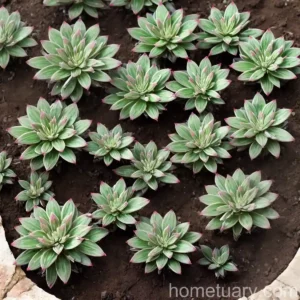
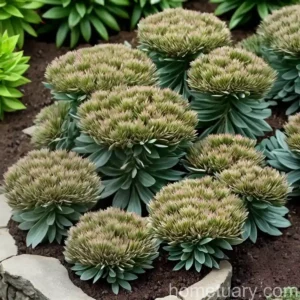
The Fascinating World of Stonecrop (Sedum lineare ‘Variegatum’)
As a plant scientist, I have had the pleasure of researching and studying a wide array of plant species. One particular plant that has captured my attention is the stonecrop (Sedum lineare ‘Variegatum’). This versatile and resilient plant not only boasts captivating visual appeal but also offers a host of practical uses and benefits.
In this comprehensive guide, we will delve into the intricacies of stonecrop, exploring its cultural requirements, uses, propagation methods, common pests and diseases, and much more. By the end of this journey, you will gain a profound understanding of this remarkable plant and how to nurture it to its fullest potential.
What is Stonecrop (Sedum lineare ‘Variegatum’)?
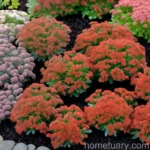
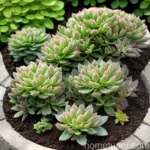
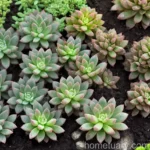
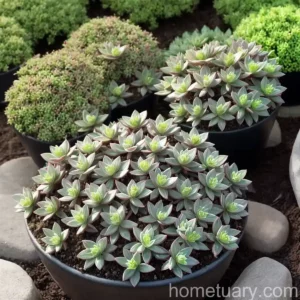
Stonecrop, scientifically known as Sedum lineare ‘Variegatum’, is a striking perennial plant that belongs to the Crassulaceae family. This species is celebrated for its charming variegated foliage, which showcases a delightful blend of green and cream-colored leaves. The name “stonecrop” is derived from its natural tendency to thrive in rocky or stony environments, where it often serves as a resilient ground cover.
Key Takeaways
Before we embark on our exploration of stonecrop, let’s take a moment to reflect on the key takeaways that we will be addressing in this guide. By touching on these essential points, we can lay the foundation for a comprehensive understanding of this remarkable plant.
Culture
- The optimal cultural conditions required for the successful growth of stonecrop, including its water, sunlight, and soil preferences.
- The potential uses of stonecrop in landscaping, ground cover applications, and container gardening.
- The essential practices of pruning, propagation, and container maintenance for stonecrop.
Uses
- The diverse applications of stonecrop in landscaping, including as a ground cover, in rock gardens, and in vertical gardening.
- The potential role of stonecrop in attracting and supporting wildlife, such as pollinators, in the garden environment.
Water
- Understanding the water requirements of stonecrop and how to maintain appropriate moisture levels to support its growth and health.
Sunlight
- Identifying the specific sunlight needs of stonecrop and ensuring that it receives adequate light to thrive.
Fertilizer
- Exploring the fertilizer needs of stonecrop and addressing the best practices for providing essential nutrients to support its vitality.
Soil
- Understanding the soil preferences of stonecrop and how to create an optimal soil environment to facilitate its growth.
Pruning
- Exploring the role of pruning in maintaining the health and attractiveness of stonecrop, including techniques and timing for effective pruning practices.
Propagation
- Exploring methods for propagating stonecrop, including division and stem cuttings, to expand its presence in the garden.
Container
- Understanding the considerations and best practices for cultivating stonecrop in containers, including suitable container types and maintenance requirements.
Popularity
- Understanding the popularity of stonecrop in the gardening and landscaping community and its status as a beloved garden plant.
Common Diseases
- Identifying potential diseases that may impact stonecrop and implementing measures to diagnose and address these issues effectively.
Disease Diagnosis
- Developing an understanding of common diseases that may affect stonecrop and the processes involved in diagnosing and managing these conditions.
Common Pests
- Identifying potential pests that may pose a threat to stonecrop and implementing measures to control and prevent infestations effectively.
Botanist’s Tips
- Sharing valuable insights and tips from botanists and gardening experts regarding the successful cultivation of stonecrop.
Fun Facts
- Exploring interesting and lesser-known facts about stonecrop that contribute to its allure and uniqueness as a garden plant.
Links to External Resources
- Providing access to valuable external resources that offer additional insights, tips, and information about stonecrop cultivation and care.
Now that we’ve outlined the key takeaways, let’s begin our journey into the captivating world of stonecrop.
Culture
Cultivating stonecrop successfully begins with a deep understanding of its cultural requirements, encompassing factors such as water, sunlight, soil, and maintenance practices.
Water
Stonecrop is revered for its resilience in dry conditions and its ability to thrive with minimal water. In fact, excessive moisture can be detrimental to this plant, leading to issues such as root rot. As a succulent plant, stonecrop stores water in its fleshy leaves, allowing it to endure periods of drought with ease.
To support the healthy growth of stonecrop, it is essential to adhere to the following watering guidelines:
- Watering Frequency: Stonecrop thrives in well-draining soil and benefits from infrequent deep watering. During the active growing season, typically spring to fall, water the plant when the soil has dried out completely.
- Avoid Overwatering: It is crucial to prevent overwatering, as this can lead to root rot and other moisture-related issues. Ensure that the soil is allowed to dry out between waterings to maintain optimal conditions for the plant.
- Winter Dormancy: During the winter months, when stonecrop enters a period of dormancy, it requires minimal to no watering. The plant can rely on its stored moisture reserves during this time.
Sunlight
Stonecrop thrives in bright sunlight and is well-suited to full sun exposure. When grown in optimal sunlight conditions, the plant displays vibrant foliage and maintains its compact, attractive form. To support the sun requirements of stonecrop, consider the following recommendations:
- Full Sun Exposure: Position stonecrop in an area that receives ample sunlight, ideally a minimum of six hours of direct sunlight each day.
- Indoor Cultivation: When cultivating stonecrop indoors, ensure that it is placed in a location with access to bright, indirect light. South-facing windows often provide suitable light conditions for indoor stonecrop cultivation.
Fertilizer
As a low-maintenance plant, stonecrop has minimal fertilizer requirements. The plant’s intrinsic resilience and ability to flourish in nutrient-deficient soils make it well-suited to thriving without the need for frequent fertilization. However, to bolster its vitality and aesthetics, consider the following fertilizer practices:
- Sparse Fertilization: Stonecrop generally requires minimal fertilization. In early spring, consider applying a balanced, diluted fertilizer to support the plant’s initial growth.
- Avoid Excessive Fertilization: Refrain from excessive or frequent fertilization, as this can lead to overgrowth and a reduction in the plant’s natural compact form.
Soil
The soil composition plays a pivotal role in supporting the growth and health of stonecrop. As an arid-adapted plant, stonecrop exhibits a preference for well-draining soils that mimic its natural rocky habitats. To create an optimal soil environment for stonecrop, consider the following recommendations:
- Well-Draining Soil: Stonecrop thrives in well-draining, gritty soil that prevents water from accumulating around its roots. Consider incorporating sand or perlite into the soil mix to enhance drainage properties.
- Soil pH: While stonecrop tolerates a wide range of soil pH levels, it generally performs well in slightly acidic to neutral soils with a pH range of 6.0 to 7.0.
- Container Cultivation: When cultivating stonecrop in containers, utilize a well-draining potting mix formulated for succulent plants or cacti. This ensures that excess moisture is swiftly drained away from the plant’s roots.
Pruning
Pruning plays a crucial role in maintaining the aesthetic appeal and vigor of stonecrop. By implementing strategic pruning practices, you can enhance the plant’s visual allure and prevent issues such as overgrowth and entanglement. Consider the following guidelines for effective pruning of stonecrop:
- Trimming Faded Blooms: As stonecrop blooms, you may wish to remove the spent flower heads to promote continued flowering and prevent self-seeding. This practice can also contribute to a tidier appearance.
- Controlling Growth: If the plant begins to exhibit excessive growth or sprawl, strategic pruning can help maintain its desired shape and form. Snipping back leggy stems and unruly growth can rejuvenate the plant’s appearance.
- Late Winter Pruning: In late winter or early spring, consider engaging in light pruning to remove any damaged or discolored foliage, promoting a fresh start for the growing season.
Propagation
Expanding the presence of stonecrop in your garden can be accomplished through effective propagation techniques. The plant readily lends itself to propagation through various methods, allowing you to create new plantings from existing specimens. Consider the following propagation techniques for stonecrop:
- Division: Dividing established stonecrop plants enables you to create new plantings and rejuvenate existing specimens. During the active growing season, carefully lift the plant, ensuring that each division possesses viable roots and shoots.
- Stem Cuttings: Propagating stonecrop from stem cuttings is a straightforward and effective method for creating new plants. Select healthy, non-flowering stems and trim them to the desired length before planting them in well-draining soil.
Container
Cultivating stonecrop in containers can be an excellent option, particularly for gardeners with limited outdoor space or those seeking to create charming arrangements and displays. When growing stonecrop in containers, consider the following tips and considerations:
- Container Selection: Choose containers with adequate drainage holes to prevent waterlogged soil, promoting healthy root development. Consider containers made from materials such as terra cotta, concrete, or plastic.
- Potting Mix: Utilize a well-draining potting mix formulated for succulent plants when cultivating stonecrop in containers. This ensures that excess moisture is swiftly drained away from the plant’s roots.
- Maintenance: Container-grown stonecrop may require more frequent watering compared to plants grown in the ground. Monitor the moisture levels of the soil and adjust your watering practices accordingly to support the plant’s needs.
Popularity
Stonecrop, with its captivating foliage and resilience, has secured a position of popularity in the gardening and landscaping community. Gardeners and landscapers appreciate its versatility and beauty, often integrating it into a wide array of applications, from ground cover to border plantings. Its ease of care and adaptability further bolster its popularity among plant enthusiasts.
Common Diseases
While stonecrop exhibits resilience to many environmental stressors, occasional susceptibility to diseases may arise. Becoming familiar with potential diseases that may affect stonecrop enables you to implement timely interventions and prevent the spread of illnesses. Common diseases that may impact stonecrop include:
- Root Rot: Prolonged exposure to standing water or overly wet soil can lead to root rot, causing the plant to exhibit symptoms such as wilting and discoloration.
- Powdery Mildew: In conditions of high humidity, stonecrop may become susceptible to powdery mildew, leading to the development of a powdery white coating on the foliage.
Disease Diagnosis
Diagnosing diseases that affect stonecrop involves careful observation of the plant’s symptoms and prompt intervention to address the underlying issues. By closely monitoring your stonecrop plants, you can identify potential diseases and take appropriate measures to mitigate their impact. Common disease diagnosis practices for stonecrop include:
- Visual Assessment: Regularly inspect the foliage and overall appearance of your stonecrop plants, noting any changes in color, texture, or structure that may indicate a potential health issue.
- Symptom Recognition: Educate yourself about the common symptoms associated with diseases such as root rot and powdery mildew. Prompt recognition of these symptoms allows for timely intervention.
Common Pests
While stonecrop boasts resilience against many pests, certain insects may pose a threat to the plant’s health and vitality. Being vigilant in monitoring for potential pests and implementing control measures can safeguard the well-being of your stonecrop. Common pests that may impact stonecrop include:
- Aphids: Aphids are small, sap-sucking insects that may congregate on the foliage of stonecrop, potentially causing leaf distortion and the secretion of honeydew.
- Mealybugs: These cottony, soft-bodied insects can infest stonecrop, often accumulating on the plant’s stems and leaf axils.
Botanist’s Tips
Accumulating insights and tips from experienced botanists and gardening experts can offer valuable guidance for cultivating stonecrop successfully. By integrating these tips into your approach, you can optimize the growth and health of your stonecrop plants. Here are some valuable tips from botanists and gardening experts:
- Selecting Well-Draining Sites: When planting stonecrop in the garden, opt for sites with well-draining soil and excellent air circulation to promote healthy growth.
- Overwintering Considerations: In regions with cold winters, provide ample protection for stonecrop by mulching around the base of the plants to shield them from harsh temperatures.
Fun Facts
To further enrich our understanding and appreciation of stonecrop, let’s explore a selection of fascinating and little-known facts about this remarkable plant:
- Succulent Nature: Stonecrop, like many members of the Sedum genus, exhibits succulent characteristics, showcasing fleshy leaves that serve as water reservoirs.
- Pollinator Attraction: Stonecrop’s nectar-rich blooms have the potential to attract pollinators such as bees and butterflies, contributing to the biodiversity of garden environments.
Links to External Resources
Expanding your knowledge and insights about stonecrop can be achieved through access to a wealth of external resources, including publications, websites, and educational materials that delve into the intricacies of stonecrop cultivation and care.
Now that we’ve delved deeply into the cultural aspects of stonecrop, including water, sunlight, fertilizer, soil, pruning, propagation, containers, popularity, common diseases, disease diagnosis, pests, botanist’s tips, fun facts, and links to external resources, we’ve laid a solid foundation for understanding and nurturing this captivating plant.
In the next section, we will continue our journey by exploring the uses of stonecrop, providing valuable insights into its role in landscaping and garden applications.
This is just the beginning of our extensive guide to stonecrop (Sedum lineare ‘Variegatum’). In the following sections, we will explore the uses of this remarkable plant, including its role as a ground cover, its potential applications in attracting wildlife, and its versatility in various gardening settings.
Coming soon: Part 2 of “The Fascinating World of Stonecrop – Exploring its Uses and More”