Orange Stonecrop (Sedum Kamtschaticum var. Floriferum ‘Weihenstephaner Gold’): A Comprehensive Guide
As a plant scientist, I am passionate about exploring the diverse world of flora. In this comprehensive guide, we will delve into the intricacies of the orange stonecrop (Sedum kamtschaticum var. floriferum ‘Weihenstephaner Gold’).
What is Orange Stonecrop?
Orange stonecrop, also known by its botanical name Sedum kamtschaticum var. floriferum ‘Weihenstephaner Gold’, is a low-growing perennial succulent that belongs to the family Crassulaceae. This plant is indigenous to the regions of Siberia and the Far East, and it is celebrated for its striking clusters of star-shaped orange flowers that adorn its foliage.
Plant Specs at a Glance
- Scientific Name: Sedum kamtschaticum var. floriferum ‘Weihenstephaner Gold’
- Common Names: Orange stonecrop, Weihenstephaner Gold stonecrop
- Plant Type: Perennial succulent
- Mature Size: 6-10 inches (15-25 cm) in height and 12-18 inches (30-45 cm) in spread
- Sun Exposure: Full sun to partial shade
- Soil Type: Well-draining, sandy or loamy soil
- Bloom Time: Summer
- Hardiness Zones: 3-9
Key Takeaways
Before we dive into the intricate details of the orange stonecrop, let’s briefly highlight the key takeaways:
- Orange stonecrop is a resilient perennial succulent known for its vibrant orange flowers and its adaptability to various growing conditions.
- This plant thrives in full sun to partial shade and requires well-draining soil to prevent root rot.
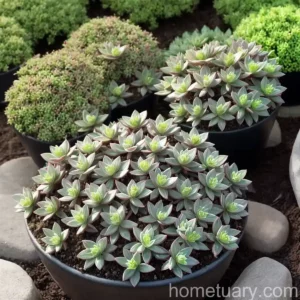
- Orange stonecrop is a versatile plant, suitable for ground cover, rock gardens, and containers.
- Despite being relatively low-maintenance, regular watering and occasional fertilization can promote healthy growth and prolific flowering.
Now, let’s explore the culture, uses, care requirements, propagation techniques, and more, to gain a deeper understanding of this charming succulent.
Culture
Uses
The orange stonecrop (Sedum kamtschaticum var. floriferum ‘Weihenstephaner Gold’) is valued for its ornamental qualities and has a range of horticultural applications, including:
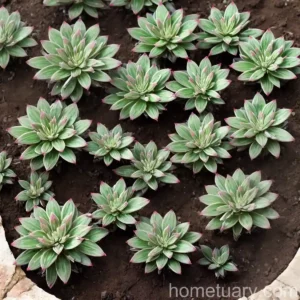
- Ground Cover: It is an excellent choice for ground cover due to its spreading nature and colorful foliage.
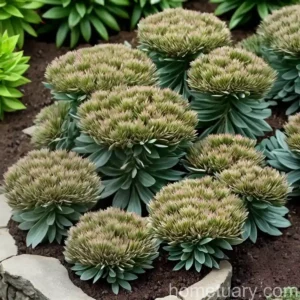
- Rock Gardens: Orange stonecrop adds a pop of color and texture to rock gardens, where it thrives in the well-draining soil often found in these settings.
- Containers: It can be grown in containers, both indoors and outdoors, adding a touch of elegance to any setting.
- Pollinator Gardens: The abundant nectar-rich flowers attract pollinators such as bees and butterflies, making it a valuable addition to pollinator-friendly gardens.
Water
Orange stonecrop is drought-tolerant once established, making it an ideal choice for water-wise gardening. However, regular watering is essential, especially during its establishment phase and prolonged dry spells. When watering, ensure that the soil is allowed to dry out between waterings to prevent waterlogging, which can lead to root rot.
Sunlight
This plant thrives in full sun to partial shade. When grown in full sun, the foliage often displays its most vibrant hues, while partial shade can protect it from scorching in extremely hot climates.
Fertilizer
Orange stonecrop is not particularly heavy feeder. A balanced, water-soluble fertilizer can be applied sparingly in early spring to support healthy growth and prolific flowering.
Soil
Well-draining, sandy or loamy soil is crucial for the success of orange stonecrop. It despises sitting in waterlogged soil and is susceptible to root rot in excessively wet conditions. Amending heavy clay soil with organic matter can greatly improve drainage.
Pruning
Pruning is generally minimal for orange stonecrop. However, you may want to deadhead the spent flowers to encourage additional blooming and maintain the plant’s tidy appearance. Additionally, removing any damaged or diseased foliage can promote overall plant health.
Propagation
This succulent can be propagated through several methods, including:
- Division: Divide mature clumps in spring, ensuring that each division has several roots attached. Replant the divisions in well-draining soil.
- Leaf Cuttings: Take leaf cuttings and allow them to callus for a few days before planting them in a well-draining potting mix.
- Stem Cuttings: Snip off healthy stems, remove the lower leaves, and allow the cut ends to callus before planting them in a suitable growing medium.
Container Popularity
Orange stonecrop is a popular choice for container gardening due to its low-maintenance nature, vibrant coloration, and adaptability to varying light conditions. When grown in containers, it can be positioned on patios, balconies, or in rock gardens, adding visual interest and a burst of color.
Common Diseases
While orange stonecrop is relatively resistant to diseases, it can occasionally encounter issues such as root rot, fungal infections, and stem rot, particularly in overly moist conditions. Vigilance in regards to watering practices and prompt removal of any diseased plant parts can help prevent these issues.
Disease Diagnosis
Diagnosing plant diseases can be challenging, but some common symptoms to watch out for include:
– Wilting or discolored foliage
– Soft, darkened areas on stems
– Mushy or foul-smelling roots
Common Pests
Orange stonecrop is generally resistant to most pests. However, it may be susceptible to infestations of:
– Aphids: These tiny, sap-sucking insects can cluster on the plant’s tender growth and flowers.
– Mealybugs: These soft-bodied insects can congregate in the leaf axils and undersides.
Regular monitoring and prompt intervention can help keep pest populations in check.
Botanist’s Tips
- Selecting the Right Site: Choose a planting site with well-draining soil and adequate sunlight for optimal growth and flowering.
- Adequate Spacing: Allow sufficient space between plants to accommodate their spreading growth habit.
- Moderate Watering: Avoid overwatering, as this can lead to root rot. Instead, water deeply but infrequently, allowing the soil to dry out between waterings.
- Deadheading: Remove spent flowers to encourage prolonged blooming and maintain the plant’s appearance.
Fun Facts
- The specific epithet kamtschaticum is derived from the Kamchatka Peninsula in eastern Russia, which is within the native range of this succulent.
- Sedum plants, including Sedum kamtschaticum, are known for their resilience and ability to thrive in challenging environmental conditions.
- The cultivar name ‘Weihenstephaner Gold’ pays homage to the Weihenstephan Gardens and Research Center in Germany, renowned for its contributions to horticultural research and plant breeding.
Links to External Resources
- Sedum kamtschaticum ‘Weihenstephaner Gold’ – Missouri Botanical Garden
- Orange Sedum: Growing Weihenstephaner Gold Sedum Plants
- How to Grow and Care for Orange Stonecrop (Sedum kamtschaticum)
In conclusion, orange stonecrop (Sedum kamtschaticum var. floriferum ‘Weihenstephaner Gold’) is a delightful and versatile plant that brings a touch of vibrancy to a variety of settings. Its adaptability, low-maintenance nature, and striking visual appeal make it a valuable addition to any garden or landscape. Whether used as a ground cover, rock garden accent, or container specimen, the charm of this succulent is undeniable. With proper care and attention to its specific requirements, this plant can thrive and provide years of enjoyment for plant enthusiasts and gardening aficionados.
Intrigued by the allure of the orange stonecrop? Ultimately, it embodies nature’s resilience and beauty, making it a compelling choice for both seasoned gardeners and novices alike.